
Main Courses
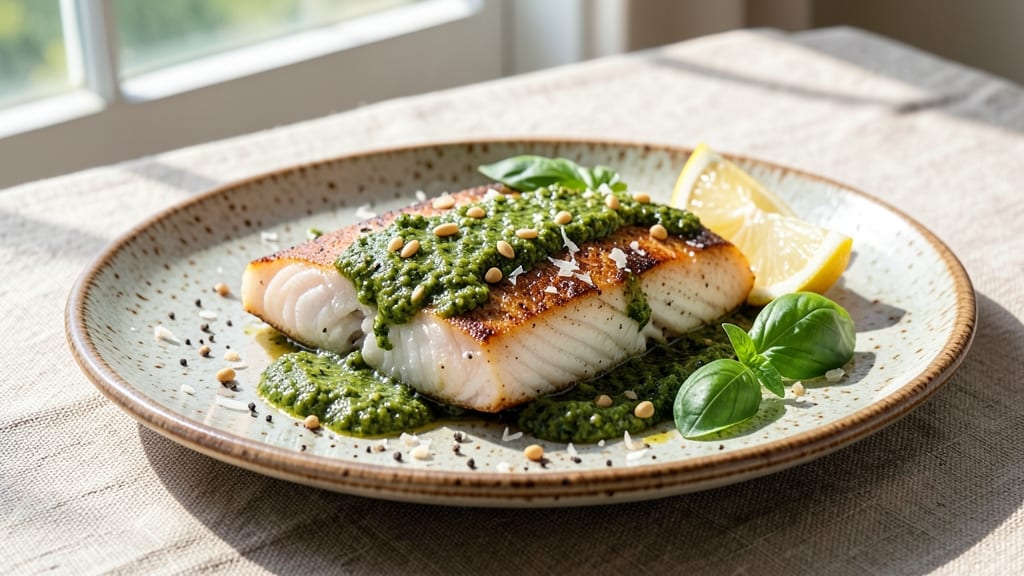
This fish with pesto sauce recipe delivers restaurant-quality results with minimal effort—crispy, golden sear on the outside and tender, flavorful fillets inside, all blanketed in vibrant basil pesto. The secret lies in the perfect balance of heat and timing, ensuring the fish stays moist while developing that signature crispy crust.
I developed this recipe after years of experimenting with seafood dishes, and it consistently earns rave reviews from even the most discerning palates.
The beauty of this dish is its simplicity: just fresh fish, a handful of pantry staples, and a quick pan-searing technique that transforms simple ingredients into something extraordinary.
The pesto sauce isn't just an afterthought—it's the star, infused with fresh basil, garlic, and a touch of lemon to brighten every bite. What makes this recipe truly foolproof is the method: a hot pan, just the right amount of oil, and precise timing to lock in those flavors.
By the time you serve this dish, you'll have perfectly seared fish with crispy edges and a tender interior, all smothered in a rich, herby pesto that ties everything together. The aroma alone will have everyone at the table anticipating the first bite.
This recipe is perfect for weeknight dinners or special occasions—it's elegant enough for company but simple enough for a quick weeknight meal.
Pair it with roasted asparagus, a fresh arugula salad, or crusty bread to soak up every last bit of that delicious pesto. The dish comes together in under 20 minutes, making it ideal for those busy evenings when you still want to impress.
Let's get cooking—this fish dish is about to become a new favorite.
Ingredients for fish with pesto sauce
Fresh fish, vibrant basil, and crispy sear—this pesto sauce transforms simple ingredients into restaurant-quality perfection.
| Ingredient | Amount | Notes |
|---|---|---|
| Fresh White Fish Fillets 🐟 | 4 pieces | 4 oz each, skin-on preferred |
| Extra-Virgin Olive Oil 🫒 | ½ cup | High-quality, fruity variety |
| Fresh Basil Leaves 🌿 | 1 ½ cups | Packed, stems removed |
| Pine Nuts 🥜 | ⅓ cup | Toasted for enhanced flavor |
| Garlic Cloves 🧄 | 3 cloves | Peeled, roughly chopped |
| Parmesan Cheese 🧀 | ½ cup | Freshly grated, block preferred |
| Lemon Juice 🍋 | 1 tbsp | Freshly squeezed |
| Sea Salt 🧂 | 1 tsp | Fine grain preferred |
| Freshly Ground Black Pepper 🌶️ | ½ tsp | Freshly cracked for best flavor |
| All-Purpose Flour 🌾 | ¼ cup | For dredging fish |
| Unsalted Butter 🧈 | 2 tbsp | Cold, for crispy sear |
The fish is the foundation, so look for firm, translucent fillets with minimal odor. Cod, halibut, or mahi-mahi work best—they hold their shape while developing that golden crust. Buy from a trusted seafood counter, ideally the day you plan to cook. If you're using frozen, thaw overnight in the fridge, wrapped in a paper towel to absorb excess moisture. The pesto's vibrant color comes from fresh basil—pick leaves with no brown spots. For the nuts, Trader Joe's or Costco offer the best prices on pine nuts, though walnuts work in a pinch. Toast them in a dry pan for 2-3 minutes until fragrant—this enhances their flavor significantly.
No pine nuts? Walnuts or pecans add a similar texture, though with a slightly different taste profile. Substitute dried basil at one-third the amount, but fresh is non-negotiable for that bright, aromatic quality. Running low on Parmesan? Pecorino Romano works equally well when freshly grated. The lemon juice can be bottled in a pinch, but freshly squeezed adds a brighter acidity that cuts through the richness of the fish and pesto. For the flour, King Arthur or Bob's Red Mill brands provide consistent results. If you prefer a gluten-free option, use a 1:1 gluten-free flour blend. The butter should be cold—take it out of the fridge 10 minutes before cooking to soften slightly but still hold its shape.
Store fresh fish in the coldest part of your fridge, wrapped in a paper towel, and use within 2 days for optimal texture. The pesto sauce can be made a day ahead—press plastic wrap directly on the surface before sealing to prevent browning. It keeps for 5 days in the fridge or 3 months frozen. For the fish fillets, portion them into individual containers before freezing if you plan to store them long-term. Reheat gently in a skillet or microwave to maintain crispiness. The sauce reheats beautifully—just add a splash of water or lemon juice to loosen it if needed.
Why You'll Love This Recipe
- One-Pan Magic: I swear by this for nights when I don’t want to scrub a million dishes—just toss the fish, pesto, and garlic on a sheet pan, pop it in the oven, and walk away. That crispy skin? Zero effort, all flavor.
- Herb Bomb: The basil and pine nuts in that pesto are like a flavor explosion—bright, nutty, and just salty enough to make the fish taste ridiculously good. Honestly, I’ll take this over store-bought sauce any day.
- Office Lunch Hero: Between us, this is my go-to for meal prep—packs perfectly, reheats like a dream, and still tastes fresh the next day. Just add a squeeze of lemon when you eat it, and boom: restaurant-quality in a container.
- Budget Bright Spot: Fresh fish doesn’t have to break the bank, and this recipe stretches it further than you’d think. A few fillets + cheap garlic + basil from the garden (or a bunch on sale) = a meal that feels fancy without the price tag.
Step-by-step instructions for basil-infused crispy pan-seared fish
Here's how to achieve perfectly crispy fish with vibrant pesto sauce using just 11 essential ingredients.
Prepare the Pesto Sauce
In a food processor, combine the 1.5 cups fresh basil leaves, 0.33 cup pine nuts, 3 cloves garlic cloves, and 0.5 cup parmesan cheese. Pulse until the pine nuts are finely chopped but the mixture still has texture. With the processor running, slowly drizzle in the 0.5 cup extra-virgin olive oil until smooth. Transfer to a bowl and stir in the 1 tbsp lemon juice, 1 tsp sea salt, and 0.5 tsp freshly ground black pepper. The sauce should be vibrant green with a thick, spreadable consistency.
Here's the thing—don't skip the lemon juice. It brightens the flavors and prevents the pesto from becoming too heavy. Taste and adjust seasoning if needed, adding more lemon juice or salt as necessary. Cover and set aside while you prepare the fish. This sauce will keep its freshness for up to 3 days when refrigerated in an airtight container.
Season and Dredge the Fish Fillets
Pat the 4 pieces fresh white fish fillets dry with paper towels, pressing firmly to remove all moisture. This step is critical for achieving crispy skin. Place the fillets on a clean work surface and season both sides generously with additional sea salt and freshly ground black pepper. I like to use about half the remaining seasoning on each side.
In a shallow dish, combine the 0.25 cup all-purpose flour. Lightly dredge each fish fillet in the flour, pressing gently to adhere an even coating. Don't press too hard or you'll tear the delicate fish. Shake off any excess flour and set the seasoned fillets aside on a plate. The flour creates a golden crust that locks in moisture while providing texture contrast to the tender fish.
Pan-Sear for Perfect Crispiness
Heat a large skillet over medium-high heat until very hot. Add the 2 tbsp unsalted butter and allow it to melt completely, then swirl to coat the bottom evenly. Add the fish fillets in a single layer, leaving space between each piece. Cook undisturbed for 3-4 minutes until the bottoms develop golden-brown crusts and the edges begin to curl slightly at the edges.
This is the moment that matters: flip the fish carefully using a fish spatula. You'll know it's ready when it releases easily from the pan. Cook for another 2-3 minutes on the second side until the fish reaches an internal temperature of 145°F and the tops are also golden brown. The fish should be opaque throughout with no translucent areas remaining. Remove the fish to a warm plate and tent loosely with foil to keep warm.
Finish with Pesto and Serve Immediately
Reduce the heat to medium-low and carefully pour the prepared pesto sauce into the same skillet. Let it warm through for 1-2 minutes, stirring occasionally to coat the bottom of the pan. The residual heat from the pan will help meld the flavors while preventing the pesto from cooking. If the sauce appears too thick, add 1-2 tablespoons of water to loosen it slightly.
Return the fish fillets to the skillet and spoon the warm pesto sauce over the top, coating each piece evenly. Let the fish sit in the sauce for 1-2 minutes to absorb some of the vibrant flavors. Serve immediately while the fish is still crispy and the pesto is at its peak freshness. The contrast between the crispy exterior and tender fish creates the perfect texture combination.
Pro Tips For Making Fish With Pesto Sauce
- Pat the Fish Dry: Fish releases more moisture when wet, and that means your pesto sauce will turn into a sad, watery mess instead of clinging to the fillets. Grab a couple of paper towels and press firmly—no need to go overboard, just enough to remove surface moisture. This isn’t about making it look like a beach towel; it’s about letting the pesto stick.
- Toast the Pine Nuts: Skipping this step is like putting a plain white shirt to a black-tie event—it just doesn’t belong. Pulse the pine nuts in a dry pan over medium heat for 30 seconds until they’re golden and fragrant. Watch them like a hawk—burnt nuts taste bitter and ruin the whole dish. If you’re in a rush, use pre-toasted nuts from the store, but they won’t have the same depth.
- Cook Fish Over Medium-High: Low and slow turns fish into a sad, rubbery slab. Crank the heat to medium-high and cook the fillets for 3-4 minutes per side until the edges just start to lift and the center flakes easily with a fork. Overcooking is the silent killer here—once the fish turns opaque, it’s done. No second chances.
- Add Lemon Zest to Pesto: Fresh basil pesto can taste flat if it’s missing acidity. Toss in the zest of half a lemon while blending—it brightens the flavors and cuts through the richness of the olive oil. Skip the juice, though; you don’t want the pesto swimming in liquid. Trust me, this small tweak makes the difference between "good" and "wow."
Make-ahead tips for this fish with pesto sauce
Pesto Sauce Prep
Make the pesto sauce a day ahead and store it in an airtight container with plastic wrap pressed directly on the surface to prevent browning. This allows the flavors to meld beautifully—something I learned after making it fresh each time and noticing the difference.
The sauce keeps for 5 days in the fridge or 3 months frozen, making it perfect for meal prep. Just thaw overnight in the fridge before using. 🌿
Fish Fillet Prep
Portion the fish fillets into individual airtight containers before freezing if you're prepping ahead. When ready to cook, thaw them in the fridge overnight—never at room temperature. This maintains texture and prevents the fish from becoming mushy.
I like to keep the fillets in their original packaging until thawed, then transfer them to a plate for seasoning. 🐟
Sauce Reheating
If you're reheating the pesto sauce, do it gently in a small saucepan over low heat. Add 1-2 tablespoons of water or lemon juice to loosen the sauce if needed. Stir constantly to prevent burning—this keeps the vibrant green color and fresh flavor intact.
I reheat just enough to warm through, about 2-3 minutes, then serve immediately over the freshly cooked fish. 💫
Complete Meal Assembly
For a fully make-ahead meal, assemble the dish just before serving. Pan-sear the fish fresh, then spoon the reheated pesto sauce over the top. This ensures the fish stays crispy and the sauce remains vibrant.
I often prep all components separately—pesto, fish, and sides—and assemble when ready to eat. This keeps everything at its best quality. ✨
Storage Containers
Use glass containers with tight-sealing lids for storing both the pesto and fish. I recommend Pyrex or Le Creuset brands—they maintain freshness and are microwave-safe for quick reheating. For the fish, store it in a single layer to prevent crushing. Label containers with dates to track freshness. 📅
Serving Suggestions
Pair your make-ahead fish with prepped sides like roasted vegetables or a simple arugula salad. Store these separately and assemble everything just before serving. This keeps all components at their peak texture and temperature. I often serve with warm crusty bread to soak up any extra pesto sauce. 🥖
Nutrition facts
Frequently asked questions
Can I use frozen fish for this recipe?
Yes, but thaw it properly first! Place frozen fillets in a sealed bag and submerge in cold water for 30-45 minutes or thaw overnight in the fridge. Pat completely dry before seasoning—any moisture prevents crispy skin.
What's the best fish for this pesto dish?
Look for firm, mild white fish like cod, halibut, or mahi-mahi. They hold their shape during cooking. Avoid delicate fish like flounder—they can fall apart. Freshness matters most: fillets should smell clean and have a translucent, not opaque, appearance.
How do I fix overcooked fish?
If your fish turns opaque too quickly, it's overcooked. Try this: slice into thin strips and toss with warm pesto sauce, lemon juice, and a splash of white wine. The acidity helps balance the texture. For future attempts, reduce heat to medium and cook for 2-3 minutes per side max.
Can I make this recipe gluten-free?
Skip the flour dredge and use a 1:1 gluten-free flour blend instead. For extra crispiness, coat fish in crushed cornflakes or almond flour. The pesto remains naturally gluten-free, so the only adjustment needed is the coating.
Why did my pesto turn brown?
Exposure to air causes oxidation, turning pesto brown. Prevent this by pressing plastic wrap directly on the sauce surface before sealing. Store in an airtight container and refrigerate. If it's already brown, it's still safe to eat—just stir in 1 tsp lemon juice to revive the color.