
Main Courses
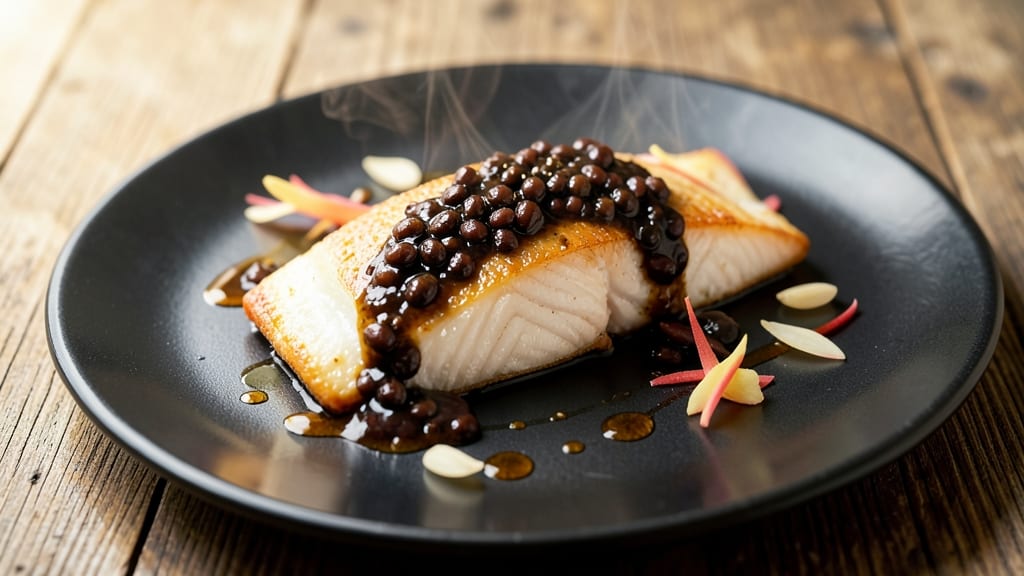
This steamed fish fillet with black bean sauce recipe promises a harmonious blend of tender fish and bold, savory sauce, making it the ideal centerpiece for effortless weeknight meals.
The secret lies in gentle steaming that preserves the fillet's natural moisture while the black bean sauce—simmered with garlic, ginger, and fermented black beans—adds layers of umami complexity.
I developed this recipe after years of experimenting with Asian-inspired dishes, and it consistently receives rave reviews for its restaurant-quality results at home.
The beauty of this dish is in its simplicity: just five key ingredients transform into a meal that feels both elegant and approachable. Steaming the fish takes only 10 minutes, while the sauce requires about 15 minutes of simmering—both processes can overlap for efficiency.
The black bean sauce, with its deep, earthy notes, complements the silky texture of the fish beautifully, creating a harmonious blend of flavors that's both comforting and sophisticated.
What you'll achieve is perfectly cooked fish with a tender, flaky texture that melts in your mouth, paired with a glossy black bean sauce that's rich yet balanced. The sauce's subtle heat and fermented aroma make every bite memorable, while the fish remains light and delicate.
This dish is ideal for special occasions or casual family dinners, as it's impressive yet simple to prepare.
Serve with steamed jasmine rice or a simple green salad to complete the meal. The optional garnish of scallions and sesame seeds adds freshness and visual appeal, making it perfect for presentation. Let's get started on creating this flavorful dish that brings a touch of authenticity to your table.
Ingredients for steamed fish fillet with black bean sauce
Five core ingredients and a few pantry staples—this dish delivers restaurant-quality harmony.
| Ingredient | Amount | Notes |
|---|---|---|
| White Fish Fillets 🐟 | 1 ½ lb | Firm white fish like cod or halibut |
| Fermented Black Beans 🫘 | ½ cup | Asian-style, rinsed well |
| Garlic Cloves 🧄 | 4 cloves | Minced, fresh preferred |
| Fresh Ginger 🌿 | 1 ½ tbsp | Finely grated, peeled |
| Light Soy Sauce 🍶 | ¼ cup | Low-sodium preferred |
| Sesame Oil 🫒 | 1 tbsp | Toasted, for aroma |
| Scallions 🧅 | 3 whole | Thinly sliced, for garnish |
| Toasted Sesame Seeds 🌾 | 1 tbsp | For garnish, optional |
| Steamed Jasmine Rice 🍚 | 1 ½ cups | Cooked, for serving |
| Water 💧 | 2 cups | For steaming fish |
| Diamond Crystal Kosher Salt 🧂 | 1 tsp | Fine grain preferred |
| White Pepper 🌶️ | ¼ tsp | Freshly ground |
| Honey 🍯 | 1 tsp | Light, for sauce balance |
The fish is everything here. Look for fresh, wild-caught fillets—cod or halibut work best. If using frozen, thaw overnight in the fridge, wrapped in a paper towel to absorb moisture. Whole Foods or local fish markets carry the best quality, but even the supermarket freezer section has decent options if you're in a pinch. Avoid anything with a strong fishy odor. The black beans? Asian markets have the best fermented varieties—they're saltier and funkier than canned black beans, which is exactly what we want. If you can't find them, soaked and rinsed canned black beans will work, though the flavor won't be as deep.
No fermented black beans? Miso paste or black bean paste from the Asian aisle can substitute, though the texture will differ slightly. Fresh ginger is non-negotiable here—dried loses its punch. Trader Joe's sells pre-peeled, grated ginger that saves time. Short on scallions? Green onions or chives work in a pinch, though scallions have that perfect mild bite. The sesame oil adds aroma, but if you're sensitive to strong flavors, reduce to 0.5 tbsp and add 0.5 tbsp neutral oil. For the sauce, balance is key—start with the honey, taste, then adjust with soy sauce or a pinch of sugar if needed. The sauce should be glossy but not overly sweet.
Steamed fish reheats beautifully—just warm through in a covered pan with a splash of water. The sauce keeps for 5 days in the fridge, though it tastes best fresh. Portion the rice and sauce separately to reheat easily. For a shortcut, make the sauce ahead and store it in a jar—it'll keep for 1 week. Garnish just before serving so the sesame seeds stay toasty. This dish is perfect for meal prep: assemble everything the night before, steam the fish in the morning, and serve cold or reheated. The flavors actually improve after sitting overnight, as the fish absorbs the sauce.
Why You'll Love This Recipe
- Steam-and-Go Magic: I swear by this method—just toss the fish on a rack, pour the sauce below, and let the steamer do the work. No flipping, no frying, no stress. The fish stays tender while the sauce simmers into a glossy, umami bomb.
- Umami Bomb: That fermented black bean paste? It’s where the magic happens—deep, funky, and just sweet enough to balance the garlic’s punch. The ginger adds a little heat, but it’s the soy sauce that ties it all together into something dangerously addictive.
- Lunchbox Hero: Between us, this is my go-to for packed lunches. The fish reheats beautifully, and the sauce clings perfectly to rice or noodles. Honestly, it’s the only meal I’ll eat cold without complaint—even my picky teenager approves.
- Budget Win: White fish is affordable, and a little fermented black bean paste goes a long way. I buy it in bulk, and a single jar lasts me months. Plus, leftovers? They’re even better the next day—crispier edges, richer sauce, zero waste.
Step-by-step instructions for steamed fish fillet with black bean sauce
Here's how to transform delicate fish into restaurant-worthy perfection with a velvety black bean sauce.
Prepare the Fish and Steaming Setup
Pat the 1.5 lb white fish fillets dry with paper towels—this ensures maximum crispness when steamed. Arrange them on a heatproof plate or steamer rack, leaving space between each fillet for even cooking. Place the plate inside a steamer basket or directly in a deep skillet with a rack.
Bring 2 cups water to a boil in a separate pot. The water should be at a rolling boil before you begin steaming—this creates the right amount of moisture without overcooking the fish. Once boiling, reduce heat to medium and maintain a gentle simmer. Here's the thing—you want to see small bubbles constantly rising, but not a violent boil that would steam the fish too quickly.
Create the Black Bean Sauce Base
While the water heats, combine the 0.5 cup fermented black beans, 4 cloves minced garlic, and 1.5 tbsp finely grated fresh ginger in a small saucepan. Add 0.25 cup light soy sauce and 1 tsp honey, then stir to blend. Place the pan over medium-low heat and cook for 5-6 minutes, stirring frequently, until the mixture thickens slightly and the raw garlic aroma gives way to a rich, fermented depth.
This is where the magic happens—the fermented black beans break down into a silky sauce. If the mixture looks too thick, add 1-2 tablespoons of water to loosen it. You're aiming for a consistency that coats the back of a spoon but still flows freely enough to glaze the fish beautifully. Taste and adjust seasoning with 0.25 tsp white pepper—this adds subtle heat without overpowering the delicate fish flavors.
Steam the Fish to Perfect Tenderness
Place the steamer basket with fish over the boiling water. Cover tightly with a lid and steam for 8-10 minutes. You'll know it's done when the fish flakes easily with a fork and the edges turn opaque. Here's what I do—after 7 minutes, I gently lift the lid to check for steam. If it's clear and the fish looks just about ready, I cover again for the final minute to finish cooking.
Don't overcook—white fish becomes rubbery quickly. The moment it reaches 145°F internally and pulls apart cleanly is your target. Remove the fish and set aside on a warm plate, tented loosely with foil to keep it warm while you finish the sauce.
Finish the Sauce and Assemble
Return the black bean mixture to medium heat and stir in 1 tbsp sesame oil. Let it simmer for 2-3 minutes until fragrant—you should smell that nutty, toasty aroma from the sesame oil. Remove from heat and stir in 1 tbsp toasted sesame seeds and 3 whole scallions, sliced thinly. The sauce should now have visible texture from the seeds and scallions.
Serve the fish immediately over 1.5 cups steamed jasmine rice, spooning the black bean sauce generously over the top. The contrast of silky fish against the earthy, slightly tangy sauce creates an unforgettable balance. Garnish with additional scallions if desired, but don't skip the sesame seeds—they add that final crunchy dimension that ties everything together.
Pro Tips For Making Steamed Fish Fillet With Black Bean Sauce
- Prep Black Beans Right: Rinse them twice—the first time to remove debris, the second to cut through the funk. I used to skip this and wondered why my sauce tasted harsh. Soak for 10 minutes if they’re extra salty, then drain well before cooking.
- Steam Fish Over Water: Use a heatproof plate floating above simmering water—not direct steam. If your fish fillets sit too low, they’ll boil instead of steam, turning rubbery. A bamboo steamer works, but a metal rack over a pot does the job just fine.
- Salt Fish Before Steaming: Sprinkle fillets with salt 10 minutes before steaming and let them sit uncovered. This seasons deeper than sprinkling after, and the surface stays intact. Trust me, your sauce will cling better too.
- Toast Garlic Ginger First: Sauté minced garlic and ginger in oil until just golden—about 30 seconds—before adding black beans. This builds flavor fast and prevents the sauce from tasting raw. Skip this, and your dish will feel flat.
Regional styles of this steamed fish fillet with black bean sauce
Cantonese Steamed Fish
The most iconic regional take on this dish comes from Cantonese cuisine, where it’s traditionally served during Lunar New Year as a symbol of prosperity.
Here, the fish is steamed with lightly scented rice wine (I use Shaoxing wine) and white pepper, then topped with a lighter black bean sauce—just 0.25 cup fermented beans—to complement the delicate fish. The sauce is finished with a splash of rice vinegar for brightness. 🥢
Sichuan Spicy Twist
In Sichuan province, chefs amp up the heat with chili bean sauce instead of fermented black beans. Swap the black beans for 1 tbsp Sichuan chili bean paste (like Lao Gan Ma) and add 1 tsp doubanjiang to the sauce.
The result? A spicy, numbing sauce that plays beautifully with the fish’s natural sweetness. Serve with pickled mustard greens on the side to balance the heat.
Japanese Miso-Glaze Adaptation
For a Japanese-inspired version, replace the black bean sauce with a miso glaze—mix 2 tbsp white miso paste with 1 tbsp mirin and 1 tsp sake. Steam the fish as usual, then drizzle the miso glaze over the top and broil for 2-3 minutes to caramelize.
Garnish with toasted sesame seeds and thinly sliced scallions for a fusion twist that’s both familiar and exciting. 🍶
Thai Coconut-Curry Fusion
In Thai cuisine, this dish often incorporates coconut milk into the sauce. Simmer 0.5 cup fermented black beans with 0.25 cup light coconut milk, 1 tbsp red curry paste, and 1 tsp palm sugar for a creamy, aromatic sauce.
Steam the fish as directed, then spoon the sauce over the top. Serve with jasmine rice and steamed bok choy for a full Thai-inspired meal.
Korean Fermented Bean Paste
For a Korean adaptation, use doenjang (fermented soybean paste) instead of black beans. Mix 2 tbsp doenjang with 1 tbsp gochujang (Korean chili paste) and 1 tsp honey for a rich, umami-packed sauce.
Steam the fish with sesame oil instead of the traditional black bean sauce, then drizzle the doenjang mixture over the top. Garnish with sesame seeds and thinly sliced green onions for a bold, savory finish. 🌶️
Vietnamese Turmeric-Infused
In Vietnam, this dish often features turmeric for color and warmth. Add 0.5 tsp ground turmeric to the black bean sauce along with 1 tsp fish sauce and 1 tsp lime juice for brightness.
Steam the fish as usual, then drizzle the turmeric-infused sauce over the top. Serve with steamed rice and pickled vegetables for a fragrant, aromatic meal that’s true to Vietnamese flavors.
Nutrition facts
Frequently asked questions
What type of fish works best for this recipe?
Firm white fish like cod, halibut, or snapper steams beautifully with a delicate texture. Avoid flaky fish like tilapia—they can fall apart too easily. The key is a fillet that holds its shape but remains tender, like 1.5 lb cod, which is ideal for this dish.
Can I make the black bean sauce ahead of time?
The sauce actually tastes better when made a day in advance. Store it in an airtight container in the fridge for up to 5 days. Reheat gently before serving to restore its glossy texture. The flavors deepen as the fermented black beans mellow over time.
Why does my fish turn out rubbery?
Overcooking is the most common mistake. White fish should steam for just 8-10 minutes—no longer! Use a meat thermometer to check for 145°F internal temperature. Also, ensure your steamer has enough water (not boiling vigorously) to create gentle, even steam.
What if I can't find fermented black beans?
No problem! Substitute with 2 tbsp miso paste or 1 tbsp black bean paste from the Asian aisle. For a quick fix, blend 0.5 cup canned black beans with 1 tbsp soy sauce and 1 tsp honey—though the flavor won't be as complex. The sauce will still work, just with slightly less depth.
How do I prevent the fish from sticking to the plate?
Always pat the fillets completely dry with paper towels before steaming. Place them on a well-oiled plate or use parchment paper underneath. For extra insurance, lightly brush the fish with 1 tsp neutral oil before steaming—this creates a barrier that keeps them from clinging.