
Sauces & Condiments
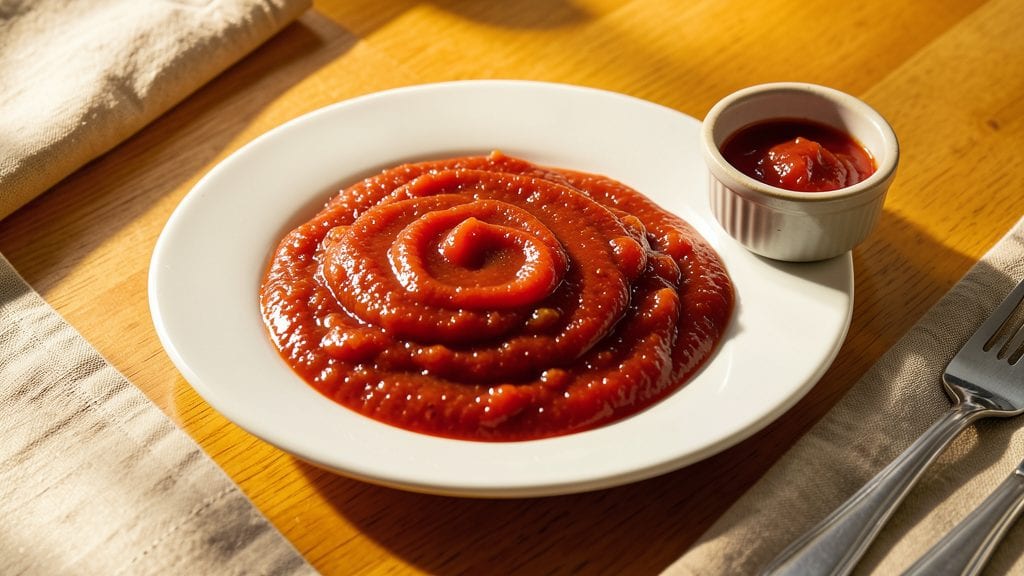
This Emeril-style tomato sauce delivers the bold Cajun flavors that make every dish unforgettable—whether you're tossing it with pasta, slathering it on pizza, or using it as a dip. The key lies in slow-simmered tomatoes, aromatic vegetables, and a perfect balance of spices that build depth over time.
I've perfected this recipe to capture Emeril's signature heat and richness without requiring advanced techniques.
The foundation starts with a classic holy trinity—onions, celery, and garlic—sautéed until sweet and translucent, then layered with crushed tomatoes, garlic, and a blend of herbs like basil and oregano.
A touch of red pepper flakes adds that signature Cajun kick, while a bay leaf and a pinch of sugar round out the flavors. The sauce simmers for at least 45 minutes, allowing the flavors to meld into a velvety, complex base.
What you'll end up with is a rich, aromatic sauce that's versatile enough for any dish—bold enough to stand alone as a dip, yet balanced enough to complement pasta, meats, or even grilled vegetables.
The texture is smooth but not thin, with just the right body to cling to everything it touches. This isn't just a sauce; it's a flavor amplifier that turns ordinary meals into something extraordinary.
Use it immediately for freshness or store it in the fridge for up to 5 days, or freeze it for months. It's the kind of sauce that belongs in your pantry year-round, ready to elevate any dish with a single spoonful. Let's get cooking—your taste buds will thank you.
Ingredients for emeril tomato sauce
Eleven simple ingredients pack the bold Cajun flavors Emeril makes legendary.
| Ingredient | Amount | Notes |
|---|---|---|
| Extra-Virgin Olive Oil 🫒 | ½ cup | High quality, fruity preferred |
| Yellow Onion 🧅 | 1 whole | Medium size, diced small |
| Celery Stalk 🥬 | 3 whole | Trimmed, diced small |
| Garlic Cloves 🧄 | 4 cloves | Peeled, minced fine |
| Canned Crushed Tomatoes 🍅 | 28 oz | San Marzano preferred |
| Fresh Basil Leaves 🌿 | ½ cup | Packed, chopped fine |
| Dried Oregano 🍃 | 1 tbsp | Mexican preferred |
| Red Pepper Flakes 🌶️ | 1 tsp | Adjust for heat preference |
| Bay Leaf 🌿 | 1 whole | Fresh preferred |
| Granulated Sugar 🍚 | 1 tsp | Balances acidity |
| Salt 🧂 | 1 tsp | Kosher or sea salt |
| Black Pepper 🌶️ | ½ tsp | Freshly ground preferred |
The San Marzano tomatoes are non-negotiable here—they're sweeter and less acidic, giving you that rich, velvety base Emeril's known for. Grab a 28-oz can from the Italian section at Whole Foods or Trader Joe's if you can. For the holy trinity, yellow onions and celery should be diced small—think rice grain size. Fresh basil is ideal, but dried oregano adds that earthy depth. If you're feeling fancy, Penzeys has the best dried herbs, but the regular grocery store stuff works fine too. The red pepper flakes? Get the crushed kind—it disperses better and gives you that signature Cajun heat without clumping.
No San Marzano? Any good-quality crushed tomatoes will work, but you might need an extra pinch of sugar to balance the acidity. Fresh basil wilt fast, so dried oregano at half the amount is a solid swap. Running low on red pepper flakes? Cayenne pepper at one-third the amount gets you close. The bay leaf can be dried, but fresh is better—just remove it before blending if you want a smoother sauce. For extra richness, stir in 1 tbsp tomato paste at the end. And if you're making a big batch, double the garlic—you can't have too much in this sauce.
This sauce tastes even better the next day as the flavors meld. Store in an airtight container in the fridge for up to 5 days, or freeze for up to 6 months. I like to portion it into ice cube trays for easy single-use servings—just pop one out and toss it into whatever you're cooking. The sauce thickens as it cools, so add a splash of water or broth if it's too thick when reheating. And trust me, leftovers are rare—this stuff disappears fast.
Why You'll Love This Recipe
- One-Pot Magic: I swear by this sauce because it’s literally just one pan. Sauté the onion, celery, and garlic in olive oil until soft—no chopping like a pro, just rough dice—and the crushed tomatoes take over. By the time the garlic’s golden, you’re halfway done.
- Garlic Bomb: That moment when the garlic hits? Chef’s kiss. Emeril’s trick of toasting it until it’s just shy of nutty—then crushing it into the tomatoes—adds this deep, almost sweet punch. Honestly, the first time I made it, I thought, “Why haven’t I done this every week?”
- Pasta Party Starter: This sauce is my secret weapon for lazy Sundays or last-minute company. Toss it with spaghetti for dinner, freeze half for next month, and still have enough to drizzle over grilled cheese the next day. Between us, I’ve used it in everything from lasagna to stuffed peppers—it’s that good.
- Budget Hero: A can of tomatoes, a head of garlic, and a handful of celery? That’s it. No fancy ingredients, no markup, just pure flavor that stretches across meals. I make a big batch on Sundays, and by Wednesday, I’m still eating it—sometimes straight from the jar, no shame.
Step-by-step instructions for Emeril's tomato sauce
Here's how to build a rich, spicy tomato sauce that's perfect for pasta, pizza, or dipping.
Sauté the Vegetable Base
Heat the 0.5 cup extra-virgin olive oil in a large Dutch oven over medium heat. Add the 1 whole diced yellow onion and 3 whole diced celery stalks, stirring occasionally for 5-7 minutes until softened and translucent. You'll notice the onions release their natural moisture, which will evaporate as they cook.
Push the vegetables to one side of the pot and add the 4 cloves minced garlic. Stir for 30 seconds until fragrant—don't let it brown, or it'll turn bitter. Here's the thing: the garlic should smell like fresh summer, not burnt toast. If it starts darkening too quickly, reduce the heat slightly and give it another 10 seconds to mellow out.
Add Spices and Tomatoes
Return the vegetables to an even distribution in the pot. Stir in the 1 tablespoon dried oregano, 1 teaspoon red pepper flakes, 1 whole bay leaf, 1 teaspoon granulated sugar, 1 teaspoon salt, and 0.5 teaspoon black pepper. Let these spices toast in the oil for 1 minute, stirring constantly to prevent burning.
Pour in the 28 ounces canned crushed tomatoes and bring the mixture to a gentle simmer. The sauce should bubble softly—you're not looking for a rolling boil here. Stir occasionally for 15 minutes to allow the flavors to meld. If the sauce looks too thick, add 2 tablespoons water to help it along. This is where the magic happens: the acidity in the tomatoes balances the sweetness of the sugar and the heat from the spices.
Simmer and Thicken
Reduce the heat to low and let the sauce simmer uncovered for 20-25 minutes. You'll see the sauce gradually thicken as the moisture evaporates. Stir occasionally, especially if it starts to stick to the bottom—this is normal, and scraping up those browned bits adds depth of flavor. The sauce is ready when it coats the back of a spoon smoothly.
Taste the sauce and adjust the seasoning if needed. You might need a little more salt or sugar to balance the acidity, or perhaps a pinch more red pepper flakes for extra kick. Remember, you can always add more spice, but you can't take it out once it's in. This is the moment that matters: the sauce should be vibrant, slightly sweet, and packed with Cajun warmth.
Finish with Fresh Basil
Remove the whole bay leaf and discard it. Stir in the 0.5 cup chopped fresh basil leaves and simmer for another 2 minutes. The basil will brighten the sauce with its fresh, herbal notes. Here's where it gets fun: the basil should be fully incorporated but still visible as little green flecks throughout the sauce.
Taste again and make any final adjustments. If the sauce is too thick for your liking, thin it with a splash of water or pasta water. If it's too thin, simmer it uncovered for another 5 minutes to reduce it. Serve warm over pasta, drizzle it on pizza, or use it as a dip for crusty bread. This sauce is versatile, so don't be afraid to get creative with it!
Pro Tips For Making Emeril Tomato Sauce
- Sweat, Don’t Burn: The onion and celery need to soften, not char—aim for a deep golden color, not smoke. After 8-10 minutes on medium heat, if the pan’s getting too dark, lower the flame and cover with a lid for 2 minutes. I learned this the hard way after tossing out a batch that tasted bitter from overcooked veggies.
- Salt the Tomatoes: Drain the crushed tomatoes but don’t rinse them—just give them a good stir and add 1-2 teaspoons of salt right away. This draws out excess water and balances the acidity before simmering. (Yes, even if the can says "low-sodium"—trust me, it needs it.)
- Crush the Garlic: Skip the mincer—smash the cloves with the flat side of your knife first, then finely chop. This releases more flavor without burning, and the sauce won’t taste like raw garlic. Pro move: Let the chopped garlic sit in the oil for 1-2 minutes before adding tomatoes—it’ll mellow into the sauce instead of overpowering it.
- Simmer Slow and Low: After adding the tomatoes, reduce heat to a gentle bubble (just tiny rises here and there) and let it cook uncovered for 45-60 minutes. Skipping this step = thin, watery sauce. If it’s too thick, add a splash of water or broth—but never rush the simmer. Patience here makes all the difference.
Creative variations of this emeril tomato sauce
Cajun Shrimp Sauce
Transform this classic sauce into a Cajun shrimp sauce by adding 12 ounces peeled and deveined shrimp during the final 5 minutes of simmering. Deglaze the pot with 2 tablespoons Cajun seasoning (like Tony Chachere's) mixed with 1 tablespoon butter after removing the bay leaf.
The shrimp will absorb the rich, spicy flavors beautifully, turning this into a perfect dip for garlic bread or a quick pasta sauce. 🌶️
White Pizza Sauce
For a white pizza sauce twist, replace the crushed tomatoes with ½ cup heavy cream and ½ cup ricotta cheese, blending them together until smooth. Add the same aromatic vegetables and spices, then simmer for 20 minutes instead of 45.
This creamy, herby sauce pairs perfectly with mozzarella, prosciutto, and arugula on a crispy crust. The result is a luxurious, Italian-inspired sauce with a velvety texture.
Roasted Garlic Variation
Boost the depth with roasted garlic—replace the minced garlic with 4 cloves roasted garlic (roast whole garlic cloves at 400°F for 30 minutes, then squeeze out the pulp). The roasted garlic adds a sweet, mellow flavor that complements the Cajun spices beautifully.
This version works exceptionally well as a dipping sauce for grilled meats or as a topping for bruschetta. The extra effort is worth it for the rich, caramelized notes!
Smoky Chipotle Twist
Infuse the sauce with smoky heat by adding 1 teaspoon adobo sauce (from canned chipotle peppers) along with the red pepper flakes. Simmer the sauce for an extra 10 minutes to let the smoky flavors meld.
This variation is perfect for tacos, enchiladas, or as a marinade for grilled chicken. The chipotle adds a deep, earthy complexity that pairs wonderfully with the Cajun spices. 🔥
Herb-Infused Olive Oil Base
For a lighter, oil-based sauce, reduce the tomatoes to 14 ounces and stir in ¼ cup fresh herbs (like thyme, rosemary, and parsley) along with the basil. Replace half the olive oil with infused olive oil (like garlic or chili-infused).
This version is ideal for drizzling over grilled vegetables, seafood, or as a finishing sauce for soups. The herbs brighten the sauce while keeping it light and fresh.
Slow-Cooker Adaptation
Make a hands-off version by combining all ingredients in a slow cooker on low for 6-8 hours. This method deepens the flavors even more, making it perfect for meal prep. The sauce will thicken naturally, so add a splash of water if needed.
This slow-cooked version is ideal for batch cooking—freeze portions for future use. The long simmer creates a richer, more complex sauce that’s perfect for weeknight dinners. ⏳
Nutrition facts
Frequently asked questions
Can I make this sauce without fresh basil?
If you're short on fresh basil, use 1 tablespoon dried basil or ½ teaspoon dried basil leaves instead. For extra depth, add ½ teaspoon dried thyme alongside the oregano. The sauce will still have great flavor—just slightly less bright.
How do I adjust the heat level?
Start with the 1 teaspoon red pepper flakes as written, then taste and adjust. For more heat, add ¼ teaspoon cayenne pepper or ½ teaspoon crushed cayenne peppers. If you prefer mild, reduce the red pepper flakes to ½ teaspoon or omit entirely. Remember, you can always add more spice later!
Can I use this sauce as a marinade?
Yes! Use this sauce as a marinade for chicken, shrimp, or pork by thinning it with ¼ cup olive oil and 1 tablespoon lemon juice. Marinate for 2-4 hours (or overnight for deeper flavor). The Cajun spices will infuse beautifully into the protein. Just reduce the simmering time to 15 minutes before using as a marinade.
Why does my sauce taste too acidic?
If your sauce tastes too tangy, balance it with ½ teaspoon sugar or 1 teaspoon honey to counteract the acidity. For a richer flavor, add 1 tablespoon tomato paste and simmer for 5 more minutes. Using San Marzano tomatoes (less acidic) also helps prevent this issue.
How do I store leftovers?
Let the sauce cool completely, then transfer it to an airtight container. It keeps in the fridge for 5-7 days or freezes for up to 6 months. For easy portions, freeze in ice cube trays—just pop out what you need! Reheat gently on the stove or microwave, stirring occasionally to prevent scorching.