
Sauces & Condiments
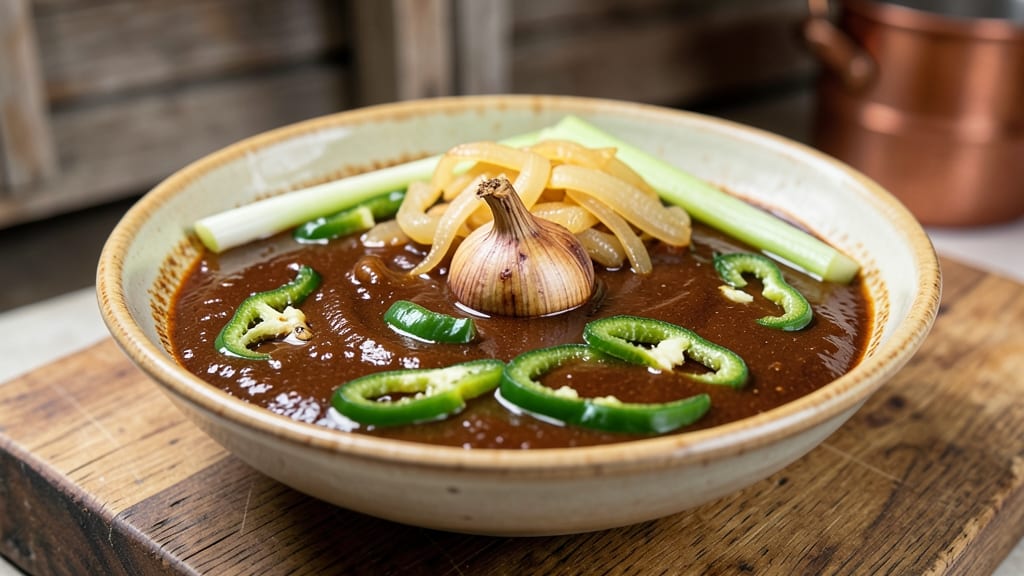
This Atchafalaya sauce recipe delivers the deep, smoky Cajun flavors that define Louisiana cuisine—rich, spicy, and full of character. The foundation is a classic dark roux, cooked until it reaches that perfect peanut butter color before adding the holy trinity of bell peppers, celery, and onions.
This isn’t just a sauce; it’s the backbone of stews, soups, and even dips that taste like a taste of the bayou.
The key to success lies in patience—letting the roux develop its signature depth while avoiding burning, which can turn bitter. Once the vegetables soften and the tomatoes mellow, the sauce simmers into a velvety, spice-infused liquid that clings to every bite.
Cajun seasoning, including cayenne and thyme, adds layers of heat and aroma, making this sauce impossible to resist.
What makes this recipe stand out is its versatility. Use it as a base for gumbo, drizzle it over grilled seafood, or serve it as a bold dip with crusty bread.
The flavors only deepen over time, so it’s perfect for making ahead and storing in the fridge for up to a week or freezing for months. This is the kind of sauce that transforms simple dishes into something extraordinary.
Ready to master the art of Cajun cooking? The process is straightforward, but the results are restaurant-quality—just follow the steps carefully, and you’ll have a sauce that brings the soul of Louisiana to your kitchen. Let’s get started.
Ingredients for atchafalaya sauce
The foundation of Cajun cooking starts with these 14 ingredients—simple yet transformative.
| Ingredient | Amount | Notes |
|---|---|---|
| All-Purpose Flour 🌾 | ½ cup | Unbleached for best color |
| Vegetable Oil 🫒 | ½ cup | Light neutral oil preferred |
| Yellow Onion 🧅 | 1 whole | Medium size, diced small |
| Green Bell Pepper 🌶️ | 1 whole | Medium size, diced small |
| Celery Stalks 🥬 | 2 whole | Trimmed, diced small |
| Garlic Cloves 🧄 | 3 cloves | Fresh, minced fine |
| Canned Tomato Sauce 🍅 | 1 cup | San Marzano preferred |
| Cajun Seasoning 🌶️ | 2 tbsp | Homemade or Tony Chachere's |
| Dried Thyme 🌿 | 1 tsp | Or 1 tbsp fresh thyme |
| Bay Leaves 🌿 | 2 whole | Fresh preferred |
| Cayenne Pepper 🔥 | ½ tsp | Adjust for heat preference |
| Salt 🧂 | 1 ½ tsp | Kosher or sea salt |
| Black Pepper 🌶️ | ½ tsp | Freshly ground preferred |
| Water 💧 | 1 cup | For thinning if needed |
The roux is everything here. Use a heavy-bottomed pot and keep the heat medium-low to avoid burning—you're aiming for that deep peanut butter color. Bob's Red Mill all-purpose flour works best for roux, but any unbleached flour will do. Vegetable oil gives the most neutral flavor, but you can use butter for extra richness (though it burns faster). The holy trinity—onion, bell pepper, and celery—should be finely diced to blend seamlessly into the sauce. Trader Joe's sells pre-diced frozen versions that save time without sacrificing flavor.
No Cajun seasoning on hand? Mix 1 tbsp paprika, 1 tsp garlic powder, 1 tsp onion powder, 1 tsp dried oregano, 1/2 tsp thyme, 1/2 tsp cayenne, and 1/2 tsp black pepper as a substitute. Fresh thyme is ideal, but dried works at one-third the amount. For the tomatoes, San Marzano cans are worth the splurge—they have the best texture and sweetness. If you burn your roux (we've all been there), don't toss it—start fresh, but keep the vegetables and spices you've already prepped. The sauce will still be delicious, just with a deeper, smokier character.
This sauce only gets better with time. Store in airtight glass jars in the fridge for up to 1 week, or freeze for 6 months. The flavors meld beautifully overnight, so make extra if you can. I like to portion it into small jars—perfect for freezing individual servings. When reheating, add a splash of water or broth to prevent thickening. The sauce thickens as it cools, so adjust with water if needed. Trust the process—patience is key to that authentic Louisiana depth.
Why You'll Love This Recipe
- Here’s what sold me: the slow-cooked roux transforms into a velvety, slightly smoky sauce with just a hint of sweetness from the bell pepper. It’s not subtle—it’s bold, like a hug from a Louisiana kitchen, and works best when you let it develop that deep, caramelized flavor.
- I’ll be real: I make a big batch and save half for later. That roux keeps beautifully, and reheating it just brings back that rich, comforting taste. Plus, it’s budget-friendly—one pot feeds the family now and next Tuesday when I’m too tired to cook.
Step-by-step instructions for Atchafalaya sauce
Master this Louisiana classic with a deep, smoky roux foundation and bold Cajun flavors.
Build the Dark Roux Foundation
Heat the 0.5 cup vegetable oil in a heavy-bottomed pot over medium-low heat. Add the 0.5 cup all-purpose flour all at once and stir constantly with a wooden spoon or whisk to prevent burning. The mixture will thicken and darken gradually—this is your roux.
Watch carefully as the color progresses from blonde to light brown (5-7 minutes), then to a deep chocolate brown (15-20 minutes). The roux should smell nutty and toasty, with no burnt bits. If it darkens too quickly, reduce heat immediately. A properly cooked roux is the soul of Atchafalaya sauce—don't rush this step.
Sauté the Holy Trinity Vegetables
Once the roux reaches a deep brown color, immediately add the diced yellow onion, green bell pepper, and celery stalks. Stir well to coat the vegetables in the roux and cook for 5-7 minutes over medium heat until softened and translucent. This combination is called the "holy trinity" in Cajun cooking—it forms the flavor base.
Add the 3 minced garlic cloves and cook for another 30 seconds until fragrant. Be careful not to let the garlic burn—it should add aroma, not bitterness. The vegetables should release their moisture and blend seamlessly with the roux, creating a rich, flavorful base for the sauce.
Develop the Sauce with Tomato and Seasonings
Pour in the 1 cup canned tomato sauce and stir to combine, scraping up any browned bits from the bottom of the pot. Add the 2 whole bay leaves, 1 tsp dried thyme, 0.5 tsp cayenne pepper, 1.5 tsp salt, and 0.5 tsp black pepper. Stir in the 2 tbsp Cajun seasoning and bring the mixture to a gentle simmer over medium heat.
Let the sauce simmer uncovered for 20-25 minutes, stirring occasionally. The sauce will thicken as it reduces, developing deep, complex flavors. You're looking for a consistency that coats the back of a spoon but still flows smoothly. If it thickens too much, add 1 cup water in small increments to reach your desired consistency.
Finish and Adjust Seasoning
Remove the bay leaves and taste the sauce. This is where you make final adjustments—add more Cajun seasoning for heat, salt for balance, or a splash of water if needed. The sauce should be rich, slightly smoky, and packed with Cajun heat. Let it cool slightly before serving to allow flavors to meld completely.
This sauce pairs perfectly with grilled meats, shrimp, or even as a dip for fries. The deep roux foundation gives it that signature Louisiana depth, while the Cajun seasoning brings the heat. Store any leftovers in an airtight container in the refrigerator for up to 5 days or freeze for 3 months.
Pro Tips For Making Atchafalaya Sauce
- COOK THE TRIO LOW: Start with a slow simmer—just 3-4 minutes—until the onion, bell pepper, and celery (that holy trinity) are soft but not mushy. Rush this, and you’ll end up with a watery roux instead of the deep, caramelized base atchafalaya needs. I learned this the hard way after burning a batch trying to speed it up.
- SWEEP THE POT: After the roux darkens to the color of peanut butter, immediately pour in the cold liquid (broth, water, or stock) while whisking like your life depends on it. This stops the cooking process dead in its tracks and prevents lumps. I used to ignore this, and my sauce always had weird flour clumps—now I treat it like a science experiment.
- SALT THE ROUX: Taste that roux before you add the wet ingredients—it should be way saltier than you’d ever eat it plain. The roux absorbs flavor differently than finished sauce, so don’t skimp. I was skeptical until I tried it; now I add a full teaspoon of salt to the roux itself, and the final sauce is perfectly balanced.
- CHOP THE CELERY SMALL: No, not "chopped," but minced—think rice-sized pieces. Big chunks mean uneven cooking and a sauce that tastes like it’s fighting itself. I used to cut it in half-length strips, and the texture was always off. Take the extra 30 seconds to get it fine, and your sauce will be smooth and cohesive.
Health benefits of these flavors
Cajun Heat Boost
This sauce packs a flavor punch thanks to its Cajun seasoning blend, which includes cayenne for heat and thyme for earthy depth. The 2 tbsp of Cajun seasoning provides a balanced kick—about 1,000-2,000 Scoville heat units depending on the brand.
For extra spice, add ½ tsp smoked paprika or 1 dash of hot sauce at the end. 🌶️
Rich Roux Nutrition
The dark roux foundation delivers healthy fats from vegetable oil, which supports brain function and nutrient absorption. While roux isn't low-calorie, it adds smooth texture that makes the sauce satisfying.
For a lighter version, reduce oil to ¼ cup and use whole wheat flour for added fiber. The sauce contains no added sugars, making it heartier than many store-bought alternatives.
Vegetable Powerhouse
The holy trinity—onion, bell pepper, and celery—provides vitamin C (immune support), fiber (digestive health), and antioxidants (cell protection). One serving contains about 30% of your daily vitamin K from the celery.
For extra nutrients, add ½ cup diced tomatoes or 1 zucchini to the simmering sauce. The bell pepper adds vitamin A for eye health and skin.
Tomato Benefits
The 1 cup tomato sauce contributes lycopene (a powerful antioxidant) and potassium (heart health). Cooking tomatoes with the roux actually boosts lycopene absorption by breaking down cell walls.
For maximum benefits, use San Marzano tomatoes—they contain 30% more lycopene than regular varieties. The sauce's acidity from tomatoes helps balance the richness of the roux.
Spice Advantages
Cayenne pepper in this sauce contains capsaicin, which may boost metabolism and reduce inflammation. The thyme adds antimicrobial properties while the bay leaves contribute eugenol, a compound that aids digestion.
Together, these spices create a thermogenic effect—meaning they may help your body burn calories more efficiently. Just be mindful of portion sizes if you're sensitive to heat.
Storage Safety
When stored properly in airtight glass jars, this sauce maintains its nutritional benefits for up to 5 days in the fridge or 3 months frozen. The low-acid nature of the sauce means it's safe to store at room temperature for up to 2 hours before refrigeration.
For reheating, use low heat to preserve nutrients and prevent burning the spices. The sauce's natural acidity from tomatoes helps inhibit bacterial growth during storage. 💪
Nutrition facts
Frequently asked questions
Why does my roux burn so easily?
Roux burns quickly when heat is too high or stirring isn't constant. Always use medium-low heat and stir vigorously with a wooden spoon—never walk away! A heavy-bottomed pot helps distribute heat evenly. If it darkens too fast, reduce heat immediately and add a splash of water to cool it down.
Can I substitute butter for vegetable oil in the roux?
Yes, but expect a richer, nuttier flavor with a shorter cooking window. Butter burns faster than oil, so keep heat at medium-low and stir constantly. For best results, use ½ cup butter (melted) instead of oil—just watch it like a hawk! The sauce will have deeper color but slightly different aroma.
How can I make this sauce less spicy?
Reduce the cayenne to ¼ tsp or omit it entirely. For milder heat, use ½ tsp smoked paprika instead of cayenne. If already made, stir in 1 tbsp sugar or 1 tbsp heavy cream to balance the spice. Remember—you can always add more heat later, but you can't take it out!
What's the best way to use leftover sauce?
This sauce is incredibly versatile! Use it as a base for gumbo, drizzle over grilled shrimp, or serve as a dip with crusty bread. For extra richness, stir in ½ cup chicken broth before using. It also makes a fantastic marinade for meats—just reduce it slightly first to avoid making everything too saucy.
Can I make this sauce without tomatoes?
For a tomato-free version, replace the tomato sauce with 1 cup chicken or vegetable broth and add ½ cup diced tomatoes (optional) for acidity. The sauce will have a lighter color but maintain all the Cajun flavor. For extra depth, add 1 tsp tomato paste to the roux before adding other ingredients.