
Sauces & Condiments
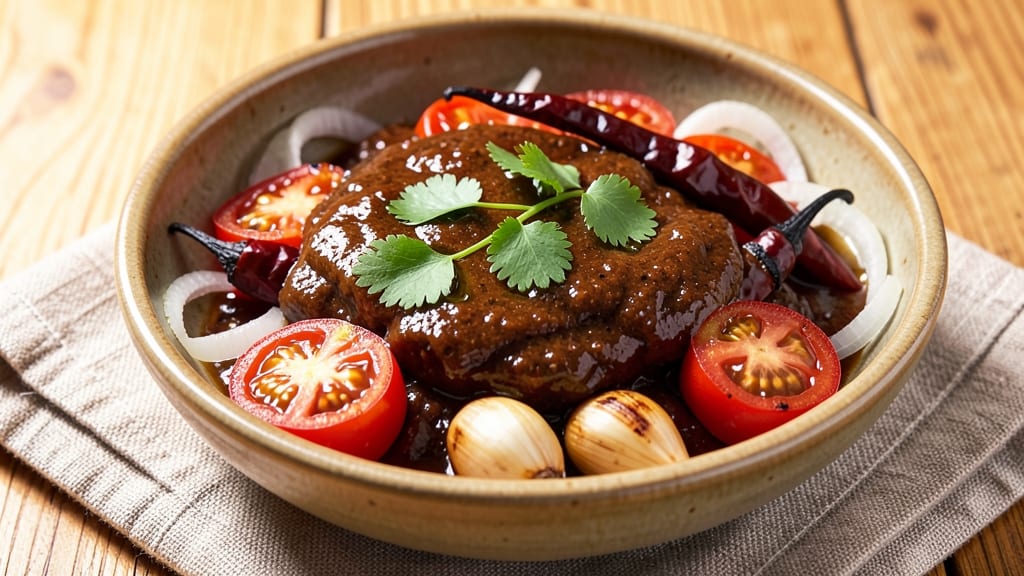
This el pato sauce recipe delivers the deep, smoky richness that transforms ordinary Latin dishes into something extraordinary. 🔥 I first discovered its magic while perfecting my grandmother's arroz con pollo, where its velvety texture and complex flavors elevated every bite.
The secret lies in slow-simmered tomatoes, chipotle peppers, and garlic that meld into a sauce so versatile it works in everything from rice dishes to pastelón.
What makes this sauce special is its balance of smoky heat and velvety smoothness, achieved through careful reduction and blending. Unlike store-bought versions, this homemade sauce develops layers of flavor that only come from fresh ingredients and proper technique.
The process is straightforward—simmer, blend, and reduce—but the results are restaurant-quality, with a texture that coats each ingredient perfectly.
By the time you're done, you'll have a sauce that's rich enough to stand alone but subtle enough to complement any dish. The smoky chipotle notes provide depth without overpowering, while the tomato base keeps it approachable.
This isn't just a sauce—it's the foundation for meals that taste like home, with that authentic Latin flavor you can't find anywhere else.
Perfect for meal prep or serving immediately, this sauce keeps beautifully in the refrigerator for up to a week or can be frozen for months.
Whether you're cooking arroz con pollo, pastelón, or simply using it as a dipping sauce, this el pato sauce will become a staple in your kitchen. Let's get started on creating it.
Ingredients for el pato sauce
Ten simple ingredients create the smoky, velvety sauce that makes every Latin dish unforgettable.
| Ingredient | Amount | Notes |
|---|---|---|
| Canned San Marzano Tomatoes 🍅 | 28 oz | Crushed by hand for texture |
| Chipotle Peppers in Adobo 🌶️ | 2 whole | Adjusted for heat preference |
| Garlic Cloves 🧄 | 6 cloves | Peeled, roughly chopped |
| Extra-Virgin Olive Oil 🫒 | ½ cup | For richness and blending |
| White Onion 🧅 | 1 whole | Medium, diced |
| Fresh Cilantro 🌿 | ¼ cup | Chopped, for freshness |
| Lime Juice 🍋 | 2 tbsp | Freshly squeezed |
| Salt 🧂 | 1 ½ tsp | Diamond Crystal preferred |
| Ground Black Pepper 🌶️ | ½ tsp | Freshly ground |
| Cumin Seeds 🌿 | ½ tsp | Toasted for depth |
The tomatoes are the heart of this sauce—San Marzano makes all the difference with its sweet, meaty texture. Trader Joe's or any Latin market will have them canned, but the store brand works too if that's all you've got. Chipotle peppers in adobo are a must for that authentic smoky heat, but if you can't find them, smoked paprika plus a pinch of cayenne gets you close. The garlic and onion? Fresh is non-negotiable—no powdered shortcuts here. Toast those cumin seeds in a dry pan for 30 seconds first—they'll add a whole new layer of warmth. I always grab extra cilantro because half goes in the sauce and half gets sprinkled on top at the end.
No chipotle peppers? Substitute 1 tbsp smoked paprika plus 1/4 tsp cayenne—it won't be identical, but it'll work in a pinch. Fresh cilantro wilt fast, so dried cilantro at half the amount is fine if you're prepping ahead. The lime juice is crucial for brightness—bottled lime juice works, but fresh is always better. Want more depth? Add 1/2 tsp ground cumin along with the seeds. The sauce thickens as it cools, so if it's too thick after blending, add 1-2 tbsp water to reach your desired consistency. No need to stress about exact measurements here—taste as you go.
This sauce tastes even better the next day once all the flavors meld. Store it in a glass jar in the fridge for up to 1 week—the flavors deepen over time. For longer storage, freeze in ice cube trays (perfect for single servings) or airtight containers for up to 3 months. The first batch always disappears fast, so I make double—one for immediate use, one to freeze. Trust me, you'll want this on hand for everything from tacos to rice bowls.
Why You'll Love This Recipe
- Pantry Magic: I swear by this sauce—no fresh herbs, no fancy prep. Just open a can of San Marzano tomatoes, chop one onion, and let the chipotle in adobo do all the heavy lifting. That’s it. Zero stress, all flavor.
- Smoky Depth Bomb: The moment you blend in those chipotle peppers, your kitchen smells like a Mexican street cart. The garlic and olive oil caramelize right into the tomatoes, giving you that perfect balance of heat, sweetness, and richness—no fancy techniques required.
- Double-Duty Sauce: This isn’t just for tacos. Drizzle it over grilled chicken, toss it with pasta, or slather it on toast with a fried egg. I’ve even used it as a marinade for steak—once you make a batch, you’ll find reasons to use it everywhere.
- Budget-Friendly Staple: A single can of tomatoes and a jar of chipotles stretch into weeks of meals. Honestly, I make this when I’m broke or lazy—same result. Plus, the leftovers taste even better the next day, so you’re basically getting free extra servings. Win.
Step-by-step instructions for el pato sauce
Here's how to build this smoky, velvety sauce from scratch - rich with chipotle heat and bright tomato notes.
🍳 Step 1: Toast the Cumin Seeds for Depth
Heat a dry skillet over medium heat and add the 0.5 tsp cumin seeds. Toast them for 30-45 seconds until they release their nutty aroma and begin to darken slightly. You'll smell it immediately - that's when you know they're ready. Remove from heat and let cool for 1 minute before grinding them lightly with a mortar and pestle or in a spice grinder.
This toasting step is what gives el pato sauce its complex, earthy foundation. Don't skip it - the raw seeds won't develop the same depth of flavor. Once ground, you'll have a fine powder that will blend seamlessly into your sauce base.
🔥 Step 2: Sauté Aromatics in Olive Oil
In a large, heavy-bottomed pot, heat the 0.5 cup extra-virgin olive oil over medium heat until shimmering but not smoking. Add the 1 whole white onion (diced) and cook for 5-6 minutes until softened and beginning to caramelize at the edges. Add the 6 cloves garlic cloves (roughly chopped) and the toasted cumin seeds, cooking for another 1-2 minutes until fragrant.
Here's where the sauce starts building its flavor profile. You want the onions to be tender but not browned - they'll continue cooking in the tomatoes. The garlic should be golden around the edges but not burnt. If you smell any burning, reduce the heat slightly and stir more gently.
🍅 Step 3: Build the Tomato-Chipotle Base
Pour in the 28 oz canned San Marzano tomatoes (crushed by hand) and the 2 whole chipotle peppers in adobo (minced, including some adobo sauce). Bring to a gentle simmer over medium-low heat, then reduce heat to low and let cook uncovered for 20-25 minutes, stirring occasionally. You're looking for the sauce to reduce by about one-third, developing a thick, glossy consistency.
The chipotle peppers will infuse their smoky heat into the tomatoes, while the acidity of the tomatoes helps balance the richness. Here's where patience pays off - don't rush this reduction. You'll know it's ready when the sauce coats the back of a spoon and has a velvety texture rather than a watery consistency.
🍋 Step 4: Finish with Bright Acid and Freshness
Remove the pot from heat and stir in the 1.5 tsp salt, 0.5 tsp ground black pepper, and 2 tbsp lime juice. Return to low heat and stir in the 0.25 cup fresh cilantro (chopped) until wilted and incorporated. Taste and adjust seasoning - you might need a touch more salt or lime to balance the flavors.
The lime juice is crucial here - it brightens the sauce and cuts through the richness. The cilantro adds freshness that balances the smoky chipotle. Let the sauce sit off heat for 5 minutes before serving to allow all the flavors to meld together. This sauce tastes even better the next day as the flavors continue to develop!
Pro Tips For Making El Pato Sauce
- Blister the Garlic: Cook the minced garlic in olive oil until it’s deep golden and slightly crispy—almost to the point of burning. I used to pull it out too soon, and the sauce lacked that nutty depth. Let it go for 2-3 minutes past when you think it’s done.
- Blend the Adobo Paste: Don’t just chop the chipotle peppers—blend the adobo sauce with them for a smoother, more balanced heat. The sauce adds moisture and a subtle smoky sweetness that chopped peppers alone miss.
- Sweat the Onion Low: Cook the diced onion over medium-low heat until it’s translucent and just starting to caramelize—about 8-10 minutes. Rushing this step makes the sauce taste flat and one-dimensional.
- Simmer, Don’t Boil: Reduce the sauce to a thick consistency by simmering gently, not boiling hard. If it splatters or reduces too fast, you’ll end up with a thin, watery mess instead of that rich, velvety texture. Keep it at a steady bubble, not a rolling boil.
Regional styles of these flavors
Argentinian Roots
El pato sauce originated in Argentina, where it became a staple in home kitchens for its ability to elevate simple dishes like asado (grilled meats) and empanadas. The name translates to "duck" sauce, though it contains no duck—its smoky depth comes from chipotle peppers and slow-cooked tomatoes.
I first encountered it at a Buenos Aires market stall, where vendors sold it by the jar alongside grilled meats. 🌶️
The sauce's versatility is key to its popularity—it works as a marinade, dipping sauce, or finishing touch. In Argentina, it's often served with provoleta (grilled provolone) or drizzled over milanesas (breaded cutlets).
The balance of smoky heat and bright acidity makes it a perfect bridge between rich meats and fresh vegetables.
Mexican Adaptations
While Argentine el pato sauce focuses on tomatoes and chipotle, Mexican versions often incorporate tomatillos and serrano peppers> for a tangier profile. In Oaxaca, it's called salsa de pato and sometimes includes hoja santa> (a fragrant herb) for an anise-like note.
I once made a batch with 1 cup tomatillos> blended with the tomatoes—it added a lovely citrusy brightness that cut through the richness.
Mexican cooks also tend to use more fresh cilantro> and lime juice> upfront, while Argentine versions often add these at the end. The texture becomes slightly chunkier, almost like a salsa cruda> meets a molcajete sauce.
Try adding ½ cup tomatillos> if you want that Mexican twist.
Caribbean Twist
In the Caribbean, el pato sauce gets a tropical makeover with ingredients like bell peppers> and scotch bonnet peppers> for heat. Puerto Rican versions might include sofrito> (a blend of peppers, onions, and herbs) for depth.
I experimented with adding 1 diced bell pepper> and ½ scotch bonnet> to the sauce—it gave it a vibrant, fruity edge that worked beautifully with grilled mojo-marinated chicken>.
For a true Caribbean touch, stir in 1 tbsp fresh thyme> or 1 bay leaf> during the reduction phase. The thyme adds an earthy aroma that pairs wonderfully with the smoky chipotle. This version works especially well with conch fritters> or jerk-spiced meats>.
Spanish Influence
Spanish settlers brought their own adaptations, creating a version with smoked paprika> and saffron> for a more Mediterranean flavor. In Andalusia, it's sometimes called salsa de pato española and includes roasted red peppers> for sweetness.
I made a batch with ½ tsp saffron threads> steeped in the tomatoes—it added a luxurious golden hue and subtle floral note that elevated the sauce to gourmet levels.
For a Spanish-inspired version, replace one chipotle pepper with 1 tbsp smoked paprika> and add ½ tsp saffron> (or 1 pinch turmeric> for color if saffron isn't available). This works beautifully with paella> or grilled lamb chops>.
Modern Fusion
Today, chefs are reimagining el pato sauce with global flavors. I've seen versions with Korean gochujang> for umami depth or Indian garam masala> for warmth.
One of my favorite fusions uses 1 tbsp gochujang> blended into the sauce—it adds a fermented richness that pairs perfectly with Korean-style bulgogi beef>.
For a fusion twist, try adding 1 tsp gochujang> or ½ tsp garam masala> during the reduction phase. These adaptations keep the sauce's core smoky-tomato character while introducing exciting new layers. The possibilities are endless—let your creativity guide you! 💡
Nutrition facts
Frequently asked questions
What's the secret to getting that authentic smoky flavor in el pato sauce?
The key is using chipotle peppers in adobo—they bring both the smoky heat and the tangy adobo sauce that balances the tomatoes. Toasting the cumin seeds first also adds depth. If you can't find chipotles, a mix of 1 tbsp smoked paprika + ¼ tsp cayenne works in a pinch, though it won't be identical.
Can I make this sauce without fresh cilantro?
Yes! Use ¼ cup dried cilantro instead, but add it at the very end (off heat) so it doesn't lose its flavor. For extra freshness, try ½ cup fresh parsley as a substitute—it gives a slightly different but still bright note. The sauce will still taste amazing, just with a different herbal profile.
How do I adjust the heat level in this sauce?
Start by removing the seeds and membranes from the chipotle peppers for milder heat. For extra spice, keep the seeds in or add ½ tsp cayenne pepper during the reduction. If you want to reduce heat later, stir in 1 extra tbsp lime juice—the acidity helps mellow the spiciness.
What's the best way to use leftover el pato sauce?
This sauce keeps beautifully in the fridge for up to 1 week or frozen for 3 months. Use it to drizzle over grilled meats, mix into rice dishes, or spread on tostadas. For extra richness, simmer it with ground beef or chorizo to make a hearty filling for tacos or empanadas.
Why does my sauce taste too acidic?
Too much lime juice or unripe tomatoes can make the sauce taste sharp. Balance it by adding ½ tsp sugar or 1 extra tbsp olive oil to mellow the acidity. Let it sit for 10 minutes before tasting again—the flavors will mellow as it cools. For future batches, reduce lime juice to 1 tbsp if you prefer a milder taste.