Sauces & Condiments
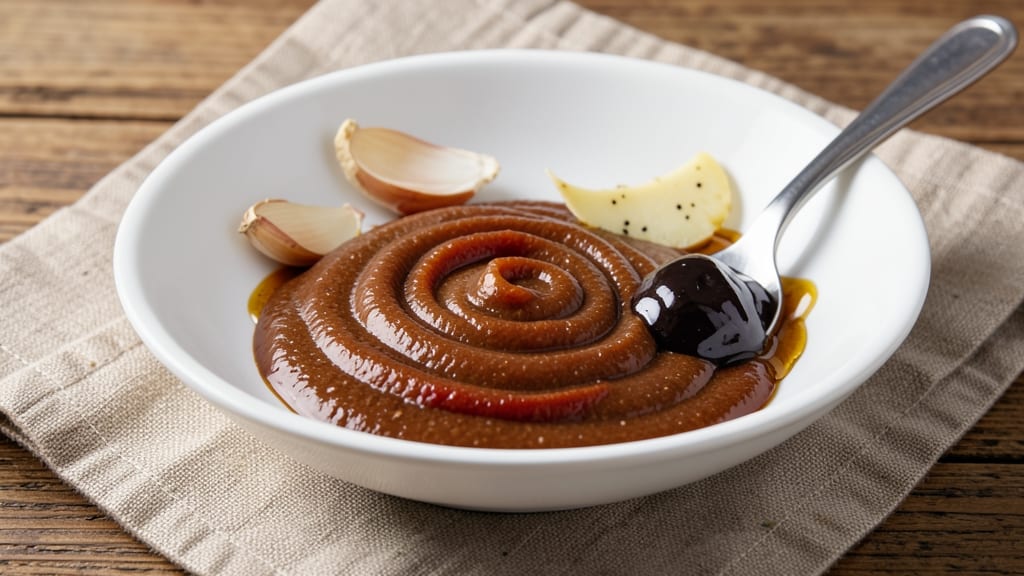
This Korean gochujang sauce recipe transforms bold fermented chili paste into a versatile condiment that bridges heat, umami, and depth. The magic lies in balancing gochujang’s spicy-sweet profile with fermented doenjang, garlic, and ginger—creating a sauce that elevates everything from stir-fries to marinades. I’ve perfected this version to deliver restaurant-quality flavor with minimal effort, using pantry staples and a simple technique that builds layers of complexity.
The foundation is gochujang’s signature fermented heat, but it’s the supporting players that make this sauce exceptional: a touch of soy-based doenjang for umami richness, honey or brown sugar to temper the spice, and a splash of rice vinegar for brightness.
What sets this apart is the slow simmer, which allows the flavors to meld without burning the delicate aromatics. The result? A sauce that’s equally at home glazing grilled meats, drizzled over noodles, or used as a marinade for tofu or chicken.
What you’ll end up with is a sauce that’s deeply savory, with a slow-building heat that lingers without overpowering. The texture is silky-smooth, perfect for drizzling, but it also clings beautifully to ingredients. This isn’t just a condiment—it’s a flavor multiplier that turns simple dishes into something extraordinary.
The best part? It keeps well in the fridge for up to 2 weeks, or you can freeze it for months, making it the ultimate pantry essential.
Whether you’re making bibimbap, stir-frying vegetables, or marinating proteins, this gochujang sauce delivers the perfect balance of heat, sweetness, and umami. It’s the kind of versatile condiment that belongs in every kitchen, ready to transform ordinary meals into something special. Let’s get started—your taste buds will thank you.
Ingredients for korean gochujang sauce
Pantry staples meet Korean fermented fire—this sauce transforms bold flavors into restaurant-quality depth.
| Ingredient | Amount | Notes |
|---|---|---|
| Gochujang Paste 🌶️ | ½ cup | Korean fermented chili paste (check for no added sugar) |
| Doenjang Paste 🥫 | ¼ cup | Fermented soybean paste for umami depth |
| Garlic Cloves 🧄 | 6 cloves | Freshly minced for aromatic punch |
| Fresh Ginger 🌿 | 1 tbsp | Finely grated, not powdered |
| Rice Vinegar 🍶 | 2 tbsp | Seasoned preferred for subtle sweetness |
| Honey 🍯 | 1 ½ tbsp | Wildflower or clover for floral notes |
| Soy Sauce 🥫 | 1 ½ tbsp | Light or dark, your preference |
| Sesame Oil 🌰 | 1 tbsp | Toasted for nutty aroma (add last) |
| Water 💧 | ½ cup | Room temperature for smooth blend |
| Diamond Crystal Kosher Salt 🧂 | ½ tsp | Adjusts final seasoning balance |
Gochujang is the heart of this sauce, so pick a brand with vibrant red color and no added sugar—Maesilchun or Haein are my go-tos. The doenjang adds umami magic, and you’ll find it in the Asian aisle near miso and soy paste. Fresh garlic and ginger are non-negotiable here—their raw aromatics build the sauce’s complexity. Trader Joe’s carries pre-minced garlic if you’re short on time, but freshly minced makes all the difference. For ginger, grab the chunky root and grate it yourself—powdered just won’t cut it. The rice vinegar should be seasoned (not rice wine vinegar) for that subtle sweetness that balances the heat.
No gochujang? Substitute 2 tbsp sriracha plus 1 tbsp tomato paste for heat, but you’ll lose the fermented depth. Doenjang hard to find? Miso paste at half the amount works in a pinch, though it’ll be less savory. Skip the honey? Brown sugar or maple syrup are perfect swaps—just reduce the water slightly since they’re thicker. Sesame oil giving you pause? Toasted sesame seeds blended with 1 tsp oil gives a similar nutty punch. The water is key for blending—use room temp so the sauce doesn’t seize up when you mix it. And if you’re watching sugar, reduce the honey to 1 tbsp and add 1 tsp more rice vinegar for brightness.
This sauce gets better with time—let it sit for at least 30 minutes before using so flavors meld completely. Store in an airtight jar in the fridge for up to 2 weeks, or freeze for 3 months (leave room at the top since it expands). I like to portion it into small jars for easy grab-and-go use—perfect for drizzling over bibimbap, marinating tofu, or tossing with noodles. The sauce thickens as it cools, so add a splash of water if it’s too stiff when reheating. Trust me, the first time you drizzle this over grilled chicken, you’ll be hooked.
Why You'll Love This Recipe
- Five-Ingredient Magic: I swear by this combo—gochujang’s deep umami, doenjang’s funky saltiness, and that bright rice vinegar cut. It’s the kind of sauce where you actually taste each ingredient, not just a muddled mess.
- Pantry to Plate: No chopping, no fuss—just a quick minced garlic and ginger (or buy pre-minced if you’re really lazy). Simmer it down, and boom: ready to drizzle on anything. My lazy Sundays thank me every time.
- Dinner Party Hack: This sauce works on weeknights and when I’m hosting. Toss it with tofu for a quick appetizer, slather it on grilled chicken, or even mix it into a marinade. Guests always ask for the recipe—no one suspects how little effort it took.
- Budget-Friendly Staple: A small jar of gochujang lasts me months, and doenjang’s cheap but packs serious flavor. I make big batches, store it in the fridge, and use it for everything—no wasted ingredients, just pure versatility. My wallet approves.
Step-by-step instructions for fermented chili sauce with umami depth
This vibrant Korean sauce delivers perfect balance—spicy, sweet, and deeply savory every time.
Bloom the Aromatics in Warm Oil
In a medium saucepan over medium-low heat, add the 1 tablespoon toasted sesame oil and let it warm until shimmering but not smoking. Add the 6 cloves minced garlic cloves and 1 tablespoon finely grated fresh ginger, stirring constantly for 1-2 minutes until fragrant and just beginning to turn golden.
Here's the thing—don't rush this step. The garlic should transform from raw to nutty, and the ginger should release its bright, citrusy aroma. If it starts to brown too quickly, reduce the heat slightly. You want aromatic development, not burning.
Once fragrant, immediately remove the pan from heat and set aside. This prevents the garlic from turning bitter while we prepare the remaining ingredients. The residual heat will keep everything warm while you work.
Combine Wet Ingredients for Smooth Blending
In a separate bowl, whisk together the 0.5 cup room temperature water, 2 tablespoons rice vinegar, 1.5 tablespoons honey, and 1.5 tablespoons soy sauce until fully combined. The mixture should be smooth with no visible streaks of honey.
I always use this order—vinegar first to prevent the honey from seizing up, then soy sauce to balance the acidity. The honey should dissolve completely, creating a syrupy base that will carry all those bold flavors. If you notice any graininess, warm the mixture gently over low heat for 30 seconds to fully incorporate the honey.
Add the 0.5 teaspoon Diamond Crystal kosher salt now and stir until dissolved. This early seasoning ensures even distribution throughout the final sauce. Taste the mixture—it should be tangy, slightly sweet, and properly balanced before we add the pastes.
Build the Sauce with Fermented Pastes
Return the saucepan with the aromatic garlic-ginger mixture to medium heat and let it warm for 30 seconds to reactivate the flavors. Pour in the wet ingredient mixture and stir to combine, letting it simmer gently for 2 minutes until slightly reduced and fragrant.
Now comes the star moment: add the 0.5 cup gochujang paste and 0.25 cup doenjang paste simultaneously. Stir vigorously using a silicone spatula to ensure even distribution—these pastes are dense and need thorough incorporation. The sauce will darken dramatically as the pastes melt into the liquid.
Let the mixture simmer for 4-5 minutes over medium-low heat, stirring frequently, until it thickens slightly and coats the back of a spoon. You're looking for a glossy, velvety consistency that still flows smoothly. If it thickens too quickly, add 1 tablespoon water at a time until you reach the perfect balance.
Refine and Finish for Perfect Texture
Remove the sauce from heat and let it cool for 5 minutes. This resting period allows the flavors to meld completely and prevents the sauce from continuing to thicken as it cools. I know it's tempting to taste it immediately, but patience here makes all the difference.
Once cooled, taste and adjust the seasoning. You might need a touch more honey for sweetness, a splash of rice vinegar for acidity, or a pinch of salt to balance the flavors. The sauce should sing with all three elements—spicy heat from the gochujang, deep umami from the doenjang, and bright acidity from the vinegar.
For the final touch, drizzle in the remaining 1 tablespoon toasted sesame oil while stirring constantly. This adds that nutty aroma and rich mouthfeel that makes this sauce truly exceptional. The oil should be fully incorporated, creating a silky texture that clings beautifully to noodles, meats, or dipping vegetables.
Pro Tips For Making Korean Gochujang Sauce
- Bloom the Ginger First: Toss thinly sliced ginger into the pan before the garlic—it’ll soften faster and release its warmth without burning. I used to add it last, and the sauce always tasted raw; this step makes the difference between subtle depth and bitter overpowering.
- Low and Slow for Doenjang: Simmer the doenjang paste on low heat for at least 3 minutes after adding it—this lets its umami melt into the sauce instead of curdling. I learned this the hard way when I rushed it and ended up with a grainy mess.
- Toast Garlic in Batches: Split the garlic cloves and fry them in two rounds: first until pale gold, then pull them out and finish cooking the rest. This keeps the sauce from tasting bitter—overcrowding the pan steams the garlic instead of browning it.
- Acid Last, Then Taste: Stir in the rice vinegar after everything else is cooked, then let the sauce sit 2 minutes before tasting. Adding it too early can make the gochujang’s sweetness disappear, and you’ll miss how much more balanced it needs to be.
Perfect pairings for korean gochujang sauce
Dipping Sauces
This gochujang sauce transforms into an addictive dipping sauce when thinned slightly with 1-2 tablespoons water or chilled rice vinegar. Serve it warm with steamed dumplings, fried mandu, or crispy tofu for a restaurant-quality experience.
I like to add a sprinkle of toasted sesame seeds just before serving to give that extra crunch and nutty aroma. 🥟
Stir-Fry Base
Use 2-3 tablespoons of this sauce as the foundation for vibrant stir-fries. Toss it with bell peppers, carrots, and snap peas, then add protein like chicken or shrimp for a quick weeknight meal.
The sauce's natural stickiness helps everything cling together beautifully. For extra depth, deglaze the pan with 1 tablespoon mirin after cooking the aromatics.
Grilled Meat Glaze
Brush this sauce generously over pork belly, chicken thighs, or salmon during the last 5-8 minutes of grilling. The heat caramelizes the sugars, creating a glossy, slightly sticky crust that locks in moisture.
I recommend using a pastry brush for even distribution. For extra drama, finish with a sprinkle of flaky sea salt and fresh cilantro right off the grill.
Noodle Elevator
Toss 2 tablespoons of this sauce with cooked ramen, udon, or spaghetti for instant flavor transformation. The umami depth and subtle sweetness complement the noodles perfectly. For a cold noodle salad, chill the sauce slightly first to balance the heat.
Add thinly sliced scallions and crushed peanuts for texture contrast that takes it to the next level.
Bibimbap Sauce
This is my go-to sauce for homemade bibimbap. Mix 1 tablespoon of the gochujang sauce with 1 teaspoon toasted sesame oil and a pinch of black pepper for a lighter version.
Drizzle it over your rice bowl just before eating to keep the texture perfect. The sauce's complexity makes even simple bowls of rice feel like a gourmet experience.
Marinade Magic
Use this sauce as a marinade for tofu, chicken, or beef by thinning it with 1 tablespoon soy sauce and 1 teaspoon grated ginger. Marinate for 30 minutes to 2 hours for tender, flavorful results.
The sauce's fermented notes penetrate the meat beautifully, creating a crust that's both sticky and slightly spicy. I love using this marinade for grilled bulgogi-style beef with a crispy exterior.
Nutrition facts
Frequently asked questions
Can I make this gochujang sauce without doenjang?
Yes, but you'll lose some depth. Replace 0.25 cup doenjang with 0.25 cup miso paste for umami, or 1 tbsp soy sauce + 1 tbsp fermented black beans for a similar savory punch. The sauce will still be delicious but slightly less complex.
How spicy will this sauce be?
The heat level depends on your gochujang brand—most Korean pastes rate 3-4/10 on the spice scale. For milder heat, reduce gochujang to 0.375 cup and add 1 extra tbsp honey. If you love spice, keep it as written and add 1 tsp gochugaru (Korean chili flakes) at the end.
Can I use this sauce immediately or should I wait?
For best flavor, let it rest for 30 minutes to 1 hour before using. This allows the fermented flavors to meld and mellow slightly. If you're short on time, simmer for an extra 2 minutes to accelerate flavor development. The longer it sits, the more complex the taste becomes!
What's the best way to store leftover sauce?
Transfer to an airtight container and refrigerate for up to 2 weeks. For longer storage, freeze in ice cube trays (perfect for single-use portions) or small jars with 1-inch headspace—it expands when frozen. Thaw overnight in the fridge before using. The sauce actually improves with time!
How can I adjust the texture if it's too thick?
If your sauce thickens too much, thin it with 1 tsp water at a time while stirring constantly. For a glossier finish, add 1 tsp toasted sesame oil—it enhances texture while keeping flavors balanced. The sauce will naturally thicken as it cools, so adjust right before serving.