
Sauces & Condiments
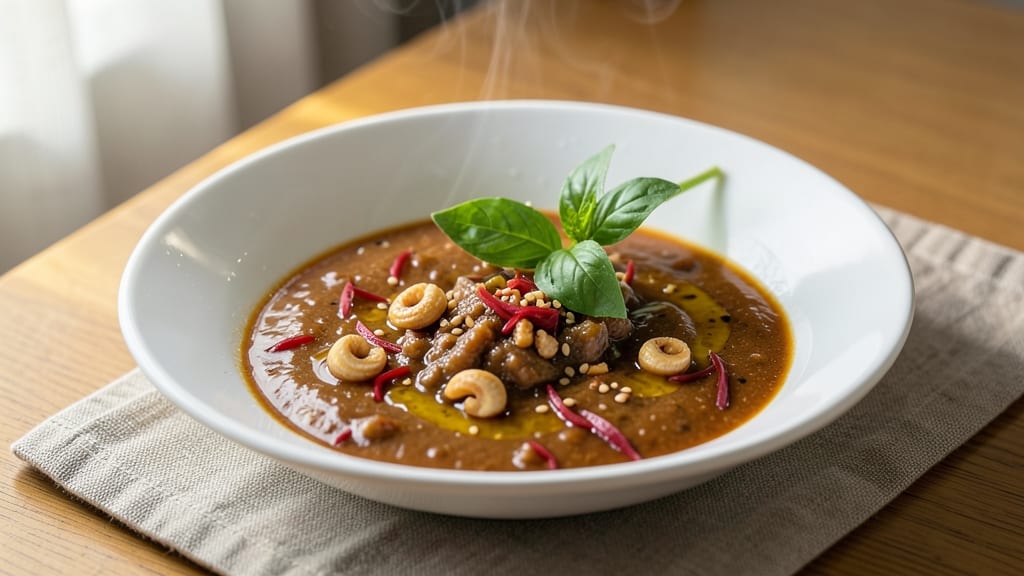
Creating a slow-simmered umami sauce that clings to every noodle transforms ordinary meals into restaurant-quality experiences. The key lies in balancing fermented flavors—soy sauce, miso, and a touch of fish sauce—with a velvety finish from butter or cream.
I perfected this sauce after years of testing, ensuring it delivers that signature "sticky" quality without overpowering the dish.
This recipe builds depth through slow simmering, allowing flavors to meld into a rich, complex sauce that works with noodles, meats, or vegetables. The process is straightforward: combine ingredients in a saucepan, reduce until thickened, and finish with a touch of acidity for brightness.
It’s a versatile base that elevates any dish while keeping prep simple—no fancy techniques required.
The result is a sauce that’s intensely flavorful yet balanced, with a texture that coats ingredients perfectly. Whether drizzled over ramen, tossed with stir-fried vegetables, or slathered on grilled proteins, it adds a layer of umami that sticks to every bite.
The best part? It keeps well in the fridge for up to a week, making it a go-to for quick meals.
For extra richness, stir in a spoonful of peanut butter or a splash of coconut milk before serving. This sauce is your secret weapon for turning simple ingredients into something extraordinary. Let’s get simmering!
Ingredients for ed sauce
Nine essential ingredients transform into a velvety umami sauce that clings perfectly to noodles and proteins.
| Ingredient | Amount | Notes |
|---|---|---|
| White Miso Paste 🍶 | ½ cup | High-quality, non-GMO preferred |
| Light Soy Sauce 🥢 | ⅓ cup | Kikkoman or similar premium brand |
| Dark Soy Sauce 🥢 | 0.17 cup | For deeper color and complexity |
| Sesame Oil 🫒 | 1 tbsp | Toasted, for nutty aroma |
| Fish Sauce 🐟 | 1 tbsp | Red Boat preferred for quality |
| Rice Vinegar 🍶 | 2 tbsp | Seasoned for subtle sweetness |
| Granulated Sugar 🍚 | 1 tbsp | For balancing acidity |
| Unsalted Butter 🧈 | 2 tbsp | Cold, cut into small cubes |
| Garlic Cloves 🧄 | 4 cloves | Minced, for aromatic depth |
| Fresh Ginger 🌿 | 1 tbsp | Finely grated, for zesty kick |
The miso paste is the umami foundation—Japanese white miso delivers the cleanest flavor, while red miso adds depth. Whole Foods or Asian markets carry premium brands like Hodo or Marukome. Avoid instant miso; its flavor profile is inferior. For soy sauce, Kikkoman or Diamond Life are non-negotiable—their fermentation process creates that signature complexity. The fish sauce should be Red Boat or Three Crabs; cheaper brands can taste harsh. Fresh ginger and garlic are best minced on a microplane for maximum surface area and flavor extraction.
No miso? Substitute 1/4 cup soy sauce plus 1 tsp white miso powder for a close approximation. Running low on fish sauce? Oyster sauce at half the amount works, though it lacks the funk. Sesame oil can be swapped for toasted sesame seeds (1 tsp ground) if you prefer a less oily finish. For a vegetarian version, replace fish sauce with 1 tbsp coconut aminos plus 1/2 tsp nori flakes. The butter is critical—European-style or grass-fed adds richness that store brands can't replicate. If you're avoiding dairy, coconut oil works but lacks the same velvety mouthfeel.
This sauce develops flavor as it cools, so reheat gently before using—never boil. Store in an airtight container in the fridge for up to 1 week, or freeze in ice cube trays for 3 months. The texture will thicken further upon reheating, so thin with a splash of water if needed. For restaurant-quality results, simmer the sauce uncovered for the final 5 minutes to intensify the umami. Leftovers make an excellent glaze for grilled meats or a dipping sauce for dumplings.
Why You'll Love This Recipe
- Five-Ingredient Magic: I swear, this sauce comes together with just a spoon and a bowl—no fancy gadgets, no stress. The white miso and fish sauce blend so smoothly, you’ll forget how little effort went into something that tastes this rich.
- Umami Bomb: That first spoonful? Chef’s kiss. The white miso gives it a silky depth, while the dark soy adds a caramelized punch. A single drizzle on grilled fish or noodles turns a simple meal into something restaurant-worthy—no exaggeration.
- Weeknight Wonder: Between us, I keep a jar of this in the fridge for lazy nights. Slather it on rice bowls, toss it with stir-fry, or even mix it into soups. It’s my go-to when I’m too tired to think but still want flavor that doesn’t skimp.
- Budget Superstar: Honestly, this sauce costs pennies per serving. A little goes a long way, and the ingredients—miso, soy, sesame oil—are pantry staples that won’t break the bank. Plus, leftovers keep for weeks, so you’re always covered.
Step-by-step instructions for crafting ed sauce
This umami-rich sauce builds depth through precise layering and slow simmering.
Melt the Butter and Bloom the Aromatics
In a heavy-bottomed saucepan, melt the 2 tablespoons unsalted butter over medium-low heat until it foams but doesn't brown. Add the 4 minced garlic cloves and 1 tablespoon finely grated fresh ginger, stirring constantly for 30 seconds until fragrant but not colored. The butter should coat the garlic completely, preventing burning while extracting their essential oils.
Here's the thing—if you let the garlic brown at this stage, you'll develop bitter flavors that overpower the delicate umami profile we're building. Keep the heat gentle and watch closely. Once the raw aroma gives way to a warm, toasty scent, you're ready for the next component.
Incorporate the Miso and Soy Sauces
Reduce heat to low and whisk in the 0.5 cup white miso paste until fully dissolved, about 2 minutes. This step is critical because miso contains live cultures that can scorch if exposed to high heat. Once smooth, add the 0.33 cup light soy sauce and 0.17 cup dark soy sauce, stirring continuously to prevent separation.
The dark soy sauce will immediately deepen the color to a rich mahogany hue. Let the mixture simmer gently for 3 minutes, stirring occasionally, until it thickens slightly. You'll notice the sauce becoming glossy and cohesive—this indicates the miso's natural emulsifiers are activating. If you see any oil separating, whisk vigorously to reintegrate it.
Balance Flavors with Acid and Sweetness
Add the 2 tablespoons rice vinegar and 1 tablespoon granulated sugar, stirring well to distribute. The vinegar will create a subtle tang that cuts through the richness, while the sugar mellows the acidity. Simmer for 4-5 minutes until the mixture reduces by about 20%—it should coat the back of a spoon but remain pourable.
Taste at this stage. The sauce should be complex but harmonious, with layers of saltiness, umami, and a hint of sweetness. If it's too salty, you can't fix it later—this is your final adjustment point. The dark soy sauce provides most of the saltiness, so use high-quality brands to avoid overpowering the delicate balance.
Finish with Oil and Fish Sauce
Remove the saucepan from heat and stir in the 1 tablespoon sesame oil and 1 tablespoon fish sauce. The sesame oil adds a nutty aroma that complements the umami depth, while the fish sauce introduces a briny complexity. Let the sauce rest for 5 minutes to allow the flavors to meld completely.
This resting period is essential—it lets the fish sauce's volatile compounds dissipate slightly, preventing an overpowering fishy note. The sauce should now be thick enough to cling to noodles but still fluid enough to drizzle. If it's too thick after resting, thin with 1 teaspoon hot water at a time until you reach the perfect consistency.
Pro Tips For Making Ed Sauce
- Bloom the Miso: Whisk the white miso paste into warm water first (not hot—just off the boil, about 110°F/43°C) before adding other liquids. I learned this the hard way—dumping it straight into cold soy sauce makes it clump like glue, and you’ll spend 10 minutes scraping your whisk.
- Balance the Soy Sauces: Use dark soy sauce sparingly—it’s for color, not flavor. Start with 1 teaspoon and adjust only after tasting. My first batch looked like black ink until I realized I’d doubled it; now I keep a small bowl of dark soy aside to eyeball.
- Temper the Sesame Oil: Add sesame oil last, off the heat, or it’ll scream like a frying pan. A splash at the end keeps its nutty aroma instead of turning it into a bitter afterthought. (Yes, even if you’re impatient like me.)
- Simmer, Don’t Boil: Keep the sauce at a bare simmer—tiny bubbles, not rolling—so the fish sauce doesn’t cook off into harshness. I was skeptical until I tried it: the umami stays smooth, not sharp. Low and slow for 5–7 minutes is all it needs.
Flavor customization for ed sauce
Spicy Kick
Add 1 teaspoon of gochujang or ½ teaspoon of cayenne pepper when incorporating the miso and soy sauces for a fiery twist. For a more controlled heat, use 1 teaspoon of sriracha and let it simmer for 2 minutes to mellow the raw spice.
I find that Korean gochujang from Maesil adds a smoky depth that pairs beautifully with the umami. Balance the heat with an extra ½ teaspoon of sugar if needed. 🌶️
Sweet and Tangy
Swap the rice vinegar for 2 tablespoons of mirin and add 1 teaspoon of honey or maple syrup when balancing flavors. This creates a luscious, slightly sweet profile that works wonderfully with grilled meats or as a dipping sauce.
For extra tang, add 1 teaspoon of rice vinegar at the end. This variation is perfect for those who prefer a more dessert-like sauce. 🍯
Creamy and Rich
Stir in 2 tablespoons of heavy cream or coconut milk during the final resting period for a velvety texture. I like using full-fat coconut milk for a tropical twist that complements the umami.
For a dairy-free option, cashew cream (blend ¼ cup soaked cashews with 2 tablespoons water) works beautifully. This version pairs exceptionally well with noodles or as a glaze for baked tofu. 🥥
Herb-Infused
Add 1 tablespoon of chopped fresh cilantro, thai basil, or mint leaves during the final resting period for a bright, aromatic finish.
For a more robust herb profile, steep 1 teaspoon of dried shiitake mushrooms in 2 tablespoons hot water for 10 minutes, then strain and mix into the sauce. This adds an earthy depth that enhances the umami.
Fresh herbs should be added last to preserve their vibrant color and flavor. 🌿
Smoky Depth
Infuse the sauce with smokiness by adding ½ teaspoon of liquid smoke or 1 teaspoon of smoked paprika when incorporating the miso and soy sauces.
For a more intense smoke flavor, char 1 clove of garlic and ½ teaspoon of ginger in a dry pan until blackened, then mash and add to the sauce. This variation is ideal for pairing with BBQ ribs or smoked meats. 🔥
Nutty Crunch
Finish the sauce with 1 teaspoon of toasted sesame seeds or crushed peanuts for added texture. For a more pronounced nutty flavor, stir in 1 tablespoon of peanut butter during the final resting period.
This version is fantastic as a dipping sauce for spring rolls or as a marinade for chicken skewers. The crunch contrasts beautifully with the smooth, sticky texture of the sauce. 🥜
Nutrition facts
Frequently asked questions
What makes this umami sauce different from regular soy-based sauces?
This recipe combines miso, fish sauce, and dark soy sauce to create a deeper umami profile than standard soy sauces. The slow simmer process allows flavors to meld into a cohesive, sticky texture that clings perfectly to noodles or proteins. The butter finish adds richness without overpowering the delicate balance of savory and umami notes.
Can I make this sauce without fish sauce?
Yes! For a vegetarian version, replace the 1 tablespoon fish sauce with 1 tablespoon coconut aminos plus ½ teaspoon nori flakes (to mimic the oceanic depth). The sauce will still be rich and umami-forward, though slightly less complex. For a non-vegetarian alternative, try ½ tablespoon oyster sauce instead.
How do I adjust the thickness of the sauce?
If the sauce is too thick after resting, thin it with 1 teaspoon hot water at a time until it reaches a pourable consistency. For extra thickness, simmer uncovered for an additional 3-5 minutes to reduce further. The ideal texture should coat the back of a spoon but remain drizzle-friendly.
What are the best dishes to use this sauce with?
This versatile sauce elevates ramen, udon, or rice noodles, but also works wonders with grilled meats, roasted vegetables, or as a dipping sauce for dumplings. The sticky texture makes it perfect for tossing with stir-fries or drizzling over baked tofu or tempura. For extra flavor, marinate proteins in the sauce for 15-30 minutes before cooking.
Why does my sauce taste too salty?
Dark soy sauce and miso are highly concentrated, so taste as you go! If the sauce is too salty, you can't fix it later—use high-quality brands and measure carefully. For future batches, reduce the dark soy sauce by 1 teaspoon or add 1 extra tablespoon of water to dilute slightly. The key is balancing the saltiness with the acidity from vinegar and sweetness from sugar.