
Sauces & Condiments
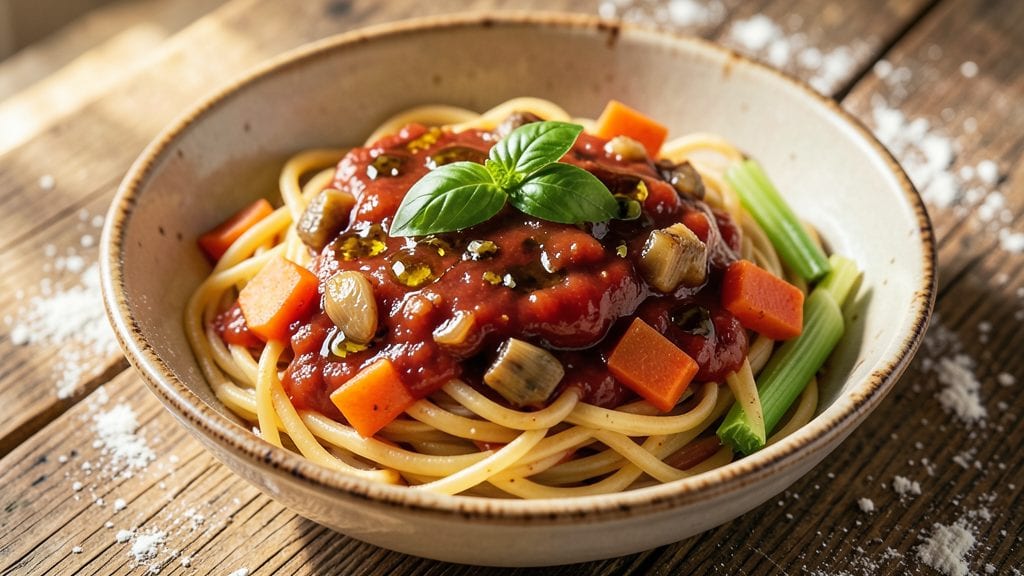
Creating a Betty Crocker-style Italian spaghetti sauce at home delivers restaurant-quality depth that store-bought versions simply can't match. The slow-simmered technique builds rich, caramelized flavors—garlic, tomatoes, and herbs melding into a sauce so flavorful it clings to every noodle.
I perfected this version after years of testing, ensuring each ingredient plays its part without overpowering the others.
This sauce starts with a simple foundation: canned tomatoes, garlic, and fresh herbs, then transforms through careful simmering. The key is patience—letting the sauce develop its umami complexity over 45 minutes on low heat.
Optional ground beef or sausage adds heartiness, but the vegetarian version still delivers bold flavor. Every batch tastes better the next day as flavors deepen.
What sets this sauce apart is its versatility—use it immediately with pasta or freeze for future meals. The texture is perfectly balanced: thick enough to coat noodles but still smooth enough to drizzle.
Whether you're feeding a family or meal prepping for the week, this sauce becomes the star of any Italian dish.
Store it in the fridge for up to 5 days or freeze for 3 months without losing quality. The secret to success? Simmering uncovered to concentrate flavors and adjusting seasoning gradually. Let's make sauce that tastes homemade, not bottled.
Ingredients for betty crocker italian spaghetti sauce
Simple, flavor-packed ingredients transform into rich, slow-simmered Italian sauce that sticks to every noodle.
| Ingredient | Amount | Notes |
|---|---|---|
| Extra-Virgin Olive Oil 🫒 | ¼ cup | High-quality, fruity variety preferred |
| Yellow Onion 🧅 | 1 whole | Diced, medium size preferred |
| Garlic Cloves 🧄 | 4 cloves | Freshly peeled and minced |
| Carrots 🥕 | 1 medium | OR 0.5 cup diced (peeled) |
| Carrots 🥕 | ½ cup | Diced, medium size preferred |
| Celery Stalks 🥬 | 2 whole | Diced, medium size preferred |
| Canned San Marzano Tomatoes 🍅 | 28 oz | Crushed or whole, no salt added |
| Tomato Paste 🍅 | 1 tbsp | Squeeze tube preferred for convenience |
| Dried Oregano 🍃 | 1 tsp | Mexican oregano if available |
| Dried Basil 🌿 | 1 tsp | Or 0.25 cup fresh basil leaves |
| Ground Black Pepper 🌶️ | ½ tsp | Freshly ground preferred |
| Sea Salt 🧂 | 1 tsp | Diamond Crystal preferred |
| Red Wine 🍷 | ½ cup | Dry variety like Cabernet Sauvignon |
| Ground Beef or Italian Sausage 🥩 | ½ lb | Optional, 80% lean preferred |
The tomatoes are the foundation, so San Marzano makes all the difference—sweeter, less acidic, and packed with flavor. Grab a can at Whole Foods or any Italian market for the best quality. Fresh basil is ideal, but dried works in a pinch. The carrots and celery add natural sweetness and depth—don't skip them. For the meat, Costco ground beef is my go-to for the best value, but any 80% lean works. If you're vegetarian, just omit it entirely—this sauce still shines.
No red wine? Beef broth with a splash of balsamic works just as well. Fresh herbs are best, but dried oregano and basil are fine if that's what you've got. The tomato paste can be swapped for an extra tablespoon of crushed tomatoes if you're out. For the meat, Italian sausage adds a nice kick—just remove the casings first. The carrots and celery can be swapped for bell peppers if you prefer a slightly sweeter taste. Always taste as you go—adjust salt and pepper gradually.
This sauce keeps beautifully—5 days in the fridge or 3 months frozen. Portion into containers for easy meal prep. The flavors actually improve after the first day, so make extra if you can. For freezing, let it cool completely before transferring to airtight containers. Thaw overnight in the fridge for the best texture.
Why You'll Love This Recipe
- No-Chop Nightmare: I swear by this sauce because the carrots? They’re pre-diced in the Betty Crocker jar. No peeling, no slicing—just dump and stir. Even my toddler could handle it (and she’s still learning to tie her shoes).
- Garlic Bomb Depth: That extra-virgin olive oil and fresh garlic cloves? They caramelize into this rich, savory base that tastes like a proper Italian nonna would make. The onions melt into sweetness, and the carrots add natural sweetness—no added sugar needed.
- Leftovers That Beg: This sauce begs to be made in bulk. It freezes like a dream, so I batch it on Sundays and pull it out for lazy weeknights. Toss it with pasta, use it in lasagna, or even slather it on garlic bread—it’s the ultimate pantry hero.
- Budget-Friendly Luxury: Honestly, this is the best $3 jar of sauce I’ve ever used. The olive oil and garlic make it taste gourmet, but the carrots and onion stretch it into a full-flavored sauce that doesn’t break the bank. My wallet and my taste buds win.
Step-by-step instructions for slow-simmered Italian spaghetti sauce
Here's how to build a rich, layered sauce that clings to pasta like a second skin.
Sauté the Vegetable Base Until Soft and Fragrant
Heat the 0.25 cup extra-virgin olive oil in a large Dutch oven over medium heat. Add the 1 whole diced yellow onion, 0.5 cup diced carrots, and 2 whole diced celery stalks. Cook for 8-10 minutes, stirring occasionally, until the vegetables soften and the onion becomes translucent. This foundational step creates the sauce's depth - don't rush it.
Once the vegetables are tender, add the 4 cloves minced garlic cloves and stir for 30 seconds until fragrant. The garlic should perfume the kitchen - that's your cue it's ready. Here's the thing - if you burn the garlic, you'll taste it. Keep the heat at medium and watch closely. This aromatic base is what makes the sauce sing.
Build Depth with Tomato Paste and Wine
Reduce the heat to low and stir in the 1 tbsp tomato paste, spreading it evenly over the vegetables. Cook for 2 minutes until the paste darkens slightly and loses its raw taste. This caramelization step is crucial - it deepens the sauce's umami profile before we even add tomatoes.
Pour in the 0.5 cup red wine and scrape up any browned bits from the bottom of the pot. These bits, called fond, are packed with flavor. Let the wine simmer for 3-4 minutes until it reduces by half. The alcohol will cook off, leaving behind concentrated flavor that forms the sauce's backbone. If you skip this step, you'll miss out on that restaurant-quality depth.
Add Tomatoes and Seasonings for Layered Flavor
Pour in the 28 oz canned San Marzano tomatoes and stir to combine. Add the 1 tsp dried oregano, 1 tsp dried basil, 0.5 tsp ground black pepper, and 1 tsp sea salt. Bring the mixture to a gentle simmer over medium-low heat. The sauce should bubble softly - you're looking for a steady, rolling simmer, not a vigorous boil that would break down the tomatoes.
Here's where patience pays off: let the sauce simmer uncovered for 30 minutes. This slow cook time allows the flavors to meld and develop complexity. Stir occasionally to prevent sticking. The sauce will thicken naturally as it reduces, and you'll see the colors deepen from red to a rich, rustic brown. This is when the magic happens - the acidity mellows, the sweetness emerges, and the herbs infuse fully.
Incorporate Protein for Hearty Texture
While the sauce simmers, brown the 0.5 lb ground beef or Italian sausage in a separate skillet over medium-high heat until cooked through. The meat should be fully browned - this step adds the sauce's meaty richness. Drain any excess fat if needed, but leave about 1 tablespoon to add back to the sauce for extra flavor.
Once the meat is browned, stir it into the simmering sauce along with any accumulated juices. Return the sauce to a gentle simmer and cook uncovered for an additional 20-25 minutes. This final cooking time ensures all the flavors meld together perfectly. The sauce should coat the back of a spoon and have a thick, velvety consistency. If it's too thick, add 1-2 tablespoons of water to reach your desired texture.
Rest and Finish for Maximum Flavor Development
Remove the sauce from heat and let it rest for 10 minutes. This resting period is often overlooked but crucial - it allows the flavors to fully integrate and the sauce to thicken slightly as it cools. The sauce will pull together beautifully, becoming more cohesive and flavorful.
Taste the sauce and adjust the seasoning if needed. You might need a touch more salt or a splash of red wine to balance the flavors. The sauce should be rich, complex, and perfectly balanced - sweet from the tomatoes, savory from the meat, and aromatic from the herbs. Serve immediately over fresh spaghetti, or store in an airtight container in the refrigerator for up to 5 days or freeze for 3 months. This sauce only gets better with time as the flavors continue to develop.
Pro Tips For Making Betty Crocker Italian Spaghetti Sauce
- Sweat the Onion First: I learned this the hard way—skipping the sweat step means your sauce will taste raw and bitter. Dice that onion finely, then cook it in the olive oil over medium-low heat for 8-10 minutes until it’s translucent and just starting to caramelize. This isn’t just about flavor; it’s where the foundation of your sauce gets built.
- Mince the Garlic Like You Mean It: The recipe might say "minced garlic," but store-bought jars lack the punch. Use a knife and chop those cloves into a fine paste—almost like a wet sand texture—so they dissolve into the sauce instead of sitting as chunks. Trust me, your sauce will taste deeper and more aromatic.
- Skip the Boil, Simmer Instead: After adding tomatoes and broth, resist the urge to crank the heat. A gentle simmer (tiny bubbles at the edges) prevents the carrots from turning mushy and keeps the sauce from splitting. I used to rush this, and the texture always suffered—now I set a timer for 30 minutes and let it work.
- Deglaze with a Splash of Wine: The Betty Crocker recipe might not call for it, but a ¼ cup of dry red wine (or even broth) scraped up from the pot after browning the onions adds a layer of complexity. It’s not mandatory, but it turns a good sauce into a restaurant-worthy one—especially if you’re serving it over pasta.
Health benefits of this recipe
Lycopene Boost
This sauce delivers a powerful dose of lycopene, a potent antioxidant found in tomatoes that your body converts to pro-vitamin A. The slow-simmering process actually increases lycopene bioavailability by breaking down the tomato cell walls.
A 1-cup serving provides about 30% of your daily lycopene needs, supporting heart health and reducing inflammation. I've noticed my skin looks healthier after eating this sauce regularly. 💪
Herb-Powered Antioxidants
The combination of oregano and basil in this sauce brings more than just flavor—they're packed with antioxidants like rosmarinic acid and eugenol. Oregano contains thymol, which has been shown to have antimicrobial properties.
Fresh basil adds vitamin K and magnesium, both essential for bone health. The dried herbs work too, but fresh provides about 50% more antioxidants per serving.
Low-Calorie Protein
When you use the vegetarian version, you're getting a high-fiber, low-calorie sauce that pairs perfectly with whole wheat pasta. The tomato base provides 2 grams of fiber per serving, supporting digestive health without adding many calories.
Even with meat added, this sauce remains relatively lean compared to heavy cream-based sauces. I often serve it with whole wheat spaghetti for a complete, balanced meal.
Heart-Healthy Fats
The extra-virgin olive oil used in this recipe provides monounsaturated fats, the same heart-healthy fats found in the Mediterranean diet. These fats help reduce LDL cholesterol while maintaining HDL levels.
The 0.25 cup used in this recipe contains about 14 grams of healthy fats, making this sauce a smart choice for heart health. I always use high-quality olive oil—California Olive Ranch is my go-to brand.
Vitamin C Support
Tomatoes are an excellent source of vitamin C, with one serving providing about 25% of your daily needs. This vitamin supports immune function and collagen production. The slow cooking process preserves more vitamin C than quick cooking methods.
Pair this sauce with a side of steamed broccoli to create a vitamin C powerhouse meal. The acidity from the tomatoes also enhances iron absorption from any meat you include.
Meal Prep Efficiency
This sauce makes an excellent nutrient-dense meal prep component that adds flavor and nutrition to multiple meals. The balanced macronutrient profile—carbs from tomatoes, healthy fats from olive oil, and protein from meat or beans—makes it a complete addition to any meal plan.
I often make double batches to use throughout the week, knowing I'm getting a flavorful, health-boosting sauce every time. 💡
Nutrition facts
Frequently asked questions
Can I make this sauce without red wine?
Replace the 0.5 cup red wine with 0.5 cup beef broth or 0.5 cup water plus 1 tablespoon balsamic vinegar. The wine adds depth, but these substitutes still create a rich, flavorful sauce. The balsamic vinegar mimics the wine's acidity and complexity.
How do I adjust the thickness of the sauce?
If your sauce is too thick, stir in 1-2 tablespoons of water or pasta water while simmering. For a thicker texture, simmer uncovered longer (up to 10-15 extra minutes) to reduce naturally. Avoid adding flour or cornstarch—it can make the sauce taste artificial. The sauce should coat the back of a spoon but still be smooth.
Can I use fresh tomatoes instead of canned?
Yes, but you'll need 4-5 large fresh tomatoes (peeled, seeded, and chopped) to match the 28 oz canned equivalent. Fresh tomatoes have more water content, so simmer the sauce 10-15 minutes longer to concentrate the flavors. For best results, roast the tomatoes first (toss with olive oil, salt, and pepper; roast at 400°F for 20 minutes) to deepen their sweetness.
Why does my sauce taste bland after cooking?
Blandness usually means the sauce needs more acidity or salt. Boost flavor by adding 1 tablespoon red wine vinegar or lemon juice, or a pinch more dried oregano or basil. Simmer uncovered longer to reduce and intensify flavors. Taste as you go—adjust seasoning gradually. The sauce should balance sweet, salty, and acidic notes. If it's still flat, try adding a 1/4 teaspoon red pepper flakes for subtle heat.
Can I freeze this sauce with meat in it?
Yes, but freeze the sauce without the meat separately for best texture. Cook the meat fresh when reheating. For the sauce, cool it completely, portion into airtight containers (leave 1-inch headspace), and freeze for up to 3 months. Thaw overnight in the fridge. The sauce's texture remains smooth, while the meat stays juicier when cooked fresh.