
Sauces & Condiments
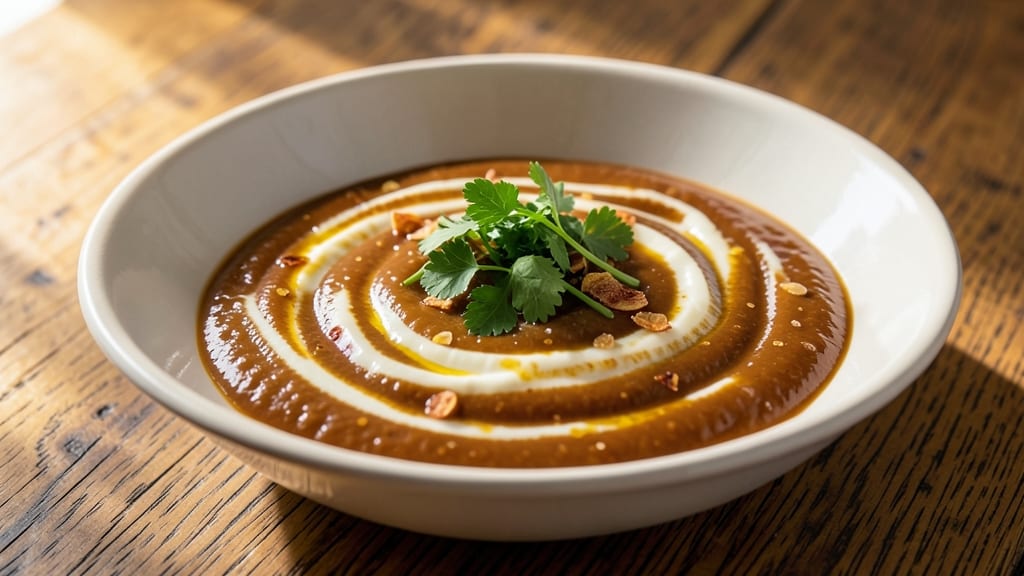
This Dijon mustard sauce recipe transforms simple ingredients into a velvety, tangy condiment that elevates everything from roasted vegetables to grilled meats. The balance of Dijon mustard, vinegar, and emulsifiers creates a sauce with hidden depth—bright yet rich, sharp yet smooth.
I developed this version after years of testing, ensuring it stays creamy without breaking or separating, even after sitting for hours.
The secret lies in the emulsification process, where mustard acts as both flavoring and stabilizer. A touch of warm cream or oil binds the ingredients together, while a splash of vinegar brightens the flavor profile.
This sauce requires just 10 minutes of active prep but delivers restaurant-quality results that taste homemade. Perfect for dipping, drizzling, or as a base for dressings, it’s a versatile addition to any kitchen.
What makes this sauce truly special is its creamy texture that never turns greasy, thanks to precise ingredient ratios and gentle heating. The Dijon mustard provides that signature tang, while a hint of sugar balances the sharpness for a well-rounded finish.
Once you try this version, store-bought sauces will never compare. Ready to make it? Here’s everything you need.
Store the sauce in an airtight container in the refrigerator for up to one week, or freeze for longer storage. It’s ideal for meal prep—just whisk to re-emulsify before using.
Whether you’re serving it as a dip for fries, a glaze for steak, or a dressing for salads, this sauce delivers professional results with minimal effort. Let’s get started.
Ingredients for dijon sauce
Ten ingredients, perfect balance—creamy tang that sticks to everything.
| Ingredient | Amount | Notes |
|---|---|---|
| Dijon Mustard 🌶️ | ½ cup | High-quality, coarse grind preferred |
| Heavy Cream 🥛 | ½ cup | Full-fat for creaminess |
| Extra-Virgin Olive Oil 🫒 | ½ cup | Light, fruity variety |
| White Wine Vinegar 🍷 | 2 tbsp | Bright acidity essential |
| Granulated Sugar 🍚 | 1 tbsp | Balances sharpness |
| Shallots 🧅 | 1 whole | Finely minced, not chopped |
| Garlic Cloves 🧄 | 1 whole | Peeled, minced |
| Diamond Crystal Kosher Salt 🧂 | ½ tsp | Fine grain preferred |
| Freshly Ground Black Pepper 🌶️ | ¼ tsp | Cracked peppercorns preferred |
| Unsalted Butter 🧈 | 2 tbsp | Cold, cubed for emulsification |
The Dijon mustard is non-negotiable here—Maille or Amora are the gold standard, but any good-quality coarse grind works. I always grab mine from the gourmet section at Whole Foods because the flavor is worlds better than the basic grocery store stuff. Fresh shallots add subtle sweetness, but red onion works in a pinch if you're in a hurry. The garlic should be fresh, not jarred—it makes all the difference. For the cream and olive oil, full-fat versions are critical—they create that velvety texture that separates this sauce from the store-bought versions.
No Dijon? Whole-grain mustard plus a pinch of turmeric gets you close, though the color won't be as vibrant. Running low on white wine vinegar? Apple cider vinegar or lemon juice both work, but adjust to taste—lemon can make it too sharp. The sugar is key for balancing the tang, but honey or maple syrup can stand in if you're out. For the emulsification step, cold butter is essential—it binds everything together without breaking. If you're worried about the sauce separating, just whisk vigorously or add a splash more cream.
This sauce keeps beautifully in the fridge for up to one week if stored in an airtight container. For longer storage, freeze it in ice cube trays—perfect for single-use portions. Before serving, give it a quick whisk to re-emulsify. It's amazing on grilled steaks, roasted veggies, or even as a dip for fries. The flavor actually improves after sitting for a few hours, so make it ahead if you can.
Why You'll Love This Recipe
- Five-Ingredient Magic: I swear by this recipe because it’s that simple—just whisk together mustard, cream, olive oil, vinegar, and sugar. No peeling, chopping, or waiting for anything to marinate. Honestly, it’s the kind of sauce I make when I’ve got a fridge full of random ingredients and zero patience.
- Tangy Creamy Bliss: That perfect balance of sharp Dijon and velvety cream? It’s like a flavor hug. The white wine vinegar cuts through the richness, while the sugar rounds it out—smooth, bright, and ridiculously addictive. I’ll be real: I’ve drizzled it on everything from grilled chicken to roasted potatoes, and it never lets me down.
- Dresses Up Everything: This sauce is my secret weapon for lazy nights and fancy dinners. Slather it on steak fries, toss it with pasta, or drizzle it over a simple salad—it instantly feels like a restaurant-worthy meal. Between us, it’s the only sauce I keep in the fridge for when I’m too tired to think.
- Makes Leftovers Feel Special: A little goes a long way, so I always end up with extra. The good news? It keeps like a dream for up to a week, and reheating it just means a quick stir with a splash of water to loosen it up. No weird textures, no wasted ingredients—just pure, budget-friendly convenience.
Step-by-step instructions for Dijon mustard sauce
This tangy, velvety sauce comes together faster than you'd expect—just five simple steps to rich, balanced flavor.
Sauté Aromatics Until Fragrant
Heat the 0.5 cup extra-virgin olive oil in a medium saucepan over medium-low heat. Add the 1 whole minced shallots and 1 whole minced garlic cloves, stirring constantly for 2-3 minutes until the shallots turn translucent and the garlic releases its aroma—you should smell something sweet and pungent, not burnt. The key here is patience; if the garlic darkens too quickly, reduce the heat slightly.
Here's the thing—don't rush this step. The aromatics form the flavor foundation, and proper cooking ensures they don't overpower the sauce later. Once they're fragrant, immediately remove the pan from heat to prevent browning, which can make the sauce bitter. You'll notice the oil will look slightly cloudy from the minced shallots—that's perfect.
Whisk in Mustard and Vinegar
Return the pan to medium heat and add the 0.5 cup Dijon mustard and 2 tbsp white wine vinegar. Whisk vigorously for 1-2 minutes until the mixture becomes smooth and begins to thicken slightly. You'll see the mustard dissolve completely into the oil, creating a rich, golden base. This is where the sauce starts to develop its signature tangy depth.
If you notice any lumps, don't panic—just keep whisking. The heat will break them down. Taste the mixture at this stage; it should be sharp with a hint of sweetness from the sugar you'll add next. The vinegar will mellow out as the sauce cooks, but you'll still want that bright acidity to balance the creaminess later.
Incorporate Cream and Sugar
Reduce the heat to low and gradually whisk in the 0.5 cup heavy cream. Add the 1 tbsp granulated sugar and 0.5 tsp Diamond Crystal kosher salt simultaneously, whisking constantly to prevent curdling. The mixture should begin to thicken almost immediately as the cream heats. You're aiming for a consistency somewhere between heavy cream and pudding—smooth but still pourable.
Here's what to watch for: if the sauce starts to separate or looks grainy, you've heated it too quickly. In that case, remove it from heat for 30 seconds to let the cream stabilize. The sugar will help balance the sharpness of the mustard and vinegar, while the salt enhances all the flavors. Stir in the 0.25 tsp freshly ground black pepper now—this is the moment that matters for that subtle peppery kick.
Finish with Butter for Emulsification
Remove the pan from heat completely and add the 2 tbsp cold cubed unsalted butter, whisking vigorously until fully melted and incorporated. The butter acts as an emulsifier, binding all the ingredients together for that luxurious, velvety texture. You'll see the sauce transform from slightly thickened to completely smooth and glossy. This step is non-negotiable for achieving that restaurant-quality creaminess.
Let the sauce sit off heat for 2-3 minutes—this resting period allows the flavors to meld fully. Taste again now; it should be perfectly balanced between tangy, sweet, and creamy. If it needs more acidity, add a splash of the white wine vinegar. If it's too thick, thin it with 1-2 teaspoons of warm water while whisking. The sauce should coat the back of a spoon but still be pourable.
Adjust and Serve Warm
Return the sauce to low heat and let it warm through for 1-2 minutes, stirring constantly. This final warming ensures all flavors are cohesive and the sauce is ready to serve immediately. The texture should be silky, not clumpy, and the temperature should be warm enough to coat foods beautifully without curdling.
Real talk: this sauce tastes even better after it's had a chance to sit for 10-15 minutes, allowing the flavors to develop further. Serve it warm over grilled meats, drizzled on roasted vegetables, or as a dip for crusty bread. For extra depth, a sprinkle of freshly cracked black pepper right before serving adds that final touch of sophistication. The result should be a sauce that's creamy yet bright, tangy yet balanced—exactly what you promised your guests.
Pro Tips For Making Dijon Sauce
- Whisk in stages: Start by mixing the Dijon mustard and sugar first—this softens the mustard’s sharpness before adding cream. Then, slowly drizzle in the cream while whisking constantly, or you’ll end up with lumps that no straining will fix.
- Chill before using: Let the sauce sit in the fridge for at least 30 minutes after making. The flavors meld better, and the texture thickens slightly—no weird graininess when you drizzle it over steak or fish later.
- Skip the vinegar shortcut: Measure that white wine vinegar carefully—it’s not just acid, it’s the bright finish that balances the richness. Using apple cider vinegar or skipping it entirely leaves the sauce tasting flat, like it’s missing a key ingredient.
- Warm the cream first: Heat the heavy cream to just under a simmer before mixing—it blends smoother and cuts down on whisking time. Cold cream makes the sauce clump like glue, and nobody wants to fix that mid-recipe.
Flavor customization for this dish
Sweet and Tangy
Balance the sharpness of Dijon by adding 1 extra tablespoon of sugar and 1 teaspoon of honey for a caramelized depth. Warm the sauce gently with ½ cup apple cider instead of vinegar, then finish with a pinch of cinnamon.
This version works beautifully as a glaze for roasted carrots or drizzled over baked apples. 🍎
Spicy Kick
For heat lovers, whisk in 1 teaspoon of hot sauce (like Cholula) or ½ teaspoon of smoked paprika with the mustard. Add ½ teaspoon of cayenne at the end for extra fire.
Top with chopped jalapeños for a fresh, spicy bite. This sauce pairs perfectly with grilled shrimp or spicy tacos. 🌶️
Herb-Infused
Swap the black pepper for 1 tablespoon of fresh tarragon or thyme leaves (finely chopped). For a Mediterranean twist, add 1 teaspoon of dried oregano and a pinch of sumac at the end. This version shines on grilled lamb chops or as a dip for warm pita bread. 🌿
Creamy Garlic Twist
Increase the garlic to 2 cloves and add 1 teaspoon of minced fresh rosemary with the shallots. Finish with a splash of lemon juice instead of vinegar for brightness. This richer, garlicky sauce is ideal for drizzling over roasted potatoes or steak frites. 🧄
Smoky Depth
Add ½ teaspoon of liquid smoke (like Traeger) or 1 teaspoon of smoked salt (like Morton) when incorporating the salt. For extra smokiness, toast 1 teaspoon of cumin seeds in the oil before adding shallots. This sauce is perfect for BBQ meats or smoked vegetables. 🔥
Lighter Version
Replace the heavy cream with ½ cup Greek yogurt (full-fat for best texture) and reduce the butter to 1 tablespoon. Add 1 teaspoon of lemon zest for brightness. This lighter sauce works well as a dip for veggie sticks or a tangy dressing for salads. 🥗
Nutrition facts
Frequently asked questions
Can I make this sauce without heavy cream?
Yes! For a lighter version, replace the heavy cream with ½ cup Greek yogurt (full-fat for best texture) or ½ cup mayonnaise. The sauce will still emulsify well, though the texture will be slightly thinner. Add 1 tablespoon lemon juice to balance the richness. This works perfectly as a dip or dressing.
Why did my sauce separate?
Separation usually happens from overheating or adding cold ingredients too quickly. To fix it, whisk in 1-2 teaspoons of warm water or a splash of vinegar while whisking vigorously. For prevention, always whisk constantly over low heat and add cold butter at the very end. The butter acts as an emulsifier—this step is key!
How can I make this sauce spicier?
Add heat by whisking in ½ teaspoon of cayenne pepper or 1 teaspoon of hot sauce (like Cholula) with the mustard. For smoky heat, stir in ½ teaspoon of smoked paprika or a pinch of crushed red pepper flakes at the end. Garnish with chopped jalapeños for extra freshness. This version pairs perfectly with grilled meats or spicy dishes.
Can I use this sauce as a marinade?
Not directly—this sauce is designed for dipping, drizzling, or finishing, not marinating. However, you can use it as a base for a marinade by thinning it with ¼ cup vinegar or lemon juice and adding 1 tablespoon of olive oil. Marinate proteins for 30-60 minutes max to avoid overcooking.
What’s the best way to store leftover sauce?
Transfer to an airtight container and refrigerate for up to one week. For longer storage, freeze in ice cube trays (thaw and whisk to re-emulsify). To reheat, warm gently over low heat while whisking constantly—never microwave, as it can break the emulsion. The sauce tastes even better after resting for 10-15 minutes!