
Sauces & Condiments
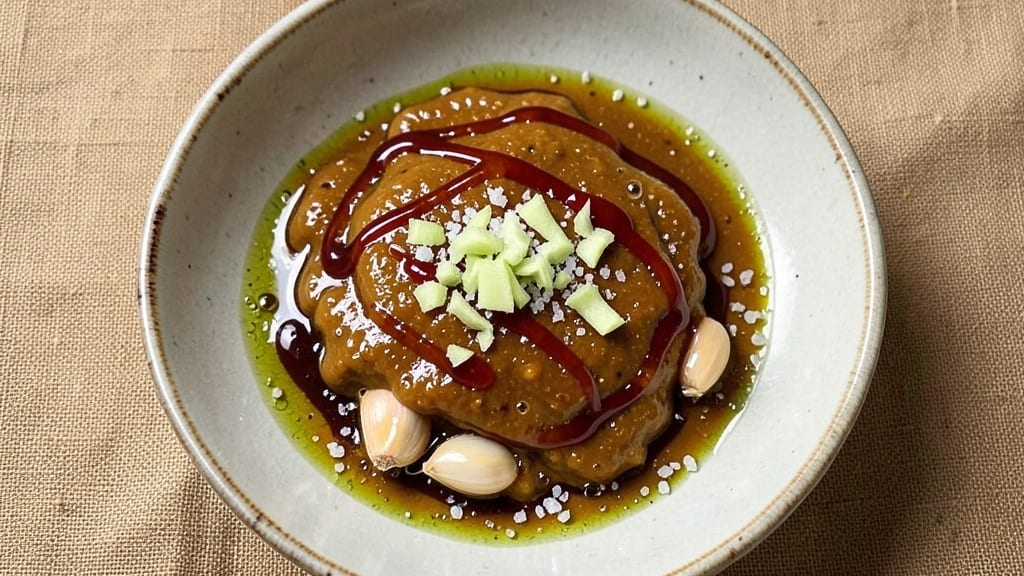
This Asian mustard sauce recipe transforms simple pantry staples into a bold, tangy-spiced condiment that elevates spring rolls, dumplings, and stir-fries. The perfect balance of sharp mustard, umami-rich soy sauce, and aromatic vinegar creates a sauce that's both versatile and restaurant-quality.
What sets this recipe apart is the addition of ginger and garlic, which infuse depth without overpowering the signature tang.
The beauty of this sauce lies in its simplicity—just five core ingredients come together in minutes to create a dip that's equally at home on a weeknight table or a holiday spread.
The sauce thickens slightly as it sits, allowing flavors to meld and creating that ideal consistency for dipping or drizzling. Unlike store-bought versions, this recipe delivers a fresh, bright taste with no artificial aftertaste.
What you'll achieve is a sauce that's complex yet easy to make, with a perfect harmony of heat, sweetness, and acidity. The mustard provides the signature kick, while the soy and vinegar create that familiar Asian depth.
This isn't just a dipping sauce—it's a flavor booster that works as a marinade, stir-fry glaze, or even a quick dressing for salads.
Best of all, this sauce keeps well in the fridge for up to a week, making it ideal for meal prep. Whether you're serving crispy spring rolls, steamed dumplings, or grilled meats, this versatile condiment will become your new kitchen staple. Let's get started!
Ingredients for asian mustard sauce
Eight simple ingredients unlock restaurant-quality Asian mustard sauce magic in minutes.
| Ingredient | Amount | Notes |
|---|---|---|
| Dijon Mustard 🌶️ | ½ cup | High-quality, smooth variety |
| Light Soy Sauce 🥢 | ⅓ cup | Kikkoman preferred for balance |
| Rice Vinegar 🍶 | ¼ cup | Seasoned for extra depth |
| Fresh Ginger 🌿 | 1 ½ tbsp | Finely grated, aromatic |
| Garlic Cloves 🧄 | 2 cloves | Minced for concentrated flavor |
| Honey 🍯 | 2 tbsp | Pure, for subtle sweetness |
| Sesame Oil 🫒 | 1 tbsp | Toasted, for nutty aroma |
| Water 💧 | ¼ cup | For thinning if needed |
The mustard is your flavor anchor—Maille Dijon delivers that signature tang without bitterness. Kikkoman soy sauce brings umami depth, and the rice vinegar (seasoned, not plain) adds that signature brightness. Fresh ginger and garlic are non-negotiable here—they're what transforms this from basic mustard sauce to something truly special. Trader Joe's carries great pre-grated ginger if you're short on time, but freshly grated always wins. For the garlic, I swear by Organicville brand from the grocery store—no bitter aftertaste. The honey should be pure, nothing with fillers, and sesame oil? Toasted makes all the difference—look for it in the Asian aisle.
No Dijon? Whole-grain mustard thinned with 1 tbsp water works in a pinch. Light soy sauce unavailable? Dark soy sauce at half the amount adds color but deeper flavor. Vinegar shortage? Lime juice brings acidity but loses that vinegar funk. Ginger too spicy? Reduce to 1 tbsp—you still need that warmth. Garlic hater? Skip it entirely, but don't substitute with powder. The honey can be swapped for maple syrup if you prefer, though it's slightly less refined. Sesame oil missing? Toasted peanut oil adds a different nutty profile but keeps the magic alive.
This sauce thickens as it sits—best after 30 minutes in the fridge. Keeps for 1 week sealed tightly, though I never have leftovers that long. For meal prep, make a double batch and freeze half in ice cube trays—perfect for single servings later. The sauce reheats beautifully—just give it a quick stir with a splash of water if it thickens too much. Store in a glass jar with a tight lid to preserve those aromatic oils.
Why You'll Love This Recipe
- Five-Ingredient Magic: I swear by this combo—Dijon, soy, vinegar, ginger, garlic—because it’s the kind of sauce where you won’t overthink it. No fancy techniques, just minced ginger and crushed garlic tossed in a bowl while you wait for the rice to cook.
- Umami Bomb: That first tangy hit from the Dijon? Then the deep, salty punch of soy and the bright snap of rice vinegar—it’s like a flavor party in your mouth. Honestly, I’ve used this on everything from grilled chicken to cold noodles, and it never lets me down.
- Meal Prep MVP: Between us, this sauce lasts forever in the fridge. I make a big batch on Sundays, and by Wednesday, it’s still bright and punchy—perfect for tossing with stir-fries, drizzling over eggs, or even mixing into mayo for sandwiches. Zero waste, all win.
- Budget Brightener: Light soy sauce and Dijon are pantry staples, and fresh ginger/garlic bulk up cheaply at the store. It’s the kind of sauce that makes a $5 chicken thigh taste like a $20 meal—no lies, just flavor math that works.
Step-by-step instructions for Asian mustard sauce
This tangy-spiced dip comes together in minutes with bold flavors that elevate spring rolls, dumplings, or grilled meats.
Combine the Base Ingredients
In a medium bowl, whisk together the 0.5 cup Dijon Mustard and 0.33 cup Light Soy Sauce until completely smooth. The Dijon mustard provides that signature tangy depth, while the soy sauce adds umami richness. I like to use a fork for this step—it ensures every bit of mustard gets incorporated without creating lumps.
Next, add the 0.25 cup Rice Vinegar and 2 tbsp Honey, whisking vigorously after each addition. The vinegar brightens the sauce with acidity, while the honey balances it with just the right amount of sweetness. Here's the thing—don't rush this mixing. You want the honey to fully dissolve into the mustard base so it doesn't create a grainy texture later.
Infuse with Aromatics
Add the 1.5 tbsp Fresh Ginger and 2 cloves Garlic Cloves (minced) to the bowl. The ginger should be finely grated—those tiny particles will release their aromatic oils more effectively. Stir well to distribute the ginger and garlic evenly throughout the mixture. You'll notice the sauce immediately takes on a more complex, slightly spicy character.
Now, drizzle in the 1 tbsp Sesame Oil and stir again. This is where the sauce starts to come alive with nutty depth. The sesame oil should be toasted—if you're using regular sesame oil, warm it gently in a small pan for 30 seconds to develop those toasted notes. The aroma alone should make your kitchen smell amazing at this point.
Thin and Adjust the Consistency
Add the 0.25 cup Water one tablespoon at a time, whisking constantly after each addition. You're aiming for a smooth, pourable consistency that clings beautifully to spring rolls or dumplings. The sauce should coat the back of a spoon but still flow freely—think of it like a thick honey rather than a heavy glaze.
Taste and adjust as needed. If it's too tangy, add a touch more honey. If it needs more depth, stir in an extra teaspoon of soy sauce. This is your chance to fine-tune the balance between sweet, tangy, and umami. Real talk: the first version might not be perfect—that's why I always make a little extra to taste test along the way.
Rest and Let Flavors Develop
Cover the bowl with plastic wrap and let the sauce sit at room temperature for 15-20 minutes. This resting period allows all the flavors to meld together beautifully. The acidity from the vinegar will mellow slightly, the ginger will soften, and the mustard's tang will integrate more smoothly.
Before using, give it one final stir. The sauce should now have that perfect harmony of sweet, tangy, and savory notes with just a hint of spicy ginger. This Asian mustard sauce works equally well as a dipping sauce, marinade, or even a glaze for grilled proteins. The best part? It keeps well in the refrigerator for up to 5 days, so you can make a big batch and enjoy it all week.
Pro Tips For Making Asian Mustard Sauce
- MINCE THAT GINGER: Use a sharp knife and chop the ginger into a paste—no need for a food processor. I learned this the hard way: grating it first makes the sauce smoother and prevents clumps that ruin the texture.
- TOAST THE GARLIC: Sauté the minced garlic in oil for 30 seconds until fragrant but not browned. Skipping this step leaves the sauce tasting raw and flat—it’s the thing that makes the flavor pop.
- WHISK IN STAGES: Start with the mustard and soy sauce, then slowly drizzle in vinegar while whisking constantly. Adding vinegar all at once risks curdling the mustard and turning your sauce into a gloopy mess.
- TASTE BEFORE THICKENING: Adjust seasoning with a pinch of sugar or extra vinegar before adding cornstarch slurry. I used to thicken first, then realize the balance was off—now I fix it upfront to save time and stress.
Serving suggestions for this dish
Spring Roll Dip
This sauce transforms spring rolls into a crispy, flavor-packed experience. Serve it warm in a small ceramic dipping bowl with golden-brown spring rolls arranged around it. The contrast of the sauce's tangy sweetness against the fried exterior is pure magic.
I like to add a few crushed sesame seeds on top for extra texture and aroma. 🥢
Dumpling Glaze
Brush this sauce lightly over steamed or pan-fried dumplings for an instant flavor boost. The mustard and soy combo creates a glossy glaze that caramelizes beautifully when exposed to heat.
For extra shine, heat the sauce gently in a small saucepan for 1-2 minutes before brushing. Works perfectly with pork or shrimp dumplings.
Grilled Meat Marinade
Use this sauce as a marinade for chicken skewers, beef strips, or pork chops. Let the meat marinate for at least 30 minutes (or up to 4 hours in the fridge) for maximum flavor penetration.
The ginger and garlic infuse the meat with aromatic depth, while the mustard adds a tangy kick. Grill or broil until caramelized for best results. 🔥
Stir-Fry Sauce
Add 2-3 tablespoons of this sauce to your stir-fry during the last 2 minutes of cooking. It pairs exceptionally well with shrimp, chicken, or tofu and vegetables like bell peppers and snap peas.
The sauce's balance of sweet, tangy, and umami makes it a versatile stir-fry enhancer. For extra heat, add a pinch of red pepper flakes while cooking.
Salad Dressing
Thin this sauce with an extra 2 tablespoons of water to create a vibrant salad dressing. Toss with mixed greens, shredded cabbage, or sliced cucumbers for a refreshing, tangy bite.
The mustard adds a surprising depth that elevates simple salads. I love this as a quick lunch option with some grilled chicken or tofu.
Dipping Sauce Trio
Create a flavorful dipping station by pairing this mustard sauce with sweet chili sauce and peanut sauce. Offer each in small bowls with wooden chopsticks for dipping spring rolls, egg rolls, or fresh spring vegetables. The contrast of sweet, spicy, and tangy flavors makes every bite exciting. 🌟
Nutrition facts
Frequently asked questions
Can I make this sauce without Dijon mustard?
Yes! For a similar texture, use whole-grain mustard thinned with 1 tablespoon water to mimic Dijon's smoothness. The flavor will be slightly grainier but still delicious. If you prefer no mustard at all, try replacing it with 1 tablespoon honey + 1 tablespoon rice vinegar to maintain sweet-tangy balance.
How spicy will this sauce be?
The ginger provides mild warmth, but the heat level is very gentle—think subtle zing, not fiery kick. For more spice, add ½ teaspoon red pepper flakes or a dash of Sriracha. The mustard itself is tangy, not hot, so this sauce is great for kids and sensitive palates while still satisfying adults.
Can I use this sauce as a marinade for raw meat?
This sauce works beautifully as a marinade for chicken, pork, or beef. Let the meat marinate for at least 30 minutes (or up to 4 hours) for maximum flavor. The mustard and vinegar tenderize the meat while adding that signature tangy depth. Just be sure to cook the meat thoroughly to 165°F for poultry or 145°F for pork/beef.
Why does my sauce look too thick?
This sauce naturally thickens as it sits—it should coat the back of a spoon but still be pourable. If it's too thick, stir in 1 tablespoon water at a time until you reach the ideal consistency. For a thinner sauce (like a dressing), add up to 2 extra tablespoons water when serving. The recipe accounts for this thickening during the 15-20 minute rest.
What's the best way to store leftovers?
Transfer to an airtight container and refrigerate for up to 5 days. The flavors actually improve slightly after 24 hours as the ingredients meld. For longer storage, freeze in ice cube trays—thaw overnight in the fridge before using. Avoid freezing if you plan to use it within the week, as texture may slightly separate.