
Sauces & Condiments
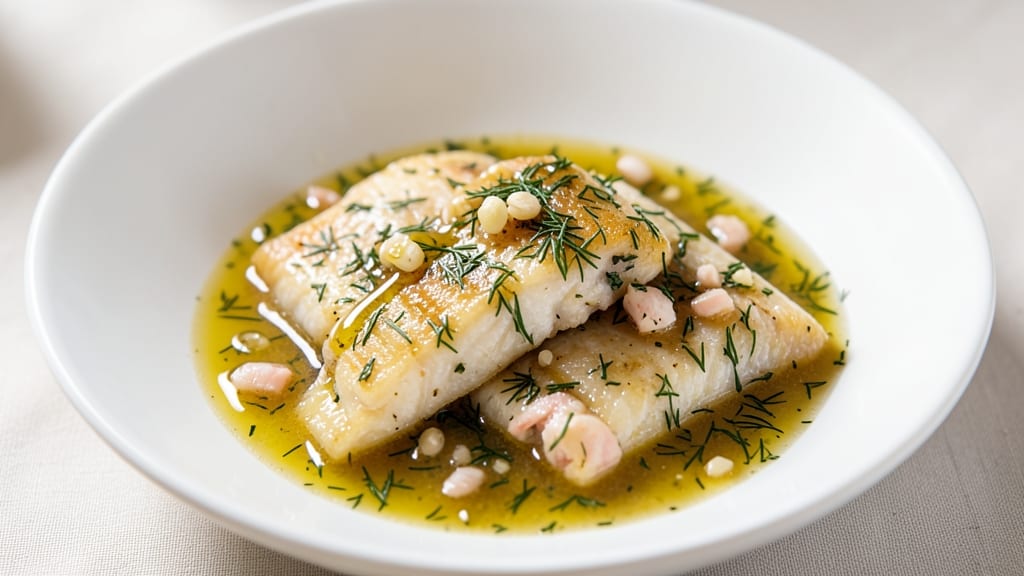
This crab sauce for fish recipe transforms simple seafood into a restaurant-worthy dish with just a few carefully chosen ingredients and precise technique. The secret lies in balancing sweet crab meat with bright lemon and fresh dill, creating a velvety, buttery sauce that clings perfectly to flaky fish fillets.
I developed this version after years of testing—what sets it apart is the slow reduction of cream and butter to achieve that signature silky texture without breaking.
The foundation of this sauce begins with shallots and garlic, gently cooked until fragrant but never browned—this prevents bitterness that can overpower the delicate crab flavor. Fresh dill and lemon juice add brightness that cuts through the richness, while a touch of cayenne provides just enough heat to complement seafood.
The sauce thickens naturally as it simmers, creating a luxurious consistency that's neither too thin nor too heavy.
What you'll end up with is a golden, aromatic crab sauce that's rich yet balanced, with tender crab pieces suspended in a velvety emulsion. It elevates even the simplest fish fillets—think cod, halibut, or mahi-mahi—turning them into showstopping centerpieces.
The best part? This sauce keeps beautifully in the refrigerator for up to 5 days, making it perfect for meal prep or entertaining.
Serve it warm over grilled fish, drizzle it across chilled seafood platters, or use it as a dip for crusty bread. The possibilities are endless, but the technique remains the same: precise timing and gentle heat ensure every spoonful delivers that perfect harmony of sweet, tangy, and herby flavors.
Let's get started on creating this game-changing sauce.
Ingredients for crab sauce for fish
Nine ingredients, one velvety sauce that turns plain fish into a seafood showstopper.
| Ingredient | Amount | Notes |
|---|---|---|
| Fresh Dill Weeds 🌿 | ½ cup | Finely chopped, stems removed |
| Lemon Juice 🍋 | ¼ cup | Freshly squeezed, no pulp |
| Unsalted Butter 🧈 | ¾ cup | Cold, cubed for even melting |
| Heavy Whipping Cream 🥛 | ½ cup | Full-fat for best texture |
| Shallots 🧅 | 3 whole | Finely minced, not browned |
| Garlic Cloves 🧄 | 3 cloves | Minced, not pressed |
| Crab Meat 🦀 | 1 lb | Lump or chunk style preferred |
| Extra-Virgin Olive Oil 🫒 | ¼ cup | For finishing, fruity variety |
| Cayenne Pepper 🔥 | ¼ tsp | Adjust for heat preference |
| Sea Salt 🧂 | ½ tsp | Fine grain, kosher preferred |
The crab meat is the star—fresh lump crab from a trusted seafood counter makes all the difference. Trident Seafoods or your local fishmonger's frozen section has great options. If using canned crab, drain it well and pat dry with paper towels—this prevents a watery sauce. Shallots and garlic are non-negotiable: mince them finely (a microplane works best) so they dissolve completely without bitterness. The butter and cream need to be cold when added—this creates those perfect ribbons when the sauce emulsifies. For dill, packed fresh leaves are a must; dried just won't cut it here.
No fresh dill? Fresh parsley at half the amount works in a pinch, though it'll lack that signature anise note. Ran out of heavy cream? Full-fat Greek yogurt adds tanginess but thickens differently—reduce the sauce longer. The olive oil finish is crucial: use a fruity, extra-virgin like California Olive Ranch for that bright, peppery kick. For heat, smoked paprika can replace cayenne if you prefer a sweeter warmth. And if you're using pre-cooked crab, pat it bone-dry before adding—this keeps the sauce from thinning out.
This sauce is a meal prep MVP—stores perfectly for 5 days in the fridge, sealed with a thin layer of olive oil on top to preserve freshness. For freezing, portion into ice cube trays, then transfer to a bag. Thaws beautifully in the fridge overnight. The sauce reheats like a dream: gentle simmer over low heat until just warmed through, stirring constantly to prevent breaking. Leftovers? Toss with cooked quinoa for a creamy crab salad, or drizzle over grilled shrimp for a quick weeknight dinner.
Why You'll Love This Recipe
- Same sauce, endless uses: slather it on grilled trout, drizzle over baked cod, or toss with pasta. Honestly, I’ve even used it as a dip—no one judges. (Okay, maybe they should.)
- No Chopping Needed: I swear by this—just mince those shallots once and let them sweat in butter. The rest? Stir, simmer, done. Even my "I-can't-find-a-knife" days work here.
- Tangy Creamy Magic: That lemon juice cutting through the richness? Chef’s kiss. The dill brightens every bite, and the cream makes it velvety—like a hug for your fish. (Yes, even if you’re serving picky eaters.)
- Weeknight to Dinner Party: Same sauce, endless uses: slather it on grilled trout, drizzle over baked cod, or toss with pasta. Honestly, I’ve even used it as a dip—no one judges. (Okay, maybe they should.)
Step-by-step instructions for crab sauce for fish
This velvety sauce comes together effortlessly with just a few simple techniques.
Sauté the Aromatics Until Fragrant
In a medium saucepan, melt the 0.75 cup unsalted butter over medium heat, stirring constantly until it foams and turns golden. Add the 3 whole shallots and 3 cloves garlic cloves—here's where the magic starts. Cook them for 3-4 minutes until the shallots soften and become translucent, but don't let them brown. You're building flavor, not making caramelized onions.
I like to press the shallots down gently with a wooden spoon to help them release their sweetness. This step is all about developing those foundational flavors that will shine through in the finished sauce. If you smell anything burning, immediately reduce the heat to medium-low—you want aroma, not smoke.
Add Crab Meat and Season Generously
Increase the heat to medium-high and add the 1 lb crab meat, stirring gently to distribute it evenly. Cook for 2-3 minutes until the crab begins to turn opaque—this ensures it's heated through without overcooking. Add the 0.5 tsp sea salt and 0.25 tsp cayenne pepper, stirring well to combine.
This is where the sauce starts to take shape. The crab releases its natural brininess, which will mellow out beautifully as we add the cream. Don't skip the cayenne—it adds just the right amount of kick that pairs perfectly with the lemon and butter. If you're using fresh crab meat, work quickly but don't rush the cooking time—undercooked crab will make the sauce taste raw.
Simmer with Lemon and Cream
Pour in the 0.25 cup lemon juice and 0.5 cup heavy whipping cream, stirring constantly. Bring the mixture to a gentle simmer over medium-low heat, then reduce the heat to low and let it cook for 5-7 minutes until it thickens slightly. You're looking for a sauce that coats the back of a spoon but isn't gluey.
Here's the thing—this sauce needs to thicken just enough to cling to fish but still remain silky. If it starts to separate or curdle, immediately reduce the heat to lowest and whisk vigorously. The acidity from the lemon can sometimes cause this, but don't worry—it's easily fixed with a little patience and attention.
Finish with Fresh Dill and Olive Oil
Remove the saucepan from heat and stir in the 0.5 cup fresh dill weeds. Let it steep for 2 minutes—this allows the dill to infuse the sauce with its bright, herby flavor. Then return the pan to low heat and drizzle in the 0.25 cup extra-virgin olive oil, stirring constantly until fully incorporated.
The olive oil adds richness and helps balance the acidity from the lemon. You'll notice the sauce becomes even more luxurious, with a beautiful sheen. Taste and adjust seasoning if needed—you might want to add a pinch more salt or a splash more lemon juice to perfect the balance. This is your chance to make it exactly how you like it.
Serve Warm Over Fresh Catch
Strain the sauce through a fine-mesh sieve if you prefer a smoother texture, pressing gently on the solids to extract every bit of flavor. Serve immediately over grilled, baked, or pan-seared fish, or use it as a dipping sauce for shrimp or oysters. The contrast of the warm, buttery sauce with cool seafood is pure perfection.
This sauce keeps well in the refrigerator for up to 3 days, but it's best enjoyed fresh. If it thickens too much when reheating, simply whisk in a splash of warm water or milk to loosen it. The key to success is keeping everything at a gentle simmer—never boiling, or you'll risk breaking the emulsion and losing that velvety texture.
Pro Tips For Making Crab Sauce For Fish
- Sweat the Shallots: Don’t rush them—get those shallots down to a translucent, jammy state before adding anything else. I used to toss them in with the butter and end up with raw, bitter chunks. A splash of water or cream helps them soften faster if they’re stubborn.
- Whisk the Cream Cold: Heavy cream straight from the fridge whips smoother and stays thicker longer in the sauce. I learned this after a batch turned into a sad, watery mess because I used warm cream. Keep it chilled until the very end.
- Salt the Butter Early: Season the butter before melting it—it dissolves better and spreads flavor evenly. I used to add salt at the end, and the sauce always tasted like it needed more. Trust me, this is the thing that matters most.
- Strain the Dill: Finely chop the fresh dill, then strain the sauce through a fine-mesh sieve to remove any tough stems. Sounds weird, but it works—your sauce will be silky, not gritty. (Yes, even if you’re impatient like me.)
Essential equipment for this recipe
Saucepan Essentials
Your medium saucepan should have a 3-quart capacity—this gives you enough room to work without overcrowding. I use a stainless steel pan like All-Clad because it distributes heat evenly and won’t react with acidic ingredients.
For budget-friendly options, Cuisinart MultiClad works perfectly. Avoid nonstick pans—they can’t handle the gentle simmering required for this sauce without losing flavor. 🌡️
Whisk for Emulsion
A balloon whisk with a long handle is non-negotiable for this recipe. The OXO Good Grips whisk is my go-to—it’s sturdy, won’t bend, and the angled prongs create perfect ribbons when incorporating butter.
For a splurge, the Mauviel Balloon Whisk is a chef’s dream. If you don’t have one, a flexible silicone whisk works in a pinch, but it won’t give you the same professional results.
Fine-Mesh Sieve
If you prefer a smoother sauce, a fine-mesh sieve (like Microplane’s Food Mill) is essential. It catches any stray crab shells or dill stems while allowing the sauce to pass through beautifully.
For a budget option, the Epicurean Fine Strainer does the job just as well. Pro tip: Press gently on the solids with a rubber spatula to extract every last drop of flavor. 💫
Wooden Spoon
A heat-resistant wooden spoon (I use Oxo Good Grips) is perfect for stirring the sauce—it won’t scratch your pan and helps prevent scorching. Avoid metal spoons at this stage, as they can conduct heat unevenly and cause hot spots.
If you don’t have wood, a heatproof silicone spatula works, but it won’t give you the same gentle control.
Measuring Tools
Precision matters with this sauce, so invest in a stainless steel measuring set like OXO Good Grips. For liquid ingredients, a graduated measuring cup with clear markings ensures accuracy. A microplane is a game-changer for shallots and garlic—it creates ultra-fine minces that dissolve seamlessly into the sauce.
If you’re short on time, a fine grater works, but it won’t be as efficient. 🔥
Optional: Immersion Blender
For an ultra-smooth texture, an immersion blender (like Ninja Foodi) lets you blend the sauce directly in the pan without transferring. This is especially useful if you’re making a large batch or prefer a completely silky consistency.
Just pulse briefly—you don’t want to over-blend and turn the sauce into a paste. If you don’t have one, a regular blender works, but you’ll need to transfer the sauce carefully to avoid splattering.
Nutrition facts
Frequently asked questions
Can I make this crab sauce without fresh crab meat?
Use 12 ounces of high-quality canned lump crab instead—just drain it thoroughly and pat it dry with paper towels. For extra flavor, add 1/2 teaspoon Old Bay seasoning along with the cayenne pepper. The texture will be slightly different but still delicious when paired with fish.
Why did my sauce separate when I added the cream?
This happens when the sauce gets too hot or the acidity from the lemon overpowers the fat. Reduce the heat to lowest immediately and whisk vigorously for 1-2 minutes. If needed, add 1 tablespoon cold butter while whisking to help re-emulsify. The key is gentle heat—never bring it to a full boil.
What fish pairs best with this sauce?
This sauce shines with delicate, flaky fish like cod, halibut, or mahi-mahi. For heartier options, try red snapper or sea bass. The sauce also works beautifully as a dip for shrimp skewers or oysters on the half shell—just chill it slightly before serving.
Can I make this sauce ahead of time?
Yes! This sauce keeps well in the refrigerator for up to 5 days when stored in an airtight container with a thin layer of olive oil on top. For freezing, portion into ice cube trays, then transfer to a bag. Thaw overnight in the fridge and reheat gently over low heat, stirring constantly to restore its silky texture.
How can I make this sauce spicier?
Double the cayenne to 1/2 teaspoon or add 1/4 teaspoon smoked paprika for depth. For extra heat, stir in 1/2 teaspoon hot sauce (like Tabasco) or a pinch of red pepper flakes at the end. If you love heat, try adding 1/4 teaspoon of finely chopped jalapeño along with the fresh dill.