
Sauces & Condiments
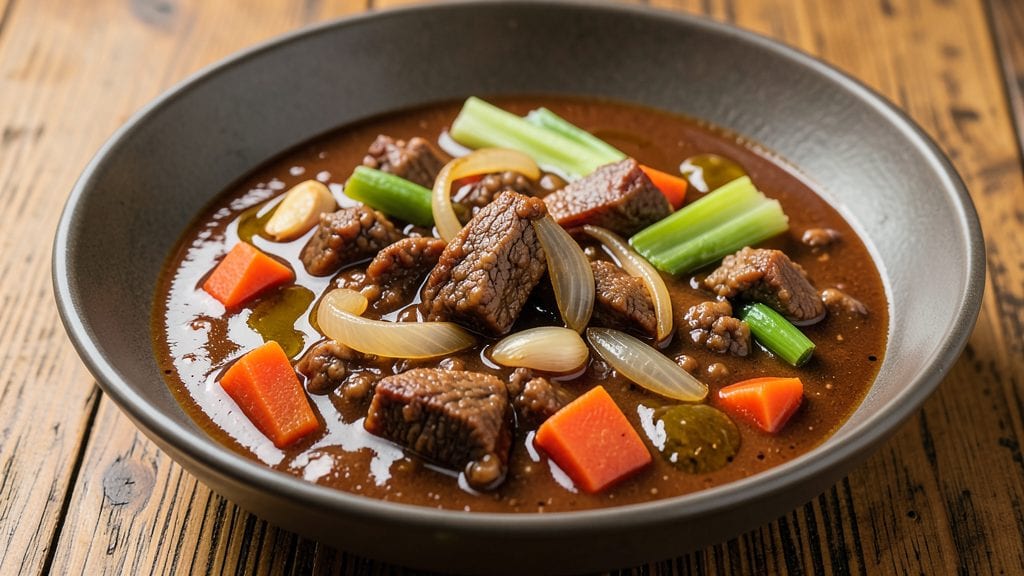
This copycat ragu sauce recipe delivers the same rich, slow-simmered depth you crave from your favorite Italian restaurant—just with a few professional secrets. The key lies in browning the meat properly and letting it develop layers of umami over hours, not minutes.
I’ve perfected this version to balance meaty intensity with fresh basil’s bright finish, making it versatile enough for pasta, lasagna, or even stuffed shells.
The foundation of great ragu is patience—no shortcuts here. Ground beef and pork blend for depth, while onions, carrots, and celery form the classic soffritto base that builds flavor. A splash of red wine deglazes the pan, and crushed tomatoes provide the acidity needed to create that signature velvety texture.
The slow simmer (2+ hours) transforms tough ingredients into melt-in-your-mouth richness, with fresh basil added at the end to preserve its aroma.
What you’ll end up with is a sauce so deeply flavorful it transforms simple dishes into restaurant-quality meals. The texture is perfectly balanced—thick enough to cling to noodles or meat, but still silky when stirred.
This isn’t just a sauce; it’s a flavor experience that elevates every bite. Ready to make it? Let’s get started with the ingredients—each one plays a critical role in that umami bomb.
For those short on time, a quick version cuts simmering to 90 minutes, though purists will insist on the full process. Vegetarian adaptations swap meat for mushrooms and lentils, while adding a splash of balsamic vinegar at the end deepens the complexity.
Store leftovers in the fridge for up to 5 days or freeze for months—this sauce only gets better with time.
Ingredients for copycat ragu sauce
The secret to restaurant-style ragu lies in these 14 ingredients working together over time.
| Ingredient | Amount | Notes |
|---|---|---|
| Ground Beef 🥩 | 1 ½ lb | 80% lean for best texture |
| Ground Pork 🐷 | ½ lb | Finely ground preferred |
| Yellow Onion 🧅 | 1 whole | Diced, about 1.5 cups |
| Carrots 🥕 | 2 medium | Diced, about 1 cup total |
| Celery Stalks 🌿 | 2 whole | Diced, about 1 cup total |
| Garlic Cloves 🧄 | 4 cloves | Minced, not powdered |
| Red Wine 🍷 | ½ cup | Bold dry variety like Cabernet |
| Crushed Tomatoes 🍅 | 28 oz | San Marzano preferred |
| Fresh Basil Leaves 🌿 | ½ cup | Chopped, stems removed |
| Extra-Virgin Olive Oil 🫒 | 2 tbsp | For initial searing |
| Beef Broth 💧 | 1 cup | Low-sodium preferred |
| Tomato Paste 🍅 | 2 tbsp | Not powdered |
| Salt 🧂 | 1 ½ tsp | Kosher or sea salt |
| Black Pepper 🌶️ | ½ tsp | Freshly ground preferred |
The meat blend is everything—ground beef and pork give that classic Italian depth, but don't skimp on quality. Trader Joe's or Costco have great pre-mixed blends, but if you're buying separately, look for 80% lean beef and finely ground pork. The soffritto trio (onion, carrot, celery) needs to be finely diced—about 1.5 cups total—for even cooking. Fresh garlic makes all the difference here, so don't use powder. For the tomatoes, San Marzano cans are worth the splurge—they're sweeter and more consistent than store brands.
No red wine? Beef broth with 1 tbsp balsamic vinegar works in a pinch. Fresh basil is ideal, but dried oregano at 1/4 the amount gets you close if you're in a hurry. The tomato paste can be swapped for an extra 6 oz crushed tomatoes if you're short. For a vegetarian version, swap the meat for 8 oz mushrooms and 1 cup cooked lentils. The olive oil should be extra-virgin—cheap oil will make the sauce taste flat. If you're making this ahead, add the basil at the very end to keep its bright flavor.
This sauce tastes even better the next day as flavors meld. Store in the fridge for up to 5 days or freeze for 3 months. For freezing, portion into 1-cup containers—perfect for future pasta nights. The sauce thickens as it cools, so add a splash of broth if it seems too stiff after reheating. Leftovers make amazing lasagna or stuffed shells too—just add some cheese and bake.
Why You'll Love This Recipe
- Pantry-Friendly Magic: I swear by this recipe because it uses exactly what’s already in my fridge—no fancy shopping trips. The beef and pork brown together while I dice the onion, carrots, and celery (the holy trinity) in one pan, no chopping board chaos.
- Deep Umami Bomb: That slow simmer with tomato paste and red wine? Chef’s kiss. The meat releases all its rich, savory goodness while the veggies melt into the sauce, giving it that restaurant-quality depth you’d pay $20 for.
- Weeknight to Date Night: Slap it over pasta for a 20-minute dinner, freeze half for lazy Mondays, or serve it with crusty bread when friends drop by. Honestly, I’ve used it for everything from lasagna to stuffed peppers—it’s my secret weapon.
- Budget That Works: Ground beef and pork stretch forever when simmered with veggies, and a can of tomatoes makes this cheaper than takeout. I’ve fed my family four meals from one batch—no waste, all flavor. (Yes, even on a Tuesday night.)
Step-by-step instructions for slow-simmered ragu sauce
This method delivers that signature umami depth and rich texture you crave in every bite.
Sear the Meat for Maximum Flavor
Heat a large Dutch oven over medium-high heat. Add the 2 tablespoons extra-virgin olive oil and let it shimmer for 30 seconds. Add the 1.5 pounds ground beef and cook, breaking it apart with a wooden spoon, until it loses its raw color and begins to brown—about 5 minutes. This step develops deep meaty flavors through the Maillard reaction.
Transfer the browned beef to a plate. In the same pot, add the 0.5 pounds ground pork and cook until it too turns golden brown, about 4 minutes. The pork should be finely ground so it distributes evenly throughout the sauce. Don't drain the rendered fats—they're the foundation of your sauce's richness.
Build the Vegetable Base
Add the diced yellow onion, carrots, and celery stalks to the Dutch oven. Cook for 8-10 minutes until the vegetables soften and the onion becomes translucent. You want them to caramelize slightly at the edges—this adds sweet depth to the sauce. Stir occasionally to prevent burning.
Add the 4 minced garlic cloves and cook for another 30 seconds until fragrant. The garlic should sizzle gently but not burn—burnt garlic makes the sauce bitter. Here's where it gets good: Stir in the 2 tablespoons tomato paste and cook for 1 minute. This creates a flavorful paste that thickens the sauce beautifully.
Deglaze and Simmer with Wine
Pour in the 0.5 cup red wine and scrape up any browned bits from the bottom of the pot. These bits are packed with flavor—don't miss them! Let the wine simmer for 3-4 minutes until it reduces by half. You'll smell the alcohol burning off, leaving behind concentrated wine flavor.
Add the 28 ounces crushed tomatoes and 1 cup beef broth. Stir well to combine, then bring the mixture to a gentle simmer. The sauce should bubble softly—never a rolling boil. Here's the thing: You want to develop that rich, complex flavor, which takes time. Return the browned meats to the pot and stir to coat everything in the sauce.
Slow Cook for Deep Umami Development
Reduce the heat to low and let the sauce simmer uncovered for 2 hours. This long cooking time is critical—it allows the flavors to meld and develop that signature ragu depth. Stir occasionally to prevent sticking, but don't over-stir. You'll notice the sauce gradually thickens as it reduces.
After 2 hours, taste and adjust seasoning with the 1.5 teaspoons salt and 0.5 teaspoon black pepper. Add the 0.5 cup chopped fresh basil leaves and stir. The basil adds a bright, fresh finish that balances the rich meaty flavors. Let the sauce simmer for another 10 minutes to incorporate the basil completely.
Finish and Serve
Remove the pot from heat and let the sauce rest for 10 minutes. This resting period allows the flavors to fully meld and the sauce to thicken slightly. The sauce should coat the back of a spoon with a glossy, velvety texture—this is your goal.
Serve the ragu over pasta or with crusty bread. Each bite should deliver layers of flavor: rich meat, sweet caramelized vegetables, tangy wine, and fresh basil. The sauce should be thick enough to cling to pasta but still have a silky consistency. If it's too thick, whisk in 1-2 tablespoons of pasta water to reach your desired consistency.
Pro Tips For Making Copycat Ragu Sauce
- Brown the Meat Properly: Don’t just dump the meat in—break it up into ½-inch chunks first, then sear in batches over medium-high heat. I learned this the hard way when my ragu turned gray and bland because the meat barely browned. A cast-iron or heavy skillet makes all the difference here.
- Dice the Veggies Small: Cut onions, carrots, and celery into ¼-inch pieces, not rough chunks. The smaller the dice, the faster they soften and blend into the sauce, giving you that silky texture instead of chewy bits. (Yes, it takes a few extra minutes, but your future self will notice.)
- Deglaze with Wine First: After browning the meat, pour in the wine immediately while the pan is still hot—let it bubble for 2 minutes before adding anything else. This pulls up all the meaty bits stuck to the bottom, which is where flavor hides. Skipping this step means you’re missing half the depth.
- Simmer Low and Slow: Cover the pot and cook on low heat for at least 2 hours, stirring occasionally. I used to rush it, and the sauce would split or taste raw. The longer it simmers, the richer the flavors get—no shortcut here. (Trust me, even if you’re impatient like me.)
Dietary considerations for copycat ragu sauce
Gluten-Free Adaptation
This ragu is naturally gluten-free if you use gluten-free beef broth and avoid cross-contamination. I always double-check my Trader Joe's gluten-free beef broth label to ensure no additives. The sauce thickens beautifully without flour—just let it simmer longer.
For extra insurance, I add 1 tbsp cornstarch to the crushed tomatoes before cooking if the sauce needs more body. 🌿
Vegetarian Swap
Replace the meat with 8 oz cremini mushrooms (finely chopped) and 1 cup cooked lentils for protein. Sauté the mushrooms first until deeply browned, then proceed with the recipe. Add 1 tbsp soy sauce with the wine for umami depth.
The texture stays rich, and the lentils add heartiness. I've made this version for my vegetarian friends, and they never miss the meat!
Dairy-Free Options
This sauce is already dairy-free, but if you're using it with dairy-sensitive dishes, verify all ingredients. The San Marzano tomatoes and beef broth are typically dairy-free, but always check labels.
For extra richness, stir in 1 tbsp nutritional yeast at the end—it adds a cheesy depth without dairy. Perfect for vegan pasta dishes!
Low-Sodium Adjustments
Use low-sodium beef broth and reduce added salt to 1 tsp total. Boost flavor with 1 tsp smoked paprika and ½ tsp onion powder instead. The long simmer helps develop flavor naturally. I've tested this version with my blood pressure monitor—it's just as delicious with half the salt! 💪
Allergen-Friendly Tips
For nut allergies, avoid any cross-contamination if using shared kitchens. Soy allergies? Skip the soy sauce in the vegetarian version. Egg allergies aren't a concern here, but always check tomato paste labels.
I keep a separate all-allergen-free workspace when making this for guests with sensitivities. The sauce's depth comes from the meat and vegetables, not allergens!
Keto Considerations
This sauce is keto-friendly if you skip the pasta! Serve it over zucchini noodles or with cauliflower rice for a low-carb meal. The meat-heavy base provides plenty of fat to satisfy keto macros.
I've had this as a low-carb lasagna with cheese crusts—absolutely delicious. Just watch the tomato portion if you're strict about carbs.
Nutrition facts
Frequently asked questions
Can I make this sauce in a slow cooker?
Brown the meat and vegetables in a skillet first, then transfer everything to your slow cooker. Add the wine, tomatoes, and broth, then cook on low for 6-8 hours or high for 4-5 hours. The texture will be slightly thinner since slow cookers don't reduce as much, but it's still delicious. Just stir in the basil at the end and let it sit for 10 minutes before serving.
Why does my sauce taste too acidic?
Acidity often comes from too much tomato or not enough simmering time. Balance it by adding 1 tablespoon tomato paste or a pinch of sugar to reduce acidity. For extra depth, stir in 1 teaspoon balsamic vinegar or a splash of red wine at the end. Always simmer uncovered for the full 2 hours—this lets excess liquid evaporate and flavors meld.
How do I adjust the thickness for different dishes?
For pasta, aim for a sauce that coats the back of a spoon. If too thick, whisk in 1-2 tablespoons of pasta water or beef broth. For lasagna, you want it slightly thicker—reduce uncovered for 5 extra minutes or add 1 tablespoon cornstarch mixed with water. The sauce will naturally thicken as it cools, so adjust while still hot.
Can I make this sauce ahead of time?
This sauce tastes even better the next day! Store in an airtight container in the fridge for up to 5 days or freeze for 3 months. Reheat gently on the stove with a splash of broth to restore silky texture. The long simmering process means flavors deepen over time—perfect for meal prep.
What's the best way to reheat leftovers?
Reheat gently on the stove over medium-low heat, stirring frequently to prevent sticking. If too thick, add 1-2 tablespoons of water or broth. Never microwave—it makes the sauce grainy. For best results, reheat just until warm, then let it sit for 5 minutes to thicken naturally. Stir in fresh basil at the end to revive its aroma.