
Sauces & Condiments
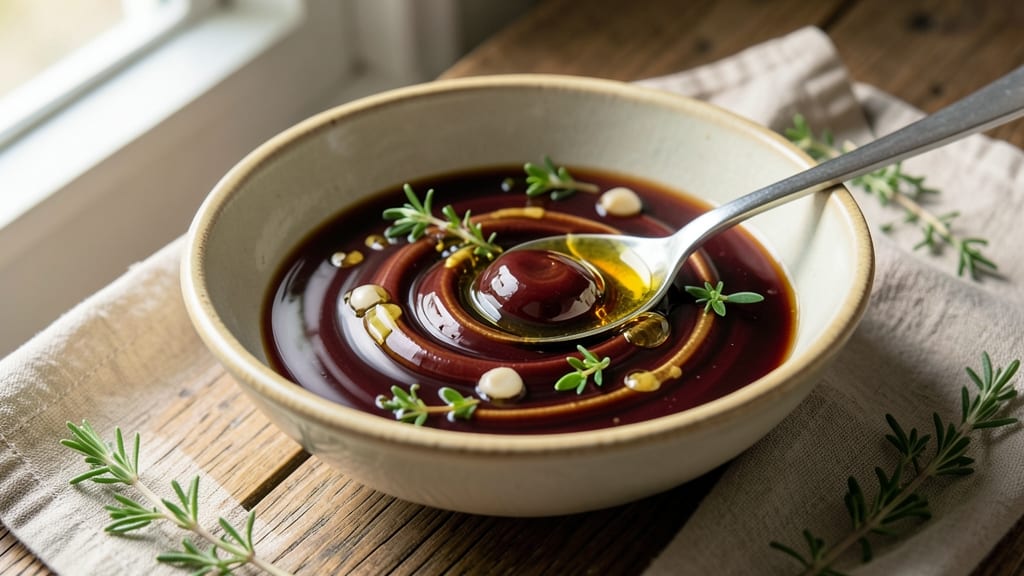
This balsamic vinegar dipping sauce transforms ordinary bites into something extraordinary with its perfect balance of sweet, tangy, and rich flavors. 💛 The secret lies in reducing balsamic vinegar until it thickens into a glossy, caramelized sauce that coats every crispy fry or fresh vegetable with an addictive sheen.
What makes this recipe stand out is how effortlessly it comes together—just a few pantry staples and a little patience for that signature depth of flavor.
The magic happens when you simmer balsamic vinegar with honey or sugar, creating a sauce that’s both vibrant and complex. A splash of Dijon mustard adds a subtle kick, while fresh herbs like thyme or rosemary elevate it from simple to sophisticated.
This sauce isn’t just for fries—it’s equally at home with roasted Brussels sprouts, grilled chicken, or even as a glaze for seared scallops.
What you’ll end up with is a velvety, slightly sticky sauce that clings beautifully to food, delivering layers of umami and brightness in every bite. The reduction process concentrates the flavors, turning a basic vinegar into something luxurious and versatile.
Whether you’re hosting a game day or simply craving a restaurant-worthy dip, this sauce delivers restaurant-quality results in just 15 minutes.
Use it immediately for maximum impact, or store it in the fridge for up to two weeks—it only gets better as the flavors meld. The possibilities are endless: drizzle it over salads, toss it with pasta, or serve it as a standalone dip.
Here’s how to make it perfectly every time.
Ingredients for balsamic vinegar dipping sauce
Eight simple ingredients transform basic balsamic into a restaurant-worthy sauce everyone will crave.
| Ingredient | Amount | Notes |
|---|---|---|
| Balsamic Vinegar 🍷 | 1 cup | High-quality aged balsamic preferred |
| Honey 🍯 | ¼ cup | Wildflower or clover preferred |
| Dijon Mustard 🧄 | 1 tbsp | For subtle tangy kick |
| Fresh Thyme Leaves 🌿 | ½ tsp | Or 0.25 tsp dried thyme |
| Garlic Cloves 🧄 | 1 whole | Minced for depth of flavor |
| Extra-Virgin Olive Oil 🫒 | 1 tbsp | For richness and finish |
| Sea Salt 🧂 | ¼ tsp | Diamond Crystal preferred |
| Black Pepper 🌶️ | ⅛ tsp | Freshly ground for best flavor |
The balsamic vinegar is the star—look for aged varieties at specialty stores like Whole Foods or Trader Joe's for deeper flavor. I always grab a bottle labeled 'extra aged' (12+ years) when I can afford it—it makes a noticeable difference. Fresh thyme is ideal, but dried thyme works too if that's what you've got. The honey? Wildflower or clover adds subtle floral notes that complement the balsamic beautifully. For garlic, one whole clove is perfect—too much can overpower the delicate balance of flavors in this sauce.
No honey? Brown sugar or maple syrup works in a pinch—just reduce the liquid slightly longer. Short on thyme? Fresh rosemary at half the amount gives a different but equally lovely herbal note. The Dijon mustard is non-negotiable for that signature tang, but if you're out, yellow mustard in a pinch. Olive oil matters here—use something fruity and peppery, like California Early Harvest. The salt and pepper are just for seasoning, but don't skip them—they round out all the other flavors beautifully.
This sauce gets better with time, so make extra—it keeps for 2 weeks in the fridge. The reduction process concentrates the flavors, so it only improves over a few days. I like to store it in a small glass jar with a tight seal. For serving, I pour it into a pretty bowl with a drizzle of olive oil on top—it looks fancy and makes the sauce last longer. Freezes beautifully too if you want to make a big batch for game day.
Why You'll Love This Recipe
- Foolproof Simplicity: I swear by this recipe because it’s the kind of thing you can make with your eyes closed—just simmer the balsamic and honey until it thickens slightly, then fold in the mustard and minced garlic. No whisking, no straining, no stress. (Yes, even on a Tuesday night when you’re already tired.)
- Sweet-Savory Magic: That first bite? The honey cuts through the sharpness of the balsamic while the Dijon mustard adds this just-right tang, and the thyme? It’s like a little herbal hug. Honestly, it’s the kind of sauce that makes you pause mid-bite just to appreciate how good it is.
- Game for Any Occasion: I keep this in my fridge for everything—drizzled over grilled chicken, stirred into pasta, or slathered on fresh mozzarella. It’s my go-to for game day snacks, lazy weekends, or when I’m craving something fancy but don’t want to cook. (Between us, it’s also the star of my charcuterie board.)
- Zero-Waste, Zero-Guilt: A little goes a long way, so you’ll have leftovers for days without it turning weird. The balsamic and honey actually improve over time, and since it’s just pantry staples, you’re not breaking the bank. I’ll be real: I’ve made this with store-bought thyme and fresh, and both work—no judgment here.
Step-by-step instructions for sweet-tangy balsamic dipping sauce
Here's how to create a velvety, balanced sauce that pairs perfectly with anything fried or fresh.
🍳 Step 1: Simmer Vinegar and Honey Until Smooth
In a medium saucepan, combine the 1 cup balsamic vinegar and 0.25 cup honey. Place over medium-high heat and bring to a gentle boil. Watch closely—the mixture will bubble vigorously at first, but you want it to reduce gradually rather than boil violently.
Once boiling, reduce heat to medium-low and let it simmer uncovered for 10-12 minutes, stirring occasionally with a wooden spoon. You're looking for the mixture to reduce by about half—when it thickens noticeably and coats the back of a spoon. This reduction concentrates the flavors and creates that glossy finish. If it reduces too quickly, lower the heat slightly to prevent burning.
👨🍳 Step 2: Add Aromatics and Seasonings
Remove the pan from heat and let it cool slightly for 2-3 minutes. While it cools, mince the 1 whole garlic clove finely (I like to use the flat side of my chef's knife for this) and finely chop the 0.5 tsp fresh thyme leaves.
Return the pan to low heat and stir in the minced garlic and thyme. Let them warm through for 30 seconds—just enough to release their aromas without burning. Then add the 1 tbsp Dijon mustard, 1 tbsp extra-virgin olive oil, 0.25 tsp sea salt, and 0.125 tsp black pepper. Stir constantly for 1 minute to fully incorporate all ingredients. The sauce should look glossy and well-combined, with no visible streaks of oil.
🥘 Step 3: Finish and Strain for Silky Texture
Taste the sauce and adjust seasoning if needed—I usually add a pinch more salt or pepper at this stage. For an ultra-smooth texture, strain the sauce through a fine-mesh sieve into a clean bowl or jar. This removes any thyme stems or garlic bits that might make the sauce gritty.
Let the sauce cool to room temperature before serving. If you're in a hurry, transfer it to a heatproof container and place it in an ice bath to cool quickly. The sauce will thicken slightly as it cools, which is perfect for dipping. Store leftovers in the refrigerator for up to 1 week—it actually improves with time as the flavors meld.
⏰ Step 4: Serve Warm or Cold for Maximum Flavor
For best results, gently reheat the sauce before serving by placing the jar in a bowl of warm water for 2-3 minutes. This maintains its silky texture without breaking it down. The sauce works beautifully on golden fries, crispy roasted vegetables, or even as a marinade for grilled meats.
Here's the thing about this sauce—it's versatile but best when used fresh. The balance of sweet, tangy, and herbal notes shines brightest when the sauce is at room temperature or slightly warm. If it thickens too much when cold, simply whisk in 1-2 teaspoons of warm water to reach your desired consistency.
Pro Tips For Making Balsamic Vinegar Dipping Sauce
- Simmer, Don’t Boil: The honey and balsamic vinegar need to marry gently—if you crank the heat, you’ll end up with a bitter, sharp sauce instead of a balanced one. Keep it at a low simmer, where tiny bubbles just break the surface, and stir occasionally to prevent scorching. I learned this after one batch tasted like vinegar had taken over a chemistry lab.
- Mince Garlic Fine: No one wants to bite into a chunk of garlic while dipping. Use a knife to finely mince the cloves (or pulse them briefly in a food processor) so they dissolve smoothly into the sauce. If you’re lazy and just chop roughly, strain the sauce afterward—your guests will thank you.
- Balance the Sweetness: Honey and balsamic vinegar are a classic combo, but too much honey can make the sauce cloying. Start with a 1:1 ratio of vinegar to honey, then taste as you go. If it’s too sweet, add a splash more vinegar; if it’s too sharp, drizzle in more honey. Your taste buds will guide you better than a recipe ever could.
- Toast the Thyme Leaves: Fresh thyme isn’t just for garnish—it adds depth. Lightly crush the leaves between your fingers before adding them to the sauce, or even better, warm them in a dry pan for 30 seconds until fragrant. This releases their oils and makes the flavor pop. (Yes, it’s a small step, but it makes a real difference.)
Best sauces and condiments for these flavors
Sweet-Tangy Balance
This sauce thrives on the perfect harmony between sweet and tangy flavors. The honey (or brown sugar) softens the sharpness of the balsamic vinegar, while the Dijon mustard adds a subtle depth that keeps things interesting.
I always start with equal parts sweetener and vinegar, but adjust based on taste—if it's too sweet, add a splash of extra vinegar; if too sharp, stir in a bit more honey. 🌶️
The reduction process is key—simmering until the mixture thickens concentrates the flavors and creates that signature glossy sheen. Don’t rush it; patience here makes all the difference.
For extra richness, I sometimes add a pinch of balsamic reduction (the leftover caramelized bits from a bottle) at the end for a deeper umami kick.
Herb and Aromatic Variations
Fresh thyme is my go-to herb, but don’t be afraid to experiment. Rosemary adds a piney brightness, while basil gives a fresher, more Mediterranean vibe.
For a smoky twist, swap in smoked paprika (½ tsp) or a dash of liquid smoke—just a whisper, about ¼ tsp, is enough to transform the flavor profile. 🌿
Garlic is non-negotiable for depth, but if you’re sensitive to its boldness, use just ½ a clove or try asafetida (a pinch) for a milder, savory note. The olive oil at the end adds a luxurious finish—opt for a fruity variety like California Early Harvest for the best results.
Texture and Thickness Tips
If your sauce thickens too much when cold, whisk in 1-2 teaspoons of warm water to loosen it up. For a thicker consistency, simmer the vinegar and honey mixture for an extra 2-3 minutes.
The sauce should coat the back of a spoon but still be pourable—this ensures it clings beautifully to fries or veggies without being gluey. 🍴
For a silky-smooth finish, strain the sauce through a fine-mesh sieve before serving. This removes any herb stems or garlic bits, giving you a velvety texture that’s perfect for dipping.
If you’re short on time, a quick blend in a food processor works too—just pulse briefly to avoid breaking down the flavors.
Serving Suggestions
This sauce is a game-changer for golden fries, but it’s equally amazing with crispy Brussels sprouts, grilled chicken, or even seared scallops. For extra flair, drizzle it over arugula salads or toss it with pasta before serving.
I love serving it warm in a small bowl with a sprinkle of flaky sea salt and a few thyme leaves on top for garnish. 🥗
For a make-ahead option, store the sauce in an airtight container in the fridge for up to 2 weeks—it only gets better as the flavors meld. Reheat gently in a saucepan or microwave, stirring occasionally to avoid separation.
A splash of warm water can help restore its glossy texture if it thickens too much during storage.
Nutrition facts
Frequently asked questions
Can I use white balsamic vinegar instead of aged?
Yes, but the flavor will be milder and less complex. White balsamic has a lighter color and sweeter taste, so you might want to add an extra ½ teaspoon of Dijon mustard or a pinch of smoked paprika to enhance depth. For best results, use aged balsamic—it develops those rich caramel notes during reduction that make this sauce truly special.
What if my sauce turns out too sweet or too tangy?
Easy fixes! If it's too sweet, stir in 1-2 teaspoons of extra balsamic vinegar and simmer for 1-2 minutes to balance it. For a tangier sauce, add ½ teaspoon more Dijon mustard or a splash of lemon juice. Taste as you go—this sauce is all about that perfect harmony!
How do I store leftovers to keep them fresh?
Transfer the cooled sauce to an airtight container and refrigerate for up to 2 weeks. The flavors actually improve over time! To reheat, place the jar in a bowl of warm water for 2-3 minutes—this maintains its silky texture. If it thickens too much, whisk in 1 teaspoon of warm water to restore consistency.
Can I make this sauce without honey?
Swap the honey for ¼ cup brown sugar or 3 tablespoons maple syrup—both work beautifully. For a fruitier twist, try 2 tablespoons apricot jam instead. Just remember that sugar-based sweeteners might require an extra 1-2 minutes of simmering to achieve the same reduction.
What's the best way to thin out a thickened sauce?
If your sauce becomes too thick when cold, simply whisk in 1-2 teaspoons of warm water or apple cider vinegar (for extra tang). For a smoother texture, strain it through a fine-mesh sieve. If you prefer it thicker, simmer the vinegar and sweetener mixture for an extra 2-3 minutes next time—just watch closely to avoid burning.