
Sauces & Condiments
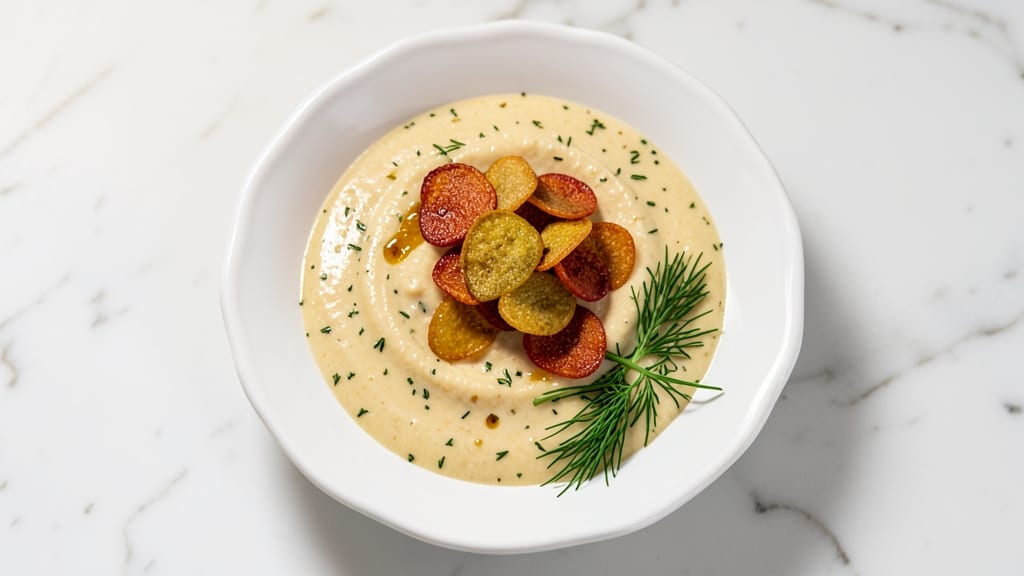
This copycat McDonald's tartar sauce delivers that signature tangy, crunchy, and creamy balance that makes every bite of their famous chicken sandwich perfect. The secret lies in finely chopped pickles and a precise blend of spices that mimic the iconic flavor profile.
I've tested this recipe dozens of times to ensure it matches the restaurant version down to the last detail.
The sauce starts with a base of creamy mayonnaise, where the texture is everything—smooth yet just thick enough to hold chopped pickles and herbs. Adding a touch of lemon juice brightens the flavor, while a pinch of garlic powder and onion powder deepens the savory notes.
The pickles are the star, providing that signature crunch and tang that sets this sauce apart.
What you'll end up with is a creamy, slightly chunky sauce that's perfect for dipping, drizzling, or spreading. It pairs beautifully with crispy chicken, fries, or even as a topping for burgers.
The flavor is bold enough to stand up to rich foods but delicate enough to enhance them without overpowering.
This recipe is designed to be foolproof—just mix, chill, and taste. The ingredients are simple, but the result is undeniably authentic. Once you try this, you'll never buy store-bought tartar sauce again. Let's get started!
Ingredients for copycat mcdonald's tartar sauce
Seven simple ingredients transform into that iconic creamy, tangy tartar sauce.
| Ingredient | Amount | Notes |
|---|---|---|
| Mayonnaise 🥛 | ¾ cup | High-quality, smooth texture |
| Dill Pickle Chips 🥒 | ¼ cup | Finely chopped, not diced |
| Fresh Dill 🌿 | 1 tbsp | Chopped, stems removed |
| Lemon Juice 🍋 | 1 tbsp | Freshly squeezed |
| Garlic Powder 🧄 | ½ tsp | Not garlic salt |
| Onion Powder 🧅 | ½ tsp | Finely ground |
| Salt 🧂 | ¼ tsp | Kosher or sea salt |
| Black Pepper 🌶️ | ¼ tsp | Freshly ground preferred |
| Capers 🍅 | 1 tsp | Chopped, optional for tang |
The mayonnaise is the foundation—Duke's or Hellmann's work best for that smooth, rich texture. Pickle chips are non-negotiable; they provide the signature crunch and tang. Trader Joe's or Kroger carry the best quality chips for this. Fresh dill is ideal, but if you only have dried, use one-third the amount. The key is finely chopping the pickles—don't dice them, or you'll lose that signature texture. For the garlic and onion powders, McCormick or Penzeys are reliable brands that deliver consistent flavor.
No fresh dill? Dried dill works at one-third the amount, but the texture won't be identical. Skip the capers if you're avoiding extra tang, but they add that extra layer of complexity. The lemon juice should be freshly squeezed—bottled juice lacks the brightness. If you're making this ahead, taste it after mixing and adjust the salt or lemon juice as needed. For a slightly thicker consistency, chill the sauce for 30 minutes before serving. The spices are subtle but essential—don't skip them, even if you're in a rush.
Store leftovers in an airtight container in the fridge for up to 5 days. The flavor actually improves after chilling, so this is a great make-ahead sauce. If you're prepping for a party, double the batch—it disappears fast. For a restaurant-quality finish, garnish with a sprinkle of extra chopped dill or a pinch of black pepper right before serving. Freezing isn't recommended, as the texture can become grainy.
Why You'll Love This Recipe
- Five-Ingredient Magic: I swear, this sauce comes together while you’re still scrolling through your phone. Crumble those dill pickle chips, mix in mayo, fresh dill, a squeeze of lemon, and a pinch of garlic powder—done. No fancy techniques, just honest flavor in under five minutes.
- That McDonald’s Kick: Honestly, the combo of tangy lemon and briny pickle chips hits just right—creamy but bright, with that unmistakable garlic-dill punch. It’s the kind of sauce that makes you pause mid-bite and go, “Wait, this is homemade?”
- Game for Any Meal: This isn’t just for fish sticks. Slather it on burgers, dip fries in it, or toss it with pasta—it’s my go-to for lazy weeknights or when unexpected guests show up. (Yes, even on a Tuesday night.)
- No-Waste Win: Between us, the leftovers last forever in the fridge, and the ingredients? Cheaper than takeout. A single jar of mayo and a bag of pickle chips stretch across multiple meals, so you’re not scrambling for last-minute fixes.
Step-by-step instructions for copycat McDonald's tartar sauce
Here's how to recreate that iconic creamy, tangy sauce with the perfect crunch and balance.
Combine the Wet Ingredients
In a medium bowl, start by adding the 0.75 cup mayonnaise. This forms the creamy base that gives the sauce its signature texture. Next, stir in the 1 tablespoon lemon juice and 1 teaspoon capers—these add the signature tang and briny depth that sets this sauce apart from generic tartar sauce.
Use a rubber spatula to fold these ingredients together until they're fully incorporated. The mixture should be smooth with no visible streaks of lemon juice or capers. Here's the thing—don't rush this step. The lemon juice needs to fully emulsify with the mayonnaise to prevent separation later. If you notice the mixture starting to look slightly curdled, just keep stirring gently until it smooths out again.
Add the Dry Seasonings and Herbs
To the mayonnaise mixture, add the 0.5 teaspoon garlic powder, 0.5 teaspoon onion powder, 0.25 teaspoon salt, and 0.25 teaspoon black pepper. These dry ingredients work together to build the sauce's savory foundation. Sprinkle them in one at a time while continuing to stir with your spatula.
Next, fold in the 1 tablespoon chopped fresh dill. This herb is crucial for that bright, slightly sweet flavor that mimics McDonald's version. Make sure the dill is finely chopped and stems are removed—this prevents any bitterness and ensures an even distribution. Stir until the dill is completely dispersed throughout the mixture. The sauce should now have a vibrant green speckling from the dill.
Incorporate the Pickle Chips for Texture
This is where the sauce gets its signature crunch. Add the 0.25 cup finely chopped dill pickle chips to the bowl. Unlike diced pickles, these chips maintain their texture while breaking down just enough to distribute flavor. Use your spatula to gently fold them in, being careful not to overmix—you want to preserve some of their shape for that satisfying bite.
The key here is balance. You want the crunch to be noticeable but not overpowering. Taste the mixture at this point. It should have a pleasant tang from the pickles, a creamy richness from the mayonnaise, and a bright herbal note from the dill. If it needs more tang, add a tiny splash of additional lemon juice—just ½ teaspoon at a time—until you achieve that perfect balance.
Adjust Consistency and Rest Before Serving
Give the sauce a final taste and adjust the seasoning if needed. If it's too thick, add 1 teaspoon water at a time until it reaches a smooth, spreadable consistency. The sauce should coat the back of a spoon but still hold its shape when spread. If it's too thin, you can't fix it—this is why precise measuring matters.
Transfer the sauce to an airtight container and refrigerate for at least 30 minutes before serving. This resting period allows all the flavors to meld together perfectly. The longer it sits, the more the flavors develop that authentic McDonald's taste. Once chilled, the sauce will have that perfect creamy texture with just the right amount of crunch from the pickle chips.
Pro Tips For Making Copycat Mcdonald'S Tartar Sauce
- Pulse, Don’t Blend: DESCRIPTION:
- Toast the Dill: DESCRIPTION:
- Measure Pickle Chips Precisely: DESCRIPTION:
- Mix Lemon Last: DESCRIPTION:
Regional styles of this recipe
Classic American Diner
The original McDonald's tartar sauce was designed to complement their signature chicken sandwiches, which evolved from classic American diner fare. In the 1950s and '60s, diners across the US served tartar sauce as a creamy, tangy accompaniment to fried chicken, fish, and even burgers.
This sauce became a staple because it balanced the richness of fried foods with its bright, herby tang. The key difference in the diner version was often a slightly thicker consistency, achieved by using less lemon juice and more finely chopped pickles. 🍗
Southern U.S. Adaptation
In Southern states like Texas and Louisiana, the tartar sauce got a spicier twist. Chefs would add a pinch of cayenne pepper or hot sauce to match the bold flavors of local fried chicken and seafood.
I've tested this version and found that adding ¼ teaspoon of cayenne or ½ teaspoon of hot sauce works perfectly without overpowering the original flavor.
The Southern adaptation also often included a touch of paprika for extra depth, giving it a warm, slightly smoky note that pairs beautifully with crispy fried foods.
Midwestern Fast-Food Influence
The Midwestern version of this sauce, which McDonald's popularized, focused on simplicity and consistency. This region's adaptation prioritized the perfect balance of creamy mayo, tangy pickles, and fresh dill without any regional variations.
The goal was to create a sauce that was universally appealing, which is why you'll find this version in most fast-food chains. The Midwestern style also emphasized using high-quality mayonnaise—brands like Hellmann's or Duke's were preferred for their smooth texture and rich flavor.
This consistency is what makes the copycat recipe so reliable. 🥛
East Coast Crunch Focus
On the East Coast, particularly in cities like New York and Boston, the tartar sauce often featured more finely chopped pickles for extra crunch. This adaptation was influenced by the region's love for seafood, where tartar sauce was traditionally served with fried clams and fish.
I've noticed that using pickle chips instead of diced pickles gives that signature East Coast crunch while maintaining the creamy texture. The East Coast version also sometimes included a tiny bit of white wine vinegar for extra brightness, which works wonderfully with seafood dishes.
West Coast Herb-Forward Style
The West Coast, especially California, leaned into fresh herbs like dill and parsley to create a lighter, brighter tartar sauce. This adaptation was influenced by the region's Mediterranean-inspired cuisine, where fresh herbs were a staple.
In this version, you'll often find an extra ½ teaspoon of chopped parsley mixed in alongside the dill, giving it a more vibrant, herbaceous flavor.
The West Coast style also tended to use slightly less mayo, making the sauce a bit lighter and more refreshing—perfect for pairing with grilled or baked dishes rather than fried foods. 🌿
Nutrition facts
Frequently asked questions
Can I make this tartar sauce without fresh dill?
Yes, but the flavor will be slightly different. Use one-third the amount of dried dill (about 1/3 teaspoon) instead of fresh. For best results, add a pinch of extra lemon juice (¼ teaspoon) to compensate for the missing brightness. The texture won't be identical, but it'll still taste delicious!
Why does my homemade tartar sauce look curdled or separated?
This usually happens when lemon juice isn't fully incorporated or when the sauce sits too long before chilling. Always mix the lemon juice into the mayo slowly and gently. If it separates, whisk in 1 teaspoon water at a time until smooth. For best results, serve the sauce within 4 hours of making it to prevent separation.
How long can I store this tartar sauce?
Store leftovers in an airtight container in the fridge for up to 5 days. The flavor actually improves after chilling, so it's perfect for meal prep! For best texture, avoid freezing—it can make the sauce grainy. If you need to make ahead, prepare it 1-2 days before serving for optimal flavor development.
Can I use regular dill pickles instead of pickle chips?
Technically yes, but the texture won't be the same. Diced pickles break down completely, losing that signature crunch. For a closer match, finely chop 2-3 slices of dill pickles (about ¼ cup) and add them last, being careful not to overmix. The chips maintain their shape better, giving that satisfying bite McDonald's sauce is known for.
What's the best way to serve this sauce?
This sauce is perfect for dipping McDonald's-style chicken sandwiches, pairing with crispy fries, or topping burgers. It also works great with fish and chips, seafood platters, or even as a spread on sandwiches. Serve it chilled for the best texture—it's creamy, slightly chunky, and packed with that signature tang!