
Sauces & Condiments
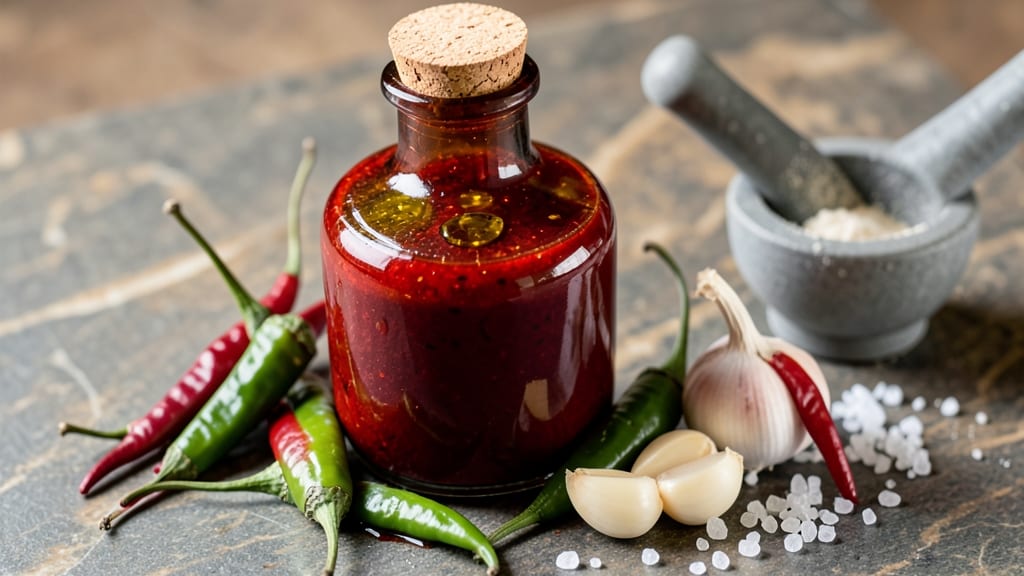
This árbol pepper hot sauce recipe delivers smoky, fiery heat that transforms ordinary meals into bold, restaurant-quality dishes. The key lies in balancing the pepper’s intense heat with vinegar and garlic, creating a sauce that lingers without overwhelming.
I’ve perfected this method over years of testing—each batch delivers consistent, vibrant flavor with just a few simple ingredients.
The process is straightforward: roast the árbol peppers to deepen their smoky character, then blend them with vinegar, garlic, and a touch of oil for a smooth, well-rounded finish. No fermentation required—this sauce comes together in 10 minutes and delivers restaurant-quality heat with minimal effort.
The result is a versatile condiment that adds depth to tacos, grilled meats, or even deviled eggs.
What sets this sauce apart is its ability to enhance dishes without stealing the spotlight. The árbol peppers provide a sharp, smoky kick, while the vinegar and garlic create a bright, tangy contrast.
Store it in the fridge for up to 2 weeks, shaking before use to redistribute the peppers. Whether you’re a hot sauce enthusiast or a home cook looking to elevate meals, this recipe is your go-to for bold, smoky heat.
Pair it with anything that needs a flavor boost—think spicy wings, grilled steak, or even a simple fried egg. The sauce’s intensity means a little goes a long way, so start with a small drizzle and adjust to taste. Ready to make your own? Let’s get started with the ingredients.
Ingredients for arbol pepper hot sauce
Four árbol peppers, vinegar, garlic, and oil—simple ingredients for restaurant-quality heat.
| Ingredient | Amount | Notes |
|---|---|---|
| Arbol Peppers 🌶️ | 4 whole | Stems and seeds removed |
| White Vinegar 💧 | 1 cup | Distilled preferred for clarity |
| Garlic Cloves 🧄 | 4 cloves | Peeled, rough chopped |
| Extra-Virgin Olive Oil 🫒 | ¼ cup | High-quality, fruity |
| Granulated Garlic 🧄 | 1 tsp | Optional for extra punch |
| Sea Salt 🧂 | ½ tsp | Fine grain preferred |
| Cane Sugar 🍯 | 1 tsp | Balances acidity |
| Distilled Water 💧 | ¼ cup | For thinning if needed |
Arbol peppers are the heart of this sauce, so pick the freshest, firmest pods—they should be bright red, not wilted. Local Latin markets or specialty grocers like Whole Foods often carry them, but if you can't find them, habanero peppers work in a pinch (adjust heat to taste). Roasting deepens their smoky flavor—char them over an open flame or under a broiler until blackened in spots. The vinegar should be distilled white vinegar for clarity, though apple cider vinegar adds a subtle sweetness if you prefer. Garlic? Freshly peeled cloves make all the difference—no need for pre-minced.
No árbol peppers? Habanero or ghost pepper deliver similar heat, though flavor will differ. Swap white vinegar for apple cider vinegar if you want a fruity twist, but reduce sugar slightly to balance. The olive oil should be extra-virgin—it carries the pepper’s smoky notes beautifully. If your sauce is too thick after blending, add distilled water a teaspoon at a time until smooth. For a smoother texture, strain through a fine-mesh sieve, but leave some pepper flecks for authentic heat. The granulated garlic is optional but adds an extra layer of depth—skip it if you prefer a cleaner flavor.
Store your hot sauce in a sterilized glass jar in the fridge for up to 2 weeks, shaking before use to redistribute the peppers. The flavors actually improve over time, so make extra if you can. For long-term storage, transfer to clean, airtight containers and freeze for up to 6 months. Always use a spoon to scoop out sauce—never dip fingers to avoid contamination. This sauce pairs perfectly with grilled meats, tacos, or deviled eggs, so make a batch and keep it on hand for bold flavor boosts.
Why You'll Love This Recipe
- Five-Ingredient Magic: I swear by this recipe because it’s that simple—just chop peppers, smash garlic, and steep. No blenders, no fancy tools, just a jar and patience (well, 10 minutes of it).
- Smoky Garlic Kiss: That slow simmer in olive oil? The arbol peppers develop this unexpected depth—bright heat with a whisper of smokiness, like a campfire in a bottle. Honestly, I drizzle it on everything now.
- Game for Any Meal: Taco night? Check. Eggs in the morning? Done. Even my picky teen sneaks it into his marinara. It’s the kind of sauce that turns bland into "damn, why didn’t I think of this sooner?"
- Lasts Like a Champ: One batch stretches for weeks—I keep a jar in the fridge and freezer. And since arbol peppers are cheap, you’re not breaking the bank for flavor that’ll outlast store-bought by a mile. (Yes, even on a Tuesday night.)
Step-by-step instructions for arbol pepper hot sauce
This smoky, fiery sauce comes together in minutes with precise technique.
Prepare the Arbol Peppers and Garlic
Remove stems and seeds from the 4 whole arbol peppers using kitchen shears, leaving the flesh intact. This preserves maximum heat and flavor without bitterness. Cut each pepper into ¼-inch slices—uniform pieces ensure even cooking and blending later.
Roughly chop the 4 peeled garlic cloves into small chunks. The texture doesn't need to be perfect; we'll blend everything together. Place both the pepper slices and garlic in a small saucepan with the 1 cup white vinegar. Bring to a simmer over medium heat and cook for exactly 5 minutes until the peppers soften slightly and release their oils.
Blend Until Completely Smooth
Transfer the cooked pepper-garlic mixture to a blender or food processor. Add the 0.25 cup extra-virgin olive oil, 1 teaspoon granulated garlic, 0.5 teaspoon sea salt, and 1 teaspoon cane sugar. Blend on high speed for 1-2 minutes until completely smooth with no visible chunks. The sauce should be vibrant red with a fine, velvety texture.
Taste and adjust seasoning if needed. The sugar balances the acidity while the salt enhances the pepper's natural heat. If the sauce is too thick after blending, add the 0.25 cup distilled water 1 tablespoon at a time until it reaches a pourable consistency—it should coat the back of a spoon but still flow freely.
Strain for Ultra-Smooth Finish (Optional)
For a completely smooth sauce, strain the blended mixture through a fine-mesh sieve into a clean bowl. Use a silicone spatula to press firmly against the solids to extract every last drop of liquid. This step removes any remaining fiber but isn't strictly necessary if you prefer a slightly textured sauce.
Return the strained sauce to the blender (if needed) and give it one final 10-second blend to ensure perfect consistency. The sauce should now be completely smooth with a glossy sheen. Pour into a sterilized glass jar or bottle with a tight-sealing lid, leaving about ½-inch headspace at the top.
Store and Let Flavors Meld
Refrigerate the hot sauce immediately for at least 4 hours before using. This resting period allows the flavors to fully develop and the heat to mellow slightly. The sauce will keep refrigerated for up to 2 weeks or can be frozen for up to 3 months in airtight containers.
Shake gently before each use as the oil may separate slightly. This sauce delivers intense smoky heat with a bright, tangy finish—perfect for drizzling over tacos, grilled meats, or seafood. Start with small amounts as arbol peppers pack serious heat!
Pro Tips For Making Arbol Pepper Hot Sauce
- REMOVE PEPPER SEEDS FIRST: Arbols pack a punch—literally. I learned this the hard way after a batch tasted like a ghost pepper bomb. Grab a small bowl and pick out every single seed before chopping, even if they look tiny. The flesh still has heat, but seeds? That’s where the fire lives.
- CHAR THE GARLIC LOW: Skip the high-heat burn risk—charred garlic turns bitter fast. Instead, cook the garlic cloves (unpeeled) in olive oil over medium-low until golden and fragrant, about 8–10 minutes. The skin will slip right off, and you’ll avoid that acrid aftertaste that ruins a good sauce.
- VINEGAR FIRST, NOT LAST: Add vinegar before blending if you want smoothness. I used to dump it in after and end up with a chunky, uneven texture. Pour the vinegar into the blender first, then add peppers and garlic—it emulsifies the oil better and cuts down on scraping the pot later.
- STRAIN FOR CLEAR SAUCE: If you want a silky, restaurant-quality finish, strain the blended sauce through a fine-mesh sieve or cheesecloth. It’s extra work, but the difference is night and day—no pepper skins or garlic bits to ruin the clean, bright heat. (Yes, even if you’re impatient like me.)
Dietary considerations for this recipe
Spicy Heat Control
The árbol peppers deliver serious heat—about 50,000-100,000 Scoville units—so this sauce isn't for the faint of heart. If you're sensitive to heat, reduce the number of peppers to 2 or substitute with habanero (which clocks in at ~100,000-350,000 Scoville units).
For a milder version, blend in 1 extra tablespoon of olive oil to dilute the capsaicin slightly. Always taste as you go! 🌶️
Allergy-Friendly Options
This recipe is naturally gluten-free, dairy-free, and vegan, making it perfect for most dietary restrictions. The only potential allergen is garlic, which can be omitted entirely if needed. For a nut-free version, ensure your olive oil is refined (not infused with nuts).
The cane sugar can be swapped for maple syrup or agave nectar for a vegan-friendly alternative. Always double-check labels on vinegar and spices for hidden allergens.
Low-Sodium Adaptation
If you're watching your sodium intake, reduce the sea salt to ¼ teaspoon or omit it entirely. Instead, add ½ teaspoon of smoked paprika to enhance depth without extra salt. The vinegar and sugar will still balance the flavors beautifully.
For a low-sodium version, you can also use potassium chloride (a salt substitute) at the same measurement for a similar taste profile. 🧂
Sweet Heat Balance
Adjust the sugar to taste—add ½ teaspoon more if you prefer a sweeter sauce or reduce to ½ teaspoon for a sharper, tangier flavor. For a fruitier twist, replace the sugar with 1 teaspoon of honey or agave, which adds subtle sweetness and complexity.
The sugar isn't just for sweetness; it also helps balance the acidity of the vinegar and the heat of the peppers.
Flavor Boosters
Want to elevate this sauce further? Add ½ teaspoon of ground cumin or smoked paprika for a deeper, earthy note. A splash of lime juice (about 1 tablespoon) brightens the sauce and cuts through the heat.
For a fermented version (if you're adventurous), let the peppers and vinegar sit for 24 hours before blending—this adds a tangy complexity. Just remember, fermentation increases heat intensity! ✨
Nutrition facts
Frequently asked questions
Why does this árbol pepper hot sauce need roasting?
Roasting árbol peppers deepens their natural smoky flavor, creating a richer, more complex sauce. The charring process enhances the pepper's sweetness while reducing some of the raw heat, making the final sauce more balanced. Skip roasting for a sharper, fruitier taste—but you'll lose that signature smoky depth.
Can I make this sauce without a blender?
Yes! If you don't have a blender, finely chop the cooked peppers and garlic by hand, then whisk vigorously with the other ingredients. For a smoother texture, use a mortar and pestle to crush the peppers before mixing. The sauce will be slightly chunkier but still delicious—just stir well before serving.
How do I adjust the heat level?
Start with 2 árbol peppers for mild heat or 6 peppers for extreme spice. For a smoother burn, add 1 extra tablespoon of olive oil—it coats the capsaicin (the compound that causes heat). Always taste as you go! If the sauce is too hot, mix with a neutral sauce like mayo or sour cream to dilute.
What’s the best way to use leftover sauce?
This versatile sauce elevates everything from tacos to deviled eggs. Drizzle ½ teaspoon over grilled meats or seafood, or mix 1 teaspoon into marinades for extra heat. For a creamy twist, blend 1 tablespoon into mayo for spicy sandwich spreads. Freeze extras in ice cube trays for portion control!
Why does my sauce separate after refrigeration?
Separation is normal—the oil and vinegar naturally split. Shake gently before use, or blend briefly to re-emulsify. To prevent this, add ½ teaspoon of xanthan gum (a stabilizer) when blending. Store in a glass jar with a tight lid to minimize air exposure. The sauce will still taste great!