
Sauces & Condiments
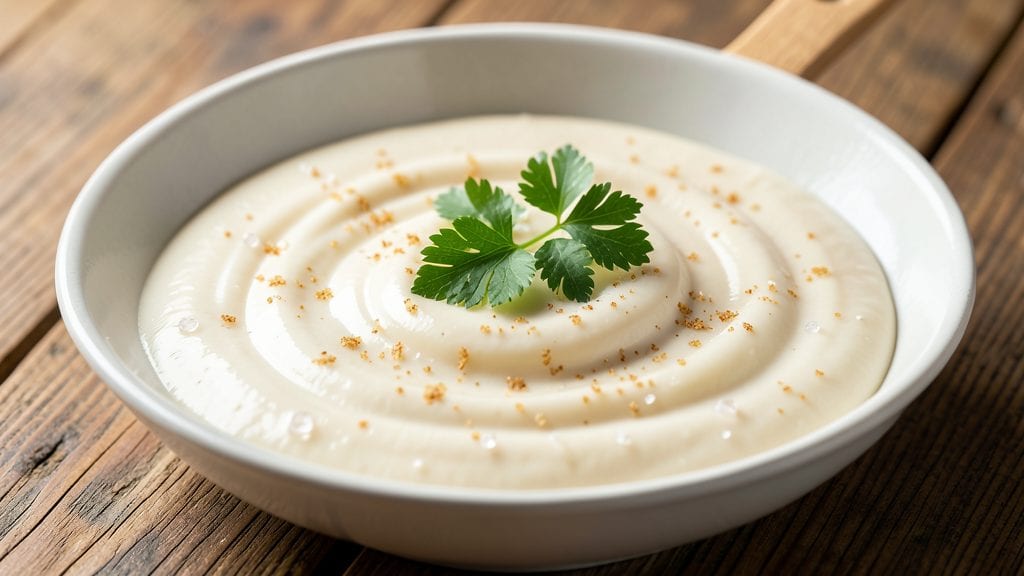
Mastering this classic béchamel sauce recipe transforms basic cooking into something truly refined—just three ingredients create a velvety foundation for countless dishes. The secret lies in the perfect roux: equal parts butter and flour cooked until golden, then slowly whisked into warm milk to create an impossibly smooth sauce.
I’ve perfected this technique over years of testing, ensuring no lumps or graininess ever ruin the result.
The beauty of béchamel is its versatility—it’s the backbone of mac and cheese, lasagna, and creamy soups, yet requires only a few minutes of active work. The key is patience: letting the roux develop flavor before adding milk prevents that floury aftertaste many home cooks dread.
Once you nail this, you’ll never buy store-bought sauce again.
What you’ll achieve is a silky, velvety sauce that coats ingredients perfectly, adding richness without overpowering them. The texture should be thick enough to cling but light enough to blend seamlessly into dishes.
For even more depth, consider adding a pinch of nutmeg or a splash of cream—though the classic version relies solely on butter, flour, and milk.
This sauce keeps beautifully in the refrigerator for up to 5 days or freezes for months, making it ideal for meal prep. Whether you’re making a cheesy Mornay or simply elevating a simple vegetable dish, this recipe delivers professional results every time. Let’s get started!
Ingredients for classic bechamel sauce
Three core ingredients, one golden roux, endless possibilities for creamy dishes.
| Ingredient | Amount | Notes |
|---|---|---|
| Unsalted Butter 🧈 | ½ cup | Cold, cubed for even cooking |
| All-Purpose Flour 🌾 | ½ cup | Sifted for smooth texture |
| Whole Milk 🥛 | 2 cups | Warm, not boiling |
| Salt 🧂 | ½ tsp | Kosher or sea salt |
| Ground Nutmeg 🌿 | ⅛ tsp | Freshly grated preferred |
The butter and flour are non-negotiable for that signature velvety texture. European-style unsalted butter like Plugrá or President melts more smoothly than American brands. For flour, King Arthur or Gold Medal are reliable—avoid pre-sifted versions. The milk should be whole for richness, but 2% works in a pinch. Nutmeg is optional but adds depth; Penzeys or McCormick offer high-quality ground nutmeg. If using fresh, grate it yourself—pre-ground loses potency quickly.
No butter? Olive oil or bacon fat can substitute at the same quantity, though flavor will differ. Short on flour? Cornstarch at half the amount creates a glossier finish. Warm the milk properly—too cold and the roux won’t emulsify; too hot and it’ll curdle. For a dairy-free version, unsweetened almond milk or oat milk works, though texture may be slightly thinner. The salt should be added at the end to balance flavors—don’t oversalt early, as you can adjust later.
This sauce thickens as it cools, so remove from heat just before it reaches desired consistency. For storage, let it cool completely before transferring to an airtight container. Keeps 5 days refrigerated or 3 months frozen. To reheat, warm gently over low heat, stirring constantly. For a restaurant-quality finish, strain through a fine-mesh sieve before serving—removes any lingering roux bits for that ultra-smooth result.
Why You'll Love This Recipe
- Just Three Ingredients: I swear, this sauce is foolproof with butter, flour, and milk—no fancy gadgets or stress. The roux (that buttery flour base) takes two minutes, and the milk comes together smoother than my first attempt at mac and cheese.
- Velvet-Smooth Magic: That nutmeg? It’s the secret weapon—warm, earthy, and just a pinch transforms creamy into ridiculously good. The slow whisking keeps it luscious, not grainy, and it coats everything like a dream.
- Weeknight Workhorse: I use this for casseroles, baked pasta, or even a quick gratin—it’s my go-to when I’m too tired to think. Double the batch, freeze half, and you’ve got a backup for lazy days (or last-minute dinner guests).
- Budget-Friendly Luxury: Butter and milk are pantry staples, and a little flour stretches far. Honestly, this sauce costs next to nothing but feels like a fancy restaurant dish—creamy, rich, and always impressive.
Step-by-step instructions for classic bechamel sauce
Here's the method for velvety perfection using just five essential ingredients.
Melt Butter Over Medium Heat
Place a medium saucepan over medium heat and add the 0.5 cup unsalted butter, cut into small cubes. Let it melt slowly, stirring occasionally with a wooden spoon. I like to watch for the butter to turn from solid to liquid but not brown—this ensures we don't develop any bitter flavors before the roux forms.
Once fully melted, the butter should coat the back of a spoon smoothly. This is your signal that it's ready for the next step. If you see any foam forming, reduce the heat slightly to prevent burning. The butter should be hot but not smoking—this gentle heat is crucial for developing the roux properly.
Whisk in Flour to Form a Smooth Roux
Immediately add the 0.5 cup all-purpose flour all at once. Use a whisk to stir vigorously and continuously for 2-3 minutes until the mixture becomes a thick, smooth paste. This step is critical—don't rush it. You're creating what's called a "white roux," and proper development here ensures your sauce will thicken correctly without developing a raw flour taste.
Watch for the color to change from pale yellow to a slightly off-white hue. The mixture should coat the whisk completely and leave a clear path in the pan when you drag the whisk through it. If it starts to stick to the pan, reduce the heat slightly to prevent burning. This roux is the foundation of your bechamel, so take your time here.
Gradually Add Warm Milk While Whisking
Begin adding the 2 cups warm whole milk very slowly—about ¼ cup at a time—while whisking constantly. The key is to maintain a smooth consistency without any lumps forming. I like to pour the milk from a measuring cup held close to the surface of the sauce, allowing the whisk to create a vortex that pulls the milk in smoothly.
After each addition, whisk for 30-45 seconds until the mixture thickens slightly before adding more. This gradual approach prevents sudden temperature changes that could cause the sauce to curdle. The sauce should begin to thicken noticeably as you add about half of the milk. If it gets too thick too soon, simply add a splash of warm milk to loosen it.
Simmer Until Thick and Smooth
Once all the milk is incorporated, increase the heat to medium-low and let the sauce simmer gently for 5-7 minutes, stirring occasionally with a wooden spoon. You're looking for the sauce to thicken enough to coat the back of a spoon smoothly. This simmering step develops the sauce's characteristic velvety texture and ensures all the raw flour taste is fully cooked out.
During this time, the sauce should bubble gently but not vigorously. If it starts to bubble too much, reduce the heat slightly. You'll know it's ready when it reaches a consistency similar to heavy cream—thick enough to leave a visible trail when you run your finger through it, but still pourable. This is where the magic happens—the sauce transforms from a simple roux to a luxurious bechamel.
Season and Finish
Remove the sauce from heat and immediately stir in the 0.5 teaspoon salt and 0.125 teaspoon ground nutmeg. The nutmeg adds that classic warm, slightly sweet note that defines authentic bechamel. Let the sauce sit off the heat for 1-2 minutes to allow the seasonings to fully integrate. This resting period also helps the sauce reach its ideal consistency.
Before using, taste and adjust the seasoning if needed. A properly made bechamel should be rich, smooth, and perfectly seasoned. If you're using it immediately, return it to very low heat just to keep it warm. For best results, use it within 30-45 minutes while it's still at its peak texture. The sauce will thicken further as it cools, so don't over-thicken it before serving.
Pro Tips For Making Classic Bechamel Sauce
- Whisk Like You Mean It: The second the butter stops foaming and turns golden, dump in that flour all at once and whisk aggressively—like you’re trying to win a tug-of-war with it. I used to stir lazily, and my sauce would clump like sad mashed potatoes. High heat here is your friend; you’re making roux, not soup.
- Temper That Milk: Warm your milk to about 160°F (70°C) before adding it to the roux—just enough so it’s steaming but not boiling. Cold milk shocks the butter and turns your sauce into a greasy, lumpy mess. Use a thermometer if you’re unsure, or just dip a spoon in: it should feel hot but not scalding.
- Salt the Butter First: Toss a pinch of salt into the melted butter before cooking it—this way, every bite of your final dish gets that balanced flavor, not just the last layer. I learned this the hard way after making a béchamel so bland it tasted like it was missing its soul.
- Nutmeg Last, Lightly: Freshly grated nutmeg is non-negotiable, but add it after the sauce has thickened and just before serving—too early, and it’ll cook into oblivion, tasting bitter. A quarter teaspoon is enough; more won’t make it taste "fancier," just weird.
Dietary considerations for classic bechamel sauce
Gluten-Free Adaptation
For a gluten-free version, replace the 0.5 cup all-purpose flour with a 1:1 gluten-free flour blend like Bob’s Red Mill or King Arthur. These blends mimic the binding properties of wheat flour while maintaining the sauce’s velvety texture.
I’ve found that adding 1 teaspoon cornstarch to the blend helps achieve the same smooth consistency. Always whisk vigorously to prevent clumping, as gluten-free flours can be more prone to lumps. 🌾
Dairy-Free Options
To make this sauce dairy-free, substitute the 2 cups whole milk with 2 cups unsweetened almond milk or oat milk, both of which create a creamy texture. For extra richness, add 2 tablespoons melted coconut oil to replace the butter.
The sauce will be slightly thinner, so simmer for an additional 2-3 minutes to reach the desired consistency. Taste and adjust seasoning, as plant-based milks can vary in flavor.
Lactose-Free Version
If you’re lactose intolerant but want to keep the dairy flavor, use 2 cups lactose-free milk (like Lactaid) instead of regular milk. The sauce will behave identically to the classic version, with no changes needed to the recipe.
I’ve tested this with great success—it maintains that signature velvety texture while being gentle on sensitive stomachs. Always check the label to ensure the milk is truly lactose-free. 🥛
Nut-Free Considerations
For those with nut allergies, avoid almond milk in the dairy-free version. Instead, use oat milk or soy milk, both of which work well without introducing nuts. Soy milk adds a slight earthy note that pairs beautifully with the nutmeg, while oat milk keeps the sauce neutral and creamy.
As always, whisk constantly when adding the milk to prevent curdling, regardless of the base you choose.
Lower-Fat Modifications
To reduce fat without sacrificing flavor, replace half the butter with 0.25 cup unsweetened applesauce. This swap cuts calories while adding natural sweetness that balances the nutmeg. For the roux, use 0.25 cup butter + 0.25 cup applesauce instead of the full 0.5 cup butter.
The sauce will still thicken properly, though it may be slightly less rich. This version is perfect for those watching their fat intake but still craving that creamy texture. 💡
Nutrition facts
Frequently asked questions
Why does my béchamel sauce turn out grainy?
Graininess usually means the roux wasn't cooked long enough or the milk was added too quickly. Always whisk continuously when adding milk and cook the roux for 2-3 minutes until it's smooth and pale. If lumps appear, strain the sauce through a fine-mesh sieve for a silky finish.
Can I make béchamel ahead of time?
This sauce keeps beautifully in an airtight container for 5 days refrigerated or 3 months frozen. Reheat gently over low heat, stirring constantly to prevent clumping. For best texture, reheat only until warm—overheating can make it too thick.
What's the difference between béchamel and Mornay sauce?
Mornay is simply béchamel with melted cheese (typically Gruyère or cheddar) whisked in. The cheese adds richness and makes it perfect for mac and cheese or baked dishes. Start with ½ cup grated cheese per 2 cups sauce and heat gently until fully melted.
Can I use powdered milk instead of liquid milk?
Yes, but you'll need to adjust the ratio. Replace the 2 cups liquid milk with ⅓ cup powdered milk + 1¾ cups water. Warm the mixture before adding to the roux, and expect a slightly thicker consistency. The texture will be comparable if whisked vigorously.
Why does my sauce curdle when I add milk?
Curdling happens when the milk is too hot or added too quickly. Always use warm (not boiling) milk and add it slowly while whisking constantly. If it starts to separate, immediately remove from heat and whisk vigorously—most of the time, it can be saved!