
Sauces & Condiments
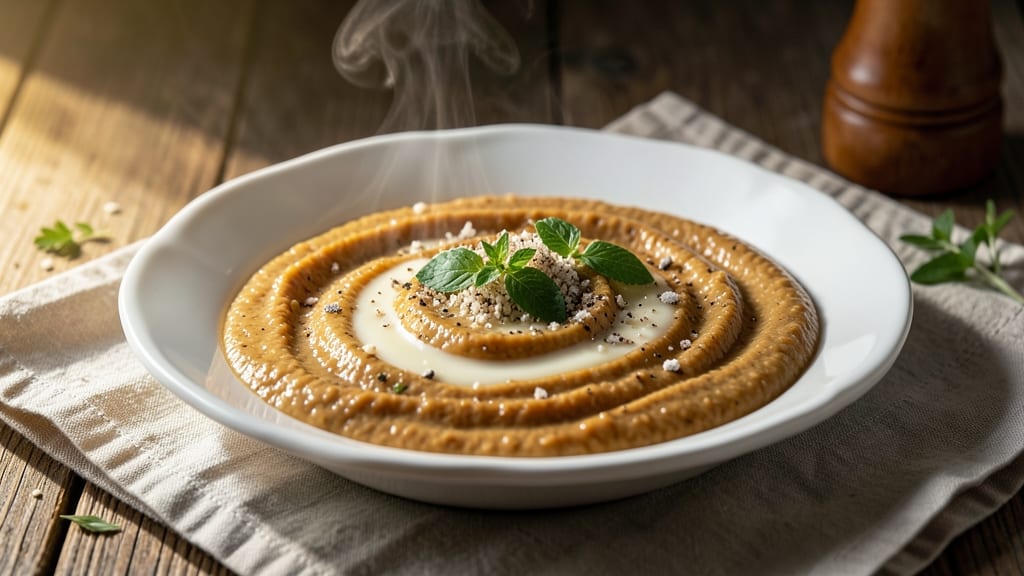
Authentic béchamel sauce is the creamy foundation of classic French dishes, and mastering it transforms ordinary meals into restaurant-quality creations. The secret lies in a perfectly cooked roux—equal parts butter and flour—that forms the velvety base without any lumps or raw flour taste. I’ve refined this recipe over years of testing, ensuring it’s foolproof for both beginners and seasoned cooks alike, with just 15 minutes of active time.
What sets this béchamel apart is the balance of fat and flour, cooked low and slow until golden but never browned—this prevents bitterness and ensures a silky texture.
Milk is added gradually while whisking vigorously, creating a sauce so smooth it coats pasta, lasagna layers, or mac and cheese like a dream. The key technique? Constant motion and patience; rushing this step is the fastest way to ruin the sauce.
Once perfected, this béchamel becomes the backbone of countless dishes—think creamy mac and cheese, lasagna, or even croque monsieur. It keeps beautifully in the fridge for up to 5 days or freezes for months, making it a pantry staple worth mastering.
The result is a sauce so rich and velvety, it turns simple recipes into showstoppers.
For extra depth, infuse the milk with garlic or nutmeg before adding it to the roux, or swap butter for olive oil for a lighter version. The possibilities are endless, but the foundation remains the same: a flawless roux and unwavering attention to detail.
Let’s get started on creating your own velvety masterpiece.
Ingredients for authentic bechamel sauce
Eight essential ingredients transform into the velvety base of classic French cuisine.
| Ingredient | Amount | Notes |
|---|---|---|
| Unsalted Butter 🧈 | ½ cup | Cold, cubed for even cooking |
| All-Purpose Flour 🌾 | ½ cup | Sifted for smooth texture |
| Whole Milk 🥛 | 2 cups | Room temperature preferred |
| Ground Nutmeg 🌿 | ¼ tsp | Freshly grated for aroma |
| Salt 🧂 | ½ tsp | Diamond Crystal preferred |
| White Pepper 🌶️ | ¼ tsp | Freshly ground for subtle flavor |
| Fresh Garlic Cloves 🧄 | 1 whole | Infused in milk for depth |
| Heavy Cream 🥛 | ¼ cup | Optional for extra richness |
The butter and flour form the foundation of this sauce, and their quality matters most. European-style butter like Plugrá or Land O'Lakes has higher fat content, which creates a richer roux. For flour, King Arthur or Bob's Red Mill brands are ideal—they have a fine texture that blends smoothly. Avoid pre-mixed roux powders; they lack the depth of a homemade blend. The milk should be whole for creaminess, but 2% works in a pinch. If you're feeling adventurous, infuse the milk with a peeled garlic clove or a pinch of nutmeg for added complexity—just remember to remove the garlic before adding the milk to the roux.
No butter on hand? Olive oil or vegan butter works for a lighter version, though the texture will differ slightly. Short on milk? Half-and-half or coconut milk adds richness, but whole milk remains the classic choice. If you skip the nutmeg, don't worry—it's optional but adds warmth. For a quicker roux, use a pastry blender instead of whisking, though whisking gives you more control. The key is patience: cook the roux low and slow until it's golden but never browned. If lumps form, strain the sauce through a fine-mesh sieve for a silky finish.
This sauce reheats beautifully—simply warm it gently on the stove or microwave it in 30-second bursts. Store it in an airtight container in the fridge for up to 5 days, or freeze it for 3 months in ice cube trays for single-serving portions. To prevent a skin from forming, press plastic wrap directly onto the surface before sealing. The sauce thickens as it cools, so thin it with a splash of milk if needed. Leftovers make an excellent base for creamy soups, casseroles, or even a quick cheese sauce.
Why You'll Love This Recipe
- Three-Ingredient Magic: I swear by this—just butter, flour, and milk. No fancy gadgets, no stress. The roux builds itself while you stir, and before you know it, you’ve got velvety perfection.
- Nutmeg’s Secret Touch: That tiny pinch of ground nutmeg? It’s the difference between ordinary and oh-wow. Warm, earthy, and just sweet enough—it’s what makes this sauce feel like a hug in every bite.
- Weeknight Wonder: Dinner parties or lazy Tuesdays? This sauce handles both. Slather it on pasta, stuff it in lasagna, or drizzle it over veggies—it’s my go-to for when I need something effortless but impressive.
- Budget-Friendly Luxury: Whole milk and butter might sound fancy, but they stretch further than you’d think. A single batch feeds a family, reheats beautifully, and tastes even better the next day—no waste, all flavor.
Step-by-step instructions for authentic bechamel sauce
Master this timeless French technique for silky, perfectly balanced bechamel every time.
Create a Smooth, Pale Roux
Melt the 0.5 cup unsalted butter in a medium saucepan over medium-low heat. Once fully melted, reduce heat to low and gradually whisk in the 0.5 cup all-purpose flour—this prevents lumps and ensures a silky texture. Cook for 2-3 minutes, stirring constantly with a wooden spoon or whisk, until the mixture transforms into a pale golden roux that smells nutty but hasn't browned.
Here's the thing—if you see any brown spots, you've gone too far. A proper bechamel roux should be pale and smooth, not toasted. This foundational step makes all the difference in the final sauce's richness and mouthfeel. Keep your heat gentle; patience here prevents bitterness later.
Gradually Incorporate Milk for Velvety Texture
Slowly pour in the 2 cups whole milk while whisking vigorously to prevent lumps. Start with a thin stream, then gradually increase to a steady pour. The sauce will thicken immediately, but keep whisking for 3-5 minutes until it coats the back of a spoon and leaves a smooth, even trail when you run your finger through it.
This gradual addition is critical—adding milk too quickly creates clumps, while rushing the process leads to a grainy texture. The sauce should bubble gently but not boil vigorously. If it starts to bubble too much, reduce the heat to medium-low and continue whisking until it's completely smooth.
Infuse Flavor with Garlic and Seasonings
Add the 1 whole fresh garlic clove (peeled and lightly crushed) along with the 0.5 tsp salt, 0.25 tsp white pepper, and 0.25 tsp ground nutmeg. Stir constantly for 2-3 minutes until the garlic infuses the sauce with subtle depth. The nutmeg should bloom gently, adding warmth without overpowering.
Taste and adjust seasoning—authentic bechamel balances saltiness with a whisper of nutmeg and pepper. The garlic should be present but not overpowering; if it's too strong, strain it out. This is where the sauce transforms from basic to truly flavorful. Keep the heat at low to prevent the garlic from burning.
Finish with Cream for Extra Richness (Optional)
For that restaurant-quality touch, stir in the 0.25 cup heavy cream and simmer gently for 1-2 minutes until fully incorporated. The cream adds luxurious body and a velvety sheen. If you're making this for mac and cheese, this step elevates it from homemade to showstopping.
Strain the sauce through a fine-mesh sieve if you prefer ultra-smooth texture, removing any garlic bits. Keep it warm at low heat or transfer to a heatproof bowl set over a pot of simmering water (bain-marie) until ready to use. The sauce should be thick enough to coat the back of a spoon but still pour smoothly.
Pro Tips For Making Authentic Bechamel Sauce
- Start with Cold Milk: Pouring warm milk into your roux is how you end up with lumps—trust me, I’ve made that mistake more times than I’d admit. Keep the milk in the fridge until the very last moment, then add it gradually while stirring like your life depends on it. The sauce will thank you with a silky texture instead of a gluey mess.
- Whisk Like You Mean It: A bechamel isn’t just a sauce; it’s a marriage between butter and flour that needs constant attention. The moment you stop whisking, that’s when the sauce starts to fight back. Use a proper whisk (not a fork—no shame, but it’s not enough) and keep the heat low to medium. Rushing it burns the roux faster than you can say "gratin."
- Salt the Butter First: Unsalted butter is your blank canvas, and if you wait to season until the end, you’re playing catch-up. Toss in half the salt with the butter before melting it—this way, every layer of your roux gets that subtle flavor infusion. The rest goes in later, but this step is the thing that makes your bechamel taste actually rich, not just bland with a pinch of salt at the end.
- Nutmeg Last, Sparingly: Ground nutmeg loses its magic fast, so save it for the very end and use less than you think. A pinch—like, a true pinch—is all you need. Stir it in just before serving, or even sprinkle it over the top of your dish. Overdoing it turns your elegant bechamel into a sad, spicy imposter. (I learned this after serving a pot pie that tasted like a Christmas tree.)
Regional styles of authentic bechamel sauce
Classic French Béchamel
The foundation of this sauce comes from classic French technique, where a pale roux made with equal parts butter and flour is cooked until golden but never browned. This method ensures a velvety texture without any raw flour taste.
The milk is added gradually while whisking vigorously to create a smooth, lump-free consistency. I always use whole milk for maximum creaminess, but 2% works in a pinch. The key here is patience—rushing the process leads to lumps or a grainy texture. 🥛
This version stays true to its French roots with a touch of nutmeg for warmth and white pepper for subtle depth. The garlic-infused milk adds a delicate aroma without overpowering the sauce. For authenticity, I recommend using Diamond Crystal salt—it dissolves more easily than table salt.
The sauce should coat the back of a spoon but still pour smoothly, creating the perfect base for dishes like mac and cheese or lasagna.
Italian-Style Béchamel
In Italy, béchamel often gets a richer twist with heavy cream and a pinch of freshly grated nutmeg. This version is slightly thicker and creamier, making it ideal for croque monsieur or timballo.
I like to infuse the milk with a garlic clove and a bay leaf for added depth, then strain it before adding to the roux. The result is a sauce that’s rich but not overly heavy, with a subtle herbal note. 🧄
For extra flavor, I sometimes add a splash of dry white wine to the roux before incorporating the milk. This deglazes the pan slightly, adding complexity without altering the sauce’s texture.
The Italian approach focuses on simplicity and balance—less is more. This version pairs beautifully with baked pasta dishes or as a topping for gratinated potatoes.
German-Inspired Rahmsoße
German cuisine takes béchamel to heart with Rahmsoße, a richer version often used in Käsespätzle or Schnitzel dishes. The key difference is the addition of heavy cream and a touch of mustard for tang.
I use Dijon mustard for a subtle kick, balancing the richness of the sauce. The roux is cooked slightly longer than in French béchamel, giving it a deeper, nuttier flavor. 🌟
For authenticity, I incorporate a pinch of caraway seeds into the milk before adding it to the roux. This adds a distinct German flavor profile without overpowering the dish. The sauce is thicker and more robust, perfect for coating breaded cutlets or as a base for creamy soups.
It’s a game-changer for anyone looking to add a German twist to their comfort food.
Vegan Adaptation
For a vegan version, replace the butter with olive oil or vegan butter, and use unsweetened almond milk or oat milk for the liquid base. The roux should still be cooked to a pale golden color, but the texture will be slightly lighter.
I add nutritional yeast for a cheesy flavor and a pinch of turmeric for color. The sauce works beautifully in vegan mac and cheese or as a topping for roasted vegetables. 🌱
To enhance the flavor, I infuse the plant-based milk with garlic and a splash of lemon juice before adding it to the roux. This brightens the sauce and adds depth. While it won’t be identical to the classic version, it’s a delicious and creamy alternative that’s perfect for plant-based diets.
The key is to keep the roux smooth and well-cooked to avoid any graininess.
Nutrition facts
Frequently asked questions
Why does my bechamel sauce get lumpy?
Lumps happen when flour isn't fully incorporated into the butter or when milk is added too quickly. Always whisk constantly while adding milk in a thin stream, and make sure your roux is smooth before introducing liquid. For extra insurance, strain the finished sauce through a fine-mesh sieve.
Can I make bechamel without a whisk?
Yes! Use a wooden spoon or silicone spatula for stirring, though a whisk creates smoother results. For best texture, cook the roux thoroughly first, then add milk very slowly while stirring vigorously with your chosen tool. A hand mixer works too—just stir continuously to prevent lumps.
How do I fix bechamel that's too thick?
Thin with warm milk one tablespoon at a time while whisking until you reach the desired consistency. The sauce will thicken further as it cools, so start with slightly thinner than your target. For quick fixes, a splash of warm water works too.
What's the best way to reheat leftover bechamel?
Gently warm on low heat in a saucepan, stirring constantly to prevent scorching. For microwave reheating, use 30-second bursts on low power, stirring between each interval. Add a splash of milk if it thickens too much. Never boil—just warm until smooth.
Can I substitute cream cheese for butter in bechamel?
Not directly—cream cheese would alter the sauce's texture completely. However, you can add 2 oz softened cream cheese at the very end for richness. For a true substitute, use equal parts butter and cream cheese blended together in the roux. The result will be thicker and creamier than classic bechamel.