
Sauces & Condiments
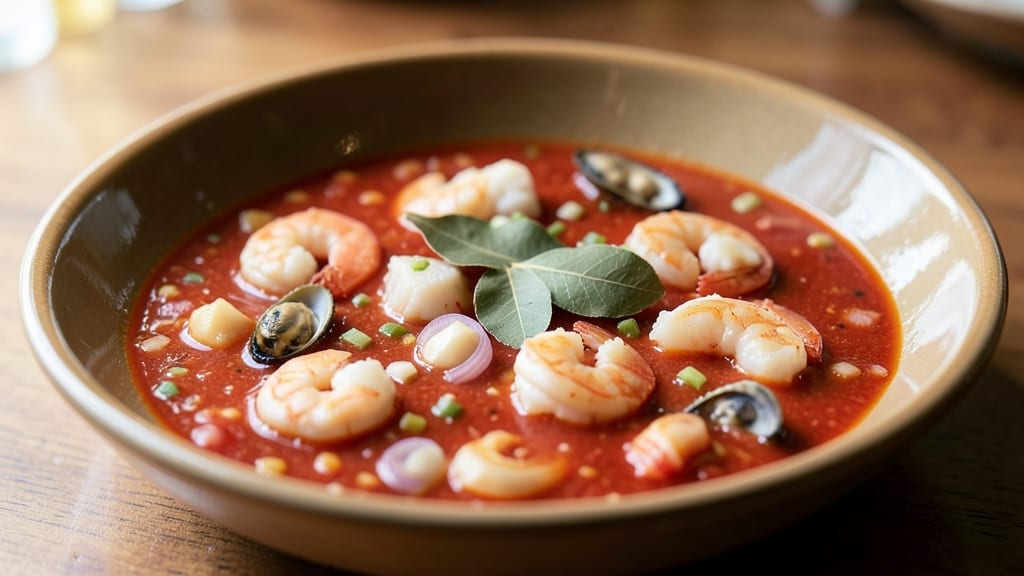
Creating an authentic cioppino sauce recipe means capturing the bold, briny essence of San Francisco’s legendary seafood stew in every spoonful. This rich, tomato-based foundation builds layers of flavor through careful simmering—garlic, wine, and herbs melding into a sauce that transforms any seafood dish.
I’ve perfected this version after years of testing, ensuring the balance between acidity and depth that defines true cioppino.
The secret lies in the slow reduction of tomatoes, white wine, and seafood stock, which develops a complex, umami-packed base without overpowering the delicate flavors of fish.
A touch of fennel and bay leaf adds aromatic depth, while a splash of red wine vinegar at the end brightens the sauce just enough to cut through the richness. This isn’t just a broth—it’s the soul of cioppino, designed to elevate whatever seafood you pair with it later.
What makes this sauce truly professional is its versatility. Use it as the backbone for classic cioppino, drizzle it over grilled fish, or even serve it alongside shrimp scampi for an instant restaurant-quality upgrade.
The sauce keeps beautifully in the fridge for up to 5 days, allowing you to prep ahead and still deliver restaurant-worthy flavor when it’s time to cook.
For those who want to experiment, swapping white wine for red creates a deeper, slightly more robust profile, while adding a pinch of smoked paprika introduces a subtle smokiness. The key is patience—rushing the simmering will result in a flat, one-dimensional sauce.
Let it work its magic, and you’ll have a foundation that turns simple seafood into an unforgettable meal.
Ingredients for cioppino sauce
Twelve ingredients transform into the soul of San Francisco's legendary seafood stew essence.
| Ingredient | Amount | Notes |
|---|---|---|
| Extra-Virgin Olive Oil 🫒 | ½ cup | High-quality, fruity, cold-pressed |
| San Marzano Crushed Tomatoes 🍅 | 2 cups | Canned, no salt added |
| Dry White Wine 🍷 | 1 cup | Sauvignon Blanc or Pinot Grigio preferred |
| Seafood Stock 🦞 | 2 cups | Homemade or high-quality store-bought |
| Garlic Cloves 🧄 | 6 cloves | Fresh, peeled, finely minced |
| Shallots 🧅 | 2 whole | Peeled, finely diced |
| Fresh Fennel 🌿 | ¼ cup | Finely chopped, bulb only |
| Fresh Bay Leaves 🍃 | 2 whole | Dried if fresh unavailable |
| Red Wine Vinegar 🍋 | 1 tbsp | For brightening at the end |
| Smoked Paprika 🌶️ | ½ tsp | Optional for depth (omit for classic) |
| Diamond Crystal Kosher Salt 🧂 | 1 ½ tsp | Adjust to taste |
| Freshly Ground Black Pepper 🌶️ | ½ tsp | Coarsely cracked |
The tomatoes and wine are non-negotiable for authentic flavor. San Marzano tomatoes are the gold standard—sweeter, meatier, and less acidic than standard canned tomatoes. Grab a can from Whole Foods or Trader Joe's if you want the best. For the wine, Sauvignon Blanc or Pinot Grigio work perfectly, but avoid anything too oaky or overly dry. The seafood stock? Homemade is ideal, but Pacific Foods or Knorr Seafood cubes are solid shortcuts. Fennel adds that signature anise note—skip it if you're sensitive to its flavor, but trust me, it's what makes cioppino taste like home. The bay leaves? Fresh is best, but dried works in a pinch if you're in a hurry.
No white wine? Dry vermouth or even apple cider vinegar can stand in, though the flavor will shift slightly. Swapping San Marzano for regular crushed tomatoes? Add 1 tsp sugar to balance the acidity. Fresh fennel too expensive? Dried fennel seeds at half the amount work, but toast them first for better flavor. The smoked paprika is optional but adds that subtle smokiness you find in many classic cioppino recipes. If you're feeling adventurous, try a pinch of saffron for a luxurious twist—it's what high-end restaurants often use. For the garlic and shallots, don't skip the mincing—smaller pieces infuse better. And if you're using pre-minced garlic from a jar, rinse it first to remove the excess salt and preservatives.
This sauce tastes even better the next day as the flavors meld together. Store it in an airtight container in the fridge for up to 5 days, or freeze for 3 months if you're planning ahead. I like to portion it into ice cube trays before freezing—just pop out what you need for a quick meal. The sauce thickens as it cools, so you might want to add a splash of water or stock when reheating. And if you're making this for a big batch, double the recipe—it's perfect for meal prep and freezes beautifully. The key is patience; don't rush the simmering, or you'll lose that deep, complex flavor that makes cioppino so special.
Why You'll Love This Recipe
- I’ll be real: seafood can be pricey, but this sauce stretches like crazy. A single batch feeds four now, and two of us later after reheating. Use cheaper fish like cod or mussels, and the wine and tomatoes make it feel like a splurge. Plus, the stock? I make my own from scraps—zero waste, all flavor.
- No-Fuss Simmer: I swear by this recipe because it’s the kind of dish that forgives mistakes. Sauté garlic in olive oil until it’s golden but not burnt—that’s where the magic starts—and then it’s just toss in tomatoes, wine, and stock. No peeling shrimp, no fancy plating, just pure, bubbling flavor.
- Wine-Infused Depth: Honestly, the white wine isn’t just for cooking—it’s the backbone. That initial splash brightens the tomatoes, cuts through the richness of the seafood stock, and leaves you with a sauce that’s ridiculously balanced. The San Marzano tomatoes? They melt into a velvety base that makes everything taste like it’s been simmering for hours.
- Weeknight to Dinner Party: Between us, this sauce is my secret weapon for lazy Mondays and impressing guests. For weeknights, I toss it with whatever seafood I’ve got (even frozen works). For company, I add fresh herbs and crusty bread—suddenly, it’s a showstopper. The best part? It tastes better the next day, so leftovers are a gift.
Step-by-step instructions for cioppino sauce
Here's how to build this rich, aromatic base that forms the heart of San Francisco's legendary seafood stew.
Sauté the Aromatic Foundation
Heat the 0.5 cup extra-virgin olive oil in a heavy-bottomed Dutch oven over medium-low heat. Add the 2 whole shallots and 0.25 cup fresh fennel, cooking gently for 5-6 minutes until the shallots become translucent and the fennel softens. The fennel should release its anise notes without browning.
Here's the thing—this slow cook ensures you develop deep flavor without burning. If the pan starts to smell bitter, reduce the heat immediately. After the vegetables soften, add the 6 cloves garlic cloves and 0.5 tsp smoked paprika, stirring constantly for 30 seconds until fragrant. The garlic should sizzle gently, not burn—this is your signal to move quickly to the next step.
Build the Tomato-Wine Base
Pour in the 2 cups san marzano crushed tomatoes and 1 cup dry white wine, scraping up any browned bits from the bottom of the pot. These bits, called fond, contain concentrated flavor that will dissolve into your sauce. Bring the mixture to a gentle simmer over medium heat, then reduce to low and let it cook uncovered for 15-20 minutes.
You're looking for the sauce to reduce by about one-third, developing a thick, syrupy consistency. Stir occasionally, but don't overwork it—this isn't a stir-fry. The tomatoes should break down into a rich, jammy texture with a deep red color. If the sauce looks too thin after 15 minutes, uncover it slightly to evaporate more liquid.
Infuse with Herbs and Stock
Add the 2 whole fresh bay leaves and 1.5 tsp diamond crystal kosher salt, stirring to combine. Pour in the 2 cups seafood stock and bring the mixture back to a simmer. Here's where it gets interesting—let it cook uncovered for 20-25 minutes until the sauce reduces by another one-third and the flavors meld beautifully.
Taste the sauce at this stage. It should be rich and complex, with bright tomato acidity balanced by the wine's crispness. If it needs more depth, add an extra splash of stock. The bay leaves should be fragrant but not bitter—if they become too strong, remove them early. The fennel's anise notes should now be subtly present, not overpowering.
Finish with Vinegar and Pepper
Remove the pot from heat and stir in the 1 tbsp red wine vinegar and 0.5 tsp freshly ground black pepper. The vinegar brightens the sauce, cutting through the richness while adding a subtle tang. Let the sauce sit off heat for 5 minutes to allow the flavors to fully integrate.
This is the moment that matters: the sauce should be velvety with a balance of acidity, sweetness, and umami. If you're using the sauce immediately, return it to low heat to keep it warm. For best results, let it cool slightly before using—this allows the flavors to settle and deepen. The sauce will keep well in the refrigerator for up to 3 days, making it perfect for meal prep.
Pro Tips For Making Cioppino Sauce
- Sweat the Garlic: I learned this the hard way—crispy garlic burns fast. Cook the minced cloves in olive oil over medium-low heat for 3–4 minutes until golden, not brown. If you rush it, you’ll taste bitterness under all that seafood flavor.
- Deglaze Aggressively: After the wine hits the pan, don’t just pour and stir—tilt the pot and let the alcohol work its magic for 30 seconds. Then scrape up every last bit of fond with a wooden spoon. That’s where the depth of flavor hides.
- Simmer, Don’t Boil: Cioppino sauce needs time to marry, not a rolling boil. Keep it at a gentle simmer—tiny bubbles, occasional swirls—so the tomatoes and stock blend without breaking the seafood stock’s delicate flavor.
- Salt the Stock Early: The seafood stock is the backbone, so season it before adding the tomatoes or wine. Taste it first—it should need salt, not just a sprinkle. Unsalted stock? Add ½ teaspoon per cup, even if it seems excessive. You’ll dial it back later.
Perfect pairings for this dish
Seafood Pairings
This sauce is a seafood lover’s dream—it works beautifully with delicate fish like cod, halibut, or shrimp. The acidity from the red wine vinegar and the fennel’s anise notes complement the natural sweetness of shellfish, while the rich tomato base enhances milder white fish.
For a classic cioppino, add clams, mussels, and squid during the final 5 minutes of cooking to let them steam open in the sauce’s embrace. 🦞
Bread Pairings
Serve this sauce alongside crusty Italian bread or garlic bread for dipping—it’s a match made in heaven. The sauce’s velvety texture and bright acidity cut through the richness of buttery bread. I like to toast sourdough slices with garlic butter and serve them on the side.
For extra flair, sprinkle the bread with fresh parsley and a pinch of flaky sea salt before serving.
Pasta Pairings
Toss this sauce with linguine or spaghetti for an instant cioppino-inspired pasta dish. The sauce’s depth pairs perfectly with the chewy texture of bronze-cut pasta, which holds up better to the sauce’s richness.
Add a handful of fresh basil or parsley at the end for a pop of color and freshness. For a lighter option, try whole wheat pasta to balance the sauce’s richness.
Drink Pairings
A crisp dry white wine like Sauvignon Blanc or Pinot Grigio mirrors the sauce’s brightness and complements its seafood flavors. For beer lovers, a light lager or wheat beer provides a clean, refreshing contrast.
If you prefer something bolder, a dry rosé adds a fruity note that enhances the sauce’s complexity. Avoid heavy red wines—they’ll overpower the delicate flavors. 🍷
Garnish Ideas
Finish your dish with fresh parsley or basil for a vibrant touch. A drizzle of extra-virgin olive oil and a sprinkle of grated Parmesan add richness, while lemon zest brightens the sauce’s acidity.
For a smoky twist, top with crumbled feta or a pinch of smoked sea salt. These garnishes elevate the sauce without overpowering its natural flavors.
Leftovers Reinvented
Use leftover sauce to make seafood risotto by stirring it into arborio rice with seafood stock. It also works as a dipping sauce for calamari or shrimp skewers.
For a quick lunch, mix it with canned white beans and serve over toasted bread with a sprinkle of Pecorino Romano. The sauce’s versatility makes it a pantry staple worth prepping ahead. ✨
Nutrition facts
Frequently asked questions
Can I use red wine instead of white wine in this sauce?
Yes, but expect a deeper, slightly bolder flavor profile. Red wine adds richness and pairs beautifully with heartier seafood like mussels or shrimp. For balance, reduce the amount to ½ cup and add ½ cup extra white wine to maintain the sauce's brightness. The fennel and bay leaves will help soften any tannins from the red wine.
How do I adjust the sauce if I don't have seafood stock?
Use a combination of ½ cup fish stock and ½ cup vegetable stock for a lighter flavor, or substitute with 1½ cups chicken stock if that's all you have. For extra umami, add 1 tsp fish sauce or ½ tsp anchovy paste (dissolved in the stock) to mimic seafood depth. The sauce will still be delicious, though the seafood character will be subtler.
Why does my sauce taste too acidic or bitter?
Acidity usually comes from over-reducing the tomatoes or using too much red wine vinegar. To fix it, stir in ½ tsp sugar or 1 tsp honey while warming the sauce. For bitterness, check if you burned the garlic or fennel—remove any browned bits and add a pinch of sugar to balance. Simmering too long can also concentrate flavors; aim for 30-40 minutes total of cooking time.
Can I make this sauce ahead and freeze it?
This sauce freezes beautifully for up to 3 months. Let it cool completely, then portion into airtight containers or freezer bags, leaving ½-inch headspace for expansion. Thaw overnight in the fridge and reheat gently on low heat, stirring occasionally. If the sauce thickens too much after freezing, add a splash of seafood stock or water to reach your desired consistency.
What's the best way to use this sauce if I'm not making cioppino?
This versatile sauce works as a dipping sauce for grilled fish or calamari, a pasta sauce (toss with linguine and fresh basil), or a risotto base (stir into arborio rice with seafood stock). For a quick meal, mix it with canned white beans and serve over toasted bread. The sauce's bright acidity and herbal notes elevate any seafood dish you pair it with.