
Sauces & Condiments
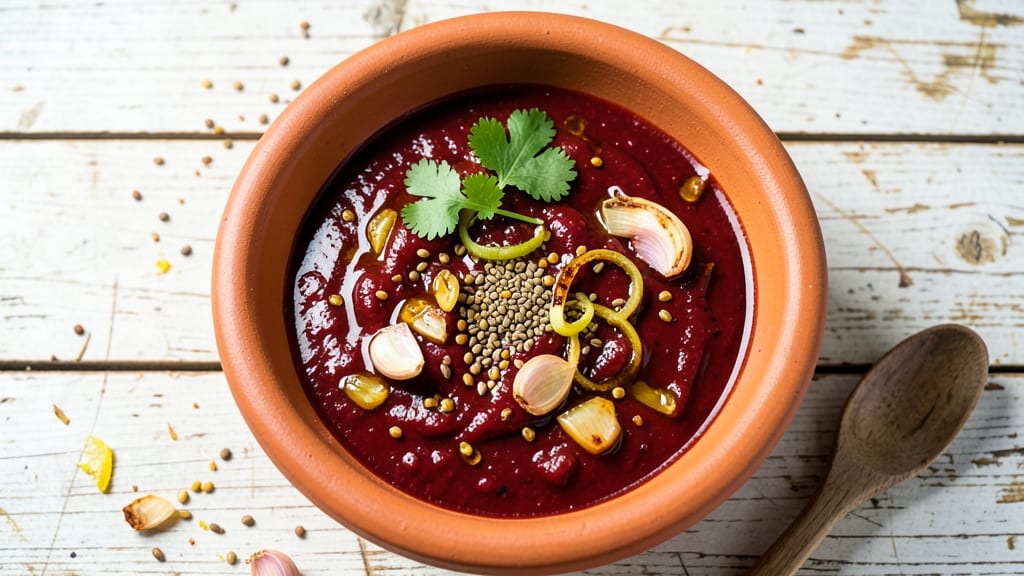
This authentic Indian curry sauce recipe transforms simple pantry staples into a complex, aromatic base that elevates any dish. The secret lies in slow-cooked tomatoes, toasted whole spices, and a careful balance of heat and earthiness—techniques that capture the soul of Indian home cooking.
Unlike store-bought versions, this sauce builds layers of flavor through tempering (tadka), where spices bloom in hot oil to release their full potential.
The foundation starts with onions, ginger, and garlic cooked until golden, then blended with tomatoes, garlic, and a blend of spices—cumin, coriander, turmeric, and garam masala—that create depth without overpowering.
Fresh herbs like cilantro and mint finish the sauce, adding brightness and a touch of freshness that cuts through the richness. This method ensures the sauce stays vibrant even after refrigeration or freezing.
What makes this sauce truly authentic is the patience required—allowing the spices to develop their flavors slowly on the stove, then finishing with a tempering of mustard seeds and asafoetida for that signature Indian aroma.
The result is a versatile sauce that works as a marinade, gravy, or dipping sauce, with a smooth yet textured consistency that clings perfectly to rice, flatbreads, or proteins.
Store it in an airtight container in the fridge for up to a week or freeze for months—this is the kind of sauce that turns simple meals into restaurant-quality experiences. Let’s make it.
Ingredients for authentic indian curry sauce
Transform pantry staples into aromatic curry sauce using toasted spices and fresh herbs.
| Ingredient | Amount | Notes |
|---|---|---|
| Yellow Onions 🧅 | 2 whole | Finely chopped, medium size preferred |
| Fresh Ginger Root 🌿 | 2 tbsp | Grated, peeled, for aromatic base |
| Garlic Cloves 🧄 | 6 cloves | Peeled, for robust flavor profile |
| Canned San Marzano Tomatoes 🍅 | 1 can | 28 oz, crushed by hand |
| Ground Cumin Seeds 🌶️ | 1 tbsp | Toasted for deeper aroma |
| Ground Coriander Seeds 🌿 | 1 tbsp | Toasted lightly before grinding |
| Turmeric Powder 🧡 | 1 tsp | Bright, vibrant color indicator |
| Garam Masala Powder 🌶️ | 1 tbsp | Authentic blend for complexity |
| Red Chili Powder 🔥 | 1 tsp | Adjust for heat preference |
| Fresh Cilantro Leaves 🌿 | ½ cup | Chopped, for bright finish |
| Fresh Mint Leaves 🍃 | ¼ cup | Chopped, for freshness |
| Mustard Seeds 🌱 | 1 tbsp | For tempering (tadka) |
| Asafoetida Powder 🌶️ | ¼ tsp | Authentic umami depth |
| Vegetable Oil 🫒 | ½ cup | High smoke point preferred |
| Salt 🧂 | 1 tsp | Diamond Crystal preferred |
| Water 💧 | ½ cup | For adjusting consistency |
The foundation begins with San Marzano tomatoes—their sweetness and acidity form the sauce's heart. Whole spices like cumin and coriander should be toasted in oil until fragrant before grinding; this releases their essential oils for maximum depth. For onions, yellow with medium size ensures a balance of sweetness and sharpness when caramelized. Ginger and garlic must be freshly grated and minced, respectively, to avoid bitterness. Penzeys Spices or Madhur Indian Gourmet offer authentic blends for garam masala and asafoetida, though bulk bins at Whole Foods or Indian specialty markets provide quality options at lower costs. Mustard seeds are non-negotiable for tempering—they provide the signature crackling sound and nutty aroma essential to authentic Indian cooking.
No toasted spices? Lightly dry-toast whole spices in a pan for 30 seconds before grinding. Substitute garam masala with a blend of cinnamon, cardamom, and cloves if unavailable. Fresh herbs can be swapped for dried at one-third the amount, though the texture will differ. For heat, red pepper flakes replace chili powder at half the quantity. Vegetable oil works, but ghee adds richness if preferred. The sauce's consistency can be adjusted with water—add gradually to achieve a smooth yet textured finish that clings beautifully to proteins or grains. Trader Joe's carries high-quality canned tomatoes and fresh herbs at accessible prices, making this recipe both authentic and practical for home cooks.
Store the sauce in an airtight glass container in the refrigerator for up to 7 days—the flavors deepen over time. For longer storage, freeze in ice cube trays for single portions or silicone molds for larger batches. Thaw overnight in the fridge before reheating. Label containers with the date to track freshness. The sauce reheats beautifully on the stovetop or in the microwave, making it ideal for meal prep. Portion into containers for lunches or quick weeknight dinners—this sauce transforms simple dishes into restaurant-quality experiences with minimal effort.
Why You'll Love This Recipe
- One-Pot Magic: I swear by this recipe because it’s all in one pot—no blender, no strainer, just onions, ginger, and garlic sizzling until the kitchen smells like home. The cumin toasts in seconds, then the San Marzano tomatoes melt into a velvety base with zero fuss.
- Deep, Warm Spice: That first bite? The onions caramelize into sweetness while the ginger and garlic deepen into a slow, spicy hum—like a hug in sauce form. Between us, the cumin’s earthy kick makes this taste way more complex than it looks.
- Meal Prep MVP: I make a double batch on Sundays, then freeze half for lazy nights. It’s perfect over rice, under grilled chicken, or even stirred into lentils—no one suspects how little effort went into it.
- Budget-Friendly Luxury: San Marzano tomatoes might sound fancy, but they’re the secret weapon here—sweet, rich, and cheap enough to use generously. A single jar stretches into three meals, and the spices? A handful lasts months.
Step-by-step instructions for authentic Indian curry sauce
This method delivers restaurant-quality depth through precise spice layering and fresh herb finishing.
Prepare the Spice Base
Heat the 0.5 cup vegetable oil in a heavy-bottomed pot over medium heat until shimmering but not smoking. Add the 1 tbsp mustard seeds and let them sizzle for 30 seconds until they begin popping—this is your flavor anchor. Immediately add the 2 whole yellow onions, finely chopped, and sauté for 8-10 minutes until softened and golden.
Stir in the 2 tbsp grated fresh ginger root and 6 peeled garlic cloves, cooking for 2 minutes until fragrant. Here's where the magic begins: add the 1 tbsp toasted ground cumin seeds and 1 tbsp toasted ground coriander seeds, stirring constantly for 1 minute to toast the spices gently without burning. The aroma should fill your kitchen—this is your foundation.
Build the Tomato Base
Pour in the 1 can crushed canned San Marzano tomatoes, scraping up any browned bits from the bottom of the pot. Add the 1 tsp turmeric powder, 1 tsp red chili powder, and 1 tbsp garam masala powder, stirring to combine. Bring to a gentle simmer and cook uncovered for 15 minutes, stirring occasionally, until the mixture thickens slightly and the raw tomato flavor mellows.
This reduction step is critical—it develops the sauce's complexity. You'll know it's ready when the sauce coats the back of a spoon and the oil begins to separate slightly on top. Taste and adjust seasoning with the 1 tsp salt if needed, but resist adding water yet—we'll balance consistency later.
Finish with Fresh Herbs
Reduce heat to low and stir in the 0.5 cup chopped fresh cilantro leaves and 0.25 cup chopped fresh mint leaves. Add the 0.25 tsp asafoetida powder and simmer for 3-4 minutes just to wilt the herbs slightly—they'll release their bright, fresh flavors into the sauce. The sauce should now have a vibrant green hue and a balanced aroma of earthy spices, sweet tomatoes, and fresh herbs.
If the sauce is too thick, add the 0.5 cup water 1 tablespoon at a time until it reaches a smooth, spoonable consistency—it should coat the back of a spoon but still flow easily. The final texture should be velvety yet light enough to cling to proteins or vegetables without overwhelming them.
Temper for Authentic Depth
For that restaurant-quality finish, transfer 2 tablespoons of the hot sauce to a small bowl and temper it with 1 teaspoon of the remaining vegetable oil. Return this tempered mixture to the pot and stir vigorously for 1 minute—this step enhances the sauce's richness and balances flavors through controlled heat application.
Remove from heat immediately and let the sauce rest for 5 minutes before serving. This resting period allows the flavors to meld completely. The sauce should now have a vibrant color, complex aroma, and perfect balance of spice, sweetness, and freshness—ready to elevate any dish from simple to extraordinary.
Pro Tips For Making Authentic Indian Curry Sauce
- Bloom the Onions Slowly: I learned this the hard way—dumping chopped onions into hot oil and ending up with a bitter, burnt mess. Instead, cook them on medium-low until they’re soft and golden, stirring every 30 seconds. This builds flavor without turning them into charcoal, and it’s the foundation for that deep, caramelized base you want in an authentic curry.
- Grind Ginger-Garlic Fresh: Pre-minced ginger or garlic from the jar? Skip it. The difference in aroma is night and day. Pulse fresh ginger and garlic in a food processor until smooth but still slightly textured—this releases more oils and flavor. If you’re short on time, freeze the paste in ice cube trays and toss them straight into the pot later.
- Toast Cumin Until Aromatic: Dump ground cumin into the pan raw, and you’re just adding dust. Toast it in hot oil for 20–30 seconds until it smells intoxicating—that’s when the spices wake up. Watch it like a hawk; burned cumin tastes like regret. Let it cool slightly before adding liquids, or it’ll turn your sauce bitter.
- Break Tomatoes by Hand: San Marzano tomatoes are sweet and perfect, but crushing them with your fingers (yes, even if you’re impatient like me) releases more juice and seeds, which thickens the sauce naturally. Skip the blender—this step saves time and gives you that rustic, handmade texture that store-bought can’t replicate.
Pro cooking tips for this dish
Tempering Secrets
The tempering (tadka) step is where this sauce transforms from good to restaurant-quality. Start by heating 2 tablespoons of oil in a small pan until shimmering, then add ½ teaspoon mustard seeds—they should pop dramatically within 10 seconds.
Immediately pour this tempered oil into the finished sauce while stirring vigorously. This technique adds a nutty aroma and balances flavors through controlled heat application. 🌟
Spice Toasting
Never skip toasting your whole spices! Lightly dry-toast 1 tablespoon cumin seeds and 1 tablespoon coriander seeds in a dry skillet over medium heat for 30 seconds until fragrant.
Grind them fresh with a mortar and pestle or spice grinder—this releases essential oils that store-bought powders lack. The aroma alone will tell you when they're ready. 🌶️
Tomato Reduction
Simmer the tomatoes uncovered for 15 minutes until they reduce by about one-third—this concentrates their sweetness and removes excess acidity. Stir occasionally to prevent burning, and watch for the sauce to coat the back of a spoon.
If it's too thick, add water 1 tablespoon at a time while stirring constantly. The goal is a velvety texture that clings beautifully to proteins. ⏳
Herb Timing
Add fresh herbs (cilantro and mint) only at the very end of cooking. Simmer them for just 3-4 minutes to wilt slightly—they’ll release their bright flavors without turning bitter.
For extra vibrancy, pulse them briefly in a food processor before stirring into the sauce. This step is where the sauce gets its signature freshness. 🌿
Consistency Control
Adjust the sauce’s thickness by adding water gradually—start with 1 tablespoon, then taste and repeat. The ideal consistency coats the back of a spoon but still flows easily.
For a smoother texture, blend briefly with an immersion blender. If storing, let it cool completely before refrigerating to prevent skin formation. 💧
Storage Hacks
Store in an airtight glass container in the fridge for up to 7 days—flavors deepen over time. For longer storage, freeze in ice cube trays for single portions or silicone molds for larger batches.
Thaw overnight in the fridge before reheating. Label containers with the date to track freshness. The sauce reheats beautifully on the stovetop or in the microwave. ❄️
Nutrition facts
Frequently asked questions
Can I make this sauce without fresh herbs?
Yes, but the flavor will be less vibrant. Substitute 1 tablespoon dried cilantro and 1 teaspoon dried mint for the fresh versions. For best results, toast the dried herbs lightly in a dry pan for 30 seconds to enhance their aroma. The sauce will still taste delicious, though the fresh herb brightness will be noticeably reduced.
How can I adjust the heat level?
Start with the 1 teaspoon red chili powder called for, then adjust to taste. For milder heat, reduce to ½ teaspoon or omit entirely. For extra spice, add ½ teaspoon cayenne pepper or 1 teaspoon Kashmiri red chili powder (which adds color without intense heat). Always taste before adding more!
What's the best way to use this sauce?
This versatile sauce works as a marinade, gravy, or dipping sauce. Use it to baste proteins like chicken or lamb, stir into rice dishes, or serve with naan and veggie sticks. For extra richness, simmer 2 tablespoons ghee into the sauce before serving. The possibilities are endless!
Can I make this sauce vegan?
Simply replace the vegetable oil with coconut oil and ensure your garam masala blend is vegan-certified (some contain honey). The sauce will maintain all its authentic flavors while being completely plant-based. Perfect for veggie curries or as a dipping sauce!
Why does my sauce taste bitter?
Bitterness usually comes from overcooking the tomatoes or using too much garlic/ginger. For future batches, reduce the simmering time to 12 minutes and use 4 garlic cloves instead of 6. If you've already made sauce, balance the bitterness by adding 1 teaspoon sugar or ½ teaspoon lemon juice while warm.