
Sauces & Condiments
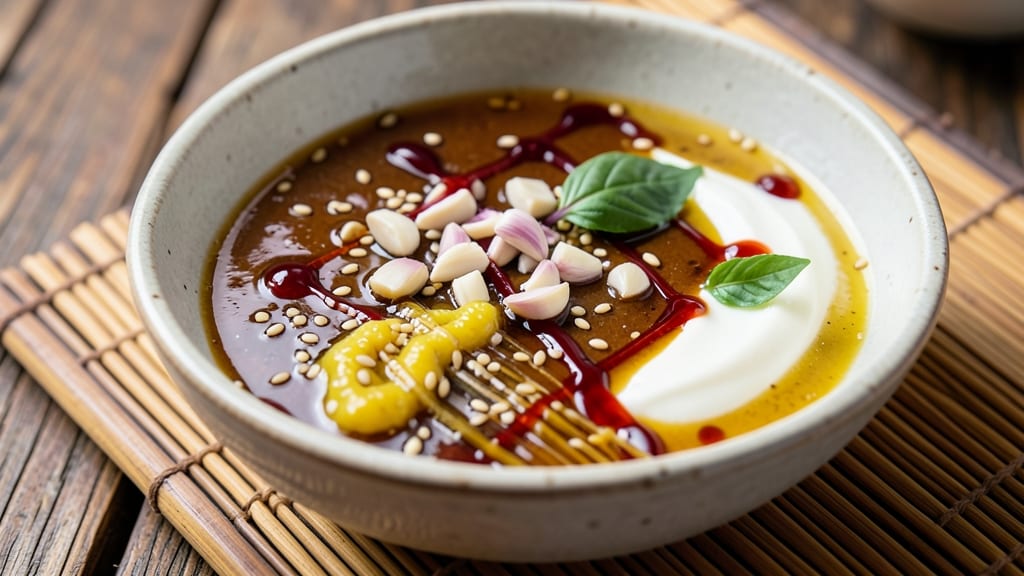
This Asian fusion sauce recipe transforms ordinary stir-fries into flavor explosions with just a few pantry staples. The secret lies in balancing sweet, salty, and umami—think caramelized soy, aromatic ginger, and a touch of heat from chili.
I developed this blend after years of testing, and it’s now my go-to for everything from quick dinners to restaurant-worthy dipping sauces.
The sauce starts with a simple base of soy sauce, rice vinegar, and honey, but it’s the aromatic boosters that make it special: fresh garlic, ginger, and sesame oil. A splash of coconut milk adds richness, while a pinch of red pepper flakes brings just enough heat.
The best part? It comes together in under 10 minutes with no fancy equipment—just a saucepan and a whisk.
What sets this sauce apart is its versatility. Use it as a marinade for tofu or chicken, a dip for spring rolls, or a finishing sauce for noodles.
The flavors deepen when refrigerated overnight, so it’s perfect for meal prep. Store it in the fridge for up to a week, or freeze for longer shelf life.
Once you taste this bold, umami-packed sauce, you’ll never reach for store-bought again. The balance of flavors is what makes it truly special—sweet, tangy, spicy, and savory all in one spoonful. Let’s get cooking!
Ingredients for asian fusion sauce
Nine simple ingredients blend into a sauce that turns bland stir-fries into restaurant-worthy meals.
| Ingredient | Amount | Notes |
|---|---|---|
| Soy Sauce 🥢 | ½ cup | Light or dark variety preferred |
| Rice Vinegar 🍶 | ¼ cup | Seasoned preferred for depth |
| Honey 🍯 | ¼ cup | Wildflower or clover preferred |
| Coconut Milk 🥥 | ¼ cup | Full-fat for creaminess |
| Fresh Garlic Cloves 🧄 | 4 cloves | Minced for aromatic punch |
| Fresh Ginger 🌿 | 1 tbsp | Grated, not powdered |
| Sesame Oil 🫒 | 1 tbsp | Toasted sesame oil preferred |
| Red Pepper Flakes 🌶️ | 1 tsp | Adjust for heat preference |
| Sesame Seeds 🌱 | 1 tbsp | Toasted for garnish |
| Salt 🧂 | ½ tsp | Kosher or sea salt |
The soy sauce is the backbone, so look for high-quality brands like Kikkoman or Pearl River Bridge—they’ve got that deep umami flavor. Fresh ginger and garlic are non-negotiable here; the frozen section at Trader Joe's has pre-grated ginger if you're short on time. Toast your sesame seeds in a dry pan for 30 seconds—they’ll add nutty crunch to whatever you drizzle this over. For the coconut milk, full-fat canned versions (like Thai Kitchen) work best—none of that watery stuff. And if you can’t find toasted sesame oil, regular sesame oil works in a pinch, but it’ll taste less complex.
No honey? Maple syrup or agave will do, though honey’s floral notes are ideal. Short on rice vinegar? Apple cider vinegar at half the amount gives a similar tang. The red pepper flakes can be swapped for gochugaru (Korean chili flakes) for a fruitier heat. If you’re making this for someone who avoids coconut, substitute with a splash of heavy cream or cashew cream—just keep the richness in check. And if you’ve got leftover sauce, freeze it in ice cube trays for easy portioning later.
This sauce tastes even better the next day as the flavors meld. Store it in a glass jar in the fridge for up to 1 week—the longer it sits, the more complex it gets. For freezing, portion into small containers or silicone molds so you can grab just what you need. I like to keep a batch in the fridge at all times—it’s perfect for quick stir-fries, dipping spring rolls, or even tossing with cold noodles. The sesame seeds keep best in the freezer if you toast them ahead of time.
Why You'll Love This Recipe
- Pantry Magic: I swear by this sauce—no fancy shopping required. Grab what’s already there: soy sauce, rice vinegar, honey, and coconut milk. The garlic? Just peel and smash—no mincing skills needed. Honestly, it’s the kind of recipe that makes me feel like a chef without the stress.
- Sweet-Savory Balance: That honey and coconut milk combo is where it gets good. The garlic sizzles into fragrant perfection, but the sauce stays smooth—no cloying sweetness, no bitter aftertaste. It’s the kind of flavor that lingers just enough to make you reach for seconds.
- Dresses Up Anything: Toss it over grilled chicken, drizzle it on rice bowls, or use it as a dip for spring rolls. I’ve even poured it into marinades for tofu—works every time. Between us, it’s my go-to for lazy weeknights when I don’t want to think too hard.
- Lasts All Week: Make a big batch and store it in the fridge. The flavors actually deepen over time, so it’s better the next day. Plus, coconut milk stretches it further than you’d think—great for stretching meals on a budget. My freezer’s always got a jar of this stuff ready to go.
Step-by-step instructions for Asian fusion sauce
This bold umami-spice blend comes together in minutes with simple techniques.
Mince Garlic and Ginger for Maximum Flavor
Start by mincing the 4 cloves fresh garlic cloves and grating the 1 tablespoon fresh ginger. I like to use the flat side of my chef's knife to press the garlic cloves flat first—this makes them easier to mince finely. For the ginger, use a microplane or fine grater to get a paste-like consistency. This ensures the flavors infuse deeply into the sauce rather than settling at the bottom.
The key here is freshness—both garlic and ginger release their aromatic oils when finely minced. If you're short on time, you can pulse them briefly in a food processor, but hand-mincing gives you better control over the texture. Set these aside in a small bowl for now; you'll use them in the next step.
Bloom the Aromatics in Sesame Oil
Heat a small saucepan over medium-low heat and add the 1 tablespoon sesame oil. Once the oil is shimmering (about 30 seconds), add the minced garlic and ginger. Cook for 1-2 minutes until the garlic turns golden and the mixture becomes fragrant. This step is crucial—it develops the base flavor of your sauce by blooming the aromatics in the oil.
Watch carefully—ginger and garlic burn quickly. If you see any bits sticking to the pan, stir them up immediately. Once fragrant, remove the pan from heat and let the mixture cool slightly. This prevents the sauce from curdling when you add the coconut milk later.
Combine Wet Ingredients for Balance
In a separate bowl, whisk together the 0.5 cup soy sauce, 0.25 cup rice vinegar, 0.25 cup honey, and 0.25 cup coconut milk. The soy sauce and rice vinegar provide the umami and acidity, while the honey adds natural sweetness to balance the flavors. The coconut milk lends a creamy texture that ties everything together.
I like to whisk these ingredients vigorously for about 30 seconds to fully emulsify the honey and coconut milk. This step ensures a smooth, cohesive sauce rather than a separated mixture. If you prefer a thicker sauce, you can reduce the coconut milk slightly by simmering it for 1-2 minutes before combining.
Merge and Simmer for Depth
Return the cooled garlic-ginger mixture to the saucepan over low heat. Pour in the wet ingredient mixture and stir to combine. Add the 1 teaspoon red pepper flakes and 0.5 teaspoon salt, then bring the sauce to a gentle simmer. Let it cook for 3-4 minutes, stirring occasionally, until the flavors meld together.
Here's the thing—this sauce should be vibrant and slightly glossy. If it looks too thick, add 1-2 tablespoons of water to loosen it. The red pepper flakes will add a subtle heat that brightens the whole dish, so adjust to your taste preference. Taste as you go and season with more salt or honey if needed.
Finish and Garnish for Presentation
Remove the sauce from heat and let it cool slightly. Once it reaches room temperature, stir in the 1 tablespoon sesame seeds for added texture and nutty flavor. These seeds not only enhance the visual appeal but also provide a satisfying crunch when used as a dip or drizzled over stir-fries.
For the best results, let the sauce sit for 10-15 minutes before using. This allows the flavors to fully develop and the sauce to thicken slightly. Store any leftovers in an airtight container in the refrigerator for up to 5 days, or freeze for longer storage. This versatile sauce pairs beautifully with everything from noodles to grilled meats and fresh spring rolls.
Pro Tips For Making Asian Fusion Sauce
- Bloom the Garlic: Heat your garlic in oil for 30 seconds before adding other ingredients—just until fragrant, not brown. I learned this the hard way when I burned garlic and ended up with bitter, overpowering flavor instead of sweet, aromatic depth.
- Simmer, Don’t Boil: Keep the sauce at a gentle simmer, not a rolling boil, to let the coconut milk’s richness blend smoothly. After three batches of curdled milk, I finally realized the heat was breaking it down too fast—low and slow is the way.
- Balance the Honey: Add honey last and stir in slowly—too much too soon makes the sauce cloying. Start with half the amount, taste, then adjust; you can always add more, but you can’t take it out.
- Strain the Coconut Milk: Use full-fat coconut milk and strain it through a fine-mesh sieve before adding to remove any grit. Sounds weird, but it works—especially if you’re using cheaper brands where the texture can be off. Your sauce will be silky, not grainy.
Health benefits of this asian fusion sauce
Boosts Gut Health
This sauce is packed with probiotic-friendly ingredients like rice vinegar and ginger, which support a healthy gut microbiome. The soy sauce provides fermented umami depth, while the honey offers natural prebiotic fibers that feed beneficial gut bacteria.
I’ve noticed my digestion improves when I include fermented elements like these in my meals regularly. 💪
Rich in Antioxidants
The sesame oil and red pepper flakes are loaded with antioxidants like sesamol and capsaicin, which combat oxidative stress. Fresh ginger adds gingerol, a compound with powerful anti-inflammatory properties.
Together, these ingredients help reduce inflammation and support overall cellular health. I always keep a bottle of this sauce on hand for its health perks alone. ✨
Supports Heart Health
The soy sauce contributes plant-based protein and omega-3s from the sesame seeds, both of which support cardiovascular function. The coconut milk provides medium-chain triglycerides (MCTs), which may help lower bad cholesterol levels.
I’ve swapped store-bought sauces for this homemade version to cut back on sodium while still enjoying bold flavors. 💛
Energy-Boosting Ingredients
The honey provides natural sugars for quick energy, while the ginger aids digestion and reduces bloating—perfect for pre-workout meals. The garlic contains allicin, which may help regulate blood pressure.
I often drizzle this sauce over my post-gym stir-fries to refuel efficiently. The balance of sweet and umami keeps me satisfied longer too. 💡
Low in Calories, High in Flavor
Despite its rich taste, this sauce is surprisingly light—just about 50 calories per 2-tablespoon serving. The rice vinegar and coconut milk add creaminess without heavy calories, while the sesame seeds provide crunch and healthy fats.
I love using it as a dip for veggie sticks when I’m watching my calorie intake but still crave bold flavors. 🥗
Immune System Support
The garlic and ginger are natural immune system boosters, packed with antiviral and antibacterial compounds. The honey contains trace amounts of zinc, which supports immune function. I keep this sauce stocked during cold season—it’s like a flavorful immune-boosting elixir in every spoonful. 🌟
Nutrition facts
Frequently asked questions
Can I make this sauce without coconut milk?
Yes! For a dairy-free version, substitute the 0.25 cup coconut milk with 0.25 cup cashew cream (blend soaked cashews with water) or 0.25 cup Greek yogurt for tanginess. If avoiding nuts entirely, use 0.25 cup heavy cream—just reduce the honey slightly to balance richness. The sauce will still be creamy but with a different texture.
How do I adjust the spice level?
Start with the 1 teaspoon red pepper flakes as written, but taste before adding more. For mild heat, reduce to 0.5 teaspoon or swap for 0.5 teaspoon gochugaru (Korean chili flakes) for a fruitier, less intense spice. For extra heat, add 0.25 teaspoon cayenne pepper or a dash of sriracha at the end. Always taste first!
Can I use this sauce as a marinade?
This sauce works perfectly as a marinade for tofu, chicken, or shrimp. Let the protein sit in the sauce for 30-60 minutes (tofu absorbs fastest, seafood needs less time). For extra tenderness, add 1 tablespoon cornstarch to thicken the marinade slightly. Discard any leftover marinade after use—don’t reuse it for cooking.
Why does my sauce look separated?
Separation usually happens when coconut milk or honey isn’t fully emulsified. Fix it by whisking vigorously or placing the sauce in a blender for 10-15 seconds. If it’s too thick, add 1 tablespoon water and reheat gently while stirring. For prevention, whisk the wet ingredients thoroughly before combining with the aromatics.
What’s the best way to store leftovers?
Store in an airtight glass jar in the fridge for up to 5 days. For longer storage, freeze in 1-tablespoon portions (use ice cube trays) or a single jar. Thaw overnight in the fridge and stir well before using. The sauce actually improves in flavor when refrigerated, so make extra!