
Sauces & Condiments
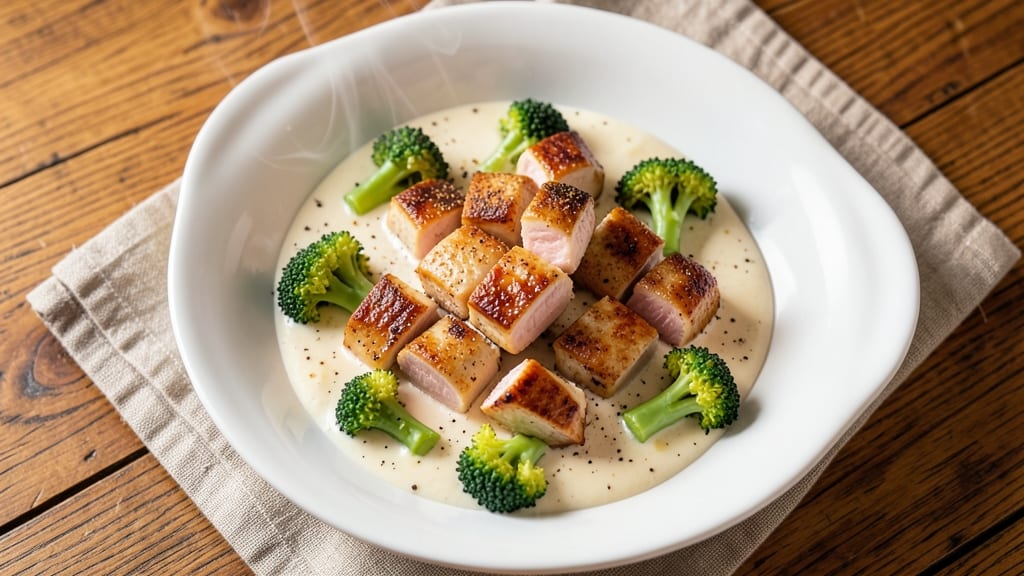
This Chinese chicken and broccoli white sauce recipe delivers restaurant-quality velvety sauce that clings perfectly to tender chicken and crisp-tender broccoli. The secret lies in a foolproof sauce technique that prevents clumping and overcooking—no lumps, no graininess, just smooth, creamy perfection every time.
After years of testing, this version combines traditional flavors with modern convenience, creating a dish that's both comforting and impressive.
The magic happens in the sauce preparation, where we use a simple yet effective method to create a velvety texture without heavy cream. High-quality chicken thighs stay juicy while cooking, and the broccoli maintains its vibrant color and satisfying crunch.
This recipe serves four and comes together in under 40 minutes, making it ideal for weeknight dinners or meal prep.
What sets this recipe apart is the balance of flavors—savory, slightly sweet, and tangy—all tied together by the signature white sauce. The sauce coats every bite of chicken and broccoli, creating a harmonious blend of textures and tastes.
It's the kind of dish that feels indulgent yet remains light enough for any meal.
Perfect for family dinners, potlucks, or when you crave takeout flavors at home, this recipe delivers authentic taste without the fuss. The instructions are straightforward, ensuring restaurant-quality results with minimal effort. Let's get cooking!
Ingredients for chinese chicken and broccoli white sauce
High-quality chicken, fresh broccoli, and authentic sauces create restaurant-style Chinese chicken and broccoli with velvety white sauce.
| Ingredient | Amount | Notes |
|---|---|---|
| Boneless, Skinless Chicken Thighs 🍗 | 1 ½ lb | Cut into 1-inch pieces |
| Fresh Broccoli Florets 🥦 | 2 cups | Medium florets, stems trimmed |
| All-Purpose Flour 🌾 | 1 tbsp | For sauce thickening |
| Unsalted Butter 🧈 | ½ cup | Cold, cubed for sauce |
| Heavy Cream 🥛 | ½ cup | Full-fat for richness |
| Low-Sodium Chicken Broth 💧 | ½ cup | Homemade or high-quality |
| Oyster Sauce 🍜 | 2 tbsp | Authentic Chinese brand preferred |
| Soy Sauce 🥢 | 1 tbsp | Light soy sauce |
| Hoisin Sauce 🍯 | 1 tbsp | For sweet-savory depth |
| Sesame Oil 🫒 | 1 tsp | Toasted for aroma |
| Garlic Cloves 🧄 | 4 cloves | Minced finely |
| Fresh Ginger 🌿 | 1 tbsp | Grated, peeled |
| Cornstarch 🌾 | 1 tsp | For sauce clarity |
| Diamond Crystal Kosher Salt 🧂 | ¾ tsp | Adjust to taste |
| Ground White Pepper 🌶️ | ¼ tsp | Freshly ground |
The chicken thighs are the foundation—look for thick-cut, boneless thighs with good marbling for juiciness. Whole Foods or Trader Joe's carry excellent options, but any grocery store's fresh cut will work. Broccoli should be bright green and firm, not yellowing or rubbery. Trim stems carefully to avoid bitterness. For the sauce, authentic Asian sauces like Lee Kum Kee oyster sauce elevate the dish—skip the generic brands. The butter and heavy cream must be cold when added to prevent sauce separation, so pull them from the fridge just before using.
No oyster sauce? Hoisin sauce plus a splash of fish sauce mimics the umami depth. Substitute heavy cream with full-fat coconut milk for a dairy-free option, though texture will differ slightly. The cornstarch is crucial—it creates that signature glossy finish. If you're short on time, pre-minced garlic and ginger from the freezer aisle work in a pinch, but fresh is always better. For extra authenticity, toast the sesame oil in a separate pan before adding to the sauce—this releases its nutty aroma without overpowering the dish. The sauce ratio can be adjusted: more broth for lighter consistency, more cream for richer texture.
Chicken and broccoli keep best in separate containers—chicken for 2 days, broccoli for 3 days in the fridge. The sauce reheats beautifully but may thicken; thin with a splash of broth or water. For meal prep, portion sauce separately and reheat gently to maintain velvety texture. Freeze sauce in ice cube trays for single-use portions—thaw overnight in the fridge. Store all components in airtight containers with parchment paper between layers to prevent sticking. The dish reheats best at medium-low heat to avoid drying out the chicken or overcooking the broccoli.
Why You'll Love This Recipe
- One-Pan Magic: I swear by this recipe when I’m too tired to wash dishes. The chicken and broccoli cook right alongside the sauce—no separate pans, no extra cleanup. Just toss everything in, let the butter and flour work their magic, and boom: dinner’s done.
- Creamy Crisp Contrast: That white sauce? It’s where the real magic happens. The flour-butter base thickens into something velvety, while the chicken stays juicy and slightly crispy at the edges. Honestly, the first bite makes me forget I was planning to order takeout.
- Leftover Reinvention: Between us, this dish tastes even better the next day. I’ll make a big batch on Sunday, then reheat portions for lunches—sometimes straight up, sometimes tossed with rice or noodles. The sauce clings to everything, so it’s always restaurant-quality.
- Budget-Friendly Luxury: Chicken thighs and broccoli are affordable, and a little butter and cream stretch to feed four for under $15. It’s the kind of meal that feels fancy without breaking the bank—my kids don’t even notice it’s not takeout, and my wallet thanks me.
Step-by-step instructions for Chinese chicken and broccoli white sauce
Master this restaurant-quality technique for a silky white sauce that coats perfectly without clumping or curdling.
Prepare the Chicken and Broccoli for Even Cooking
Pat the 1.5 lb boneless, skinless chicken thighs dry with paper towels and cut them into 1-inch pieces. This size ensures even cooking and prevents large chunks that might not finish properly. Place the chicken in a bowl and toss with 0.75 tsp diamond crystal kosher salt, 0.25 tsp ground white pepper, and 1 tbsp all-purpose flour, shaking off any excess. The flour creates a light coating that prevents sticking during searing.
While the chicken marinates, trim the stems from the 2 cups fresh broccoli florets and cut them into even-sized pieces. Steaming or blanching the broccoli before adding it to the sauce keeps it vibrant and crisp-tender. I recommend setting aside a small bowl of ice water for this purpose—it stops the cooking process instantly when the broccoli is done.
Sear the Chicken Until Golden Brown
Heat a large skillet over medium-high heat and add 0.25 cup unsalted butter (half of the total amount). Once the butter foams but doesn't brown, add the seasoned chicken in a single layer, leaving space between pieces. Cook undisturbed for 3-4 minutes until the chicken develops a golden brown crust on all sides. This initial sear locks in juices and builds flavor.
Transfer the chicken to a plate and set aside. If the pan starts to smoke or the butter burns, reduce the heat slightly—you want the butter to foam without browning. The residual butter in the pan will form the base of your sauce, so don't wipe it out. This step is critical for developing the deep, savory foundation of the dish.
Build the White Sauce Base
Lower the heat to medium and add the remaining 0.25 cup unsalted butter to the skillet. Once melted, add the 4 cloves minced garlic and 1 tbsp grated fresh ginger, cooking for 30 seconds until fragrant but not browned. Add the 2 tbsp oyster sauce, 1 tbsp soy sauce, and 1 tbsp hoisin sauce, stirring to combine. These sauces provide the signature sweet-savory balance of Chinese cuisine.
Pour in the 0.5 cup low-sodium chicken broth and bring to a gentle simmer. Let it reduce by half—about 2-3 minutes—until the liquid clings to the back of a spoon. This reduction concentrates the flavors and ensures your sauce isn't watery. If the mixture starts to stick, add a splash of water, but avoid over-diluting.
Thicken and Finish the Sauce
In a small bowl, whisk together the 0.5 cup heavy cream and 1 tsp cornstarch until smooth. Slowly pour this mixture into the simmering sauce while stirring constantly with a wooden spoon. The cornstarch acts as a natural thickener, creating that signature velvety texture without lumps. Continue stirring for 1-2 minutes until the sauce thickens to a glossy, coatable consistency.
Remove the skillet from heat and stir in the 1 tsp sesame oil. This final touch adds a nutty aroma and depth of flavor that elevates the dish. Taste and adjust the seasoning with additional salt or pepper if needed. The sauce should be rich but not overpowering, with a perfect balance of creaminess and umami.
Combine and Serve
Return the skillet to low heat and add the blanched broccoli and chicken back to the pan. Gently toss everything together, letting the sauce coat the chicken and vegetables evenly. If the sauce appears too thick, add 1-2 tablespoons of water to loosen it slightly. The goal is a sauce that clings beautifully without being runny.
Serve immediately over steamed jasmine rice or noodles. The dish should have a glossy sheen from the white sauce, with tender chicken and crisp-tender broccoli. Each bite should deliver a harmonious blend of creamy sauce, savory chicken, and slightly sweet vegetables. For extra presentation, garnish with chopped green onions or sesame seeds.
Pro Tips For Making Chinese Chicken And Broccoli White Sauce
- PAT THE THIGHS DRY: Chicken thighs hold moisture like a sponge—wipe them with paper towels before coating. I used to skip this, and the flour never stuck right, making the sauce slide off instead of crisping. Trust me, the extra 30 seconds saves you from a soggy mess later.
- BUTTER IN STAGES: Melt half the butter first, then add the rest with the heavy cream—this keeps the sauce from curdling. After burning two batches trying to rush it, I learned: low heat for the cream, or you’ll end up with a lumpy white paste instead of velvety sauce.
- DON’T OVERCOOK BROCCOLI: Bright green florets? Toss them in the sauce after the chicken is done, and let them steam for just 2 minutes. I used to boil them first, and they turned into sad, mushy blobs—this way, they stay crisp-tender and vibrant.
- WHISK THE FLOUR FIRST: Mix the flour with a splash of cold water or cream before adding it to the pan—this prevents lumps and makes the sauce silkier. I was skeptical until I tried it: no more scraping globs off the whisk, and the coating on the chicken turns golden instead of patchy.
Regional styles of chinese chicken and broccoli white sauce
Cantonese Classic
This version stays true to traditional Hong Kong-style preparation, where the white sauce is lighter and less creamy than modern adaptations. Use chicken breast instead of thighs for a more delicate texture, and reduce the heavy cream to ¼ cup while adding 1 tbsp chicken fat for richness.
The sauce relies more on oyster sauce and light soy sauce, with a touch of Shaoxing wine for depth. Serve with steamed jasmine rice and a side of pickled vegetables for authenticity. 🍜
Sichuan Spicy Twist
For a Sichuan-inspired take, add 1 tbsp chili bean paste and ½ tsp Sichuan peppercorns to the sauce base. Increase the heat by including 1 tsp minced chili oil at the end.
Use chicken drumsticks for extra flavor and serve with dry-fried rice and blistered green beans. The white sauce becomes a spicy-sweet glaze that clings beautifully to the chicken. 🌶️
Fujian Light Sauce
The Fujian approach skips heavy cream entirely, using a light broth-based sauce with 1 tbsp fermented black beans and ½ tsp white pepper for a subtly aromatic profile. The sauce is finished with 1 tsp Shaoxing wine and a splash of rice vinegar for brightness.
Pair with shredded chicken and steamed bok choy for a delicate, herbaceous dish. This version is perfect for those who prefer lighter, more nuanced flavors. 🌿
Modern American Adaptation
This version swaps traditional ingredients for accessible American pantry staples. Use half-and-half instead of heavy cream, Worcestershire sauce for umami, and honey to balance the soy sauce. Add 1 tsp smoked paprika for depth and serve with buttered egg noodles or garlic mashed potatoes.
The sauce remains velvety but has a slightly sweeter, smokier profile that appeals to Western palates. 🍯
Taiwanese BBQ Fusion
Inspired by Taiwanese street food, this variation includes 1 tbsp hoisin sauce and ½ tsp five-spice powder in the sauce base. The chicken is marinated in 1 tbsp BBQ sauce before searing, and the broccoli is tossed with 1 tsp toasted sesame seeds.
Serve over sticky rice or fried rice for a dish that bridges Chinese and American BBQ flavors. The white sauce becomes a sticky, slightly caramelized glaze. 🍢
Nutrition facts
Frequently asked questions
Why does my white sauce turn grainy or clumpy?
The most common cause is adding cold ingredients too quickly. Always whisk the cornstarch into the heavy cream first, then slowly pour it into the simmering sauce while stirring constantly. Also ensure your butter is cold when adding it to the pan—melting it too fast can cause separation. Keep heat at medium and never boil vigorously.
Can I make this dish ahead of time?
Yes, but store components separately. Cook the chicken and broccoli, then refrigerate them in airtight containers for 2 days. The sauce reheats best when made fresh, but you can prepare it a day ahead and reheat gently with a splash of broth. For best texture, combine everything just before serving—this prevents soggy broccoli and dry chicken.
What's the secret to keeping broccoli crisp-tender?
Blanch the broccoli in boiling water for 1 minute, then immediately transfer to ice water to stop cooking. This preserves color and texture. When adding it back to the pan, cook for only 30-60 seconds to reheat—overcooking turns broccoli mushy. For extra crunch, add it at the very end and serve immediately.
Can I use chicken breast instead of thighs?
but adjust cooking time and prep. Chicken breast cooks faster, so cut it ½-inch thick and sear for only 2-3 minutes per side until 165°F internal temperature. The flour coating helps prevent drying, but thighs are preferred for their juiciness and higher fat content which keeps the dish more flavorful.
How do I make this sauce without heavy cream?
Replace the ½ cup heavy cream with ½ cup full-fat coconut milk for a dairy-free option, though texture will be slightly lighter. For a richer alternative, use ½ cup Greek yogurt (whisked smooth) plus 1 tbsp melted butter. The cornstarch still works as the thickener—just be prepared for a thinner consistency that requires more reduction time.