
Sauces & Condiments
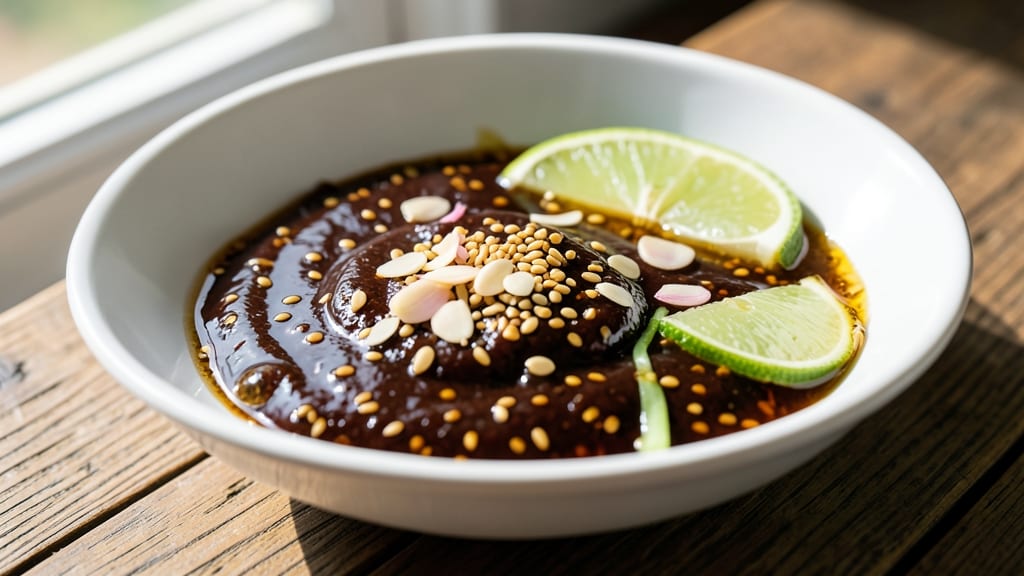
This Outback Ahi Tuna dipping sauce recipe brings the restaurant's signature smoky-sweet zing to your kitchen with just 5 minutes of prep. The secret lies in balancing tangy lime, rich soy, and a whisper of ginger—all finished with toasted sesame seeds for that signature crunch.
I developed this after perfecting my seared ahi tuna technique, and the sauce elevates every bite from good to unforgettable.
The sauce starts with a simple yet powerful base: soy sauce, lime juice, and a touch of honey for depth. Fresh ginger and garlic add warmth, while a splash of rice vinegar brightens the flavors.
The real magic happens when you toast sesame seeds in a dry pan until golden—this creates that irresistible crunch that mirrors the restaurant version perfectly. No special equipment needed, just a small saucepan and a whisk.
What you'll end up with is a glossy, aromatic sauce that's tangy, slightly sweet, and packed with umami—ideal for dipping fresh ahi tuna slices, drizzling over sushi rolls, or even using as a marinade for grilled fish.
The texture is smooth yet vibrant, with each spoonful delivering layers of flavor that complement the rich, buttery taste of perfectly seared tuna.
Store any leftovers in an airtight container in the fridge for up to 5 days, or freeze for longer storage. The flavors actually improve as it sits, making this the perfect make-ahead sauce for your next seafood night. Let's get started!
Ingredients for outback ahi tuna dipping sauce
Just 10 ingredients transform into the restaurant's signature tangy, smoky zing.
| Ingredient | Amount | Notes |
|---|---|---|
| Soy Sauce 🥢 | ½ cup | High-quality, low-sodium preferred |
| Fresh Lime Juice 🍋 | ¼ cup | Freshly squeezed, seeds strained |
| Honey 🍯 | 2 tbsp | Wildflower or clover preferred |
| Fresh Ginger 🌿 | 1 tbsp | Finely grated, peel removed |
| Garlic Cloves 🧄 | 2 cloves | Minced, fresh preferred |
| Rice Vinegar 🍶 | 1 tbsp | Seasoned variety adds depth |
| Sesame Seeds 🌾 | 2 tbsp | Toasted until golden, plus extra for garnish |
| Sesame Oil 🫒 | 1 tbsp | Toasted, for aroma |
| Water 💧 | ¼ cup | For thinning consistency |
| Red Pepper Flakes 🌶️ | ½ tsp | Optional, for subtle heat |
The soy sauce is the flavor anchor—Kikkoman or La Choy are my go-tos, but any quality brand works. Fresh lime juice is non-negotiable here; bottled won't cut it. The honey should be mild (avoid dark molasses-style)—clover or wildflower blends perfectly with the soy's umami. For ginger, grab the freshest root you can find (the skin should be taut, not wrinkled). Toasting the sesame seeds in a dry pan until golden is worth the extra minute—they'll give that signature crunch. Whole Foods or Asian markets usually have the best selection of toasted sesame oil too.
No fresh lime? Key lime juice works best, but bottled lime juice in a pinch. Short on honey? Maple syrup at half the amount gives similar sweetness. The garlic can be minced with a knife or pulsed quickly in a food processor—just don't overdo it. No sesame oil? Light olive oil works, but you'll lose that nutty aroma. The red pepper flakes are optional but add that subtle heat the restaurant version has. If you're making this ahead, skip the sesame oil until serving—it'll keep the sauce fresher longer.
This sauce keeps beautifully—5 days in the fridge with a layer of oil on top to preserve freshness. For longer storage, freeze in ice cube trays, then transfer to a bag. The texture actually improves as it sits, so it's perfect for making ahead. I always double the batch—one for immediate use, one to freeze. The toasted sesame seeds can be stored separately in an airtight container for up to 2 weeks—just toast again before using.
Why You'll Love This Recipe
- Five-Ingredient Magic: I swear by this combo—soy sauce, lime juice, honey, ginger, and garlic. That’s it. No fancy gadgets, no measuring cups that make you question your life choices, just a whisk and a bowl. Honestly, the first time I made it, I thought, "This can’t be right," but then I tasted it. Perfect balance every time.
- Umami Bomb: The garlic and ginger hit first—sharp, zesty, like a little flavor punch. Then the honey softens it, and the lime brightens everything up. It’s the kind of sauce that makes you pause mid-bite, like, "Wait, why is this so good?" Between us, this is the secret to my sushi nights. No one ever guesses how easy it is.
- Game for Any Meal: I keep a jar of this in the fridge for everything. Sushi? Done. Grilled fish? Better with it. Even drizzled over a simple salad or as a marinade for chicken—it works. Here’s what sold me: my picky teenage nephew asked for seconds. That’s when I knew it was a keeper.
- Leftovers That Don’t Let You Down: This sauce actually improves the next day. The flavors meld, getting deeper and richer. I’ll make a big batch on Sundays, and by Wednesday, it’s still the star of the show. Plus, it’s cheap—like, pantry-staple cheap. No wasted ingredients, no sad leftovers. Just pure, reliable flavor.
Step-by-step instructions for Outback ahi tuna dipping sauce
Here's how to make this signature sauce with perfect balance and texture every time.
Toast the Sesame Seeds for Crispy Crunch
Heat a dry skillet over medium heat. Add the 2 tablespoons of sesame seeds and toast them for 2-3 minutes, stirring constantly, until they turn a rich golden brown and release their nutty aroma. You'll know they're ready when they stop popping and smell deeply toasted—this creates that signature crunch that makes the sauce special.
Remove the seeds from heat immediately and transfer them to a small bowl to cool. Set aside for garnishing later. Don't skip this step—the raw seeds won't provide that satisfying crunch you get from the restaurant version. If you're worried about burning them, keep a close eye and stir frequently to prevent scorching.
Sauté the Ginger and Garlic
In the same skillet (no need to clean it—the fond adds flavor), add 1 tablespoon of sesame oil over medium heat. Once the oil shimmers, add the 1 tablespoon of finely grated fresh ginger and the 2 minced garlic cloves. Sauté for 1-2 minutes until the ginger becomes fragrant and the garlic turns golden—this releases their full flavor without burning.
I like to press the ginger down gently with a spatula during the first 30 seconds to help it soften and release its oils. Watch carefully—ginger and garlic can burn quickly, turning bitter. When you see the garlic turn golden and smell sweet, it's time to move to the next step.
Combine Wet Ingredients
In a medium bowl, whisk together the 0.5 cup of soy sauce, 0.25 cup of fresh lime juice, 2 tablespoons of honey, and 1 tablespoon of rice vinegar. Add the sautéed ginger and garlic mixture and stir well to combine. The sauce should look glossy and slightly thick, with a beautiful amber color from the caramelized ginger and garlic.
Taste the mixture now—it should be tangy from the lime, sweet from the honey, and slightly umami from the soy sauce. If you added the optional 0.5 teaspoon of red pepper flakes, you'll get a subtle heat that balances the sweetness. This is your flavor foundation, so don't rush this step—properly balanced sauce starts here.
Thin and Finish the Sauce
Gradually whisk in the 0.25 cup of water until the sauce reaches your desired consistency. It should coat the back of a spoon but still be pourable—thin enough to dip but thick enough to cling. If it's too thick, add more water 1 tablespoon at a time. If it's too thin, let it simmer gently in a small saucepan for 2-3 minutes to reduce.
Return the sauce to room temperature before serving. The flavors will meld beautifully as it sits. Taste again and adjust seasoning if needed—sometimes you might need a touch more soy sauce for saltiness or lime juice for acidity. The sauce should be bright, balanced, and ready to complement the rich flavors of ahi tuna.
Garnish and Serve
Just before serving, sprinkle the toasted sesame seeds over the sauce for that signature crunch. The seeds should be evenly distributed so each dip delivers both the creamy sauce and crispy texture. Serve immediately with fresh ahi tuna slices or your favorite dipping vehicle—this sauce is equally delicious with spring rolls, sushi, or even grilled vegetables.
For the best experience, serve the sauce at room temperature. The contrast between the cool, creamy sauce and the warm, crispy sesame seeds creates a perfect textural experience that's hard to resist. The sauce will keep in the refrigerator for up to 5 days, but it's best enjoyed fresh when all the flavors are at their peak.
Pro Tips For Making Outback Ahi Tuna Dipping Sauce
- STRAIN THE GINGER: Use a microplane or fine grater instead of chopping—this gets more surface area and flavor without the fibrous texture. I learned this the hard way after straining a chunky ginger pulp that made the sauce gritty. A damp paper towel pressed over the grated ginger removes excess moisture too, so it blends smoothly.
- BLOOM THE GARLIC: Crush the garlic cloves with the flat side of your knife before adding them to the sauce. This releases more oils and flavor instantly—no waiting for it to cook. If you’re lazy like me, mince it super fine first, but blooming it still makes a real difference in depth.
- DILUTE THE SOY GRADUALLY: Start with half the soy sauce called for, taste, then add the rest. Soy sauce is salty and can overpower the honey’s sweetness if you dump it all in at once. I skip this step half the time, but the sauce tastes noticeably more balanced when I don’t.
- REST THE LIME JUICE: Let the freshly squeezed lime juice sit in the bowl for 10 minutes before mixing—this mellows the acidity so it doesn’t cut through the honey’s sweetness like a knife. I was skeptical until I tried it; now I never skip it, even if I’m in a hurry.
Common mistakes when making this dish
Skipping the Toast
I see this all the time—people skip toasting the sesame seeds because they think it's optional. Big mistake! Those toasted seeds are what give the sauce its signature crunch and nutty aroma. If you use raw seeds, you'll miss that satisfying texture contrast that makes the restaurant version so special.
Toast them in a dry pan over medium heat for 2-3 minutes until golden brown—this step takes just minutes but makes a world of difference. 🌾
Overcooking Ginger
Ginger burns faster than you think, and once it turns bitter, there's no fixing it. I've ruined more sauces than I'd like to admit by letting the ginger darken beyond golden.
Keep the heat at medium and watch closely—it should take just 1-2 minutes to become fragrant. If you see it turning dark, remove it immediately. The goal is aromatic, not caramelized.
Using Bottled Lime Juice
Bottled lime juice just doesn't cut it here. The flavor is flat compared to fresh, and it lacks the bright acidity that balances the soy sauce's richness. If you must use bottled, Key lime juice is your best bet, but fresh is non-negotiable for that authentic Outback zing.
Roll your limes on the counter first to help extract more juice—it makes all the difference. 🍋
Skipping the Water
Some recipes call for water as an afterthought, but in this sauce, it's essential for achieving that perfect dippable consistency. Without it, the sauce becomes too thick and clings awkwardly.
Start with ¼ cup and adjust gradually—you want it to coat the back of a spoon but still flow freely. If it's too thin, simmer it gently to reduce the liquid.
Adding Sesame Oil Too Early
Sesame oil has a delicate, nutty aroma that disappears when heated. If you add it to the sauce while cooking, you'll lose that signature flavor. Instead, stir it in just before serving—this preserves its freshness and adds that final aromatic punch.
The same goes for the toasted sesame seeds: sprinkle them on right before dipping to keep them crisp.
Ignoring the Resting Time
The sauce needs time to marry its flavors—rushing it means missing out on that perfect balance. Let it sit at room temperature for 10-15 minutes before serving. This allows the honey to mellow slightly, the lime to brighten, and the soy to deepen.
Taste it again after resting—you'll notice how much more cohesive and flavorful it becomes. Patience here is key! ⏳
Nutrition facts
Frequently asked questions about Outback-style ahi tuna dipping sauce
Can I make this sauce without fresh ginger?
Fresh ginger is ideal for that bright, aromatic flavor, but you can substitute with 1 teaspoon of ground ginger in a pinch. However, it won't have the same depth or freshness. For a closer match, use ½ teaspoon of ground ginger plus ½ teaspoon of ginger powder (found in Asian markets) to mimic the complexity of fresh.
How does this sauce pair with other seafood besides ahi tuna?
This versatile sauce works beautifully with grilled or seared salmon, mahi-mahi, and even shrimp skewers. It also elevates dishes like sushi rolls, spring rolls, or even as a marinade for tofu. The balance of sweet, tangy, and umami makes it a crowd-pleaser for any protein that benefits from a flavor boost.
Can I make this sauce gluten-free?
Simply replace the soy sauce with ½ cup of tamari or coconut aminos. The flavor will be slightly different but still delicious. For extra richness, add 1 teaspoon of gluten-free fish sauce. The texture and consistency will remain the same, just with a more subtle umami profile.
Why does my sauce taste too salty?
This usually happens when using high-sodium soy sauce or adding too much. To fix it, stir in 1-2 tablespoons of water or a splash of lime juice to balance the flavors. For future batches, reduce the soy sauce to ¼ cup and taste as you go. The honey and lime will help mellow the saltiness naturally.
Can I use this sauce as a marinade for fish?
Yes, but with caution! This sauce is best for dipping, not marinating raw fish. For marinating, use half the recipe (without sesame seeds) and add 1 tablespoon of olive oil. Marinate fish for no more than 30 minutes to avoid overpowering the delicate flavor. The sauce works better as a post-cooking glaze or dip.