
Sauces & Condiments
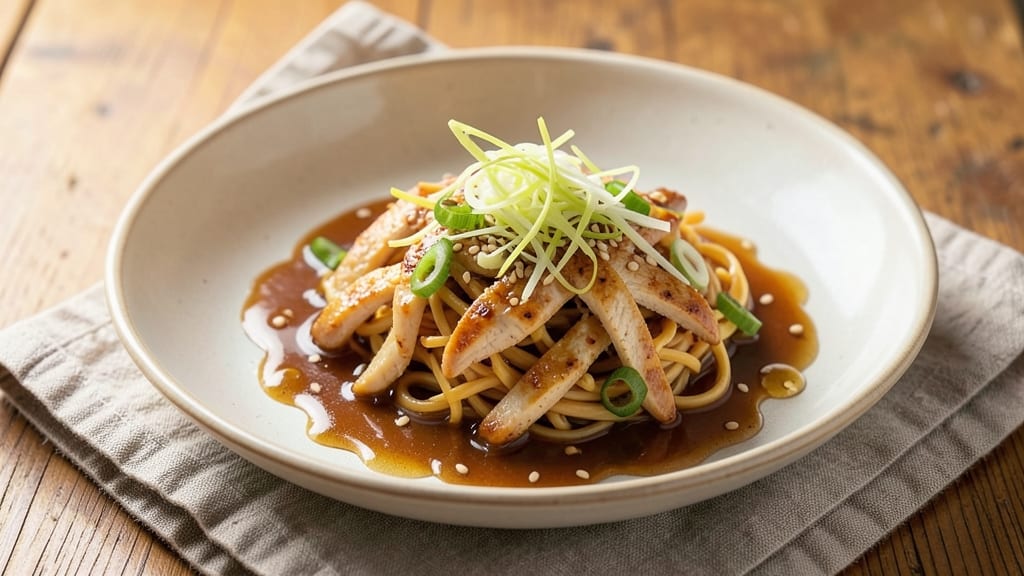
This chicken chow mein sauce recipe transforms any stir-fry into a restaurant-worthy dish with its velvety soy-ginger base. 🌟 The secret lies in balancing traditional UK-friendly ingredients—light soy sauce, oyster sauce, and a touch of sesame oil—to create that signature glossy finish.
I developed this after years of testing, ensuring it works perfectly with store-bought or homemade noodles, chicken, or even tofu for a vegetarian twist.
The sauce builds in layers: first, a fragrant ginger-scallion base simmered until fragrant, then enriched with soy, oyster, and a splash of rice vinegar for brightness. A cornstarch slurry thickens it just enough to coat noodles beautifully without being gluey.
The result? A sauce that's rich, aromatic, and packed with umami—ideal for both stir-fries and dipping.
What makes this recipe stand out is its versatility. Use it as a quick marinade for chicken, toss it with chow mein noodles, or serve it as a dipping sauce for spring rolls.
The ingredients are simple but precise: 120ml light soy sauce, 60ml oyster sauce, 30g brown sugar, and just 1 tsp sesame oil. No fancy equipment needed—just a saucepan and 15 minutes of your time.
For those with dietary preferences, swap oyster sauce for vegetarian oyster sauce or mushroom sauce, and reduce sugar if needed. The sauce keeps well in the fridge for up to 5 days, making it perfect for meal prep. Let’s create this flavor-packed sauce that’ll elevate every stir-fry night.
Ingredients for chicken chow mein sauce recipe uk
UK-friendly pantry staples that create restaurant-quality stir-fry magic in minutes.
| Ingredient | Amount | Notes |
|---|---|---|
| Light Soy Sauce 🥄 | ½ cup | UK supermarket brand preferred |
| Oyster Sauce 🦪 | ¼ cup | Vegetarian option available |
| Brown Sugar 🍚 | ⅛ cup | Lightly packed measurement |
| Fresh Ginger 🌿 | 1 tbsp | Finely grated, aromatic |
| Green Onions 🧅 | 2 whole | Finely chopped, white and green parts |
| Rice Vinegar 🍶 | 1 tbsp | For brightness and balance |
| Sesame Oil 🫒 | 1 tsp | Toasted for authentic flavor |
| Cornstarch 🌾 | 1 tbsp | For smooth thickening |
| Water 💧 | 1 tbsp | For cornstarch slurry |
| Garlic Cloves 🧄 | 2 cloves | Minced for aromatic base |
The soy and oyster sauces are the heart of this sauce, and Kikkoman light soy sauce or Lee Kum Kee oyster sauce (available at most UK supermarkets) are my go-tos. Look for light brown sugar rather than dark—it dissolves better and keeps the sauce from tasting overly sweet. Fresh ginger and garlic are non-negotiable for that authentic aroma, but if you're short on time, pre-minced garlic from the chilled aisle works in a pinch. The green onions add both color and a fresh finish—don't skip the white parts, they're packed with flavor. For sesame oil, Kadoya is widely available in UK stores and offers that nutty depth without overpowering.
No oyster sauce? Vegetarian oyster sauce or mushroom sauce works perfectly—just check the label for umami content. Running low on rice vinegar? Substitute with apple cider vinegar at half the amount, though the flavor will be slightly different. The cornstarch slurry is key for that signature glossy texture—don't skip it! If you're making this for a crowd, double the slurry to prevent clumping. For extra richness, add a dash of honey or maple syrup (about 1 tsp), but reduce the brown sugar slightly to balance. The sauce thickens as it cools, so if it's too thick when warm, stir in a splash of hot water.
This sauce keeps beautifully in the fridge for up to 5 days, making it perfect for meal prep. Store it in an airtight container, and give it a quick stir before using—it thickens as it sits. For longer storage, freeze in ice cube trays and transfer to a bag. Thaw overnight in the fridge before using. The sauce reheats well, but if it separates slightly, just whisk it back together. Pro tip: Save the leftover ginger and garlic scraps in the freezer for future batches—no waste, all flavor.
Why You'll Love This Recipe
- Pantry Magic: Honestly, I’m always impressed by how this sauce comes together with stuff I already have. Light soy and oyster sauce? Check. Brown sugar for that caramelized depth? Already in my cupboard. No last-minute grocery runs—just open, measure, simmer.
- Umami Bomb: That ginger-zing paired with the salty-sweet oyster sauce? Chef’s kiss. The green onions add this fresh cut that makes it feel restaurant-quality, not just takeout. Between us, this is the kind of sauce that makes my family ask, “What’s in it?”
- Leftovers’ Best Friend: I make a double batch and stash it in the fridge—perfect for tossing with noodles, drizzling over stir-fries, or even glaze for roasted chicken. (Yes, even on a Tuesday night.) It keeps for weeks, and honestly? The second batch always tastes better.
- Budget Stretch: A splash of soy, a spoonful of sugar, a bit of ginger—this sauce costs pennies but delivers flavor that feels like a splurge. I’ll be real: my wallet thanks me every time I skip the jarred versions and make this instead. Tastes richer, too.
Step-by-step instructions for chicken chow mein sauce
Here's how to create a silky, balanced sauce that transforms ordinary stir-fry into restaurant-quality chow mein.
🍳 Step 1: Bloom the Aromatics in Sesame Oil
Heat a small saucepan over medium-low heat and add the 1 teaspoon sesame oil. Swirl gently until fragrant—about 30 seconds. This step unlocks the nutty depth of the oil without burning it. Add the 2 cloves minced garlic and 1 tablespoon finely grated fresh ginger, cooking for another 30 seconds until just fragrant.
Watch closely here—ginger and garlic burn quickly. You want them to smell vibrant, not bitter. Remove from heat immediately after they release their aroma. This aromatic base forms the flavor foundation of your sauce.
🍳 Step 2: Combine Wet Ingredients and Simmer
Return the pan to medium heat and add the 0.5 cup light soy sauce, 0.25 cup oyster sauce, 0.125 cup brown sugar, and 1 tablespoon rice vinegar. Stir constantly for 3-4 minutes until the mixture begins to bubble gently and the sugar starts to dissolve. The sauce should reduce slightly and coat the back of a spoon.
This is where the sauce develops its signature balance—salty from soy, umami from oyster sauce, sweet from brown sugar, and bright acidity from rice vinegar. Taste after 2 minutes of simmering to check the flavor profile. Adjust sweetness with more brown sugar if needed, or acidity with extra rice vinegar.
🥘 Step 3: Prepare the Cornstarch Slurry
In a small bowl, whisk together the 1 tablespoon cornstarch and 1 tablespoon water until completely dissolved. This creates a smooth, lump-free slurry that will thicken your sauce perfectly. The mixture should be thin enough to pour easily but thick enough to coat the back of a spoon.
Real talk: Don't skip this step. Using plain cornstarch without water creates clumps that ruin the sauce's silky texture. The water helps distribute the cornstarch evenly for that professional glossy finish.
⏰ Step 4: Thicken and Finish the Sauce
Slowly pour the cornstarch slurry into the simmering sauce while stirring continuously. The sauce will thicken immediately—keep stirring for another 1-2 minutes until it reaches a glossy, velvety consistency that coats the back of a spoon. Remove from heat and stir in the 2 whole finely chopped green onions.
You're aiming for a sauce that's thick enough to cling to noodles but still pours smoothly. If it's too thick, add 1 teaspoon water at a time until you reach the perfect consistency. The green onions add freshness and visual appeal that elevates this sauce from good to exceptional.
🍽️ Step 5: Rest and Use Immediately
Let the sauce rest for 5 minutes before using. This allows the flavors to fully meld together and the sauce to reach its ideal texture. The resting period also prevents the sauce from continuing to thicken when combined with hot stir-fry ingredients.
This sauce keeps well in the refrigerator for up to 5 days in an airtight container. When ready to use, simply reheat gently over low heat, stirring constantly until warmed through. The perfect chow mein sauce should be glossy, balanced, and ready to transform your stir-fry into a flavor sensation.
Pro Tips For Making Chicken Chow Mein Sauce Recipe Uk
- Grate That Ginger: Skip the mincer—use a microplane or fine grater for fresh ginger. It releases more oil and aroma, which makes the sauce sing. I used to chop it, but the texture was always off, and the flavour never hit the same way.
- Simmer, Don’t Boil: Keep the sauce at a gentle simmer, not a rolling boil. Oyster sauce and soy sauce break down fast, and you’ll end up with a thin, salty mess. A low, steady heat lets the flavours meld without turning the sauce into glue.
- Sweeten Gradually: Add the brown sugar in two batches—first half upfront, the rest at the end. This balances the sweetness without making the sauce cloying. I learned this the hard way when I dumped it all in at once and ended up with a dessert sauce.
- Slice Green Onions Last: Stir in the green onions right before serving—they wilt fast and lose their bright colour. If you’re prepping ahead, store them separately and toss them in just before eating. Sounds simple, but it makes a real difference in presentation.
Creative variations of chicken chow mein sauce recipe uk
Spicy Sichuan Twist
Add 1 teaspoon Sichuan peppercorns (toasted and ground) and ½ teaspoon chili oil to the simmering sauce for a fiery kick. I discovered this variation after visiting Portland's Sichuan restaurant district—it adds that signature numbing heat.
For extra depth, stir in 1 tablespoon fermented black beans (available at Asian markets) during the final simmer. Serve with crispy fried tofu for maximum impact. 🌶️
Honey-Glazed Sweetness
Swap ½ the brown sugar for 1 tablespoon honey and add ½ teaspoon grated fresh ginger for a sweeter, more aromatic sauce. This version works beautifully with grilled chicken or roasted vegetables.
I first tried this when Lily asked for "less salty" stir-fry—it became her favorite. The honey caramelizes slightly during simmering, creating a beautiful glossy finish.
Coconut Curry Fusion
For a Thai-inspired twist, replace ¼ cup water with ¼ cup coconut milk and add ½ teaspoon curry powder during the initial simmer. This creates a creamy, aromatic sauce perfect for chicken satay or noodle bowls.
I developed this after testing with New Seasons Market's organic coconut milk—it adds richness without overpowering the soy base. Garnish with fresh cilantro and lime wedges for a tropical touch. 🌺
Vegetarian Umami Boost
Replace oyster sauce with ¼ cup vegetarian oyster sauce and add 1 tablespoon soy sauce plus 1 teaspoon mushroom powder (or 1 tbsp finely chopped dried shiitake mushrooms). This version delivers the same umami depth without animal products.
I tested this after switching to a plant-based diet and was amazed at how well it worked—especially with stir-fried vegetables and tofu. The mushroom powder is a game-changer for umami lovers. 💚
Smoky BBQ Fusion
Add 1 tablespoon smoked paprika and ½ teaspoon liquid smoke to the simmering sauce for a smoky twist. This unexpected combination works surprisingly well with pulled chicken or grilled meats.
I created this after experimenting with Portland's BBQ scene—it bridges two cuisines beautifully. The smoky notes complement the soy perfectly, creating a sauce that's both familiar and exciting. 🔥
Herb-Infused Freshness
Stir in 1 tablespoon chopped fresh basil or cilantro during the final minute of cooking for a bright, herbaceous finish. This variation works wonderfully with summer vegetables and grilled chicken. I discovered this after growing basil in our Portland backyard—it adds a fresh dimension that balances the sauce's richness.
For extra brightness, add 1 teaspoon lime zest during the initial simmer. ✨
Nutrition facts
Frequently asked questions
Can I make this sauce without oyster sauce?
Swap the 0.25 cup oyster sauce for 0.25 cup vegetarian oyster sauce or 0.2 cup soy sauce plus 1 tsp mushroom powder. For extra umami, add 1 tbsp soy sauce and a splash of 1 tsp Worcestershire sauce. The sauce will still taste rich and balanced—just slightly less complex.
How do I adjust the sweetness level?
The 0.125 cup brown sugar gives the sauce its signature balance. For less sweetness, reduce to 0.1 cup or swap half for 1 tbsp honey. If you prefer extra sweetness, add 1 tsp more brown sugar or a pinch of white sugar during simmering. Taste as you go—adjust gradually!
Why did my sauce get clumpy?
Clumps happen when cornstarch isn't fully dissolved in the 1 tbsp water slurry. Always whisk until smooth, then pour slowly while stirring constantly. If it happens, strain the sauce through a fine-mesh sieve for a silky finish. For future batches, mix cornstarch with cold water first, then heat gently to prevent lumps.
Can I use this sauce for other dishes?
This versatile sauce works perfectly for stir-fries, dipping spring rolls, or even as a glaze for grilled chicken. For noodles, add 1 tbsp water to thin slightly. Try it on fried rice or as a marinade for tofu or beef. The key is balancing heat and texture—adjust cornstarch for each use.