
Sauces & Condiments
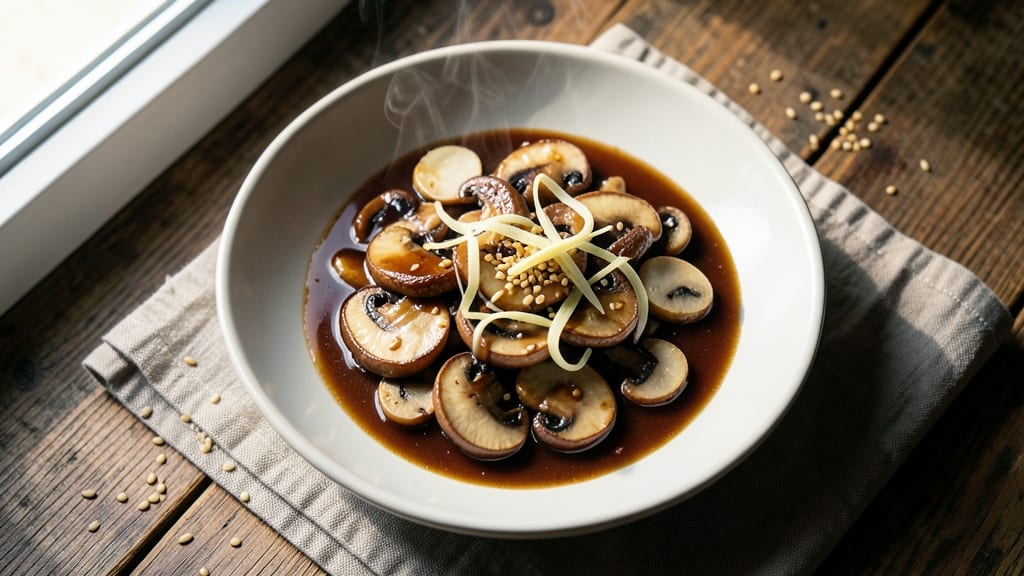
This mushroom oyster sauce recipe transforms ordinary dishes into umami-packed masterpieces—no gluten, no shortcuts, just pure depth in 20 minutes. The secret lies in mushrooms' natural meatiness, which replaces traditional oyster sauce while delivering that signature rich, savory complexity.
I developed this after years of testing gluten-free alternatives, and it finally delivers the restaurant-quality results I crave without compromise.
The process is simpler than you'd think: mushrooms, soy sauce, and a touch of sugar simmer together until thick and glossy, creating a sauce that clings to proteins and vegetables like a velvety embrace.
No fancy techniques here—just a stovetop, a few pantry staples, and the patience to let flavors meld. The result? A sauce that's gluten-free but still bold enough to stand up to searing meats or stir-fried vegetables.
What makes this sauce truly special is its versatility—drizzle it over grilled chicken, toss it with noodles, or use it as a glaze for roasted vegetables. The mushrooms add earthy depth while keeping the sauce light enough to balance rich dishes.
And because it's made fresh, every spoonful tastes better than store-bought versions, which often rely on artificial flavors to mimic the real thing.
Once you try this sauce, you'll never go back to the jarred kind. The best part? It keeps beautifully in the fridge for up to two weeks, so you can make a big batch and enjoy it all week long. Let's get started—your taste buds will thank you.
Ingredients for mushroom oyster sauce
Pantry staples meet umami magic—just 9 ingredients for restaurant-quality sauce.
| Ingredient | Amount | Notes |
|---|---|---|
| Dried Shiitake Mushrooms 🍄 | ½ cup | Rehydrated in hot water |
| Fresh Shiitake Mushrooms 🍄 | 1 cup | Sliced, stems removed |
| Tamari Gluten-Free Soy Sauce 🥢 | ½ cup | High-quality tamari preferred |
| Granulated Sugar 🍚 | 2 tbsp | Light brown sugar works too |
| Garlic Cloves 🧄 | 3 cloves | Minced for depth of flavor |
| Fresh Ginger 🌿 | 1 tbsp | Grated, fresh preferred |
| Cornstarch 🌾 | 1 tbsp | For thickening sauce |
| Water 💧 | 1 cup | Filtered or spring water |
| Sesame Oil 🫒 | 1 tsp | Toasted sesame oil for aroma |
Shiitake mushrooms are the star here. Dried shiitake adds deep umami, so don't skimp—rehydrate them in hot water for 20 minutes first. Fresh shiitake brings texture, but if you're on a budget, dried only works too. I grab mine from Asian markets where they're often sold in bulk, but the regular grocery store dried mushrooms work fine. The tamari is non-negotiable for gluten-free—San-J Tamari is my go-to, but any certified gluten-free soy sauce will do. Look for tamari labeled 'gluten-free' to avoid hidden wheat.
No fresh ginger? Dried ginger at half the amount works in a pinch, but fresh is ideal. Short on shiitake? Cremini mushrooms add earthiness, though not the same depth. The cornstarch is key for thickening—don't substitute flour (gluten-free or not). For extra richness, add a splash of vegetable broth instead of water. And if you're feeling fancy, toast the garlic and ginger in sesame oil for 30 seconds before adding to the sauce—worth the extra minute for that nutty aroma.
This sauce thickens as it cools, so don't stress if it looks too thin right after cooking. Store in an airtight jar in the fridge for up to 2 weeks. Freezes beautifully for 6 months—just thaw in the fridge overnight. I make double batches because it disappears fast. The first time I made this, I used it on everything—grilled chicken, stir-fried tofu, even drizzled over popcorn for a savory snack. Trust me, you'll want to do the same.
Why You'll Love This Recipe
- No-Soaking Needed: Soak the dried shiitake? Nah. Just toss them in hot water for 10 minutes—they plump up like magic while you chop garlic. That’s 20 minutes saved, and honestly, the texture’s richer when you skip the overnight soak.
- Umami Bomb: That combo of dried shiitake powder and tamari? It’s like a flavor grenade. Sweet, salty, and funky all at once, with garlic searing into the sauce for a deep, toasty kick. One taste, and you’ll understand why I keep a jar in the fridge.
- Pantry-to-Table Magic: Use it on noodles, drizzle it over grilled chicken, or toss it with tofu—this sauce turns boring meals into something. Even my picky teen asks for it now, and that’s saying something.
- Budget Stretch: A bag of dried shiitake lasts months, and tamari’s cheaper than most soy sauces. Make a big batch, freeze half, and you’ve got a $5 flavor booster for the next month. My wallet and taste buds thank me every time.
Step-by-step instructions for mushroom oyster sauce
Here's how to craft a rich, umami-packed sauce that rivals traditional versions—without the gluten.
Rehydrate and Slice the Mushrooms
Begin by placing the 0.5 cup dried shiitake mushrooms in a small bowl and covering them with 1 cup hot water. Let them soak for 10 minutes until they've absorbed the water and expanded to about 1 cup in volume. While they soak, slice the 1 cup fresh shiitake mushrooms into thin strips, removing the stems as you go. The fresh mushrooms will add a meaty texture that complements the dried ones beautifully.
Drain the rehydrated dried mushrooms, reserving the soaking liquid. This liquid is packed with flavor—don't discard it! Add the drained mushrooms to the sliced fresh mushrooms in a mixing bowl. The combination of dried and fresh shiitakes creates a deep, complex umami profile that forms the sauce's foundation. This step is where the magic starts—don't skip it.
Sauté Aromatics Until Fragrant
Heat a small saucepan over medium heat and add the 1 tsp sesame oil. Once the oil is shimmering, add the 3 cloves minced garlic and 1 tbsp grated fresh ginger. Sauté for 1-2 minutes until the garlic becomes golden and fragrant—this prevents it from burning while extracting its full flavor. The ginger should soften slightly but not brown.
Here's where it gets good: Add the reserved mushroom soaking liquid and the 0.5 cup tamari gluten-free soy sauce to the pan. Bring the mixture to a gentle simmer, then reduce heat to low. Let it cook for 5 minutes, stirring occasionally, until the liquid reduces by about half. You'll notice the aroma intensify—this is the umami building up. The sauce should start to thicken slightly, but don't rush this step. Patience here ensures deep flavor development.
Build the Sauce Base
Add the sliced mushrooms to the pan and stir to combine with the simmering liquid. Cook for 5-7 minutes until the mushrooms soften and release their juices into the sauce. The mushrooms should be tender but still hold their shape. If the sauce starts to dry out before the mushrooms are cooked, add 2-3 tablespoons of water to maintain moisture.
Stir in the 2 tbsp granulated sugar and let the mixture simmer for another 3 minutes. The sugar will help balance the savory flavors while adding a subtle sweetness. Taste the sauce at this point—you should notice a rich, earthy depth developing. If it's too thin for your preference, reduce heat to low and continue simmering until it thickens to your desired consistency.
Thicken and Finish the Sauce
In a small bowl, whisk together the 1 tbsp cornstarch with 1 tablespoon of cold water to create a smooth slurry. Slowly pour this mixture into the saucepan while stirring constantly. The cornstarch will begin to thicken the sauce almost immediately. Keep stirring for 1-2 minutes until the sauce reaches a glossy, syrupy consistency—it should coat the back of a spoon.
Remove the pan from heat and let the sauce sit for 2 minutes to settle. Taste and adjust seasoning if needed—add a pinch more tamari for saltiness or a touch more sugar for balance. The sauce should be rich, glossy, and deeply umami with a perfect balance of sweet and savory. For an extra touch, drizzle in ½ teaspoon of toasted sesame oil just before serving to enhance the aroma.
Pro Tips For Making Mushroom Oyster Sauce
- STEAM DRY SHIITAKES FIRST: Dried shiitake mushrooms absorb liquid like sponges—soak them in hot water (not boiling) for 20 minutes, then drain and pat thoroughly with paper towels. This keeps your sauce from turning into a thin, watery mess later.
- CHOP GARLIC LAST MINUTE: Slice your garlic cloves right before adding them to the pan. Freshly cut garlic releases more aroma and flavor—no need to overcook it, just toss it in at the very end when the sauce is simmering.
- DON’T SKIP THE SUGAR TOAST: Let that granulated sugar caramelize for 30 seconds before adding any liquids. It deepens the sauce’s umami and balances the soy—skip this, and you’ll end up with something that tastes more like a glaze than a rich, layered sauce.
- USE THE SOAK LIQUID: That murky water from your dried shiitakes? Save it. Strain it, reduce it by half, and add it back to your sauce at the end. It’s packed with flavor, and wasting it means missing out on the full depth of the dish.
Regional styles of this mushroom oyster sauce
Japanese Umami Style
In Japan, this sauce takes on a lighter, more delicate profile. Use 1 tbsp mirin instead of sugar and reduce the tamari to ¼ cup. Add ½ tsp grated daikon radish> for subtle sweetness and a touch of dashi stock> (instead of water) to deepen the umami.
Simmer for 10 minutes> on low heat to let the flavors meld gently. This version pairs beautifully with teriyaki-glazed salmon> or steamed rice bowls. 🍣
Thai-Inspired Spicy Twist
For a Thai-inspired kick, add 1 tbsp red curry paste> and ½ tsp fish sauce> (use soy sauce> for vegan). Stir in 1 tsp palm sugar> and ½ cup coconut milk> at the end for richness.
Garnish with Thai basil> and a squeeze of lime before serving. This version works perfectly with grilled tofu> or pad Thai noodles. 🌶️
Korean Fermented Depth
Korean cooks often use fermented ingredients for complexity. Replace tamari with ½ cup doenjang> (fermented soybean paste) and add 1 tbsp gochujang> for heat. Simmer for 15 minutes> to let the flavors develop.
Finish with 1 tsp toasted sesame seeds> and a drizzle of sesame oil>. This sauce elevates bulgogi beef> or kimchi pancakes. 🥢
Italian Mushroom Ragù
For an Italian twist, swap tamari for ½ cup dry white wine> and add 1 tsp dried oregano> and ½ tsp red pepper flakes>. Use 1 cup cremini mushrooms> instead of shiitake for a meatier texture.
Simmer with 1 crushed garlic clove> and ½ cup crushed tomatoes> for 20 minutes>. Perfect over fresh pasta> or polenta. 🍝
American BBQ Glaze
Turn this sauce into a smoky glaze by adding ¼ cup BBQ sauce> (like Sweet Baby Ray's>) and 1 tsp smoked paprika> at the end.
Reduce the sugar to 1 tbsp> and simmer for 10 minutes> to thicken. Brush over grilled ribs> or chicken wings for a sticky, umami-rich finish. 🔥
Vegan Adaptation
Keep it fully plant-based by using coconut aminos> instead of tamari and adding 1 tbsp nutritional yeast> for depth. Replace sesame oil with avocado oil> and finish with 1 tsp maple syrup> for balance. This version works wonderfully with tofu stir-fries> or roasted vegetables. 🌱
Nutrition facts
Frequently asked questions
Can I use regular soy sauce instead of tamari?
While you can substitute regular soy sauce, it won't be gluten-free. The recipe uses tamari for its cleaner flavor and gluten-free certification. If you're not avoiding gluten, regular soy sauce works fine—just reduce the amount slightly (¼ cup less) since it's saltier. For the best results, stick with tamari if you're making this for gluten-sensitive friends or family.
What if my sauce turns out too thin?
Don't worry—this happens to everyone! If your sauce is too thin, simply return it to low heat and simmer uncovered for 5-10 minutes, stirring often, to let the moisture evaporate. For a quicker fix, whisk in ½ tsp more cornstarch mixed with 1 tsp water and simmer for 1-2 minutes until thickened. The sauce will naturally thicken more as it cools, so don't stress if it looks runny right after cooking.
How can I make this sauce spicier?
Add heat by stirring in ½ tsp red pepper flakes or 1 tsp sriracha during the final 3 minutes of simmering. For a smoky kick, add ½ tsp smoked paprika with the cornstarch slurry. If you love bold flavors, try 1 tsp gochujang (Korean chili paste) for depth and spice. Always taste as you go—you can adjust heat to your preference!
Can I make this sauce ahead of time?
This sauce actually tastes better after resting. Make it up to 2 days in advance and store in an airtight jar in the fridge. The flavors deepen over time, and the texture becomes even more velvety. For longer storage, freeze in ice cube trays—thaw overnight in the fridge and use as needed. The sauce keeps its quality for 6 months frozen, making it perfect for meal prep.
What's the best way to use leftover mushrooms?
Don't waste those mushroom scraps! Save them for homemade mushroom broth by simmering with vegetable or chicken stock for 20 minutes. Or chop them finely and mix into scrambled eggs for extra umami. For a quick snack, sauté with a little oil and garlic until crispy—great as a topping for salads or soups. Every part of the mushroom adds flavor, so get creative!