
Sauces & Condiments
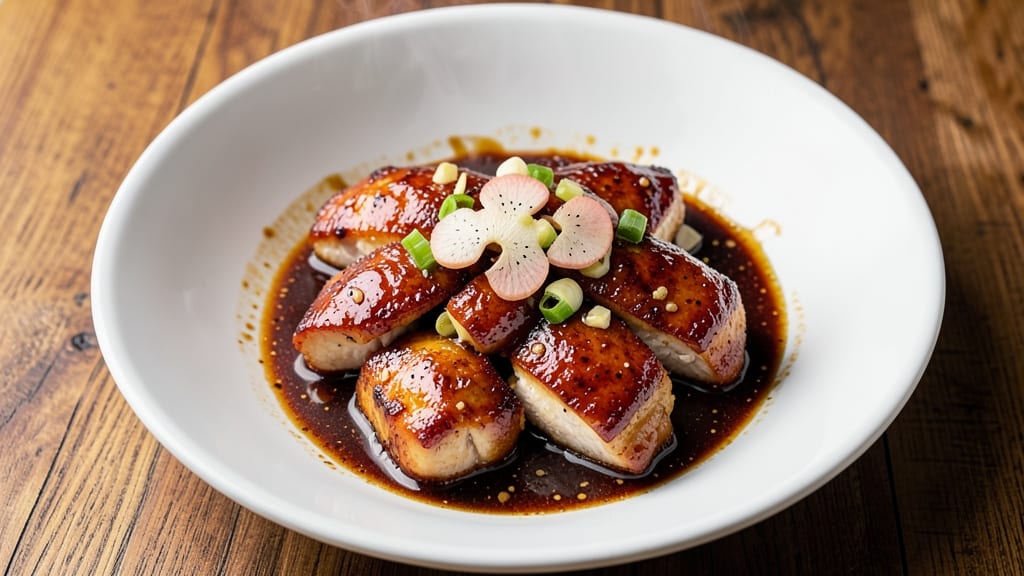
This Asian soy sauce chicken recipe delivers the perfect balance of glossy caramelized crust and juicy bites—a dish that transforms simple ingredients into something restaurant-worthy.
The secret lies in marinating the chicken in a blend of soy sauce, honey, and aromatic spices, then searing it to create that coveted caramelized exterior while keeping the meat tender inside. I developed this recipe after years of experimenting with stir-fry techniques, and it never fails to impress.
The beauty of this dish is its versatility—whether you're cooking for a weeknight dinner or a special occasion, the flavors come together effortlessly. The soy sauce provides the salty umami foundation, while honey and garlic add depth and sweetness.
You'll work with just a few key ingredients, but the result is a dish that feels indulgent and full of character. The chicken develops a sticky, caramelized glaze that clings perfectly, making every bite irresistible.
What makes this recipe stand out is the harmony of textures and flavors—crispy edges that give way to succulent meat, all balanced by a sauce that's tangy, slightly sweet, and rich with umami.
The dish pairs beautifully with steamed jasmine rice or a simple stir-fry of vegetables, creating a complete meal that's both satisfying and elegant. It's the kind of recipe that feels like a hug in food form.
Ready in under 30 minutes, this dish is perfect for anyone looking to elevate their weeknight cooking without spending hours in the kitchen. The method is straightforward, but the results are anything but basic. Let's get started—your taste buds will thank you.
Ingredients for asian soy sauce chicken
Just 13 simple ingredients create restaurant-quality Asian soy sauce chicken with irresistible caramelized crust.
| Ingredient | Amount | Notes |
|---|---|---|
| Boneless, Skinless Chicken Thighs 🍗 | 1 ½ lb | Cut into 1-inch pieces |
| Soy Sauce 🍶 | ½ cup | High-quality, preferably Japanese |
| Honey 🍯 | ¼ cup | Pure, for natural sweetness |
| Garlic Cloves 🧄 | 6 cloves | Minced, for aromatic depth |
| Fresh Ginger 🌿 | 1 tbsp | Finely grated, for zesty kick |
| Sesame Oil 🫒 | 1 tbsp | Toasted, for nutty aroma |
| Rice Vinegar 🍶 | 1 tbsp | For tangy balance |
| Vegetable Oil 🫒 | 2 tbsp | High smoke point for searing |
| Brown Sugar 🍚 | 1 tbsp | Enhances caramelization |
| Ground Black Pepper 🌶️ | ½ tsp | Freshly ground for flavor |
| Salt 🧂 | 1 tsp | Kosher or sea salt |
| Green Onions 🧅 | 3 whole | Sliced, for garnish |
| Toasted Sesame Seeds 🌾 | 1 tbsp | For garnish and crunch |
The chicken thighs are the star—boneless, skinless cuts stay juicy while developing that coveted caramelized crust. Look for high-quality soy sauce at Asian markets or specialty stores like H Mart, as it has deeper umami flavor than regular grocery store brands. Fresh ginger and garlic are non-negotiable for authentic flavor; pre-minced jarred ginger just won’t cut it here. I always buy extra ginger root because it keeps for weeks in the freezer. For the sesame oil, Kadoya brand is my go-to—it’s worth the investment for that authentic toasted aroma.
No Japanese soy sauce? Kikkoman or La Choy work in a pinch, though they’re less complex. Substitute honey with maple syrup if needed, but the texture might be slightly different. Fresh garlic and ginger can be swapped for 2 tsp garlic powder and 1 tsp ground ginger, though fresh is always better. The brown sugar is key for that caramelized crust—don’t skip it. If you’re short on time, pre-minced garlic and ginger from the jar will work, but fresh is ideal. The sesame seeds can be omitted if you’re avoiding nuts, but they add a nice crunch on top.
This dish reheats beautifully—store leftovers in an airtight container for up to 4 days. The flavors actually deepen overnight, so it’s perfect for meal prep. For best results, reheat in a skillet over medium heat to revive that caramelized crust. Freeze portions for up to 3 months by wrapping tightly in foil. Garnish with fresh green onions and sesame seeds right before serving—that’s when it looks most impressive. Pair with steamed jasmine rice for a complete meal.
Why You'll Love This Recipe
- One-Pan Magic: I swear by this recipe when I’m too tired to scrub pots—just toss the chicken thighs, minced garlic, and ginger into a pan, let it sear, then pour in the soy-honey glaze. The sauce thickens right there, coating everything without a single extra dish.
- Sweet-Savory Balance: That honey cutting through the soy sauce? It’s the kind of harmony that makes you pause mid-bite. The ginger adds a little zing, and the garlic? Oh, it’s the star—deep, aromatic, and impossible to resist.
- Lunchbox Hero: Between us, this is my go-to for meal prep. Shred the leftovers, pack them in containers, and they taste just as good cold the next day. Honestly, my kids would eat it straight from the fridge if I let them.
- Budget Win: Chicken thighs are forgiving and cheap, and this recipe stretches easily—double the batch, freeze half, and you’ve got a weeknight savior. Plus, the pantry staples (soy, honey) mean no last-minute grocery runs.
Step-by-step instructions for Asian soy sauce chicken
Here's how to achieve that perfect balance of sweet, savory, and umami with tender chicken every time.
Prepare the Chicken for Maximum Flavor
Cut the 1.5 lb boneless, skinless chicken thighs into 1-inch pieces—this ensures even cooking and better sauce absorption. In a large bowl, combine the chicken with 0.5 cup soy sauce, 1 tbsp rice vinegar, and 1 tbsp brown sugar. Mix gently to coat evenly, then let it marinate for at least 30 minutes at room temperature. This step infuses the chicken with deep flavor and helps tenderize the meat.
While the chicken marinates, mince the 6 cloves garlic cloves and finely grate the 1 tbsp fresh ginger. These aromatics will form the flavor base of your sauce, so take your time to get them finely chopped. I like to use the side of my knife for the ginger to create a smooth paste—this ensures even distribution when we cook it.
Build the Glossy Sauce Base
Heat 2 tbsp vegetable oil in a large skillet over medium-high heat until shimmering. Add the minced garlic and ginger, stirring constantly for 30 seconds until fragrant but not browned—this prevents bitterness. Immediately add the marinated chicken in a single layer, spreading it out to avoid crowding.
Cook undisturbed for 4-5 minutes until the chicken develops a golden-brown crust on one side. This crust is crucial for that caramelized texture we're after. Flip the chicken pieces and cook another 4-5 minutes until they're evenly browned. Remove the chicken to a plate and set aside, leaving the flavorful browned bits in the pan.
Create the Signature Glossy Sauce
Return the skillet to medium heat and add 0.25 cup honey and 1 tbsp toasted sesame oil. Stir to combine, then pour in 0.5 cup soy sauce from the marinade (reserve the chicken for now). Scrape up all those delicious browned bits from the bottom of the pan—they're packed with flavor.
Bring the mixture to a gentle simmer and cook for 3-4 minutes until it thickens slightly and becomes glossy. The sauce should coat the back of a spoon but still be pourable. If it thickens too quickly, add 1-2 tablespoons of water to maintain the right consistency. Season with 1 tsp salt and 0.5 tsp ground black pepper to taste.
Finish and Garnish for Presentation
Return the chicken to the skillet and toss gently to coat in the sauce. Cook for an additional 2-3 minutes until the chicken reaches 165°F internally and the sauce clings beautifully to each piece. The chicken should be juicy with a glossy, caramelized crust—this is where all the magic comes together.
Transfer the chicken to serving plates and garnish with sliced green onions and 1 tbsp toasted sesame seeds. The contrast of fresh green onions against the rich, caramelized chicken makes this dish visually stunning. Serve immediately while the sauce is still glossy and the chicken is piping hot.
Pro Tips For Making Asian Soy Sauce Chicken
- Sear First, Simmer Second: After burning my first batch by tossing raw chicken straight into sauce, I learned to sear the thighs in a hot pan for 3-4 minutes per side until golden. This locks in flavor and prevents the soy-honey mix from turning into a bland glaze—trust me, the difference is night and day.
- Grate That Ginger: I used to slice ginger like an amateur, but grated or finely minced ginger dissolves into the sauce evenly, giving you that deep, aromatic punch without chunks. Skip the peeler—just zest it straight into the pan with the garlic.
- Balance the Sweet-Salty Ratio: Too much honey makes this dish cloying. For every ¼ cup of honey, use 3 tablespoons of soy sauce—adjust based on your preference. Taste the sauce before adding chicken; if it’s all sweet, add a splash more soy.
- Deglaze Aggressively: After searing, don’t just dump sauce in—scrape up those browned bits with a wooden spoon or splash of water first. Those bits hold the flavor, and skipping this step means a duller sauce. I know it’s extra work, but it’s worth it.
Perfect pairings for this asian soy sauce chicken
Rice Pairings
Steamed jasmine rice is my go-to pairing—its delicate floral aroma complements the dish without overpowering it. Cook 1 cup jasmine rice with 1.5 cups water for a fluffy base. For extra richness, try forbidden black rice, which adds a subtle earthy depth.
I often make a big batch and refrigerate leftovers for quick meals later in the week. 🍚
Vegetable Sides
Quick-pickled cucumber slices add a refreshing crunch to cut through the richness. Toss 1 cup thin cucumber slices with 2 tbsp rice vinegar, 1 tsp sugar, and a pinch of salt.
For a heartier option, stir-fry baby bok choy with 1 tsp sesame oil and a splash of soy sauce. Both sides balance the dish beautifully. 🥒
Drink Pairings
A crisp green tea like Sencha or Jasmine Pearl tea cleanses the palate between bites. For beer lovers, a light Japanese lager such as Asahi Super Dry enhances the dish's umami notes. Avoid heavy beers—they can overpower the delicate flavors. 🍶
Garnish Upgrades
For an extra touch, drizzle with chili crisp> (like Lao Gan Ma) for heat lovers. Fresh cilantro leaves add brightness. I also like to sprinkle crushed peanuts for texture—just 1 tbsp adds crunch without overwhelming. 🌶️
Meal Prep Add-Ons
Prep steamed edamame or miso soup ahead of time for a complete meal. Store components separately in airtight containers—reheat chicken and sides separately to maintain texture. The sauce reheats best in a skillet over medium heat with a splash of water. 💡
Nutrition facts
Frequently asked questions
Can I use chicken breast instead of thighs?
Yes, but thighs are ideal for this recipe! Chicken breast will cook faster and may dry out if overcooked. If using breast, cut into ½-inch thick pieces and reduce cooking time by 1-2 minutes per side to maintain juiciness. Keep an eye on internal temperature—it should reach 165°F but not exceed it.
What's the best way to store leftovers?
Store in an airtight container for up to 4 days in the fridge. For longer storage, freeze portions for 3 months by wrapping tightly in foil. Reheat in a skillet over medium heat with a splash of water to revive the caramelized crust. Never microwave—it ruins the texture!
Can I make this recipe without honey?
Substitute honey with maple syrup or agave nectar for similar sweetness. For a deeper caramelization, use brown sugar> instead of white. The sauce will still develop a glossy finish, though the flavor profile will be slightly different.
Why did my chicken turn out dry?
Overcooking is the most common cause. Chicken should reach 165°F but not spend too long in the pan. Use a meat thermometer for accuracy. Also, avoid crowding the pan—cook in batches if needed. For extra moisture, add 1 tbsp water to the sauce during reheating.
How can I make this spicier?
Add ½ tsp red pepper flakes or 1 tsp gochujang> (Korean chili paste) to the sauce. For heat lovers, finish with a drizzle of chili crisp> or Sriracha before serving. Start with small amounts—you can always add more!