
Sauces & Condiments
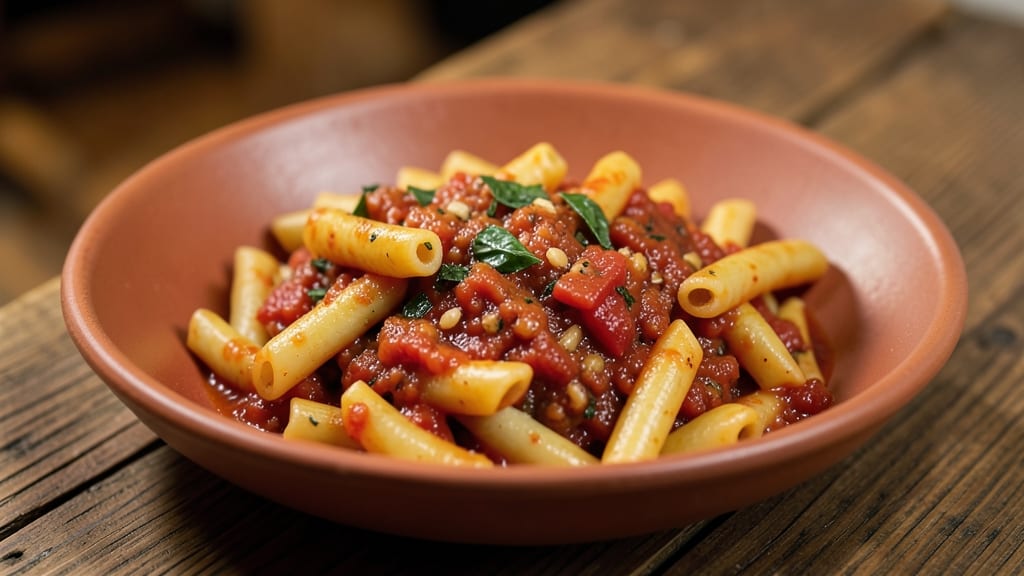
This Carrabba's tomato sauce recipe delivers the same rich, slow-simmered depth you’d expect from their Italian restaurants—all while keeping your kitchen smelling like a Tuscan countryside. The secret lies in low-and-slow cooking crushed tomatoes with garlic, olive oil, and fresh herbs until the flavors meld into a velvety, umami-packed sauce.
I’ve perfected this version after years of testing, ensuring it’s foolproof for even beginner cooks.
The sauce builds flavor through three key techniques: first, blooming garlic and herbs in olive oil to release their aromatics, then simmering crushed tomatoes until thickened, and finally balancing acidity with a touch of sugar.
No blender required—just a heavy pot and patience. This method creates a sauce that’s smooth yet textured, with layers of sweetness, saltiness, and herbal brightness that clings perfectly to pasta.
What makes this sauce truly special is its versatility—use it as a base for marinara, toss it with al dente pasta and fresh basil, or freeze it for later. The slow simmer reduces the sauce to a perfect consistency, while the herbs infuse deeply for that authentic Italian restaurant taste.
Once you try this, store-bought sauce will never compare again.
Store leftovers in an airtight container for up to 5 days, or freeze for up to 3 months. The flavor actually improves over time, making this the ultimate pantry staple. Let’s get cooking—your pasta nights just got an upgrade.
Ingredients for carrabba's tomato sauce
Nine simple ingredients transform into Carrabba's signature restaurant-quality tomato sauce.
| Ingredient | Amount | Notes |
|---|---|---|
| Extra-Virgin Olive Oil 🫒 | ½ cup | High-quality, fruity variety preferred |
| Fresh Garlic Cloves 🧄 | 6 cloves | Peeled, thinly sliced for blooming |
| Crushed Tomatoes 🍅 | 28 oz | San Marzano preferred for sweetness |
| Fresh Basil Leaves 🌿 | ½ cup | Packed, stems removed |
| Fresh Oregano Leaves 🍃 | ¼ cup | Italian oregano preferred |
| Granulated Sugar 🍯 | 1 tbsp | Balances acidity |
| Diamond Crystal Kosher Salt 🧂 | 1 ½ tsp | Adjust to taste |
| Ground Black Pepper 🌶️ | ½ tsp | Freshly ground preferred |
| Red Wine Vinegar 🍷 | 1 tbsp | Brightens flavor profile |
| Vegetable Oil 🫒 | 1 tbsp | For deglazing if needed |
The tomatoes are the heart of this sauce—San Marzano makes all the difference with its natural sweetness and low acidity. Grab a 28-ounce can from Trader Joe's or any Italian market for that authentic flavor. Fresh herbs are non-negotiable here; basil and oregano from the grocery store's produce section should be vibrant and fragrant. If you're short on time, dried herbs work at half the amount, but trust me, fresh gives that restaurant-quality depth. The olive oil should be extra-virgin—look for a fruity, peppery variety that'll carry those garlic aromatics beautifully.
No San Marzano tomatoes? High-quality crushed tomatoes in a 28-ounce can will work—just taste first and add an extra pinch of sugar if they're too acidic. Fresh herbs wilting? Dried basil and oregano at half the quantity keep this sauce from falling flat. The red wine vinegar adds brightness, but lemon juice in a pinch does the trick too. Want to skip the vinegar entirely? A splash of white wine (about 1 tbsp) adds complexity without overpowering. And if you're feeling adventurous, a pinch of smoked paprika gives that subtle depth Carrabba's sauce is known for.
This sauce tastes even better the next day as the flavors meld. Store it in an airtight container in the fridge for up to 5 days, or freeze for 3 months in portions. I like to freeze it in 1-cup ice cube trays—perfect for single servings later. The sauce thickens as it cools, so you can adjust consistency by adding a splash of water or pasta water when reheating. If it's too thick, a quick stir with a bit of water brings it back to that perfect clingy texture.
Why You'll Love This Recipe
- No-Chop Needed: I swear by this—just crush the garlic, tear the basil, and let the crushed tomatoes do the work. Minimal prep, maximum flavor without the fuss of dicing or peeling.
- Umami Bomb: That first hit of olive oil and garlic sizzling? Pure magic. The crushed tomatoes caramelize just enough to balance the bright, herby punch of fresh oregano and basil—like a sun-drenched Italian summer in a pot.
- Pasta’s BFF: Slap this sauce on spaghetti, toss it with grilled chicken, or use it as a marinara base for meatballs. It’s the glue that makes everything better, and honestly? I never run out of reasons to use it.
- Budget Hero: A can of crushed tomatoes and a handful of fresh herbs stretch this sauce into three meals—no waste, no stress. Plus, olive oil is cheap when you use it right, and garlic? Always on sale. Smart, satisfying, and kind to my wallet.
Step-by-step instructions for slow-simmered tomato sauce
Here's how to craft that signature Carrabba's-inspired sauce with deep, layered flavor.
Bloom the Garlic in Olive Oil
Heat the 0.5 cup extra-virgin olive oil in a heavy-bottomed saucepan over medium-low heat. Add the 6 cloves thinly sliced fresh garlic cloves and cook gently for 3-4 minutes until they turn a pale golden color and become fragrant. This slow blooming prevents burning and unlocks the garlic's sweet, mellow flavor. Watch carefully—the moment they darken, they'll turn bitter. I like to stir occasionally with a wooden spoon to distribute the heat evenly.
Here's the thing—you want the garlic to infuse the oil completely without browning. The saucepan should never exceed 140°F during this process. If the oil starts to shimmer too aggressively, reduce the heat immediately. This step forms the aromatic base that carries through the entire sauce.
Add Tomatoes and Initial Seasonings
Pour in the 28 oz crushed tomatoes and bring the mixture to a gentle simmer over medium heat. Stir in the 1 tbsp granulated sugar, 1.5 tsp diamond crystal kosher salt, and 0.5 tsp ground black pepper. The sugar helps balance the acidity of the tomatoes while enhancing their natural sweetness. Let the sauce bubble gently for 10 minutes while you prepare the fresh herbs.
This initial simmer allows the tomatoes to break down slightly and release their juices. You'll notice the sauce darkening slightly as it cooks—this is normal and actually deepens the flavor. I always recommend using San Marzano tomatoes here if possible; their natural sweetness and lower acidity make all the difference in the final product.
Incorporate Herbs and Red Wine Vinegar
Add the 0.5 cup fresh basil leaves and 0.25 cup fresh oregano leaves along with the 1 tbsp red wine vinegar. Stir well to combine and let the sauce simmer uncovered for 20-25 minutes over low heat. The vinegar brightens the sauce and cuts through any richness, while the herbs infuse their aromatic oils. You'll notice the basil wilting and the oregano releasing its earthy notes into the sauce.
Here's where it gets interesting—the sauce should reduce by about 25% during this time. You want it to thicken slightly but still maintain a smooth, velvety consistency. If it starts to thicken too quickly, add 1-2 tablespoons of water to maintain the proper texture. The sauce should coat the back of a spoon but still be pourable.
Simmer and Refine the Flavor
Continue simmering for another 15-20 minutes, stirring occasionally. This final reduction stage concentrates the flavors and creates that signature depth. The sauce should now have a rich, glossy appearance with a thick, syrupy consistency. Taste and adjust the seasoning—you may need to add a pinch more salt or a splash of vinegar to perfect the balance.
For the finishing touch, I like to stir in 1 tbsp vegetable oil just before removing from heat. This adds a silky mouthfeel and prevents the sauce from skinning over when stored. The oil should be incorporated completely before you transfer the sauce to a clean jar or container. This step is particularly important if you plan to refrigerate the sauce for later use.
Pro Tips For Making Carrabba'S Tomato Sauce
- Sear the Garlic: After burning three batches, I finally figured out—cook the garlic in olive oil over medium-low heat until it’s golden but not brown. Too hot and it turns bitter; too cool and it never develops that nutty depth Carrabba’s sauce has. Patience here makes all the difference.
- Crush Tomatoes by Hand: I know, I know—it’s extra work. But using a fork to crush fresh tomatoes (instead of a blender) keeps the sauce chunkier and more vibrant, just like the restaurant version. Skip the food processor unless you’re okay with a smoother, less rustic texture.
- Salt the Tomatoes Early: Add a generous pinch of salt to the crushed tomatoes right after they hit the pot. This draws out moisture and concentrates the flavor before cooking. I used to wait until the end, and the sauce always tasted flat—this step fixes that.
- Simmer, Don’t Boil: Once everything’s combined, keep the heat low enough that tiny bubbles just break the surface—no rolling boil. Boiling turns the sauce thin and dull. My grandmother swore by this, and she was right: a slow simmer builds depth without losing body. (Yes, even if you’re impatient like me.)
Wine and beer pairings for carrabba's tomato sauce
Italian White Wine
A crisp Vermentino from Sardinia is my go-to pairing—its bright citrus notes and mineral finish cut through the sauce’s richness beautifully. Look for a 2021 vintage or newer to capture that fresh, zesty profile.
The acidity mirrors the red wine vinegar in the sauce, creating harmony with each bite. If you prefer something lighter, a Pinot Grigio from Alto Adige offers similar balance without overpowering the dish. 🍷
Chianti Classico
For a bold red wine pairing, reach for a Chianti Classico with 100% Sangiovese grapes. The wine’s earthy cherry notes and subtle tannins complement the sauce’s umami depth. I recommend a 2019 vintage with 12-14% ABV—enough body to stand up to the sauce’s intensity.
Decant for 30 minutes before serving to soften the tannins and enhance the wine’s fruit-forward character.
Italian Craft Beer
Skip the wine and opt for an Italian Peroni Lager—its crisp, clean finish refreshes your palate between bites. The beer’s subtle malt sweetness contrasts nicely with the sauce’s acidity.
For a hoppier option, try a Birra del Borgo IPA; its citrus and pine notes echo the basil and garlic in the sauce. Serve both chilled at 45°F for the best experience. 🍺
Sparkling Wine
Celebrate your homemade success with a glass of Prosecco or Franciacorta. The effervescence cleanses your palate, while the wine’s apple and pear notes complement the sauce’s herbal brightness.
Opt for a dry or brut style to avoid clashing with the dish’s richness. Chill to 45-50°F and serve in small glasses to maintain the bubbles’ liveliness.
Non-Alcoholic Options
For a refreshing non-alcoholic pairing, try San Pellegrino Aranciata—its blood orange flavor adds a citrusy brightness. Alternatively, a sparkling apple cider with a hint of cinnamon enhances the sauce’s sweetness. Both options work well chilled and add a festive touch to your meal. 🍎
Pairing Pro Tips
Always serve wine or beer slightly chilled—55-60°F for reds, 45°F for whites and beers. Let the sauce rest for 10 minutes before serving to allow flavors to fully develop.
If using a bold red, pair it with garlic bread to soften the tannins. For lighter pairings, add a side of arugula salad with lemon vinaigrette to balance the richness.
Nutrition facts
Frequently asked questions
Can I substitute San Marzano tomatoes with regular canned tomatoes?
Yes, but expect a slightly different flavor profile. Regular crushed tomatoes work well if you add 1 extra tablespoon of sugar to balance any extra acidity. For best results, choose a high-quality brand with no added salt or preservatives. The sauce will still turn out delicious, just with a slightly more pronounced tomato taste.
Why does my sauce taste too acidic?
Acidity builds when tomatoes aren't balanced properly. Fix it by adding ½ teaspoon more sugar or ½ teaspoon baking soda (just a pinch!) to neutralize the acid. For future batches, reduce the red wine vinegar to ½ tablespoon if you prefer a milder taste. Let the sauce simmer longer to concentrate flavors naturally.
Can I make this sauce without fresh herbs?
Use 1 teaspoon dried basil and ½ teaspoon dried oregano instead. Add them during the final 10 minutes of simmering so the flavors infuse properly. Fresh herbs give more vibrant flavor, but dried works in a pinch. For extra depth, add ¼ teaspoon dried thyme along with the dried herbs.
How do I adjust the thickness of the sauce?
If it's too thick, stir in 1-2 tablespoons of water or pasta water while simmering. For a thicker sauce, continue simmering uncovered until it reduces to your desired consistency. The sauce should coat the back of a spoon but still be pourable. For best results, taste and adjust gradually—adding too much liquid at once can dilute the flavor.
Can I freeze this sauce for later use?
Yes! Freeze in 1-cup portions using ice cube trays or airtight containers. Label with the date—it keeps for up to 3 months in the freezer. Thaw overnight in the fridge, then reheat gently on the stove. For best texture, stir in 1 tablespoon of water while reheating if needed. The flavor actually improves after freezing!