
Sauces & Condiments
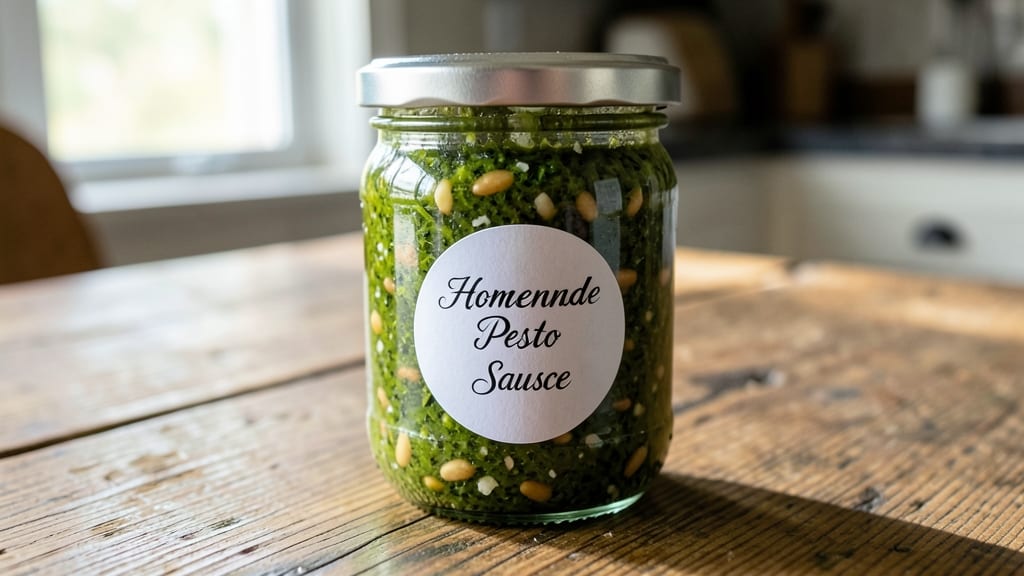
Canning pesto sauce transforms fresh basil into a year-round flavor powerhouse that lasts for months—the perfect way to preserve summer's brightest flavors.
This recipe delivers a rich, vibrant pesto with classic ingredients like basil, pine nuts, and Parmesan, but with a professional twist: sterilized jars and proper sealing ensure safety and shelf life.
I developed this method after struggling with pesto that turned bitter too quickly, and now I can enjoy restaurant-quality sauce anytime.
The secret to success lies in proper sterilization and acidification, which prevent spoilage while maintaining that fresh basil taste. You'll work with traditional ingredients—fresh basil, garlic, olive oil, and toasted pine nuts—but I've included optional substitutions like nutritional yeast for a vegan version.
The process takes just 30 minutes of active prep, plus cooling time, but yields jars that stay fresh for up to 12 months in a cool, dark place.
What you'll end up with is a smooth, vibrant pesto that coats pasta perfectly, enhances sandwiches, or elevates roasted vegetables. The sterilization process ensures no bacteria or mold can develop, while the acidity from lemon juice or vinegar preserves the bright green color and fresh flavor.
This isn't just pesto—it's a professional-grade condiment that rivals store-bought versions but tastes infinitely fresher.
Perfect for meal prep, gift-giving, or stocking your pantry for quick weeknight meals. Let's get started with the step-by-step canning process that guarantees safety, flavor, and long-term freshness.
Ingredients for canning pesto sauce
Fresh basil and toasted pine nuts form the heart of this canned pesto—simple ingredients that transform into a year-round pantry staple.
| Ingredient | Amount | Notes |
|---|---|---|
| Fresh Basil Leaves 🌿 | 3 cups | Packed, stems removed, vibrant green |
| Pine Nuts 🥜 | ¾ cup | Toasted until golden, skin removed |
| Garlic Cloves 🧄 | 4 cloves | Peeled, roughly chopped for even distribution |
| Extra-Virgin Olive Oil 🫒 | 1 cup | High-quality, fruity, cold-pressed |
| Parmesan Cheese 🧀 | 1 cup | Freshly grated, high-fat content |
| Lemon Juice 🍋 | 2 tbsp | Freshly squeezed, strained for clarity |
| Salt 🧂 | 1 tsp | Diamond Crystal kosher, fine grain |
| Black Pepper 🌶️ | ½ tsp | Freshly cracked, coarse grind |
| White Vinegar 💧 | 1 tbsp | Distilled, 5% acidity for preservation |
| Water 💧 | ½ cup | Filtered, for sterilization process |
| Ball Wide-Mouth Mason Jars 🥫 | 4 jars | Pint-sized, with new lids and rings |
The basil is non-negotiable here—farmers market varieties with deep green leaves pack the most flavor. Trader Joe's or local Italian markets often carry the best quality, but avoid wilted or yellowing leaves. Pine nuts can be pricey, so Costco or bulk bins at Whole Foods offer the best value. Toast them until golden (about 5 minutes in a dry pan) to bring out their nutty depth. For the Parmesan, Parmigiano-Reggiano is worth the splurge—pre-grated loses its texture and flavor during canning. The extra-virgin olive oil should have a peppery finish; California or Italian brands like Bertolli or Colavita excel here.
No pine nuts? Walnuts or cashews work in a pinch—just toast them first for that same nutty crunch. Short on basil? Stretch it with fresh parsley (use half parsley, half basil) or cilantro for a different twist. For a vegan version, swap the Parmesan for nutritional yeast (use the same amount) and add an extra tablespoon of lemon juice for acidity. The white vinegar and lemon juice combo is critical for preservation—don't skip either. If you're concerned about the vinegar taste, apple cider vinegar is a milder alternative. For sterilization, Ball jars are the gold standard, but any clean, heat-safe jars will work if you boil the lids separately.
This pesto stays vibrant for 12 months in a cool, dark pantry when properly sealed. Once opened, transfer to the fridge and use within 1 week. The sterilization process is key—boil jars and lids for 10 minutes before filling to ensure safety. Label your jars with the date; the bright green color will fade slightly over time, but the flavor remains fresh. For gift-giving, tie a ribbon around the lid and include a handwritten note about how to use it—perfect for pasta lovers or holiday hosts.
Why You'll Love This Recipe
- No-Fuss Blender Magic: I swear, the hardest part is picking the freshest basil—then it’s just pulse, pulse, pulse. No straining, no fuss, and the texture? Chef’s kiss smooth with those little pine nut crunches hiding in every bite.
- Garlic-Kissed Umami Bomb: That first hit of garlic and Parmesan in the blender? Pure flavor paydirt. The olive oil ties it all together—rich, bright, and addictive in the way only homemade pesto can be.
- Pantry Stash Hero: Freeze it in ice cube trays for easy portions, or let it sit in jars for weeks. Slap it on toast, pasta, or even grilled chicken—it’s my go-to when I’m too tired to think.
- Budget Brightener: Pine nuts are pricey? Swap in walnuts or skip them—this sauce still shines. A little goes a long way, and the Parmesan stretches the flavor without breaking the bank. Win-win.
Step-by-step instructions for canning basil pesto sauce
Here's how to preserve that vibrant basil flavor safely and beautifully in glass jars.
Prepare the Pesto Base with Precision
In a food processor, combine the 3 cups fresh basil leaves, 0.75 cup toasted pine nuts, and 4 cloves peeled garlic cloves. Pulse until the pine nuts are finely chopped but the basil remains slightly textured—this prevents a mushy final product. Here's the thing: you want to preserve the basil's bright green color and fresh flavor, so avoid over-processing.
With the food processor running, slowly drizzle in the 1 cup extra-virgin olive oil through the feed tube. This gradual addition creates an emulsified sauce rather than a separated mixture. Stop when the pesto looks like a thick, vibrant green paste that coats the back of a spoon. You'll notice the aroma intensify—this is your signal that the flavors are melding perfectly.
Add Cheese and Acid for Preservation
Transfer the pesto mixture to a large bowl and stir in the 1 cup freshly grated parmesan cheese using a silicone spatula. The cheese should melt into the mixture, creating a creamy texture. Add the 2 tablespoons lemon juice and 1 tablespoon white vinegar next—these acidic components are crucial for both flavor balance and safe canning. The lemon juice brightens the basil flavor while the vinegar helps prevent bacterial growth during storage.
Season generously with 1 teaspoon salt and 0.5 teaspoon freshly cracked black pepper. Taste the mixture and adjust the seasoning if needed—this is your chance to perfect the flavor before canning. The pesto should taste vibrant, herby, and slightly tangy. Real talk: don't skimp on the salt here, as it enhances all the flavors and helps preserve the product.
Sterilize Jars and Prepare for Filling
While the pesto cools slightly, prepare your canning equipment. Place the 4 pint-sized Ball wide-mouth mason jars and their lids in a large pot of water. Bring to a boil and maintain a gentle simmer for 10 minutes to sterilize everything. This step is non-negotiable—proper sterilization prevents spoilage and ensures your pesto stays fresh for months.
Fill each jar with the pesto mixture, leaving about 1-inch headspace at the top. Use a rubber spatula to scrape every last bit from the bowl into the jars. The headspace is critical—too little can cause jars to seal improperly, while too much leaves no room for the pesto to expand during processing. Tap the jars gently on the counter to remove any air bubbles that may have formed.
Process the Jars for Safe Preservation
Using tongs, carefully remove the sterilized lids from the boiling water and place one on each jar. Screw the bands down fingertip-tight—don't over-tighten, as this can prevent proper sealing. Place the filled jars into a canning pot or large pot with a rack at the bottom. Add enough hot water to cover the jars by at least 1 inch.
Bring the water to a gentle boil, then process the jars for 15 minutes. Here's where precision matters: start your timer as soon as the water reaches a full rolling boil. After 15 minutes, remove the jars using tongs and place them on a clean towel. Let them cool undisturbed for 12-24 hours—you'll hear the satisfying "ping" as the lids seal. If a jar doesn't seal properly, refrigerate and use it within a week.
Store and Enjoy Your Preserved Pesto
Once the jars have cooled completely and the lids are sealed (they won't budge when pressed), label them with the date. Store in a cool, dark place for up to 1 year. The pesto should maintain its vibrant green color and fresh basil flavor. When ready to use, simply open a jar and stir—no thawing or reheating required. This preserved pesto is perfect for pasta, sandwiches, or as a flavorful topping for soups and grilled meats.
Here's the moment that matters: when you open a jar months later and that familiar basil aroma fills your kitchen, you'll know all your efforts were worth it. The texture will be slightly thicker than fresh pesto, but the flavor remains remarkably bright and complex. Use it within a few weeks of opening for the best quality, as the texture will soften over time.
Pro Tips For Making Canning Pesto Sauce
- STORE BASIL RIGHT: If you’re buying basil just for pesto, grab a bunch with stems still attached—it’s easier to strip the leaves clean. Wrap the stems in a damp paper towel, plop them in a bag, and refrigerate upside down (yes, really). This keeps them fresh for 3-4 days, and you’ll avoid that sad, wilted pile that turns your pesto into a mushy mess.
- TOAST NUTS LOW: Pine nuts burn faster than you’d think. Spread them on a dry pan over medium-low heat and stir like you’re herding cats—constant movement. They’re done when they’re fragrant and just starting to turn golden, not brown. I learned this the hard way after one batch turned into charcoal.
- PULSE DON’T PUREE: Skip the blender’s "liquefy" button. Pulse basil, garlic, and nuts first, then drizzle in olive oil while the motor’s running. This keeps the texture vibrant, not gluey. If you force it into a smooth paste, you’ll lose that bright, fresh flavor that makes pesto sing.
- SALT THE CHEESE: Grate Parmesan fresh—pre-shredded stuff has anti-caking agents that make pesto grainy. Toss the grated cheese with a pinch of salt before mixing it in. It balances the flavors and cuts through the richness of the olive oil. (Your future self will notice the difference.)
Best sauces and condiments for this recipe
Pasta Perfection
This canned pesto transforms any pasta dish into a restaurant-worthy meal. Toss 8 oz of your favorite pasta (I love bronze-cut farfalle or spaghetti) with 2-3 tablespoons of pesto per serving. For extra richness, add a splash of heavy cream or whole milk to loosen the sauce.
The preserved pesto's vibrant flavor stands up beautifully to cherry tomatoes and fresh mozzarella—perfect for a quick summer-inspired dinner. 🍝
Sandwich Game-Changer
Spread a generous layer of pesto on ciabatta rolls or fresh baguette slices as a base for grilled chicken, roasted vegetables, or prosciutto. The canned pesto's acidity cuts through rich meats while adding a bright herbal note.
I love pairing it with roasted red peppers and goat cheese for a Mediterranean-inspired sandwich that's ready in minutes. Keep a jar in your fridge for quick lunches all week.
Vegetable Elevator
Use this pesto to elevate roasted or grilled vegetables like asparagus, zucchini, or eggplant. Toss them with 1-2 tablespoons of pesto and a sprinkle of Parmesan cheese before roasting at 400°F for 15-20 minutes.
The preserved pesto's rich flavor clings beautifully to the vegetables, creating a flavorful coating. This works especially well with portobello mushrooms as a meatless main dish.
Dip Extraordinaire
Thin your canned pesto with a splash of olive oil or warm water to create a vibrant dip for crudités, baguette slices, or pita chips. The preserved version holds up perfectly for dips, maintaining its bright flavor even after thinning.
For a creamy twist, mix in ¼ cup sour cream or Greek yogurt. This is my go-to appetizer for game days or holiday gatherings—always a crowd-pleaser. 🥕
Meat Glaze Magic
Brush this pesto onto grilled or roasted meats like chicken breasts, salmon fillets, or pork chops during the last 5-10 minutes of cooking. The preserved pesto's acidity helps create a beautiful caramelized crust while infusing the meat with herby flavor.
For extra shine, finish with a sprinkle of freshly grated Parmesan right before serving. This technique works especially well with balsamic vinegar for a sweet-tangy glaze.
Preserved Pesto Risotto
Stir 2-3 tablespoons of canned pesto into your risotto during the final 5 minutes of cooking, along with ¼ cup grated Parmesan and 1 tablespoon butter. The preserved pesto's rich flavor melds perfectly with the creamy rice, creating a luxurious dish without the need for fresh ingredients.
For a vegan version, use nutritional yeast instead of cheese. This is my favorite way to use up leftover rice or polenta—simply stir in the pesto at the end. 💫
Nutrition facts
Frequently asked questions
Can I use fresh basil straight from my garden for canning?
Yes, but only if it's vibrant and free of pesticides. Wash leaves thoroughly and remove stems before processing. For best results, use basil from a trusted source—organic garden basil works perfectly. Avoid wilted or yellowing leaves, as they'll affect flavor and texture after canning.
Why does the recipe include vinegar when pesto is already acidic?
The white vinegar (or lemon juice) is essential for safe preservation—it boosts acidity to prevent bacterial growth during storage. Pesto's natural acidity isn't enough for long-term canning. The 1 tablespoon vinegar per pint jar creates a pH level that inhibits spoilage while keeping the bright flavor intact.
What if my jars don't seal properly?
Check for proper headspace (1 inch), clean jar rims, and fingertip-tight lids. If a jar fails to seal, refrigerate it immediately and use within 1 week. Never taste-test unsealed jars—always refrigerate and consume quickly. Most sealing failures happen from insufficient processing time or dirty jar edges.
Can I substitute pine nuts for something more budget-friendly?
Toasted walnuts or cashews work well—just increase to 1 cup for equivalent volume. For a seed option, try sunflower seeds (1 cup) for a nut-free version. Toast all substitutes until golden to enhance flavor, then process as directed.
How do I know when the pesto is safe to eat after opening?
Use opened jars within 1 week when refrigerated. Look for signs of spoilage: foul odors, mold, or off colors. The texture will soften slightly over time, but the flavor should remain vibrant. Store in an airtight container to extend freshness beyond the initial week.