
Sauces & Condiments
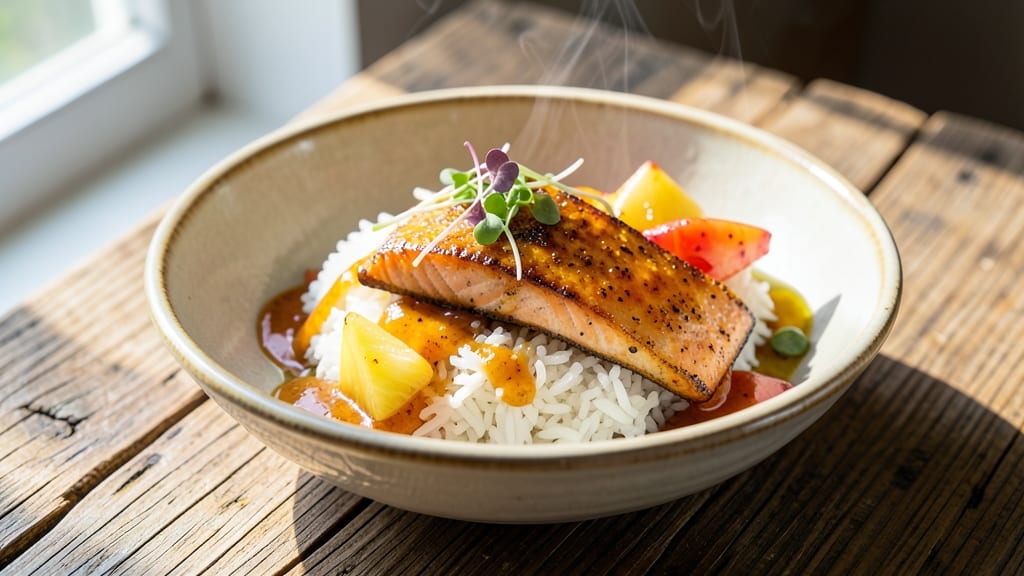
This anti-inflammatory teriyaki sauce recipe transforms traditional flavors into a healing elixir packed with turmeric, ginger, and garlic—nature’s powerhouse ingredients. 🌿 The secret lies in balancing sweetness with potent anti-inflammatory spices, creating a sauce that’s as nourishing as it is delicious.
Perfect for marinades, stir-fries, or glazes, this version skips artificial additives while delivering deep umami and vibrant color.
What sets this sauce apart is its turmeric-ginger base, simmered until thick and aromatic, with a touch of pineapple juice for natural sweetness and enzyme activity. The slow reduction process concentrates flavors while preserving the medicinal properties of fresh ginger and garlic.
Unlike store-bought versions, this recipe uses coconut aminos for gluten-free adaptability and a touch of black pepper to enhance turmeric’s absorption.
By the time you’re done, you’ll have a rich, golden sauce with a velvety texture and complex flavor profile—sweet, tangy, and subtly spicy. It clings beautifully to proteins, vegetables, or noodles, turning simple meals into nutrient-packed dishes.
The best part? It keeps for up to 2 weeks in the fridge, making it your go-to pantry staple for quick, health-focused cooking.
Use it as a marinade for salmon or tofu, a glaze for roasted vegetables, or a dipping sauce for fresh spring rolls. The possibilities are endless, and every bite delivers anti-inflammatory benefits without sacrificing taste. Let’s make this healing sauce today!
Ingredients for anti inflammatory teriyaki sauce
Ten powerhouse ingredients transform into a golden, healing teriyaki sauce bursting with turmeric-ginger glow.
| Ingredient | Amount | Notes |
|---|---|---|
| Extra-Virgin Olive Oil 🫒 | ¼ cup | High quality, fruity variety |
| Fresh Turmeric Root 🌿 | 1 tbsp | Freshly grated for potency |
| Fresh Ginger Root 🌿 | ½ cup | Finely grated, skin on |
| Garlic Cloves 🧄 | 5 cloves | Minced for deep flavor |
| Coconut Aminos 🥫 | ½ cup | Gluten-free soy sauce alternative |
| Pineapple Juice 🍍 | ¼ cup | Fresh for natural sweetness |
| Raw Honey 🍯 | 2 tbsp | Or maple syrup for vegan option |
| Black Peppercorns 🌶️ | ½ tsp | Freshly cracked for turmeric boost |
| Sesame Oil 🫒 | 1 tbsp | Toasted for nutty aroma |
| Arrowroot Powder 🌾 | 1 tsp | For thickening without gluten |
The turmeric and ginger are non-negotiable here—fresh root delivers the most potent anti-inflammatory punch. Whole Foods or Asian markets carry the best quality, but even the regular produce section works if you grate it fresh. Look for vibrant orange turmeric (no dull gray roots) and firm ginger with tight skin. The garlic? Elephant garlic if you can find it—milder but sweeter. For coconut aminos, Coconut Secret is the gold standard, but any gluten-free soy sauce substitute works. Pineapple juice should be fresh, not canned—Trader Joe's has great options at a fraction of the price.
No fresh ginger? Powdered works at half the amount, but you’ll lose some of that zing. Subbing honey? Maple syrup or agave keeps it vegan-friendly. Sesame oil out of reach? A pinch of toasted sesame seeds at the end adds aroma without the cost. For the arrowroot, Bob's Red Mill is my go-to—it dissolves smoothly. The coconut aminos can be swapped for tamari if you’re not avoiding gluten, but the flavor profile shifts slightly. Black pepper isn’t just for heat—it boosts turmeric absorption by 2000%, so don’t skip it.
This sauce thickens as it cools, so start with slightly less arrowroot if you prefer it runnier. Store in a glass jar with a tight seal—keeps for 2 weeks in the fridge, or 6 months frozen in ice cube trays for single-use portions. The flavor actually deepens overnight, so make extra. Freeze any leftovers in small batches for quick future meals. Label everything—this golden sauce deserves a spotlight in your pantry.
Why You'll Love This Recipe
- No-Fuss Blend: I swear by this sauce because it’s literally five ingredients—no fancy techniques, no waiting for hours. Just toss in the turmeric, ginger, and garlic, let them sizzle in olive oil until the kitchen smells like a spa, then stir in coconut aminos. That’s it. No measuring cups, no stress.
- Taste Like a Chef’s Secret: Honestly, I didn’t think coconut aminos could work with olive oil, but the combo is ridiculously good—sweet, savory, and that little kick from fresh ginger. The turmeric gives it this warm, golden depth that makes it taste like it belongs in a high-end restaurant, not my weeknight dinner.
- Dresses Up Anything: This sauce is my lazy person’s magic potion. Drizzle it over grilled salmon, toss it with roasted veggies, or even slather it on a sheet-pan dinner. (Yes, even on a Tuesday night.) It’s the kind of flavor that turns basic meals into something people actually ask for seconds of.
- Leftovers That Won’t Let You Down: Between us, I make a double batch every time because it keeps for weeks in the fridge. No weird texture changes, no weird aftertaste—just pure, reliable flavor. Plus, coconut aminos stretch my grocery budget further than store-bought teriyaki ever did. Win-win.
Step-by-step instructions for anti-inflammatory teriyaki sauce
Here's how to blend bold flavors with gut-friendly benefits—simple, vibrant, and ready in minutes.
🍳 Step 1: Bloom the Spices in Olive Oil
Heat the 0.25 cup extra-virgin olive oil in a medium saucepan over medium-low heat. Add the 1 tbsp freshly grated turmeric root and 0.5 cup finely grated ginger root (skin on for fiber). Let them bloom for 3-4 minutes until fragrant and the turmeric turns a bright golden yellow—this releases their anti-inflammatory compounds. Stir occasionally to prevent burning.
Here's the thing—freshly grated ginger and turmeric make all the difference. The heat should be gentle enough to coax out their aromatic oils without scorching. If you smell bitterness, lower the heat immediately. The oil should shimmer but not smoke when you add the spices.
🍳 Step 2: Sauté Garlic Until Golden
Add the 5 minced garlic cloves and cook for 1-2 minutes until fragrant and just beginning to turn golden. You're aiming for a sweet, nutty aroma—not browned or bitter. Remove the pan from heat and let it cool for 1 minute to prevent the garlic from burning when you add the coconut aminos.
This is where the sauce's depth of flavor comes from. Garlic should be cooked until it's aromatic but still retains its color. If it turns dark, start over—burnt garlic will make the entire sauce taste bitter. The slight cooling step also prevents the coconut aminos from seizing up and becoming grainy.
🥘 Step 3: Build the Sauce Base
Return the pan to medium heat and pour in the 0.5 cup coconut aminos and 0.25 cup pineapple juice. Stir continuously for 3-4 minutes until the mixture reduces slightly and thickens. The sauce should coat the back of a spoon but still be pourable. This step develops the umami richness that balances the ginger's sharpness.
If the sauce starts to separate or looks too thin, reduce the heat slightly and let it simmer longer. You want it to coat the back of a spoon but still flow freely. This is the foundation—get it right now, and the rest will come together beautifully.
🍯 Step 4: Sweeten and Thicken
Lower the heat to low and stir in the 2 tbsp raw honey, 0.5 tsp freshly cracked black peppercorns, and 1 tbsp toasted sesame oil. Simmer gently for 2-3 minutes, stirring constantly. The black peppercorns will amplify the turmeric's anti-inflammatory power—this is the secret weapon in this sauce.
Now, in a small bowl, whisk together 1 tsp arrowroot powder with 1 tablespoon cold water to create a slurry. Slowly drizzle this into the simmering sauce while stirring continuously. The sauce will thicken almost immediately—this is the magic of arrowroot. Simmer for another 1 minute to fully set the texture.
⏰ Step 5: Finish and Adjust
Remove the sauce from heat and let it cool for 5 minutes. Taste and adjust the balance—add a splash more pineapple juice if it's too thick, or a touch of honey if it needs more sweetness. The sauce should be glossy, slightly sticky, and perfectly balanced between sweet, tangy, and spicy.
For best results, let the sauce sit at room temperature for 10-15 minutes before using. This allows all the flavors to meld and the arrowroot to fully set. Store any leftovers in an airtight container in the refrigerator for up to 1 week. It's even better the next day as the flavors deepen!
Pro Tips For Making Anti Inflammatory Teriyaki Sauce
- Sear the Aromatics: Heat the olive oil over medium-low first—yes, even with fresh ginger and turmeric. I learned this the hard way by blistering garlic and ending up with bitter, acrid flavors. Let the oil warm through before adding anything; the ginger and turmeric will release their earthy notes without turning to mush.
- Grate, Don’t Mince: Use a microplane for ginger and turmeric—it’s faster and more consistent than chopping. Finely grated fresh root blends smoother into the sauce and keeps the anti-inflammatory compounds intact. (Yes, even if you’re impatient like me, this makes a real difference.)
- Simmer, Don’t Boil: Keep the sauce at a gentle simmer, not a rolling boil, or the coconut aminos will turn bitter. A low-and-slow approach—about 10-12 minutes—lets the flavors meld without overcooking the garlic. (Your future self will notice the difference.)
- Toast the Garlic: Add the garlic cloves whole and let them sizzle until golden—about 2 minutes—before crushing them. This deepens their flavor and prevents that raw, pungent aftertaste. (Sounds weird, but it works: the sauce tastes richer and more complex.)
Serving suggestions for anti inflammatory teriyaki sauce
Protein Pairings
This golden sauce elevates grilled salmon like nothing else—I love brushing it on during the last 5 minutes of cooking at medium-high heat. The turmeric and ginger infuse the fish with warmth while keeping it tender.
For a tofu twist, marinate 1 block extra-firm tofu in ½ cup sauce for 30 minutes, then pan-fry until crispy. The sauce clings beautifully, creating a sticky, flavorful crust. 🌟
Chicken thighs are another winner—toss them in ¼ cup sauce with 1 tsp cornstarch before baking at 375°F for 25 minutes. The sauce caramelizes into a glossy glaze. For shrimp, toss 1 pound peeled shrimp with 2 tbsp sauce and 1 tsp sesame oil, then grill for 2-3 minutes per side. The ginger and garlic add a bright contrast to the sweetness.
Vegetable Glazes
Roasted sweet potatoes become irresistible when glazed with this sauce. Toss 2 large sweet potatoes (cubed) with 1 tbsp olive oil, roast at 400°F for 20 minutes, then brush with sauce and roast 10 more minutes.
The natural sweetness of the potatoes pairs perfectly with the sauce’s tangy depth. 🥔
For broccoli, steam until bright green, then drizzle with sauce and broil for 3-4 minutes until bubbly.
The black pepper in the sauce adds a subtle kick that cuts through the broccoli’s bitterness. Bell peppers (halved and grilled) also shine—brush with sauce in the last 5 minutes of cooking for a sticky, caramelized finish.
Noodle & Rice Bowls
Transform brown rice or quinoa into a healing bowl by tossing with 2 tbsp sauce per serving and steamed veggies. Top with avocado slices and toasted sesame seeds for crunch. The sauce’s umami balances the earthiness of the grains.
For ramen, add 1 tbsp sauce to the broth along with 1 tsp grated ginger—simmer for 5 minutes to infuse flavor. 🍜
Zucchini noodles absorb the sauce beautifully—toss with 1 tbsp sauce and 1 tsp toasted sesame oil after cooking. The sauce’s natural sweetness complements the zucchini’s mild flavor. For a cold noodle salad, mix cooked noodles with 2 tbsp sauce, ½ cup shredded carrots, and 2 tbsp chopped cilantro. Chill for 30 minutes before serving.
Dipping & Toppings
Use this sauce as a dipping sauce for spring rolls, edamame, or crudité (carrot/cucumber sticks). The ginger and garlic add a zesty kick that pairs well with fresh, crunchy textures.
For tacos, drizzle over grilled fish or black beans with lime wedges and avocado. The sauce’s balance of sweet and spicy makes every bite exciting. 🌶️
As a topping, spoon over miso soup or pho for an instant flavor boost. The sauce’s thickness makes it perfect for drizzling—just 1 tbsp per bowl adds depth without overwhelming.
For poke bowls, mix 1 tbsp sauce with 1 tsp sriracha and drizzle over raw fish, rice, and seaweed. It’s a game-changer for restaurant-quality flavor at home.
Nutrition facts
Frequently asked questions
Can I make this sauce without fresh ginger and turmeric?
Yes, but you’ll lose some potency! Use ½ tsp powdered ginger and ½ tsp powdered turmeric instead of fresh. For maximum anti-inflammatory benefits, though, fresh is best—it contains more active compounds like gingerol. If you must substitute, add an extra pinch of black pepper to help with turmeric absorption.
How does this sauce compare to regular teriyaki?
This version is brighter, tangier, and packed with anti-inflammatory spices like fresh turmeric and ginger. Regular teriyaki relies on sugar and soy for flavor, while this sauce uses natural sweetness from pineapple juice and honey, plus the warmth of black pepper. The texture is slightly thicker due to arrowroot, making it perfect for glazing or marinating.
Can I use this sauce on raw fish like sushi?
Not recommended for raw fish due to the coconut aminos and honey, which aren’t traditionally used in sushi sauces. For raw applications, try a diluted version (mix 1 tbsp sauce with 2 tbsp rice vinegar) as a light drizzle. Always ensure your fish is sushi-grade and store the sauce properly to avoid cross-contamination.
Why does my sauce look too thin after thickening?
Arrowroot needs time to fully set—give it 5-10 minutes off heat to thicken completely. If it’s still runny, simmer for another 1-2 minutes on low heat, stirring constantly. For extra thickness, mix ½ tsp arrowroot with 1 tsp water and whisk into the sauce. Avoid high heat, which can make it grainy.
Is this sauce vegan-friendly?
Almost! Swap the raw honey for maple syrup or agave, and use coconut aminos instead of regular soy sauce. The rest of the ingredients are naturally vegan. For extra richness, add 1 tsp nutritional yeast when using as a marinade—it adds a cheesy umami note that pairs perfectly with the ginger.