
Sauces & Condiments
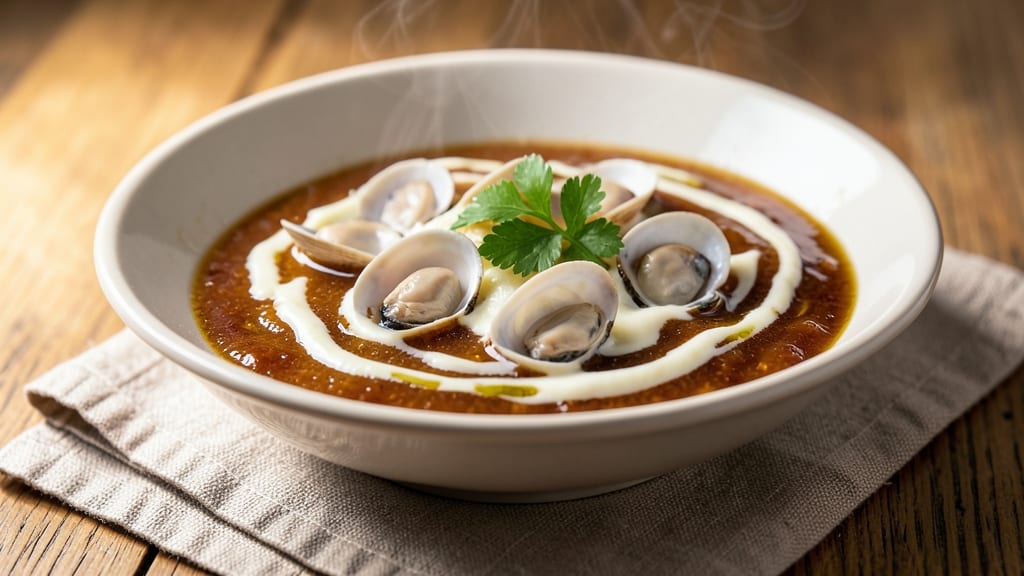
Transforming simple canned white clams into a bistro-worthy sauce reveals how versatile this pantry staple can be—rich, velvety, and packed with umami depth. The process starts with sautéing garlic and shallots until fragrant, then simmering clams in white wine until they release their briny essence.
What begins as a humble canned ingredient becomes the foundation for a sauce that elevates seafood dishes, pasta, or even crusty bread dips.
This recipe balances simplicity with professional results, using just 10 ingredients and 20 minutes of active time. The key lies in reducing the clam liquid with a touch of cream and heavy cream, creating a luxurious texture while preserving the natural sweetness of the clams.
A splash of lemon juice at the end brightens the sauce, cutting through the richness with a clean finish. The technique ensures every spoonful delivers that signature bistro-style creaminess without requiring fresh clams or advanced skills.
What you’ll end up with is a smooth, velvety sauce that clings beautifully to linguine, drizzles effortlessly over grilled fish, or transforms simple garlic bread into a gourmet experience.
The umami depth from the clams pairs perfectly with the creaminess, making it versatile enough for weeknight dinners or impressing guests at a seafood feast. The best part? It reheats flawlessly, so you can make a batch ahead and store it for up to 5 days in the refrigerator.
For those watching their sodium intake, simply rinse the canned clams before using to reduce excess salt. The sauce also freezes well for up to 3 months, making it an ideal make-ahead option for busy schedules.
Whether you’re serving it over spaghetti, pairing it with seared scallops, or using it as a dip for crusty bread, this clam sauce delivers restaurant-quality flavor with minimal effort.
Ingredients for canned white clam sauce
Ten ingredients transform humble canned clams into velvety bistro-style sauce with umami depth and restaurant-quality texture.
| Ingredient | Amount | Notes |
|---|---|---|
| Canned White Clams 🦪 | 2 cans | Reserve clam liquid, rinse if reducing sodium |
| Shallots 🧅 | 2 whole | Minced, not sliced too fine |
| Garlic Cloves 🧄 | 4 cloves | Peeled, minced to fine paste |
| Dry White Wine 🍷 | ½ cup | Sauvignon Blanc preferred |
| Heavy Cream 🥛 | ½ cup | Full-fat for optimal richness |
| Whole Milk 🥛 | ¼ cup | Warmed to blend smoothly |
| Unsalted Butter 🧈 | 2 tbsp | European-style preferred |
| Lemon Juice 🍋 | 1 tbsp | Freshly squeezed, strained |
| Diamond Crystal Kosher Salt 🧂 | ½ tsp | Adjust to taste after tasting |
| Freshly Ground Black Pepper 🌶️ | ¼ tsp | Coarsely ground for texture |
The clams form the sauce's soul—opt for Brooklyn Clam Company or Italian-style brands for superior flavor. Reserve their briny liquid during draining, as it carries critical umami compounds. Rinse clams if reducing sodium, but save that liquid too for depth. Shallots and garlic should be minced to a paste using a microplane for even distribution. For the wine, Sauvignon Blanc or Pinot Grigio work best—avoid oaky Chardonnays that will overpower. The heavy cream must be full-fat; reduced-fat versions create a thin, unappealing sauce. Professional kitchens often use Organic Valley heavy cream for its consistent quality.
No white wine? Dry vermouth or apple cider vinegar work in a pinch, though flavor will differ. Substitute heavy cream with half-and-half plus 1 tbsp butter, though texture will be slightly lighter. For a dairy-free option, replace both creams with full-fat coconut milk—reduce by half first to avoid excess water. The butter should be European-style (like Plugrá) for higher fat content and better flavor. If you lack a microplane, pulse garlic and shallots in a food processor for 10 seconds. The lemon juice must be freshly squeezed; bottled varieties contain preservatives that alter the sauce's brightness.
This sauce peaks when made fresh but reheats beautifully—simmer gently for 2-3 minutes to restore its velvety texture. Store in an airtight container for up to 5 days in the refrigerator, with a thin layer of plastic wrap pressed directly on the surface to prevent skin formation. For longer storage, freeze in 1-cup portions for up to 3 months. Thaw overnight in the refrigerator, then reheat gently. The sauce thickens as it cools, so add 1-2 tbsp milk or water when reheating if needed. Avoid boiling, as this breaks the cream's emulsion and creates a grainy texture.
Why You'll Love This Recipe
- Five-Ingredient Magic: This sauce proves you don’t need a fancy pantry—just clams, shallots, garlic, a splash of wine, and cream. I swear, the only prep is mincing garlic and chopping shallots (which takes less time than waiting for takeout).
- Creamy Briny Bliss: That first bite? The wine deglazes the pan into a velvety base, while the clams add a salty, oceanic punch. The heavy cream ties it all together—rich but never heavy, like a hug from the sea.
- Weeknight to Dinner Party: Drizzle it over pasta, toss it with linguine, or use it as a dip for crusty bread. Honestly, I’ve even thrown it into omelets when I’m in a rush—it works everywhere, from lazy Tuesday to impressing guests.
- Leftovers That Don’t Suck: Unlike most sauces, this one actually improves the next day. The flavors meld even deeper, and it reheats like a dream. Plus, it’s cheap—canned clams stretch this into multiple meals without breaking the bank.
Step-by-step instructions for canned white clam sauce
This bistro-style sauce delivers rich umami depth and velvety texture through precise technique.
Prepare the Base with Shallots and Garlic
Melt the 2 tablespoons unsalted butter in a medium saucepan over medium heat. Add the 2 whole shallots, minced to a fine paste, and cook for 5 minutes until translucent and just beginning to soften. You'll notice the shallots release their aromatic oils—this is when they're ready for the next step.
Add the 4 cloves garlic, minced to a fine paste, and cook for 30 seconds until fragrant. Be careful not to let the garlic brown—it should perfume the pan without developing bitterness. This aromatic foundation forms the umami backbone of the sauce.
Deglaze with Wine and Incorporate Clams
Pour in the 0.5 cup dry white wine and increase heat to medium-high. Let it reduce by half, about 3 minutes, until the alcohol aroma dissipates completely. This step removes the raw wine taste while concentrating the flavors.
Add the 2 cans canned white clams, drained but with 2 tablespoons of reserved clam liquid. Stir gently and simmer for 5 minutes, allowing the clams to warm through and infuse their briny essence into the sauce. The clam liquid prevents the sauce from becoming too thick.
Build Creamy Texture with Dairy
Reduce heat to low and gradually whisk in the 0.5 cup heavy cream and 0.25 cup whole milk. Warm the milk separately to 100°F to ensure smooth incorporation without curdling. The sauce should begin to thicken as it simmers gently for 4-5 minutes.
Stir in the 1 tablespoon lemon juice and season with the 0.5 teaspoon diamond crystal kosher salt and 0.25 teaspoon freshly ground black pepper. Taste and adjust seasoning—this is where the sauce comes together. The lemon brightens the richness while the salt and pepper balance the umami.
Finish and Serve Immediately
Remove from heat and let the sauce rest for 2 minutes. This brief resting period allows the flavors to meld completely. The sauce should coat the back of a spoon with a velvety consistency, neither too thin nor too thick.
Serve immediately over linguine, with crusty bread, or alongside grilled fish. The sauce's texture should be luxuriously smooth with subtle clam brininess and a touch of wine acidity. If needed, thin with additional clam liquid or milk to reach your desired consistency.
Pro Tips For Making Canned White Clam Sauce
- DEGLAZE BEFORE ADDING CREAM: That wine won’t release its magic if you skip this step. After sautéing shallots and garlic, pour in the white wine and let it bubble hard for 30 seconds—no peeking—then scrape every last bit from the pan. The browned bits? They’re the flavor foundation, not optional.
- DRAIN CLAMS WELL, BUT SAVE THE LIQUID: Dump the clams into a colander and give them a good shake to remove excess brine, but don’t rinse them. That juice? It’s salty but packed with umami—reserve ¼ cup to thin the sauce later if it gets too thick. (Yes, even if it looks like you’re wasting liquid.)
- LOW AND SLOW FOR CREAM: The moment you stir in the heavy cream, drop the heat to medium-low and keep it there. I learned this the hard way—scorched cream ruins everything, and clam sauce isn’t the place for burnt notes. A gentle simmer for 5 minutes is all it needs.
- SALT THE CREAM FIRST: Heavy cream can taste bland when raw, so season it with a pinch of salt before adding it to the pan. This isn’t just about flavor—it’s about balance. The clams are salty, the wine is acidic, and the cream needs its own edge to play nice. (Trust me, your taste buds will notice.)
Perfect pairings for this dish
Pasta Perfection
This sauce transforms simple pasta into a bistro-worthy dish. Toss it with linguine or spaghetti for a classic Italian experience, or try it with fettuccine for a slightly wider surface area to catch every creamy bite.
I recommend cooking your pasta al dente (1 minute less than package instructions) to prevent it from becoming mushy when combined with the sauce. For extra indulgence, add ½ cup grated Parmigiano-Reggiano at the end, letting it melt into the sauce for a nutty depth. 🍝
Seafood Pairings
Elevate grilled or pan-seared seafood with this sauce as a dipping companion. I love serving it with shrimp scampi, seared scallops, or blackened cod—the briny clam notes complement the sweetness of the fish.
For a complete meal, drizzle it over baked haddock or pan-seared halibut during the last 2 minutes of cooking. The sauce also works beautifully with calamari rings for an appetizer that feels gourmet. 🦞
Bread Dips
Turn crusty bread into a luxurious appetizer by serving it alongside this sauce. I recommend ciabatta or sourdough for their open crumb structure that soaks up the sauce beautifully. For a restaurant-style presentation, arrange bread slices on a platter with the sauce in a small bowl at the center.
Add chopped parsley and a sprinkle of flaky sea salt on top of the sauce for extra flair. 🥖
Vegetable Boosters
Add fresh vegetables to make this sauce even more vibrant. I often stir in ½ cup finely chopped asparagus tips or shaved fennel during the final 2 minutes of cooking to maintain their crisp texture.
For a pop of color, add ¼ cup cherry tomatoes, halved, during the last minute. These additions not only enhance visual appeal but also balance the richness with fresh, bright flavors. 🥦
Breakfast Twist
This sauce isn't just for dinner—it makes an unexpected but delicious breakfast addition. Drizzle it over crispy pancakes or French toast for a brunch that feels indulgent. I also love using it as a topping for avocado toast on sourdough, adding a sprinkle of red pepper flakes for heat.
The creamy texture contrasts beautifully with the buttery bread, creating a flavor profile that's both surprising and satisfying. 🍳
Garnish Game-Changers
Elevate your presentation with thoughtful garnishes. A sprinkle of fresh parsley or chives adds a pop of color and freshness. For extra richness, top with crumbled pancetta or crispy prosciutto.
I also love a drizzle of high-quality extra-virgin olive oil right before serving to add another layer of flavor. These finishing touches turn a simple dish into a restaurant-worthy experience. ✨
Nutrition facts
Frequently asked questions
Can I make this sauce without white wine?
For a non-alcoholic version, substitute the 0.5 cup white wine with 0.5 cup dry vermouth or 0.5 cup apple cider vinegar. The acidity will still help balance flavors, though the taste will differ slightly. If using vinegar, reduce it by half first to mellow the sharpness.
How do I prevent the sauce from curdling when adding dairy?
Warm the 0.25 cup whole milk to 100°F before adding it to the simmering clam mixture. Gradually whisk in the heavy cream and warm milk while keeping the heat at low-medium to avoid overheating. Never let the sauce boil after adding dairy—this causes separation.
What's the best way to store leftover sauce?
Transfer to an airtight container and refrigerate for up to 5 days. Press plastic wrap directly on the sauce's surface to prevent skin formation. For longer storage, freeze in 1-cup portions for up to 3 months. Thaw overnight in the fridge and reheat gently—never microwave from frozen.
Can I use this sauce for breakfast dishes?
Yes! This sauce works beautifully on crispy pancakes, French toast, or avocado toast. The creamy texture contrasts perfectly with buttery bread, while the briny clam notes add unexpected depth. Add a sprinkle of red pepper flakes for heat if desired.
Why does my sauce taste too salty?
Canned clams often contain high sodium levels. Rinse them thoroughly before using and reduce the added 0.5 tsp salt to 0.25 tsp. If needed, thin the sauce with extra clam liquid (which has less salt than the reserved liquid) to dilute the flavor.