
Sauces & Condiments
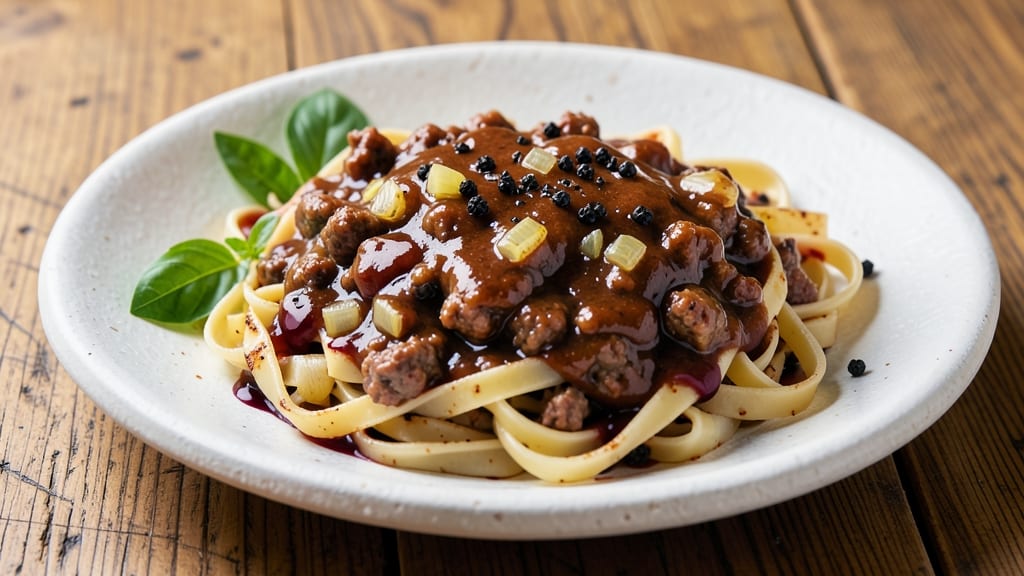
Antonio Carluccio's Bolognese sauce recipe delivers the perfect balance of slow-simmered richness and deep umami flavor that defines true Italian cooking. This isn't just another tomato sauce—it's a labor of love built on precise technique, where ground beef and pork develop layers of complexity over hours of gentle simmering.
The secret lies in the aromatics: caramelized onions and celery form the flavor foundation, while a touch of red wine and milk mellow the acidity of the tomatoes.
What sets this sauce apart is the slow-cooked approach that transforms simple ingredients into something extraordinary. No shortcuts here—just time, patience, and the right proportions of tomatoes, herbs, and spices.
The result is a sauce with perfect texture: thick enough to coat pasta beautifully but still silky smooth, with a depth of flavor that comes from hours of simmering. This is the kind of sauce that makes every bite of pasta feel like a restaurant experience.
The process begins with browning the meat to develop deep, meaty flavors before building the sauce layer by layer. Each ingredient plays a crucial role—from the caramelized vegetables to the slow reduction of tomatoes—and the final result is a sauce that's rich, balanced, and full of authentic Italian character.
Whether you're serving it over tagliatelle or using it as a hearty filling, this Bolognese sauce is the foundation of a truly memorable meal.
Ready to make it? The instructions will guide you through every step, from browning the meat to achieving that perfect balance of flavors. Once you taste the difference, you'll never go back to store-bought or rushed versions again.
Ingredients for antonio carluccio bolognese sauce
The foundation of authentic Italian flavor—where slow-simmered meat meets caramelized aromatics and bold tomatoes.
| Ingredient | Amount | Notes |
|---|---|---|
| Ground Beef (Chuck) 🥩 | 1 ½ lb | 80% lean for meaty richness |
| Ground Pork 🐖 | ½ lb | Fine grind preferred |
| Yellow Onions 🧅 | 2 whole | Finely chopped for caramelization |
| Celery Stalk 🥬 | 2 whole | Diced small for aromatic base |
| Garlic Cloves 🧄 | 4 cloves | Minced for deep flavor |
| Dry Red Wine 🍷 | ½ cup | Bold variety like Cabernet |
| Whole Milk 🥛 | ½ cup | Full-fat for creamy texture |
| Canned San Marzano Tomatoes 🍅 | 28 oz | Crushed by hand for texture |
| Tomato Paste 🍅 | 2 tbsp | Concentrated tomato flavor |
| Fresh Bay Leaves 🌿 | 2 whole | For subtle herbal depth |
| Fresh Parsley 🌿 | ¼ cup | Chopped for bright finish |
| Extra-Virgin Olive Oil 🫒 | ½ cup | For sautéing and richness |
| Diamond Crystal Kosher Salt 🧂 | 1 ½ tsp | Adjust to taste gradually |
| Freshly Ground Black Pepper 🌶️ | ½ tsp | For subtle heat balance |
The meat blend is non-negotiable here. Chuck beef gives that deep, meaty richness while ground pork adds fat for silky texture. Most butcher counters will grind these for you if you ask—they'll even mix the ratio. For the onions and celery, Trader Joe's sells pre-diced 'mirepoix' blends that save time, but chopping your own gives better caramelization. Look for San Marzano tomatoes at Italian markets—they're sweeter and less acidic than regular canned tomatoes, making all the difference. The red wine should be something you'd drink, not cooking wine—Cabernet Sauvignon or Chianti work perfectly.
No red wine? Dry white wine or beef broth will work in a pinch, though the flavor won't be identical. Fresh herbs are ideal, but dried bay leaves at half the amount and dried parsley get you close. The tomato paste can be swapped for crushed tomatoes at double the amount, though you'll lose some of that concentrated depth. For a quicker version, pre-minced garlic from the jar works—just rinse it first to remove excess salt. The olive oil matters too; low-acidity varieties like Bertolli or Filippo Berio prevent bitterness in the final sauce.
This sauce tastes even better the next day as flavors meld. Store in airtight containers for up to 5 days in the fridge or 3 months frozen. For freezing, portion into 1-cup servings with a splash of pasta water to prevent drying. The sauce thickens as it cools, so always thin with a little water or milk when reheating. I like to make a double batch—one for dinner and one to freeze for lazy weeknights. The leftovers? Absolutely essential for quick pasta meals.
Why You'll Love This Recipe
- No Fuss, Big Payoff: I swear by this sauce because the prep is ridiculously simple—just chop the onions, celery, and garlic (called soffritto for a reason), brown the meats, and let it slow-simmer. No peeling tomatoes, no fancy reductions, just pure, deep flavor with minimal effort.
- Meaty Depth You’ll Crave: The combo of chuck and pork? Chef’s kiss. The pork keeps it tender, while the chuck adds that rich, meaty backbone—plus, the slow cook transforms it into something velvety and complex. Honestly, I’ve tried other bolognese recipes, but this one sticks with you.
- Weeknight to Potluck Hero: This sauce is my go-to for busy nights (freezes like a dream) but also impresses at dinner parties—just toss it with tagliatelle or serve it over polenta. Between us, I’ve even used it in lasagna and stuffed into peppers when I’m lazy. (Yes, even on a Tuesday night.)
- Budget-Friendly Leftovers: A pound of chuck and pork goes a long way, and the flavors only get better after reheating. I make a double batch, freeze half, and still have leftovers for lunch the next week—no sad, dry pasta here. My wallet (and my taste buds) thank me.
Step-by-step instructions for Antonio Carluccio's Bolognese sauce
This is how you build authentic, restaurant-quality Bolognese—layering flavors slowly for maximum depth.
Build the Sofritto Base with Olive Oil and Aromatics
Heat the 0.5 cup extra-virgin olive oil in a heavy Dutch oven over medium-low heat. Add the 2 whole finely chopped yellow onions and 2 whole diced celery stalks, cooking for 10-12 minutes until softened and translucent. The onions should caramelize slightly at the edges—that golden color is your flavor foundation.
Add the 4 cloves minced garlic and cook for another 1 minute until fragrant but not browned. This gentle cooking prevents bitterness while developing the aromatic base. Stir occasionally to prevent sticking—this is where the sauce's complexity begins.
Brown the Meats for Deep Flavor
Push the vegetables to one side of the pot and increase heat to medium-high. Add the 1.5 lb ground beef (chuck) and 0.5 lb ground pork, breaking it up with a wooden spoon. Cook until the meat loses its raw color and develops a rich brown crust—about 8-10 minutes. This browning creates the meaty depth that defines authentic Bolognese.
Once fully browned, stir the meat back into the vegetables. Add 1.5 tsp diamond crystal kosher salt and 0.5 tsp freshly ground black pepper, mixing well to distribute evenly. Seasoning at this stage ensures balanced flavor throughout the cooking process.
Deglaze with Wine and Tomatoes
Pour in the 0.5 cup dry red wine and scrape up any browned bits from the bottom of the pot. These fond bits are packed with flavor—don't miss them! Let the wine simmer for 3-4 minutes until nearly completely evaporated. You want the alcohol to cook off, leaving behind just the wine's rich essence.
Add the 28 oz canned San Marzano tomatoes (crushed by hand) and 2 tbsp tomato paste, stirring to combine. Bring to a gentle simmer, then add the 2 whole fresh bay leaves. The tomatoes should bubble softly—never a rolling boil, which can make the sauce too acidic. This is where patience pays off.
Slow Simmer for Maximum Flavor Development
Reduce heat to low and cover the pot partially with a lid. Let the sauce simmer uncovered for 1 hour, then add the 0.5 cup whole milk and stir gently. The milk adds subtle creaminess without overpowering the meaty flavors. Continue simmering uncovered for another 1-2 hours until the sauce thickens to a rich, velvety consistency.
Here's the thing—this sauce needs time. The longer it simmers, the deeper the flavors meld. You'll know it's ready when the sauce coats the back of a spoon and the vegetables are completely tender. Taste and adjust seasoning if needed—authentic Bolognese should be rich but balanced, with bright tomato acidity and meaty depth.
Finish with Fresh Parsley and Rest
Remove the pot from heat and stir in the 0.25 cup chopped fresh parsley. The parsley adds a bright, fresh finish that cuts through the richness. Let the sauce rest for 10-15 minutes before serving—this allows the flavors to fully integrate and the sauce to thicken slightly.
Serve over freshly cooked tagliatelle or pappardelle, letting each strand soak up the rich sauce. The result should be a sauce that's meaty, tomato-forward, and perfectly balanced—exactly as Antonio Carluccio intended. The secret lies in the slow cooking and careful layering of flavors at each step.
Pro Tips For Making Antonio Carluccio Bolognese Sauce
- Brown the Meat Properly: Don’t just toss the chuck and pork into the pot and stir—break it into small chunks first, then sear in batches over medium-high heat until deeply browned. I learned this the hard way: skipping this step means a sauce that tastes more like stew than the rich, meaty base Carluccio intended.
- Sweat, Don’t Burn, the Aromatics: When cooking the onions, celery, and garlic, keep the heat low and cover the pan for the first 5 minutes. This makes them release moisture and soften without turning bitter—exactly how Carluccio does it. High heat here ruins the whole sauce before it even begins.
- Use a Dutch Oven: This isn’t just for show—it’s the only pot that holds enough heat to render fat properly while keeping the sauce from sticking. I used a thin saucepan once and ended up with a gloppy mess; invest in a heavy one if you don’t already own one.
- Add Tomato Gradually: Don’t dump all the crushed tomatoes in at once—stir in a third at a time, letting each batch reduce slightly before adding more. This builds depth and prevents a watery sauce. (Yes, it takes longer, but the result is worth it.)
Serving suggestions for leftovers
Classic Pasta Pairings
This sauce was designed to cling beautifully to tagliatelle or pappardelle—wide, flat noodles that soak up every rich, meaty layer. For an authentic touch, use bronze-cut tagliatelle from a specialty store like Eataly or Trader Joe's.
The rough texture helps the sauce cling even better. If you prefer a heartier bite, fettuccine works too—just toss with a splash of pasta water to loosen the sauce. 🍝
Meat-Filled Twists
Turn your Bolognese into a filling for ravioli or lasagna by spreading it between layers of pasta. For ravioli, use fresh egg pasta and fill with about 1 tbsp of sauce per piece, then top with another layer of pasta and sauce before baking.
For lasagna, layer with ricotta and mozzarella between the Bolognese and béchamel sauce for a restaurant-worthy dish. Pre-bake your pasta sheets for 5 minutes before assembling to prevent sogginess.
Bread and Comfort
No pasta? No problem! Serve this sauce over garlic bread or polenta for a cozy, meaty meal. For polenta, use creamy cornmeal cooked until thick, then top with warm Bolognese and a sprinkle of Parmigiano-Reggiano.
For bread, toast a crusty Italian loaf like Schär and rub with a garlic clove before serving. The sauce also makes an amazing dipping sauce for grilled chicken or meatballs—just thin with a splash of milk if needed.
Vegetable Boosts
Add roasted mushrooms or caramelized onions to the finished sauce for extra depth. Sauté 8 oz of cremini mushrooms in olive oil with a pinch of thyme until golden, then stir into the sauce during the last 15 minutes of simmering.
For onions, caramelize 1 large onion until deep amber, then fold in with the parsley at the end. These additions keep the sauce vegetarian-friendly while enhancing its richness. 🌱
Cheese Finishes
Elevate your dish with a sprinkle of freshly grated Parmigiano-Reggiano or Pecorino Romano right before serving. For extra luxury, add a dollop of mascarpone or ricotta to each serving—just swirl it into the sauce gently so it melts into creamy ribbons.
A few leaves of fresh basil or arugula on top add a bright contrast to the rich, meaty sauce. Always grate your own cheese for the freshest, most flavorful experience.
Make-Ahead Serving
This sauce tastes even better the next day, so make a double batch and store it in airtight containers in the fridge for up to 5 days. When reheating, add 2-3 tbsp of water or milk to prevent thickening.
For a quick meal, serve over leftover pasta or use as a filling for stuffed shells. If freezing, portion into 1-cup servings with a splash of pasta water to maintain texture. Thaw overnight in the fridge before reheating gently on the stovetop. ✨
Nutrition facts
Frequently asked questions
Why does Antonio Carluccio's Bolognese sauce need such a long cooking time?
The extended simmering—2-3 hours—is essential for developing deep, complex flavors. This slow process allows the meat to render its fat gradually, the vegetables to caramelize fully, and the tomatoes to reduce into a concentrated, velvety consistency. The milk added later mellows the acidity while creating that signature creamy texture without overpowering the meaty base. Patience is key to achieving that authentic, restaurant-quality depth.
Can I substitute the pork in this recipe?
Yes! While pork adds fat for silky texture, you can replace it with an extra 0.5 lb ground beef or even ground turkey (though flavor will differ slightly). For a vegetarian version, swap the meats with lentils or finely chopped mushrooms—just brown them well first to mimic the meaty depth. The wine and milk will still work to balance the sauce's richness.
What's the best way to thicken Bolognese sauce if it's too thin?
If your sauce is too thin, simmer uncovered for 10-15 extra minutes to reduce naturally. For quicker thickening, mix 1 tbsp cornstarch with 2 tbsp cold water, stir into the sauce, and simmer for 2-3 minutes*. Avoid over-thickening—authentic Bolognese should coat the back of a spoon but remain silky. A splash of pasta water can also help loosen it if needed.
Is it okay to use store-bought tomato sauce instead of San Marzano tomatoes?
While San Marzano tomatoes provide the best balance of sweetness and acidity, you can use store-bought crushed tomatoes in a pinch. Look for brands with minimal additives and add 1 extra tbsp tomato paste to compensate for lower concentration. For extra depth, stir in 1 tsp sugar to balance any tartness. The sauce will still be delicious, though not quite as refined.
How do I know when the sauce is fully cooked?
The sauce is ready when it coats the back of a spoon smoothly and the vegetables are completely tender. You should also see a noticeable reduction in liquid—about half the original volume. Taste for balance: the acidity should be mellowed, and the meaty flavors should dominate with just a hint of tomato brightness. If it's still too thin after 3 hours, it's time to reduce or thicken.