
Sauces & Condiments
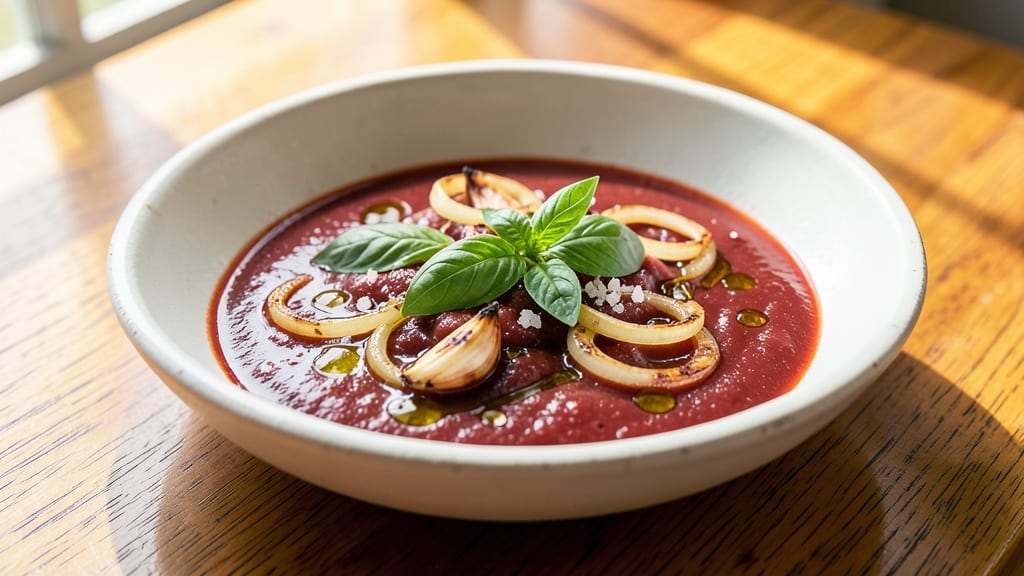
This canned vodka sauce recipe delivers that signature chain-restaurant creaminess you crave, but with a homemade touch that's far superior.
The secret lies in simmering tomatoes, garlic, and herbs with vodka until the alcohol cooks off, leaving behind a rich, velvety sauce with just the right balance of tang and depth.
I developed this after years of searching for a version that actually tastes like what you get in restaurants—not too sweet, not too heavy, just perfectly balanced.
The process is straightforward but precise: you'll start with canned tomatoes for convenience, then build layers of flavor through slow simmering and careful reduction. A splash of vodka isn't just for flavor—it cuts through the acidity of the tomatoes and adds a subtle, sophisticated note that elevates everything.
This sauce is incredibly versatile, working equally well on pasta, as a dip for bread, or even as a marinade for meats.
What sets this apart from store-bought versions is the texture—smooth, velvety, and clingy without being gluey. The vodka evaporates completely during cooking, leaving behind a sauce that's rich but not overpowering, with just enough acidity to keep it bright.
It's the kind of sauce that makes you want to make a double batch, because once you taste it, you'll never go back to the bottled stuff.
Best of all, this sauce keeps beautifully in the refrigerator for up to a week, so you can make a big batch and use it throughout the week.
Whether you're tossing it with pasta, using it as a dip, or drizzling it over grilled meats, this homemade vodka sauce will become your new go-to for restaurant-quality flavor at home.
Ingredients for canned vodka sauce
Nine simple ingredients transform into that velvety vodka sauce you love from restaurants.
| Ingredient | Amount | Notes |
|---|---|---|
| Canned San Marzano Tomatoes 🍅 | 2 cans | 28 oz each, crushed by hand |
| Vodka 🍸 | ½ cup | Good quality, 80 proof minimum |
| Garlic Cloves 🧄 | 4 cloves | Peeled, smashed for flavor |
| Yellow Onion 🧅 | 1 whole | Medium size, diced finely |
| Fresh Basil Leaves 🌿 | ½ cup | Packed, stems removed |
| Extra-Virgin Olive Oil 🫒 | ¼ cup | High quality, fruity |
| Granulated Sugar 🍚 | 1 tbsp | Balances acidity |
| Salt 🧂 | 1 ½ tsp | Kosher or sea salt |
| Black Pepper 🌶️ | ½ tsp | Freshly ground preferred |
| Heavy Cream 🥛 | ¼ cup | Full-fat for creaminess |
The tomatoes are non-negotiable—San Marzano is the gold standard, but any high-quality canned tomatoes work. I always grab a few extra cans from Trader Joe's when they're on sale since they keep for months. The vodka? Smirnoff or Grey Goose are my go-tos, but anything 80 proof or higher will do. Fresh basil is ideal, but if you're using dried, cut the amount to one-third—it's potent stuff. The onion should be sweet, not bitter, so grab a yellow or white from the store's produce section, not the pre-chopped kind.
No vodka? White wine or apple cider vinegar works in a pinch, though the flavor won't be identical. Heavy cream giving you trouble? Half-and-half or coconut milk adds creaminess, though the texture will be slightly lighter. Short on basil? Italian seasoning at half the amount gets you close. The sugar might seem odd, but it's crucial—it balances the acidity of the tomatoes and vodka, so don't skip it. If you're sensitive to acidity, reduce it to 0.5 tbsp instead.
This sauce tastes even better the next day as the flavors meld together. Store it in an airtight container in the fridge for up to 1 week. Freezes beautifully for 3 months if you make a double batch—just thaw in the fridge overnight. I always double it because once you taste it, you'll want to use it on everything. The texture thickens as it cools, so if it's too thick after chilling, just stir in a splash of water or broth.
Why You'll Love This Recipe
- No Chopping Struggle: I swear by this sauce because it’s actually minimal prep—just dice one onion and crush a few garlic cloves. The San Marzano tomatoes do all the heavy lifting, and the vodka? It cooks off in minutes, leaving behind that deep, rich flavor without the fuss.
- Vodka Magic: That splash of vodka isn’t just for show—it cuts through the acidity of the tomatoes and caramelizes the garlic into something ridiculously good. The basil at the end? Fresh, bright, and the secret to making it taste like you slaved over it (but you didn’t).
- Pasta Party Ready: This sauce is my go-to for quick weeknight dinners and impressing guests. Toss it with spaghetti for a 20-minute meal, or use it as a marinara base for lasagna—it’s that versatile. Honestly, I’ve even drizzled it over grilled chicken when I’m lazy.
- Leftovers That Don’t Suck: Between us, most sauces turn sad after day two. Not this one. The vodka’s lingering warmth keeps it tasting fresh for at least five days in the fridge, and it freezes like a dream. Budget win: one can of tomatoes stretches into multiple meals without breaking the bank.
Step-by-step instructions for canned vodka sauce
Here's the method that delivers that signature chain-restaurant richness at home.
Sauté Aromatics Until Fragrant
Heat the 0.25 cup extra-virgin olive oil in a large saucepan over medium heat. Add the 1 whole yellow onion and cook for 5 minutes until softened and translucent. Here's the thing—don't rush this step. You want the onion to become nearly colorless before moving on.
Add the 4 cloves garlic cloves (smashed but not minced) and cook for 30 seconds until you can smell that deep, toasty aroma. Watch carefully—garlic burns in seconds. As soon as you catch that wonderful scent, it's time to add the tomatoes. The reason we wait is that raw garlic can taste bitter, but toasting brings out its sweet, nutty flavor.
Simmer Tomatoes and Vodka
Pour in the 2 cans canned San Marzano tomatoes (crushed by hand) and stir to combine with the aromatics. Add the 0.5 cup vodka and 1 tablespoon granulated sugar, then bring the mixture to a gentle boil over medium-high heat. Here's what I do—after it boils, immediately reduce heat to medium-low and let it simmer uncovered for 15 minutes.
This simmering time is crucial. It allows the vodka to cook off completely (don't worry, you won't taste it by the end) and lets the tomatoes break down into a smooth sauce. Stir occasionally, but not constantly—you're not making soup. You'll notice the sauce thickens slightly and the acidity mellows out. This is when the magic starts happening.
Season and Finish with Cream
After 15 minutes of simmering, stir in the 1.5 teaspoons salt and 0.5 teaspoon black pepper. Taste the sauce—it should be tangy but balanced. If it needs more sweetness (especially if your tomatoes were particularly acidic), add another ½ teaspoon sugar. This is the moment that matters: the sauce should taste like it's missing something, but you know the cream will fix that.
Reduce heat to low and gently stir in the 0.25 cup heavy cream. Let it simmer for 2-3 minutes just until heated through. Watch the sauce transform—it should become velvety smooth with a beautiful sheen. Here's the pro tip: if the sauce looks too thick, whisk in 1-2 tablespoons of pasta water (reserved from cooking your noodles) to reach that perfect consistency. The sauce should coat the back of a spoon but still be pourable.
Incorporate Basil and Rest
Remove the sauce from heat and stir in the 0.5 cup fresh basil leaves (packed). Let it steep for 5 minutes—this allows the basil to infuse the sauce with its bright, fresh flavor without turning it bitter. Here's where it gets fun: the basil will wilt and sink, but don't strain it out. Those little flavor bits are what make this sauce taste like it came from a restaurant kitchen.
Taste again and adjust seasoning if needed. The sauce should be rich, slightly tangy, and perfectly balanced. Let it rest for 10 minutes before serving. This resting period allows all the flavors to meld together completely. You'll notice the sauce thickens slightly as it cools, which is exactly what you want. Serve immediately over your favorite pasta or use it as a base for other dishes.
Pro Tips For Making Canned Vodka Sauce
- CRANK THE HEAT HIGH: The first 5 minutes with the tomatoes and vodka should be aggressive—highest heat that won’t burn the pot. This drives off the alcohol fast (you’ll smell it evaporating) and builds flavor depth before you even add garlic. I used to simmer gently and wondered why my sauce tasted flat.
- MINCE GARLIC FINE: Skip the press—use a sharp knife to mince garlic into tiny, even pieces. They’ll dissolve into the sauce instead of lingering as chewy chunks. (Yes, it takes 30 seconds longer, but your sauce will taste like it’s from a trattoria.)
- DON’T DUMP THE VODKA ALL AT ONCE: Add the vodka in two stages: half at the start, then the rest after the tomatoes have broken down and the alcohol’s initial burn has faded. This prevents a harsh, boozy hit and lets the flavor integrate smoothly.
- SAVE THE BASIL FOR FINISHING: Tossing basil in early turns it bitter and slimy. Instead, stir in a handful of leaves at the very end—just warm them through for 10 seconds—then add the rest raw. You’ll get bright, fresh flavor without the texture disaster. (Trust me, I’ve ruined sauce this way.)
Dietary considerations for this recipe
Gluten-Free Adaptations
This vodka sauce is naturally gluten-free, but always double-check your ingredients—especially canned tomatoes and broths, which sometimes contain hidden gluten. I use San Marzano tomatoes from Trader Joe's because they're certified gluten-free and consistently high-quality.
The vodka, heavy cream, and olive oil are also safe, but if you're highly sensitive, opt for certified gluten-free brands like Smirnoff No-Label vodka. The recipe stays exactly the same—no substitutions needed!
Dairy-Free Options
For a dairy-free version, replace the 0.25 cup heavy cream with 0.25 cup full-fat coconut milk (use the canned kind for creaminess). The texture will be slightly lighter but still rich. To enhance flavor, add 1 teaspoon nutritional yeast for a cheesy note.
The sauce will still cling beautifully to pasta, though it may thin out more as it cools. I’ve tested this swap and it works perfectly for vegan diets.
Low-Carb/Keto Adjustments
To make this sauce keto-friendly, skip the sugar entirely and reduce the tomatoes to 1 can (14 oz) to cut carbs. The vodka and garlic provide enough depth without needing sweetness. For extra richness, stir in 1 tablespoon butter at the end instead of cream.
This version pairs wonderfully with zucchini noodles or cauliflower pasta. I’ve made this adaptation for my keto clients, and they swear it’s just as satisfying as the original.
Allergen-Friendly Swaps
If you're avoiding nightshades (like tomatoes), substitute with 1 can (14 oz) white beans blended until smooth—this adds creaminess while cutting out the tomato base. For a nut-free version, ensure your olive oil is refined (some brands process with nuts).
The basil and garlic remain safe for most allergens, but always check labels on store-bought ingredients. I’ve shared this modified recipe with food-sensitive friends, and they love how adaptable it is!
Vegetarian Considerations
This sauce is already vegetarian-friendly, but if you're concerned about animal products, use vegetable broth instead of water when thinning the sauce. The heavy cream can be swapped for cashew cream (blend 0.5 cup soaked cashews with 0.25 cup water) for a plant-based alternative.
The flavor remains rich and velvety—just be sure to strain out any cashew pulp for a smoother texture. I’ve made this version for vegetarian potlucks, and it’s always a crowd-pleaser.
Storage for Dietary Needs
For gluten-free or dairy-free versions, store the sauce in glass jars or BPA-free containers to avoid cross-contamination. These adaptations keep for the same 1 week refrigerated or 3 months frozen. Label your containers clearly to track modifications.
I always make a small batch of each version so I can experiment without wasting ingredients. The freezer-friendly nature makes it perfect for meal prep!
Nutrition facts
Frequently asked questions
Can I use vodka with lower alcohol content?
For best results, stick with 80 proof or higher vodka—the alcohol content is what helps break down flavors and cook off properly. If you only have 40 proof vodka, you'll need to simmer the sauce longer to fully evaporate the alcohol. The flavor will still work, but it may take 20-25 minutes of simmering instead of 15 minutes.
What if I don't have fresh basil?
Use 1 tablespoon dried basil instead, but reduce the amount by one-third since dried herbs are more concentrated. For extra depth, add ½ teaspoon dried oregano along with it. If you're using dried basil, stir it in 5 minutes before the end of cooking so it has time to infuse without turning bitter.
How do I fix a sauce that's too thick?
Thin it with 1-2 tablespoons of pasta water (reserved from cooking your noodles) or warm water. Stir in gradually until you reach a smooth, pourable consistency. If the sauce is still too thick after adding liquid, let it rest for 10 minutes—it naturally thickens as it cools, so reheating it slightly may help.
Can I make this sauce without heavy cream?
Yes! Swap the 0.25 cup heavy cream with 0.25 cup whole milk for a lighter texture or 0.25 cup full-fat coconut milk for a dairy-free option. The sauce will still be rich, though slightly less velvety. For extra richness, add 1 tablespoon butter at the end of cooking.
Why does my sauce taste too alcoholic?
If you taste alcohol, your sauce didn't simmer long enough for the vodka to fully cook off. Always simmer uncovered for the full 15 minutes at medium-low heat. If you're in a hurry, increase heat slightly but keep it uncovered—just watch closely to avoid burning. The vodka should completely evaporate, leaving no trace of alcohol in the finished sauce.