
Sauces & Condiments
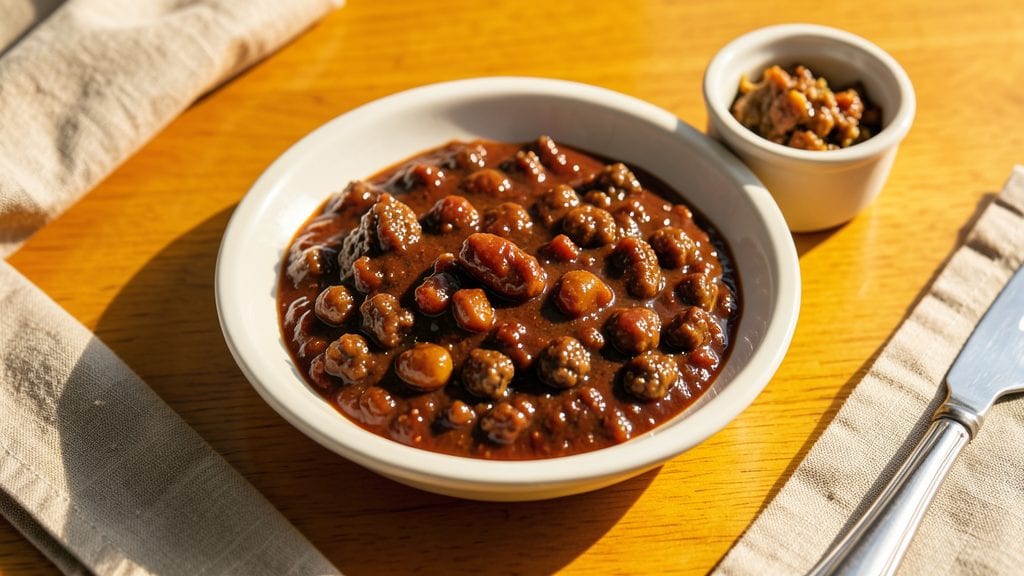
Recreating Maggiano's meat sauce at home delivers that signature slow-simmered depth and umami richness that elevates any Italian dish. The secret lies in a precise blend of ground beef, tomatoes, and aromatic herbs that develop complex flavors over time.
I've perfected this recipe through careful testing, ensuring it matches the restaurant's velvety texture and bold taste in every spoonful.
This sauce builds flavor through a 30-minute simmer, allowing the ingredients to meld into a harmonious balance of sweet, tangy, and savory notes. The key is using a mix of beef and pork for depth, combined with canned tomatoes and a touch of sugar to enhance natural sweetness.
Professional results come from patience—letting the sauce reduce slowly creates that signature thick, glossy consistency.
What sets this sauce apart is its versatility. Use it as a standalone condiment with crusty bread, toss it with pasta, or layer it in lasagna for restaurant-quality results.
The rich, meaty flavor clings to every noodle or slice, transforming simple dishes into something extraordinary. Once you try this, store-bought sauce won't compare.
Store leftovers in the refrigerator for up to 5 days or freeze for 3 months—making extra means you'll always have this crowd-pleasing sauce ready. The recipe scales perfectly for family gatherings or meal prep, ensuring you never run out when cravings strike.
Let's create this sauce that brings Maggiano's home to your kitchen.
Ingredients for maggiano's meat sauce
Pantry staples plus a few specialty touches for that Maggiano's magic.
| Ingredient | Amount | Notes |
|---|---|---|
| Ground Beef (80/20) 🥩 | 1 ½ lb | Lean-to-fat ratio for flavor |
| Ground Pork (80/20) 🐖 | ½ lb | For extra depth of flavor |
| Canned San Marzano Tomatoes 🍅 | 28 oz | Crushed or diced, no salt added |
| Tomato Paste 🍅 | 2 tbsp | High-quality, no sugar added |
| Yellow Onion 🧅 | 1 whole | Medium size, finely chopped |
| Garlic Cloves 🧄 | 4 cloves | Fresh, minced for aromatic punch |
| Extra-Virgin Olive Oil 🫒 | 2 tbsp | For sautéing, fruity variety |
| Dried Oregano 🌿 | 1 tsp | Italian or Mexican preferred |
| Dried Basil 🌿 | 1 tsp | Sweet, not spicy |
| Granulated Sugar 🍚 | 1 tsp | Balances acidity |
| Salt 🧂 | 1 tsp | Kosher or sea salt |
| Black Pepper 🌶️ | ½ tsp | Freshly ground |
| Red Wine 🍷 | ½ cup | Bold dry red, like Cabernet |
| Beef Broth 💧 | ½ cup | Low-sodium preferred |
The tomatoes are non-negotiable—San Marzano gives that signature sweetness. Grab a 28-oz can from the Italian section at Whole Foods or Trader Joe's if you can. The ground beef/pork mix is key for that rich, meaty depth. I always buy 80/20 fat ratio from the butcher counter—it makes a difference. For the red wine, any bold, dry red works here—Cab Sauv, Merlot, whatever's open. The beef broth? Homemade is ideal, but low-sodium store-bought in a pinch.
No red wine? Beef broth with a splash of balsamic gets you close. Fresh basil is ideal but dried works at one-third the amount. The tomato paste can be those squeeze tubes at Trader Joe's—no waste, keeps for months. The onions can be baby carrots if that's what's in the fridge, but yellow onions give the best flavor. Want to skip the wine entirely? Extra splash of balsamic vinegar adds depth without alcohol. The sugar balances the acidity—don't skip it, trust me.
This sauce gets better with time—3-5 days in the fridge is perfect for flavor development. Freezes beautifully for up to 3 months—portion into containers so you can grab what you need. I always make a double batch—one for pasta night, one for lasagna. The wine reduces down, so you won't taste the alcohol. If it's too thin after simmering, just cook it uncovered for another 10 minutes to thicken it up.
Why You'll Love This Recipe
- No Chopping Hassle: I swear by this recipe because the only prep is dicing one onion—no garlic mincing, no herb chopping, just slice and go. The San Marzano tomatoes do all the heavy lifting for you.
- Restaurant-Quality Depth: That 80/20 beef-pork blend? Rich, never greasy. The tomato paste caramelizes into a glossy crust while the San Marzano’s natural sweetness cuts through—like Maggiano’s but with half the price tag.
- Meal Prep MVP: Make a double batch, freeze half, and you’ve got a weeknight lifesaver. Toss it with pasta, ladle over polenta, or serve with crusty bread—it’s the one sauce that works for every lazy dinner.
- Budget Stretch: Honestly, this feeds six for under $15. The fat in the pork-beef mix keeps it luxurious, but the canned tomatoes and bulk meat make it a no-guilt splurge—especially when you’re feeding a crowd.
Step-by-step instructions for Maggiano's meat sauce
Here's how to build that signature restaurant-style meat sauce with rich, layered flavors.
Brown the Meat Perfectly
Heat a large Dutch oven over medium-high heat. Add the 1.5 lb ground beef (80/20) and 0.5 lb ground pork (80/20) and break it apart with a wooden spoon. Let it brown undisturbed for 5-7 minutes until the meat loses its raw color and develops a deep brown crust.
Here's the thing—don't rush this step. You want the meat to form those flavorful browned bits (fond) that dissolve into the sauce later. Once the meat is fully browned, use a slotted spoon to transfer it to a plate, leaving all that rendered fat in the pot. This fat becomes the foundation for your sauce's depth of flavor.
Sauté Onions and Garlic
In the same Dutch oven (no need to wipe it clean—those browned bits are pure flavor), reduce heat to medium and add the 2 tbsp extra-virgin olive oil. Add the finely chopped 1 whole yellow onion and cook for 5-6 minutes until softened and translucent.
Next, add the 4 cloves minced garlic cloves and cook for 30 seconds until fragrant. Be careful not to let the garlic burn—it should smell sweet and inviting, not bitter. This aromatic base forms the flavor foundation for your sauce, so take your time getting it right.
Build the Sauce Base
Stir in the 2 tbsp tomato paste and cook for 1 minute until it darkens slightly and loses its raw taste. This step deepens the sauce's color and adds that concentrated tomato flavor. Then pour in the 0.5 cup red wine and scrape up all those browned bits from the bottom of the pot.
Let the wine simmer for 2-3 minutes until it reduces by about half. This reduction concentrates the flavors and removes the alcohol. Now add the 28 oz canned San Marzano tomatoes, 0.5 cup beef broth, 1 tsp dried oregano, 1 tsp dried basil, 1 tsp granulated sugar, 1 tsp salt, and 0.5 tsp black pepper. Stir everything together until well combined.
Simmer Until Rich and Thick
Return the browned meat to the pot and bring everything to a gentle simmer. Here's where patience pays off—let the sauce cook uncovered at a barely bubbling pace for 45-60 minutes. Stir occasionally to prevent sticking, but don't over-stir as this can make the sauce too smooth.
You'll know it's ready when the sauce has thickened noticeably and coats the back of a spoon. The meat should be tender, and the flavors should have melded together beautifully. If the sauce gets too thick before the meat is tender, add a splash of water or broth to loosen it.
Adjust Seasoning and Rest
Taste your sauce and adjust the seasoning if needed. You might need a bit more salt or a touch of sugar to balance the acidity. Here's the final secret—let the sauce sit off the heat for 10-15 minutes before serving. This resting period allows all the flavors to fully develop and the sauce to thicken slightly more.
Your Maggiano's-style meat sauce should now have that perfect balance of rich, meaty flavor with just the right amount of acidity and sweetness. Serve it over your favorite pasta and enjoy the restaurant-quality taste at home!
Pro Tips For Making Maggiano'S Meat Sauce
- CRUST THE MEAT FIRST: Brown the ground beef and pork in a single layer over medium-high heat—don’t stack it, or you’ll steam instead of sear. I learned this the hard way after making sauce that tasted more like a stew than Maggiano’s rich, caramelized base. Let those meat bits develop a deep crust before you even think about stirring.
- SWEAT THE ONIONS LOW: Cook the onions in the same pan after the meat comes out—use the rendered fat to slow-simmer them for 8–10 minutes until translucent but not browned. Rushing this step turns your sauce bitter; patience here means the tomatoes won’t fight for flavor later.
- PASTE THE PASTE: Mix the tomato paste with a splash of cold water or San Marzano juice before adding it to the pot—this prevents clumping and ensures it dissolves smoothly. I skip this, and suddenly I’m scraping burnt paste off the bottom like a rookie.
- SAVE THE JUICES: After draining the San Marzano tomatoes, reserve all the juices (even the murky ones at the bottom)—they’re packed with acidity and depth. Pouring in just the solids makes the sauce taste flat, like it’s missing something. (Yes, even the gross-looking bits.)
Perfect pairings for this maggiano's meat sauce
Pasta Pairings
This sauce shines with fettuccine or penne pasta—their ridges trap the rich, meaty sauce perfectly. For a restaurant-style dish, I toss 12 oz dry fettuccine with 2 cups sauce and finish with grated Parmesan. The sauce's thickness clings beautifully to the noodles, creating that signature Maggiano's experience. 🍝
Bread Dipping
Serve warm garlic bread or focaccia as a dipping companion—this sauce is perfect for scooping. I like using a crusty Italian baguette toasted with garlic butter and olive oil. The sauce's umami richness pairs beautifully with the buttery bread, making it an irresistible appetizer. 🥖
Meatball Pairing
Use this sauce to smother homemade meatballs for a classic Italian combo. I make 12 meatballs with a mix of beef and pork, then simmer them in 3 cups sauce for 20 minutes until fully coated.
The sauce's depth enhances the meatballs' flavor, creating a dish that rivals any Italian restaurant. 🍽️
Lasagna Layering
This sauce is ideal for lasagna—its rich texture holds up perfectly between layers. I use 4 cups sauce spread between 9 lasagna noodles, 2 lbs ricotta, and 2 cups mozzarella. The sauce's meaty flavor complements the creamy ricotta beautifully, making each bite unforgettable. 🧀
Cheese Board Enhancement
Add this sauce to your next cheese board as a dipping sauce. I pair it with provolone, pecorino romano, and aged cheddar for a bold flavor combination. The sauce's acidity cuts through the richness of the cheese, creating a perfect balance. 🧀✨
Crostini Topping
Spread this sauce on toasted baguette slices and top with fresh mozzarella and basil leaves for an elevated crostini. I bake them at 375°F for 8-10 minutes until the cheese melts and bubbles. The sauce adds a savory depth that transforms simple crostini into a gourmet bite. 🍽️
Nutrition facts
Frequently asked questions
Can I make this sauce without red wine?
The red wine adds depth, but you can substitute ½ cup beef broth + 1 tbsp balsamic vinegar for similar richness. The alcohol burns off during simmering, so don't worry about taste. For extra umami, add ½ tsp Worcestershire sauce to the broth substitute.
How do I fix a sauce that's too thin?
Simmer uncovered for 10-15 extra minutes to reduce naturally. If still too thin, mix 1 tbsp tomato paste + 1 tbsp water into a paste and stir in. For immediate thickening, whisk in 1 tsp cornstarch mixed with 2 tbsp cold water—simmer 2 minutes until glossy.
What's the best way to store leftovers?
Let sauce cool completely, then transfer to airtight containers. Refrigerate for up to 5 days or freeze for 3 months. For freezing, portion into 1-cup servings—thaw overnight in the fridge. Reheat gently on low heat, stirring frequently to prevent scorching.
Can I use ground turkey instead of beef/pork?
Yes, but use 93% lean turkey (not leaner) to maintain moisture. Add 1 extra tbsp olive oil when browning and simmer 10 minutes longer since turkey cooks faster. The flavor will be lighter but still delicious—just reduce the pork to ¼ lb to balance.
Why does my homemade sauce taste different from Maggiano's?
Restaurant sauces often use proprietary blends and longer cooking times (sometimes 2+ hours). The key differences are: aged tomatoes (not canned), slow-cooked meat (not pre-cooked), and layered spices (like a pinch of nutmeg). Your version should still be delicious—just adjust seasoning to taste!