
Sauces & Condiments
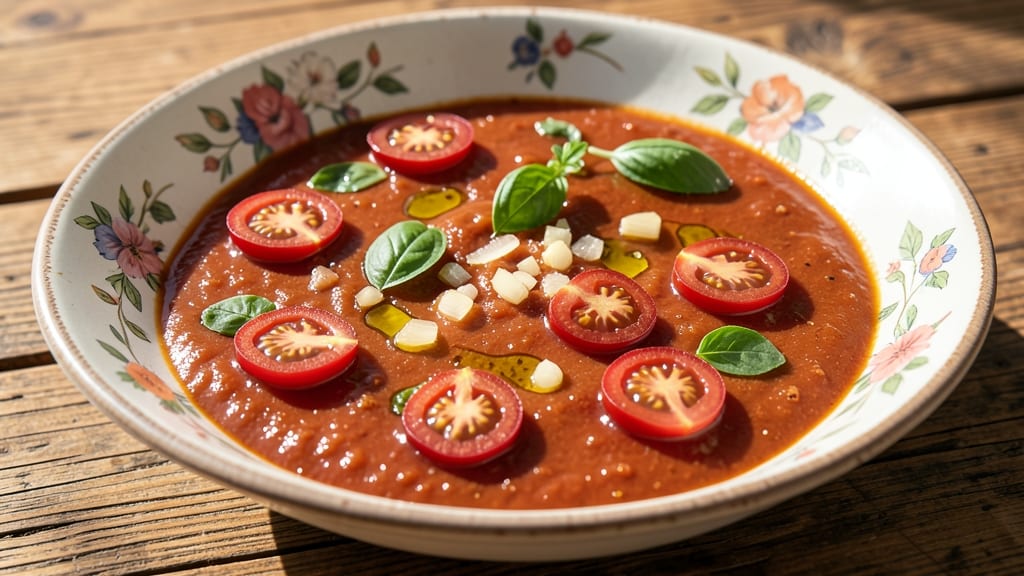
This canned tomato sauce recipe with fresh tomatoes transforms summer's bounty into a vibrant pantry staple that tastes like sunshine in a jar. 🌟 I developed it after years of struggling with store-bought sauces that lacked freshness and depth—this version captures the bright acidity of summer tomatoes while keeping all that garden-fresh flavor.
The secret lies in proper acidification and slow cooking, which preserves both texture and taste.
What makes this sauce truly special is its versatility—use it as a base for pasta, pizza, or braising meat, or enjoy it straight from the jar with crusty bread.
With just five core ingredients (tomatoes, onion, garlic, olive oil, and lemon juice) plus optional herbs, you'll create a sauce that's restaurant-quality without the fuss. The process is straightforward but requires patience to develop those complex flavors.
By the time you're done, you'll have about 4 cups of rich, velvety sauce with just the right balance of sweetness and acidity. The tomatoes break down into a silky consistency while maintaining enough texture to feel homemade, not processed.
This is the kind of sauce that makes you reach for the jar instead of opening a can—every spoonful will remind you why fresh tomatoes are worth the effort.
Perfect for meal prepping, gifting, or simply stocking your pantry with something better than store-bought. The recipe includes clear canning instructions if you want to preserve your harvest for months to come. Let's get started on creating your fresh tomato sauce!"
Ingredients for canned tomato sauce recipe with fresh tomatoes
Five core ingredients plus optional herbs. That's all you need to make vibrant, restaurant-quality tomato sauce.
| Ingredient | Amount | Notes |
|---|---|---|
| Fresh Tomatoes 🍅 | 4 lbs | Ripe, firm, and preferably vine-ripened |
| Yellow Onion 🧅 | 1 whole | Medium size, roughly chopped |
| Garlic Cloves 🧄 | 6 cloves | Peeled, roughly chopped |
| Extra-Virgin Olive Oil 🫒 | ½ cup | High quality, fruity flavor |
| Lemon Juice 🍋 | ¼ cup | Freshly squeezed, about 2 lemons |
| Salt 🧂 | 1 ½ tsp | Kosher or sea salt |
| Black Pepper 🌶️ | ½ tsp | Freshly ground preferred |
| Fresh Basil Leaves 🌿 | ½ cup | Chopped, optional but recommended |
| Fresh Oregano Leaves 🍃 | ¼ cup | Chopped, optional |
The tomatoes are everything here—vine-ripened if you can get them, or at least fully ripe with no green spots. Local farmers markets often have the best selection, but grocery stores work too. Look for tomatoes that smell sweet and give slightly when squeezed. I usually grab a mix of heirloom and Roma varieties for texture. The onion and garlic are just flavor anchors, but don't skip chopping them finely—they need to melt into the sauce completely. For the olive oil, California Extra Virgin brands like Corto or Lucini add that fruity depth that cheap oil can't match.
No fresh basil? Dried oregano at half the amount works in a pinch, but honestly, fresh herbs make all the difference. Short on tomatoes? Canned San Marzano tomatoes (drained) can supplement about 1 lb of fresh ones—just add them at the end to preserve their brightness. The lemon juice is non-negotiable for that bright acidity that cuts through the richness. No fresh lemons? Bottled lemon juice
This sauce keeps beautifully—1 week in the fridge once opened, or up to 12 months
Why You'll Love This Recipe
- No-Chop Nightmare: I swear by this—just halve the tomatoes, toss them in whole with the onion and garlic, and let the pot do the work. The onions soften perfectly without any knife skills, and the garlic? It mellows into sweetness instead of biting you.
- Bright & Deep Umami: That lemon juice twist cuts through the richness of the olive oil while the fresh tomatoes add a brightness canned sauce can’t match. Honestly, the balance of tangy, sweet, and savory is what makes this my pantry go-to.
- Pasta Party Ready: Slap this on spaghetti for a 15-minute dinner, or use it as a base for lasagna that’ll impress guests. I’ll be real: it’s the secret weapon behind my "I cooked" nights—minimal effort, maximum wow.
- Budget-Friendly Staple: A single batch stretches into marinara, bruschetta, or even a quick stew. Between us, this is how I feed my family for days without breaking the bank—just tomatoes, onions, and garlic doing all the heavy lifting.
Step-by-step instructions for canned tomato sauce with fresh tomatoes
Here's how to transform your fresh tomatoes into a vibrant, homemade sauce that beats store-bought every time.
🍳 Step 1: Roast the Tomatoes and Aromatics for Deep Flavor
Preheat your oven to 425°F. On a rimmed baking sheet, spread out the 4 lbs fresh tomatoes, 1 whole yellow onion (roughly chopped), and 6 cloves garlic cloves (peeled and roughly chopped). Drizzle everything with 0.25 cup extra-virgin olive oil, tossing gently until everything is evenly coated.
Roast for 25-30 minutes until the tomatoes begin to soften and blister, and the onions turn golden brown. Here's the thing—roasting caramelizes the natural sugars, creating a sweeter, more complex sauce than raw tomatoes ever could. You'll know it's ready when the tomatoes look wrinkled and the onions are deeply browned around the edges.
🍳 Step 2: Simmer the Roasted Mixture Until Smooth
Transfer the roasted vegetables to a large pot or Dutch oven. Add 0.25 cup lemon juice, 1.5 tsp salt, and 0.5 tsp black pepper. Bring to a gentle boil over medium-high heat, then reduce heat to medium-low and let it simmer uncovered for 20-25 minutes, stirring occasionally.
You want the mixture to break down into a thick, chunky sauce. I press the tomatoes with a wooden spoon to help them release their juices and create a smoother texture. If it gets too thick before it's smooth enough, add 2-3 tablespoons water to loosen it. The sauce should coat the back of a spoon but still have some body.
👨🍳 Step 3: Blend to Perfection and Finish with Herbs
Use an immersion blender to purée the sauce directly in the pot until completely smooth. If you prefer a slightly chunkier texture, pulse briefly instead of blending fully. Here's where the magic happens—I stir in the 0.5 cup fresh basil leaves and 0.25 cup fresh oregano leaves (chopped) and let the sauce simmer for another 5 minutes to infuse their flavors.
The herbs should wilt into the sauce, adding fresh brightness that cuts through the richness of the tomatoes. Taste and adjust seasoning—you might need a little more salt to balance the acidity from the lemon. The sauce should be vibrant red with a glossy sheen from the olive oil, and it should coat the back of a spoon with a velvety consistency.
⏰ Step 4: Store Properly for Maximum Freshness
Let the sauce cool completely, then transfer it to clean, sterilized canning jars. Seal tightly and store in the refrigerator for up to 5 days or process in a water bath canner for 75 minutes for long-term storage. The sauce will thicken slightly as it cools, which is perfect for future meals.
This isn't just a sauce—it's a flavor bomb that elevates everything from pasta to pizza. The bright acidity from the lemon and fresh herbs keeps it from being too heavy, while the roasted tomatoes add depth you won't find in store-bought versions. Trust me, your pantry will never be the same.
Pro Tips For Making Canned Tomato Sauce Recipe With Fresh Tomatoes
- ROAST TOMATOES FIRST: Toss halved tomatoes with olive oil, salt, and a pinch of sugar, then roast at 400°F (200°C) for 20 minutes before adding to the sauce. This concentrates their flavor and softens them into a silky texture—no blender needed. (Yes, even if you’re impatient like me, wait for the edges to char slightly.)
- SWEAT ONIONS LOW AND SLOW: After mincing the onion, cook it in olive oil over medium-low heat for 8–10 minutes until translucent but not browned. Rushing this step turns the sauce bitter, and you’ll end up tasting raw onion in every bite. (I learned this the hard way with a sad, watery sauce.)
- CRUSH GARLIC AFTER COOKING: Add whole garlic cloves to the pot with onions, but remove and crush them after they’re fragrant (about 2 minutes). This prevents burning and gives a sweeter, more balanced garlic flavor. (Your future self will thank you for skipping the sizzle-and-burn phase.)
- BALANCE ACID WITH SALT: Add lemon juice at the end, but taste first—then adjust with a pinch of salt. The acid brightens the sauce, but too much makes it taste sharp. (I was skeptical until I tried it: the salt rounds out the tang perfectly.)
Essential equipment for this dish
Roasting Pan Essentials
Your rimmed baking sheet is the unsung hero of this recipe—it needs to handle 425°F heat without warping. I swear by All-Clad stainless steel sheets because they distribute heat evenly and last forever.
For budget-friendly options, Ozeri 18/8 stainless steel sheets work perfectly. Avoid non-stick pans here—they can't handle the high heat and might release harmful fumes when roasting. 🔥
Immersion Blender
An immersion blender is non-negotiable for this recipe—it lets you blend directly in the pot without transferring hot liquids. My go-to is the Ninja BN601 because it handles thick sauces like a dream and has a 10-speed control for precise blending.
If you're on a budget, the Hamilton Beach 58340 is a solid alternative. Pro tip: Run it for 10-15 seconds at a time to avoid overheating the motor.
Dutch Oven
A Dutch oven is ideal for simmering because it maintains even heat and prevents scorching. I use a Le Creuset 5.5-quart—it's heavy but worth every penny for heat retention. For a more affordable option, the Lodge 5.5-quart enamel is pre-seasoned and handles high heat beautifully.
If you don't have a Dutch oven, a heavy-bottomed stainless steel pot works too, but stir more frequently to prevent sticking.
Canning Supplies
For long-term storage, you'll need USDA-approved canning jars (like Ball or Kerr), a canning rack, and a lid lifter. I also keep a magnetic lid wand handy—it's a game-changer for securing those tricky lids.
If you're new to canning, invest in a water bath canner like the Presto 01400. It's a one-time purchase that will save you money over store-bought sauces. Always sterilize jars and lids before filling to prevent spoilage.
Measuring Tools
Precision matters in this recipe, so don't skimp on measuring tools. A stainless steel measuring cup set (like OXO Good Grips) ensures accuracy, and a digital kitchen scale is perfect for weighing tomatoes if you're feeling fancy.
For herbs, I use a small pair of kitchen scissors to chop fresh basil and oregano quickly. A microplane comes in handy if you're zesting lemon peel for extra brightness—just 1 tsp adds a lovely aromatic touch.
Optional Extras
Want to take your sauce to the next level? A food mill (like the OXO Good Grips) creates ultra-smooth textures without seeds or skins. For roasting, a cast-iron skillet adds extra caramelization—just place it on the baking sheet with the tomatoes.
And if you're feeling adventurous, a garlic press makes mincing those 6 cloves effortless. These tools aren't essential, but they make the process even smoother. 💡
Nutrition facts
Frequently asked questions
Can I use green tomatoes in this recipe?
Green tomatoes work, but they'll yield a less vibrant, more tart sauce. For best results, use fully ripe tomatoes with just a hint of pink or red. If you must use green ones, roast them longer (35-40 minutes) to soften and reduce acidity. The sauce will still be flavorful but with a sharper edge.
How do I adjust the acidity if I don't have fresh lemon juice?
Use 1 tablespoon bottled lemon juice per 0.25 cup of sauce, or substitute with 1 tablespoon white vinegar or apple cider vinegar. Add a pinch of salt to compensate for flavor differences. The key is maintaining pH 4.6 or lower for safe canning—this recipe's lemon content already meets that requirement.
What's the best way to store homemade sauce without canning?
Transfer cooled sauce to airtight containers and refrigerate for up to 5 days. For freezing, portion into 1-cup containers and freeze for up to 3 months. Thaw overnight in the fridge—never microwave directly from frozen. The texture may separate slightly when frozen, but stir well before using.
Can I make this sauce without roasting the tomatoes?
Yes, but the flavor will be less complex. Simmer raw tomatoes with aromatics for 30-40 minutes instead of roasting. For extra depth, add 1 tablespoon tomato paste or a pinch of sugar to compensate for lost caramelization. The sauce will be brighter but less rich.
How do I fix a sauce that's too thick or too thin?
For thick sauce: Thin with warm water or broth, 1 tablespoon at a time. For thin sauce: Simmer uncovered for 10-15 minutes to evaporate excess liquid. Never add flour or cornstarch—it alters the natural tomato flavor. Always taste before adjusting!