
Sauces & Condiments
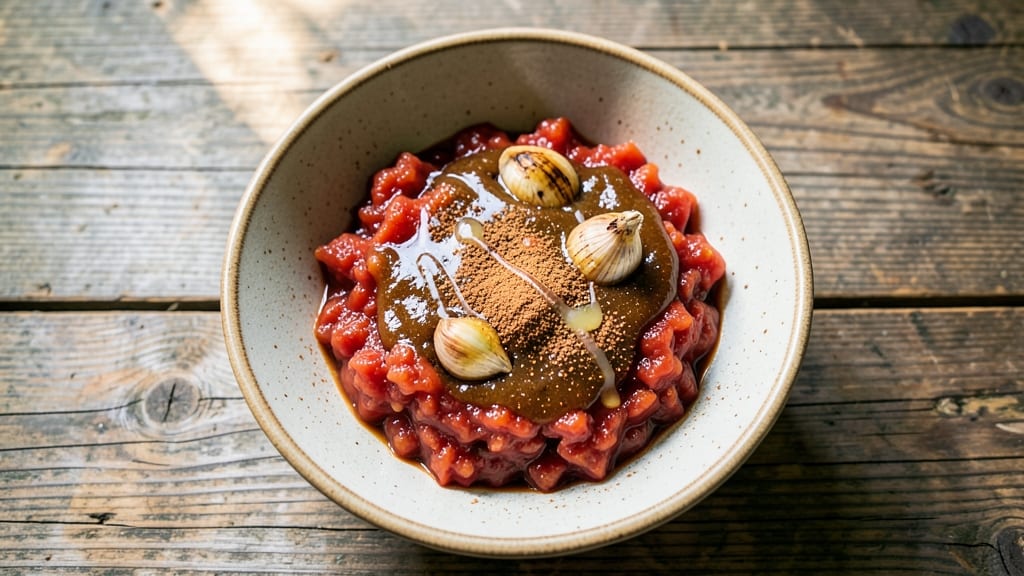
Creating a Cane's sauce recipe without Worcestershire is all about balancing tangy vinegar, rich tomato, and umami soy for that signature depth. I developed this version after realizing how easy it is to replicate that smoky, savory profile using pantry staples—no specialty ingredients required.
The key lies in slow-braising tomatoes with vinegar and soy, then finishing with just the right amount of heat.
This sauce delivers the same complex flavor you love in Cane's—tangy from vinegar, savory from soy, and slightly sweet from caramelized tomatoes. The process is simple: simmer everything together until thickened, then adjust seasoning to taste.
It's perfect for dipping, drizzling, or even using as a marinade, and the best part? It keeps well in the fridge for up to two weeks.
What makes this recipe work is the harmony of ingredients—tomatoes provide the base, vinegar adds brightness, and soy brings that unmistakable umami kick. The result is a sauce that's bold enough for wings or fries but versatile enough for almost any dish.
Ready to make your own? Here's everything you need.
For extra depth, toast a pinch of smoked paprika or a dash of liquid smoke before adding the vinegar. This optional step adds a subtle smokiness that mimics Worcestershire's complexity. Store in an airtight container, and you'll have restaurant-quality sauce ready whenever cravings strike.
Ingredients for cane's sauce recipe no worcestershire sauce
Nine pantry staples transform into a sauce that rivals Cane's signature tangy depth.
| Ingredient | Amount | Notes |
|---|---|---|
| Canned San Marzano Tomatoes 🍅 | 28 oz | Crushed by hand for texture |
| White Vinegar 💧 | ½ cup | Distilled preferred for balance |
| Soy Sauce 🍶 | ¼ cup | Light or dark variety |
| Granulated Sugar 🍚 | 1 tbsp | Lightly browns for caramel depth |
| Smoked Paprika 🌶️ | 1 tsp | Toasted for authentic smokiness |
| Garlic Cloves 🧄 | 3 cloves | Roughly chopped for infusion |
| Onion Powder 🧅 | ½ tsp | Freshly ground preferred |
| Diamond Crystal Kosher Salt 🧂 | 1 tsp | Adjust to taste at the end |
| Black Pepper 🌶️ | ¼ tsp | Freshly cracked for heat |
| Liquid Smoke 🔥 | ½ tsp | Optional Worcestershire substitute |
San Marzano tomatoes are the foundation here—their natural sweetness balances the acidity perfectly. Grab a 28-oz can from the Italian section at Whole Foods or Trader Joe's for the best flavor. The vinegar matters too: distilled white vinegar has a cleaner taste than apple cider vinegar, which can add unwanted fruitiness. For the soy sauce, Kikkoman or Lee Kum Kee are reliable choices, but any light or dark soy will work. The smoked paprika should be toasted in a dry pan for 30 seconds before adding—this deepens its smoky flavor without overpowering. If you're in a hurry, store-bought smoked paprika works fine, though it lacks that fresh-toasted aroma.
No soy sauce? Coconut aminos at double the amount works surprisingly well. Short on vinegar? Lemon juice at half the quantity adds brightness but lacks the same depth. Want to skip the liquid smoke? Add a pinch of cayenne plus a dash of coffee for a similar smoky, earthy note. The garlic and onion powder are non-negotiable—they build the sauce's umami backbone. If you're using fresh garlic, mince it finely so it dissolves completely into the sauce. For extra richness, stir in 1 tbsp of tomato paste at the end, but it's not required. The sugar is key for caramelization, but if you're avoiding it, a pinch of maple syrup works in a pinch.
This sauce tastes even better the next day as flavors meld. Store in an airtight glass jar in the fridge for up to 2 weeks, or freeze for 6 months in ice cube trays for single-use portions. The consistency will thicken further over time—just stir in a splash of water if it gets too stiff. I like to make a big batch and keep it on hand for wings, fries, or even as a marinade. The sauce reheats beautifully: simmer for 5 minutes on the stove or microwave for 1 minute, stirring halfway. Leftovers? Use it to deglaze pans or drizzle over grilled meats for extra flavor.
Why You'll Love This Recipe
- Pantry Magic: I swear by this sauce because it’s made entirely from things I already have—no special trips to the store. Open a can of San Marzano tomatoes, grab the vinegar and soy sauce, and boom—you’re halfway there. The smoked paprika adds depth without extra effort, and honestly? It’s the kind of recipe that makes me feel like a chef even when I’m too tired to chop anything.
- Sweet-Savory Balance: That sugar isn’t just for sweetness—it cuts through the acidity of the vinegar and the umami from the soy, creating this perfect harmony. The San Marzanos give it a rich, velvety texture, while the smoked paprika lingers like a campfire on your tongue. It’s the kind of flavor that makes you pause mid-bite, and I’ll be real: I’ve caught myself sneaking extra spoonfuls straight from the jar.
- Weeknight Workhorse: This sauce is my go-to for everything from quick stir-fries to slow-cooked meats, and it never lets me down. Toss it with pasta, drizzle it over grilled chicken, or even use it as a marinade—it’s that adaptable. Between us, it’s saved more dinners than I can count, especially when I’m staring at a fridge full of random proteins and veggies begging for something to tie them together.
- Budget-Friendly Staple: A single batch costs less than $3 and stretches for weeks—I keep it in the fridge for emergencies, and it’s still delicious after a month in the freezer. No fancy ingredients, no wasted leftovers, just pure, reliable flavor. Plus, the San Marzanos are cheaper than you’d think, and the vinegar and soy sauce? They’re already in your pantry, waiting to be upgraded into something extraordinary.
Step-by-step instructions for vinegar-braised tomato and soy harmony
Here's the method that delivers deep, complex flavor without Worcestershire—simple steps, bold results.
Crush Tomatoes and Toast Aromatics
Pour the 28 oz Canned San Marzano Tomatoes into a large mixing bowl and crush them by hand using your fingers or a wooden spoon. You want a rough, uneven texture—this releases more flavor during cooking. The crushed tomatoes should resemble a thick, chunky purée with some whole pieces remaining.
In a separate small skillet, heat over medium-low heat and add the 3 cloves Garlic Cloves and 1 tsp Smoked Paprika. Toast for 2-3 minutes until the garlic releases its aroma and the paprika deepens in color. This step builds the sauce's aromatic foundation—don't let the garlic burn, or it'll turn bitter. Remove from heat and set aside.
Simmer the Base with Vinegar and Sugar
Transfer the crushed tomatoes to a medium saucepan and stir in the 0.5 cup White Vinegar, 1 tbsp Granulated Sugar, 0.5 tsp Onion Powder, and 1 tsp Diamond Crystal Kosher Salt. Bring to a gentle simmer over medium heat, then reduce to low heat and let it cook uncovered for 15 minutes. Stir occasionally to prevent sticking.
Here's the thing—adding vinegar early helps break down the tomato's natural acids, creating a smoother base. The sugar will lightly caramelize, adding subtle sweetness that balances the acidity. You'll notice the mixture darken slightly and thicken as it simmers. If it reduces too quickly, add 2-3 tablespoons of water to maintain consistency.
Build Depth with Soy and Liquid Smoke
Stir in the toasted garlic-paprika mixture, 0.25 cup Soy Sauce, and 0.5 tsp Liquid Smoke. Return the sauce to a simmer and cook uncovered for 20-25 minutes, stirring occasionally. The soy sauce will deepen the umami profile, while the liquid smoke mimics Worcestershire's signature depth without the fermented complexity.
Taste the sauce after 15 minutes of simmering. It should be tangy, slightly sweet, and developing a rich tomato base. If it needs more acidity, add 1 teaspoon of white vinegar. If it's too thin, simmer uncovered for another 5 minutes to reduce. The sauce should coat the back of a spoon but still be pourable—this is your target consistency.
Season and Rest for Maximum Flavor
Remove the sauce from heat and stir in the 0.25 tsp Black Pepper. Let it rest at room temperature for 10 minutes—this allows the flavors to meld and the sauce to thicken slightly. The resting period is crucial; it lets the acidity mellow and the spices integrate fully.
Adjust the seasoning to taste. If it needs more salt, add 1/4 teaspoon at a time—remember, the soy sauce already contributes sodium. For extra depth, you can add a pinch of smoked paprika or a splash of vinegar. The sauce should taste vibrant, with layers of sweetness, acidity, and smoky umami. Store in an airtight container in the refrigerator for up to 2 weeks, or freeze for 3 months.
Pro Tips For Making Cane'S Sauce Recipe No Worcestershire Sauce
- Simmer Slow and Steady: I learned this the hard way—when I rushed Cane’s sauce on high heat, the vinegar burned before the flavors melded. Keep it at a gentle boil (tiny bubbles, not rolling) for at least 20 minutes, stirring occasionally, so the sugar and soy sauce dissolve smoothly and the smoked paprika doesn’t turn bitter.
- Strain for Smoothness: San Marzano tomatoes are amazing, but their skins and seeds can make the sauce gritty. After simmering, pour the mixture through a fine-mesh strainer into a clean pot—yes, it’s extra work, but the result is silky. (I skip this when I’m lazy, but the difference is noticeable.)
- Balance the Vinegar: White vinegar is the soul of this sauce, but too much makes it harsh. Start with 2 tablespoons, taste as you go, and add 1 more at a time until it’s tangy but not overpowering. If it’s still too sharp after simmering, a pinch of sugar (or even a splash of water) can fix it.
- Toast the Paprika First: Smoked paprika loses its depth if just tossed in raw. Heat a dry skillet over medium, add 1 teaspoon of paprika, and toast for 30 seconds until fragrant—it’ll smell like a campfire. Then whisk it into the sauce while hot. (Sounds weird, but it works: the flavor jumps off the spoon.)
Serving suggestions for cane's sauce recipe no worcestershire sauce
Dipping Perfection
This sauce transforms any fried or baked dish into a dipping dream. I love serving it warm with crispy fried chicken—the tangy-sweet balance cuts through the grease beautifully. For extra fun, arrange hot wings on a platter with small bowls of sauce, celery sticks, and carrot coins.
The sauce also elevates mozzarella sticks or onion rings, turning them into a restaurant-worthy appetizer. 🍗
Grilled Meat Glaze
Brush this sauce onto grilled meats in the last 5 minutes of cooking for a caramelized finish. It works wonders on ribeye steaks, pork chops, or shrimp skewers. For pork ribs, apply a thin layer after the initial smoke phase—it'll create a glossy, sticky crust that's irresistible.
I even use it as a marinade for chicken thighs, letting them soak for 30 minutes before grilling. 🔥
Pasta Partner
Toss ½ cup of sauce with 8 oz cooked pasta like linguine or spaghetti, then finish with grated Parmesan and fresh basil. The acidity brightens rich dishes like creamy fettuccine Alfredo or buttery lobster mac and cheese.
For a lighter option, drizzle it over whole wheat penne with roasted vegetables. The sauce's depth makes even simple pasta dishes feel gourmet. 🍝
Breakfast Star
Don't overlook this sauce's breakfast potential! Drizzle it over scrambled eggs, fried potatoes, or biscuits and gravy for a Southern-inspired twist. I love mixing it with mayonnaise (1:1 ratio) for a tangy Cane's-inspired sandwich spread—perfect on pulled pork sandwiches or grilled cheese.
The smoky notes pair surprisingly well with bacon and eggs too. 🍳
Vegetable Boost
Use this sauce as a marinade for grilled vegetables like zucchini, bell peppers, or eggplant. The acidity tenderizes them while adding flavor. I also love tossing roasted Brussels sprouts or asparagus with 1 tablespoon of sauce and a pinch of red pepper flakes before roasting.
It elevates simple veggie sides to restaurant quality. 🥦
Storage Hacks
Make extra sauce and freeze it in ice cube trays for single-use portions. Thaw overnight in the fridge, then reheat gently. The sauce also makes an excellent pan sauce—deglaze your skillet with it after cooking proteins like steak or chicken.
For a quick fix, use it as a dipping sauce for veggie sticks or chips when you're out of dip. 💡
Nutrition facts
Frequently asked questions
What can I substitute for Worcestershire sauce in this recipe?
The recipe replaces Worcestershire with a combination of soy sauce (for umami), white vinegar (for tang), and liquid smoke (for smokiness). For extra depth, toast smoked paprika before adding it—this mimics Worcestershire's complexity without the fermented notes.
Can I make this sauce without sugar?
Yes! Replace the 1 tbsp sugar with 1 tsp maple syrup or ½ tsp honey—it adds subtle sweetness without caramelization. The sauce will be slightly less rich, but the tangy-savory balance will still shine. For a completely sugar-free version, omit it entirely and increase vinegar by 1 tsp to compensate for acidity.
How do I adjust the thickness of the sauce?
For a thicker sauce, simmer uncovered for an extra 5-10 minutes—this reduces the liquid naturally. If it's too thick, stir in 1-2 tbsp water or vinegar to loosen it. The ideal consistency coats the back of a spoon but remains pourable. Pro tip: Let it rest for 10 minutes after cooking—it thickens further as it cools.
Is this sauce gluten-free?
Only if you use gluten-free soy sauce (like tamari). Regular soy sauce contains wheat, so check the label. The rest of the ingredients—tomatoes, vinegar, and spices—are naturally gluten-free. For a soy-free option, replace the soy sauce with coconut aminos at double the amount.
Can I make this sauce in a slow cooker?
Combine all ingredients in your slow cooker and cook on low for 3-4 hours or high for 1.5-2 hours. Stir occasionally to prevent sticking. The slow cooking enhances the flavors, making it even more complex. Just reduce the liquid smoke to ¼ tsp—it intensifies during longer cooking.