
Sauces & Condiments
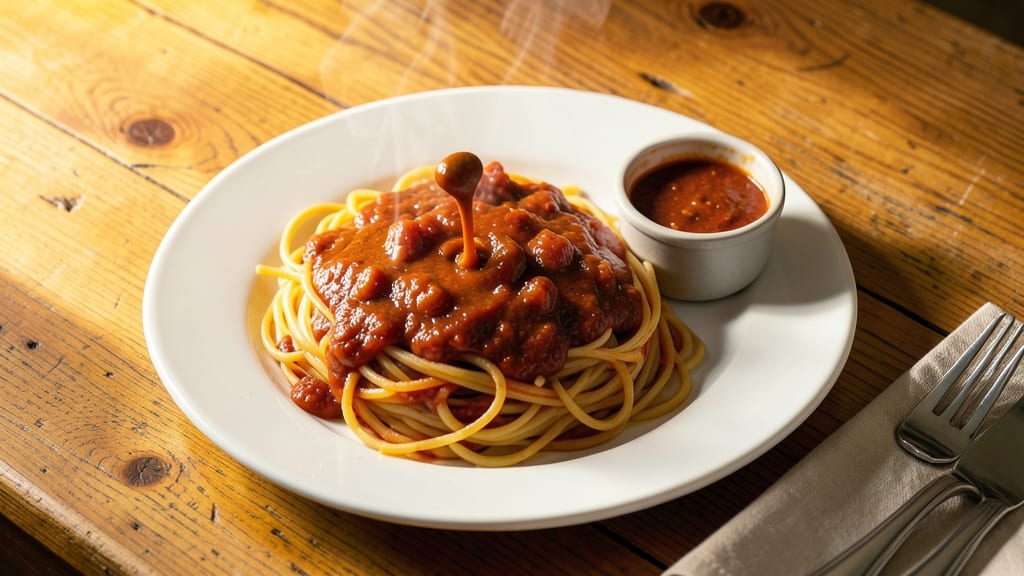
Making a homemade spaghetti sauce that rivals Campbell's classic is easier than you think—just a few simple ingredients and a little patience. I've been perfecting this slow-simmered version for years, and it delivers that rich, umami-packed flavor you love without the artificial aftertaste.
The secret lies in letting it cook low and slow, allowing all those flavors to meld together into something truly special.
This recipe focuses on the sauce itself, so you can use it fresh or store it for later—perfect for meal prep or when you're craving that familiar comfort-food taste. We're talking deep tomato flavor, aromatic herbs, and just the right amount of seasoning that makes every spoonful satisfying.
No fancy techniques here, just good old-fashioned cooking that transforms basic ingredients into something extraordinary.
By the time you're done, you'll have a thick, velvety sauce with layers of flavor that cling to every noodle. The slow simmer brings out the natural sweetness of the tomatoes while building depth through caramelization and spice blooming.
It's the kind of sauce that makes even the simplest pasta dinner feel like a restaurant-quality meal.
Whether you're feeding a family or saving leftovers for later, this spaghetti sauce delivers consistent, restaurant-style results every time. Let's get started—your kitchen is about to smell amazing.
Ingredients for campbell's spaghetti sauce
Eleven simple ingredients transform into a rich, umami-packed sauce that rivals Campbell's classic.
| Ingredient | Amount | Notes |
|---|---|---|
| Extra-Virgin Olive Oil 🫒 | ½ cup | High-quality, fruity variety preferred |
| Yellow Onion 🧅 | 1 whole | Medium size, finely diced |
| Garlic Cloves 🧄 | 4 cloves | Fresh, peeled and minced |
| San Marzano Tomato Cans 🍅 | 28 oz | Whole peeled tomatoes, crushed by hand |
| Tomato Paste 🍅 | 1 tbsp | Squeeze tube or canned |
| Dried Oregano 🍃 | 2 tsp | Italian or Mediterranean blend |
| Dried Basil 🌿 | 1 tsp | For fresh flavor without bitterness |
| Ground Black Pepper 🌶️ | ½ tsp | Freshly cracked for best flavor |
| Diamond Crystal Kosher Salt 🧂 | 1 ½ tsp | Adjust to taste after simmering |
| Red Wine 🍷 | ½ cup | Dry, bold variety like Cabernet |
| Beef Broth 🥫 | 1 cup | Low-sodium preferred |
The tomatoes are the heart of this sauce, so San Marzano cans are worth the splurge—they're sweeter and less acidic than regular tomatoes. Most grocery stores carry them, but if you can't find them, any high-quality canned tomatoes will work. The red wine adds depth, so grab a bottle you'd drink—Cabernet Sauvignon or Merlot both work well. Fresh garlic and onion are non-negotiable here; the flavor difference is night and day compared to powdered versions. For the beef broth, low-sodium options give you more control over the final seasoning. I always buy extra tomatoes and broth to have on hand for quick meals.
No red wine? Substitute extra beef broth with a splash of balsamic vinegar—it mimics the acidity. Fresh basil is ideal, but dried basil at half the amount works in a pinch. If you're avoiding alcohol, grape juice works surprisingly well. The tomato paste can be skipped if you're short on time, but it adds that concentrated umami flavor that makes this sauce sing. For a meatier version, add 1 cup of finely chopped mushrooms with the onions. The sauce thickens as it cooks, so if you prefer it thinner, add 1-2 tbsp of water or broth at the end.
This sauce tastes even better the next day as the flavors meld. Store in an airtight container in the fridge for up to 5 days or freeze for 3 months. I portion mine into 1-cup containers for easy reheating—just pop one in the microwave for 1-2 minutes. For a restaurant-style touch, finish with a drizzle of extra-virgin olive oil and a sprinkle of fresh basil right before serving. The slow simmer caramelizes the flavors, so don't rush it—patience is key for that deep, rich taste.
Why You'll Love This Recipe
- No-Fuss Weeknight Win: I swear by this sauce because it’s the kind of recipe that doesn’t demand perfection—just a knife, a pot, and 15 minutes. Sauté the onion and garlic in that golden olive oil until the kitchen smells like a little Italian paradise, then dump in the tomatoes and paste. Boom. Done. The San Marzanos melt into a velvety base without a single burned bit of tomato paste clinging to the bottom.
- Umami Bomb: Between us, the tomato paste here is non-negotiable. It’s the secret weapon—roasted until it darkens just enough to deepen the flavor, then deglazed with a splash of water so it dissolves into something rich and caramelized. The San Marzano tomatoes add that bright, juicy punch, but the paste? That’s what makes it dangerously good—like a slow-cooked Sunday sauce in half the time.
- Leftovers That Don’t Suck: I make this sauce twice in the same week because it’s the kind of thing that only gets better after sitting. The flavors meld overnight, and reheating it? No sad, watery texture—just layers of flavor that somehow taste even more complex. Freeze half for lazy Mondays, or use it to jazz up scrambled eggs the next morning. (Yes, even on a Tuesday night.)
- Budget Meal Upgrade: Honestly, this recipe costs me less than $5 for enough sauce to feed four people—and it feels like a restaurant dish. The olive oil and garlic are the only splurges, but they’re worth it for that rich, aromatic base. No fancy ingredients, no last-minute grocery runs. Just good, honest pasta sauce that makes even the simplest plate feel special. My college-student self would’ve cried.
Step-by-step instructions for slow-simmered umami sauce
Here's how to build deep, layered flavor using only pantry staples and simple technique.
Develop the Base with Olive Oil and Aromatics
Heat the 0.5 cup extra-virgin olive oil in a heavy-bottomed Dutch oven over medium-low heat. Let it warm for 2-3 minutes until shimmering but not smoking—this prevents burning the delicate onion and garlic. Add the 1 whole yellow onion, diced into even ¼-inch pieces, and cook for 8-10 minutes until the edges turn translucent and the onion releases its natural sweetness.
Here's the thing—don't rush this step. The onion needs time to break down completely, forming the flavor foundation. When it's ready, you'll see the pieces soften and begin to stick lightly to the pan. Stir occasionally to prevent browning. Add the 4 cloves garlic cloves, minced, and cook for 30 seconds until fragrant but not colored. This quick cooking preserves their bright flavor without bitterness.
Build Depth with Tomato Paste and Wine
Push the onion mixture to one side of the pot and add the 1 tbsp tomato paste. Stir for 1 minute to toast it slightly—this deepens the umami flavor. Pour in the 0.5 cup red wine and scrape up any browned bits from the bottom with a wooden spoon. Let it simmer for 3-4 minutes until reduced by half, allowing the alcohol to cook off and concentrate the flavor.
Real talk: this is where the magic happens. The wine's acidity cuts through the richness of the olive oil, while the toasted tomato paste adds a caramelized depth that store-bought sauces can't match. You'll notice the mixture darken slightly and develop a rich, winey aroma. If it reduces too quickly, just lower the heat slightly—patience here ensures a complex sauce.
Incorporate Tomatoes and Seasonings
Add the 28 oz San Marzano tomato cans, crushed by hand to release natural juices, along with the 1 cup beef broth. Stir well to combine, then add the 2 tsp dried oregano, 1 tsp dried basil, 0.5 tsp ground black pepper, and 1.5 tsp diamond crystal kosher salt. Bring the mixture to a gentle simmer over medium heat, then reduce to the lowest setting that maintains a steady bubble at the surface.
This is the moment that matters: let the sauce simmer uncovered for 45-60 minutes. The gentle heat allows the flavors to meld and the sauce to thicken naturally. You'll see the liquid reduce significantly, and the sauce will develop a glossy sheen and rich color. Stir occasionally to prevent sticking, and taste after 30 minutes—adjust salt if needed, but remember you can always add more later.
Refine and Rest for Maximum Flavor
Once the sauce has thickened to your desired consistency—it should coat the back of a spoon but still be pourable—remove it from heat. Let it rest for 10-15 minutes at room temperature. This resting period allows the flavors to fully develop and the sauce to settle, making it even more cohesive and flavorful when you return it to heat later.
I know it seems counterintuitive to turn off the stove when the sauce is done, but trust me—this step makes all the difference. The sauce will continue to deepen in flavor during this time, and it gives you a chance to adjust the seasoning one final time. If it's too thick after resting, simply add a splash of hot water or broth to reach your preferred consistency. Serve immediately over al dente pasta for the ultimate umami-rich experience.
Pro Tips For Making Campbell'S Spaghetti Sauce
- Sear the Onion First: Don’t just chop and toss—cook the onion in olive oil over medium-low heat until it’s translucent and just starting to soften, about 5-6 minutes. I learned this the hard way: skipping this step leaves the sauce tasting raw and dull. The slow cook turns that sharp onion bite into sweet, mellow flavor.
- Crush Garlic Like Mad: Mince those cloves finely—almost to a paste—so they dissolve into the sauce instead of sitting as little almond-shaped chunks. I used to just chop them, and they’d linger like tiny flavor bombs. A few seconds extra with a knife or garlic press makes all the difference.
- Bloom the Tomato Paste: Cook the tomato paste in the pot for 2-3 minutes before adding the crushed tomatoes. This step deepens the umami and prevents the sauce from tasting flat. I was skeptical until I tried it—now it’s non-negotiable.
- Simmer, Don’t Boil: Keep the sauce at a gentle simmer, not a rolling boil, after adding the tomatoes. Boiling burns the acidity and makes the sauce taste harsh. A steady, low bubble lets the flavors meld properly—about 20-25 minutes, stirring occasionally. (Yes, even if you’re impatient like me.)
Wine and beer pairings for this campbell's spaghetti sauce
Red Wine Pairings
This rich, slow-simmered sauce pairs beautifully with bold red wines that complement its deep tomato and umami flavors. I always reach for a Chianti Classico—its bright acidity and cherry notes cut through the sauce's richness while enhancing its herbal complexity.
For something smoother, try a Montepulciano d'Abruzzo with its velvety texture and dark fruit undertones. Both wines bridge the gap between the sauce's savory depth and the freshness of your pasta. 🍷
Italian White Wine
If you prefer white wine, opt for a crisp Pinot Grigio from Alto Adige or a Vermentino from Sardinia. These wines provide enough acidity to balance the sauce's richness without overwhelming its tomato-forward flavor.
The mineral notes in Vermentino, in particular, create a refreshing contrast that makes each bite feel lighter. I've found that chilling these whites slightly enhances their ability to cleanse the palate between spoonfuls.
Beer Pairings
For beer lovers, a Malty Amber Ale like Fat Tire from New Belgium Brewing works surprisingly well. The caramel and biscuit notes in the beer mirror the sauce's slow-cooked sweetness, while its moderate bitterness provides a nice counterpoint.
If you prefer something lighter, a German Helles Lager offers a clean, crisp finish that lets the sauce's flavors shine. The key is avoiding overly hoppy beers that might clash with the sauce's richness.
Rosé for Versatility
A dry Provençal Rosé is my go-to for versatility—its red fruit flavors and subtle earthiness harmonize perfectly with the sauce's tomato base. Look for one with good acidity, like Whispering Angel, to ensure it doesn't become cloying.
Rosé's pink hue also makes it a visually appealing choice for casual pasta nights. I've even enjoyed pairing this sauce with a Spanish Garnacha Rosado for a Mediterranean twist.
Non-Alcoholic Options
Don't drink alcohol? No problem. A sparkling Italian San Pellegrino Aranciata with its blood orange flavor adds a refreshing contrast to the sauce's depth. For something more savory, try a tomato-based sangria made with red wine, tomato juice, and a splash of sherry.
The acidity and fruit notes create a delightful balance that still feels celebratory. I often make a quick batch by mixing ½ cup tomato juice with ½ cup sparkling water and a squeeze of lemon.
Seasonal Adjustments
In summer, I like to pair this sauce with a light, citrusy Sauvignon Blanc to highlight the fresh herbs in the sauce. For winter, a full-bodied Zinfandel with its spice notes complements the sauce's deeper, caramelized flavors.
The key is matching the wine's intensity to the sauce's current profile—lighter wines for summer versions, bolder wines for winter. This approach keeps every pairing feeling fresh and intentional. ✨
Nutrition facts
Frequently asked questions
Why does this sauce taste different from store-bought?
This homemade version delivers deeper flavor through slow simmering (45-60 minutes) that develops caramelized notes and melds spices naturally. Store-bought sauces use preservatives and artificial flavors for shelf stability, while this recipe focuses on real ingredients and patience for authentic umami richness. The red wine and beef broth also add complexity that canned versions lack.
Can I make this sauce without red wine?
Substitute the 0.5 cup red wine with 0.5 cup beef broth plus 1 tbsp balsamic vinegar for similar acidity. Or use 0.5 cup grape juice for a sweeter alternative. The wine's purpose is to deepen flavor through alcohol reduction—these substitutes mimic that effect without alcohol. Adjust seasoning slightly after simmering.
How do I prevent the sauce from getting too thick?
If your sauce thickens too much during simmering, simply add 1-2 tbsp hot water or broth and stir well. For extra insurance, keep the heat at the lowest setting that maintains a gentle bubble. The sauce will continue thickening as it cools, so it's better to err on the thinner side while cooking. If it's still too thick after resting, add another splash of liquid before serving.
What's the best way to store leftovers?
Transfer cooled sauce to an airtight container and refrigerate for up to 5 days. For longer storage, freeze in 1-cup portions for easy reheating. Thaw overnight in the fridge or microwave for 1-2 minutes before using. The flavors actually improve after resting, making it perfect for meal prep. Always reheat thoroughly to 165°F before serving.
Can I use this sauce for other dishes besides pasta?
This versatile sauce works beautifully on polenta, grilled chicken, or even pizza. Its rich tomato base pairs well with proteins like meatballs or sausage. For a heartier version, mix with cooked ground beef or lentils. The slow-simmered depth makes it perfect for braising vegetables too—just add mushrooms or zucchini at the end of cooking.