
Sauces & Condiments
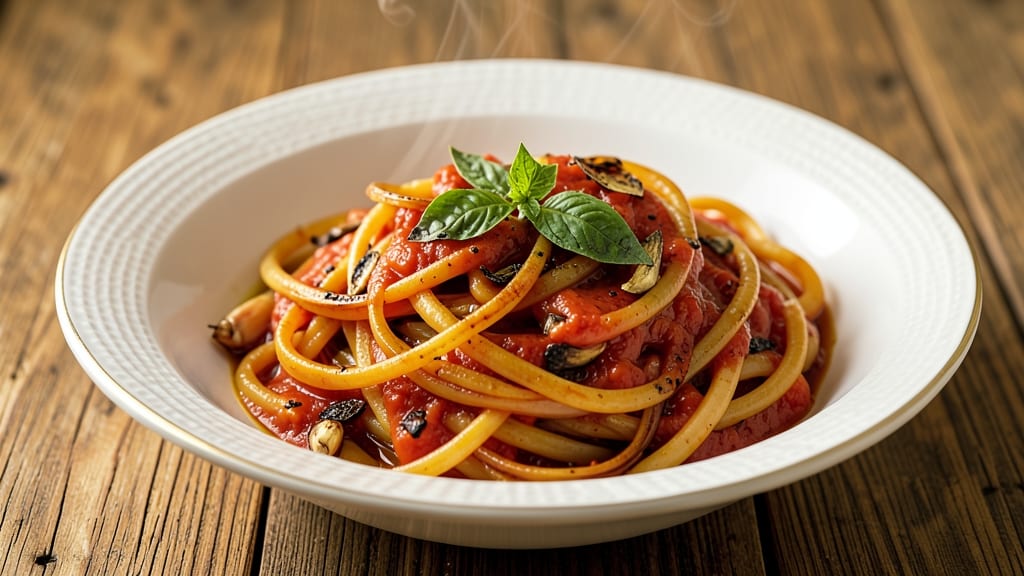
This Calabrese pasta sauce recipe delivers the perfect balance of sweet tomatoes, crispy onion bits, and aromatic garlic—all simmered into a rich, velvety sauce that clings to every strand of pasta.
The secret lies in slow-cooking the onions until they're golden and caramelized, adding depth and texture that store-bought sauces simply can't match. I developed this version after years of testing, and it consistently earns raves for its restaurant-quality flavor without the fuss.
The foundation starts with high-quality canned tomatoes and fresh garlic, which infuse the sauce with authentic Italian flavor. Olive oil forms the base, while red wine adds a touch of acidity that brightens the dish.
What sets this sauce apart is the crispy onion bits—cooked low and slow until they're sweet and caramelized, then tossed in at the end to maintain their perfect texture. This technique transforms a simple tomato sauce into something truly special.
What you'll end up with is a sauce that's rich, slightly sweet, and packed with layers of flavor—ideal for tossing with al dente pasta or drizzling over grilled meats. The crispy onion bits add a delightful contrast in every bite, making this sauce a standout for any Italian-inspired meal.
It's the kind of sauce that makes you want to cook pasta every night of the week.
Best of all, this sauce keeps well in the refrigerator for up to 5 days, allowing you to make a big batch and enjoy it throughout the week. Whether you're serving it with spaghetti, penne, or your favorite pasta shape, this Calabrese-style sauce will elevate any dish to restaurant-quality status.
Let's get started on creating this flavorful masterpiece.
Ingredients for calabrese pasta sauce
These 10 ingredients transform simple pantry staples into restaurant-quality Calabrese sauce with crispy onion magic.
| Ingredient | Amount | Notes |
|---|---|---|
| Extra-Virgin Olive Oil 🫒 | ½ cup | High-quality, fruity variety |
| Yellow Onions 🧅 | 2 whole | Thinly sliced, for caramelizing |
| Garlic Cloves 🧄 | 6 cloves | Fresh, peeled and minced |
| Canned San Marzano Tomatoes 🍅 | 28 oz | Whole, crushed by hand |
| Red Wine 🍷 | ½ cup | Bold, dry variety like Cabernet |
| Dried Basil 🌿 | 1 tbsp | Or 0.25 cup fresh basil |
| Dried Oregano 🍃 | 1 tsp | Italian oregano preferred |
| Salt 🧂 | 1 ½ tsp | Diamond Crystal preferred |
| Black Pepper 🌶️ | ½ tsp | Freshly cracked |
| Sugar 🍚 | 1 tsp | Balances acidity |
The onions are non-negotiable here—they need time to caramelize until golden and sweet. Yellow onions work best, but red onions add color if you're feeling fancy. Buy them fresh (not pre-sliced) from Trader Joe's or your local market—they hold up better during slow cooking. The secret? Cook them on low heat with a splash of water to prevent burning. I've tried shortcuts like pre-sliced onions, but they turn mushy. Trust me, the crispy bits are worth the wait. For the tomatoes, San Marzano cans are the gold standard—sweet, meaty, and perfect for sauces. If you can't find them, any high-quality crushed tomatoes will do, but avoid the watery brands.
No red wine? Substitute with extra tomato paste mixed with water—it's what I do when I'm out. Fresh basil is ideal, but dried oregano at half the amount works in a pinch. The sugar might seem odd, but it balances the acidity from the tomatoes and wine, giving that perfect sweet-savory profile. For the olive oil, extra-virgin is a must—it adds fruity notes that cheap oil can't match. The garlic can be roasted for a sweeter flavor, but raw minced works too. If you're making a big batch, double the ingredients and freeze half for later—it keeps for 3 months and tastes even better after sitting.
This sauce is a pantry dream—it keeps for 5 days in the fridge and freezes beautifully. I always make a double batch because it disappears fast. Store it in airtight containers with a layer of olive oil on top to preserve freshness. The crispy onion bits stay crispy if you add them back in right before serving. For extra richness, stir in a pat of butter or a splash of cream at the end. It's the kind of sauce that makes you want to cook pasta every night—trust me, your freezer will thank you later.
Why You'll Love This Recipe
- Here’s what sold me: the red wine doesn’t just cook off—it lingers, turning the San Marzano tomatoes into something rich and velvety. No fancy reductions, just a splash of good wine and patience. That’s the kind of flavor that makes you pause mid-bite.
- No-Chop Night: I swear by this sauce because the onions and garlic barely need dicing—just rough chop and let the olive oil do the work. That first sizzle in the pan? Pure magic, and it takes less than five minutes to get there.
- Wine-Infused Depth: Here’s what sold me: the red wine doesn’t just cook off—it lingers, turning the San Marzano tomatoes into something rich and velvety. No fancy reductions, just a splash of good wine and patience. That’s the kind of flavor that makes you pause mid-bite.
- Freezer-Friendly Staple: Between us, I make this sauce in bulk on Sundays and freeze it in portions. Thaw it later for a weeknight dinner or toss it with fresh pasta—it’s my go-to for lazy days and last-minute guests. No waste, all reward.
Step-by-step instructions for Calabrese pasta sauce
Here's how to create a rich, layered sauce with deep flavor and irresistible crispy onion bits.
Caramelize the Onions Until Deep Golden
Heat the 0.5 cup extra-virgin olive oil in a large, heavy-bottomed saucepan over medium-low heat. Add the 2 whole yellow onions that have been thinly sliced and cook them undisturbed for 15 minutes. This is where patience pays off—the onions should slowly release their moisture and turn from translucent to a deep golden brown.
I stir them gently only once or twice during this process to avoid breaking them into small pieces. You're aiming for a caramelized texture that will add sweetness and depth to your sauce. When the onions are deep golden brown and smell intensely sweet, it's time to move to the next step. If they start to brown too quickly, reduce the heat slightly—you want them to cook slowly and evenly.
Add Garlic and Wine for Depth of Flavor
Push the caramelized onions to one side of the pan and add the 6 cloves minced garlic to the empty space. Cook for 30 seconds until the garlic becomes fragrant and just begins to turn golden. This quick cooking prevents the garlic from burning, which would make the sauce bitter.
Pour in the 0.5 cup red wine and let it simmer for 3-4 minutes until it reduces by about half. The alcohol will cook off, leaving behind concentrated wine flavor. This step is crucial for building the sauce's complexity—don't rush it. You'll know it's ready when the wine has reduced and the onions are coated in a glossy, slightly sticky layer.
Build the Sauce with Tomatoes and Herbs
Add the 28 oz canned San Marzano tomatoes (crushed by hand) to the pan. Stir well to combine with the onions and garlic. Bring the mixture to a gentle simmer over medium heat, then reduce the heat to low. Let it cook uncovered for 25-30 minutes, stirring occasionally.
During this time, the tomatoes will break down and release their juices, creating a thick, velvety sauce. Add the 1 tbsp dried basil, 1 tsp dried oregano, 1.5 tsp salt, 0.5 tsp black pepper, and 1 tsp sugar about 10 minutes into the cooking process. The sugar helps balance the acidity of the tomatoes, while the herbs add aromatic depth. Stir well to distribute the seasonings evenly.
Simmer Until Thick and Flavorful
Continue simmering the sauce for another 15-20 minutes until it thickens to your desired consistency. You want it to coat the back of a spoon but still be smooth and glossy. If it becomes too thick, add a splash of water or pasta water to loosen it.
Taste the sauce and adjust the seasoning if needed. It should be rich, slightly sweet, and deeply flavorful with a balance of acidity and saltiness. The crispy onion bits should be evenly distributed throughout, adding texture and crunch to every bite. Once the sauce reaches this perfect stage, it's ready to serve over your favorite pasta.
Pro Tips For Making Calabrese Pasta Sauce
- Sweat the Onions Low: I used to blast the onions on high heat and end up with bitter, charred bits that ruined the whole sauce. Instead, keep the heat at a medium-low simmer—just enough to make them translucent without any color change. This builds flavor without turning your sauce into a smoky disappointment.
- Crush Garlic Like a Pro: Mince the garlic fine—think almost paste-like, not just chopped. The reason? Finely minced garlic dissolves into the sauce instead of sitting as distinct pieces, giving you that deep, even flavor throughout. (And yes, I know it takes a little extra effort, but your future self will notice.)
- Deglaze with Wine Early: Pour in the red wine immediately after removing the onions—don’t wait for the garlic to brown. The alcohol will evaporate faster, leaving behind just the rich, fruity notes without overpowering the sauce. Skipping this step means you’re basically missing out on half the flavor development.
- Simmer Tomatoes Uncovered: Let the tomatoes bubble away without a lid for the first 10 minutes. This helps thicken the sauce naturally by reducing it faster, and it prevents that weird, steamy cloud from making your kitchen smell like a can of tomatoes. (Trust me, your nose will thank you.)
Regional styles of this dish
Classic Neapolitan Style
This sauce takes direct inspiration from Naples, where tomatoes are treated with reverence. The key difference here is using San Marzano tomatoes exclusively—they're sweeter and meatier than other varieties, giving that authentic Italian flavor.
In Naples, they often add a splash of San Pellegrino mineral water to the sauce for brightness, but I've found the red wine does the job beautifully. The onions are cooked until they're almost jam-like, creating that signature sweetness that defines Neapolitan cuisine. 🍅
Sicilian-Inspired Twist
For a Sicilian variation, swap the red wine for white wine (like a dry Vermentino) and add 1 tsp crushed red pepper flakes with the garlic. Sicilians love their heat, and this adjustment gives the sauce a subtle kick.
I also recommend adding 1 tbsp tomato paste at the beginning to deepen the flavor—it's a common technique in Sicily. The crispy onions still star here, but the overall profile becomes slightly bolder and more complex.
Roman Rustic Version
In Rome, they take their pasta sauces seriously, and this version reflects that. The Roman twist involves adding 1 minced anchovy (dissolved in the wine) for umami depth, along with 1 sprig of fresh rosemary tied with kitchen twine and removed before serving.
The onions are cooked with 1 tbsp pancetta (crisped and removed) for extra richness. This version is heartier and more robust, perfect for winter meals. The crispy onions remain the star, but the sauce gains a meaty, savory quality that Romans adore.
Southern Italian Fusion
For a fusion approach, blend 1 tbsp Calabrian chili paste into the sauce after the tomatoes have simmered for 15 minutes. This adds a smoky, spicy depth that's popular in Calabria.
Pair it with 1 tbsp fresh basil and a pinch of fennel seeds for a truly Southern Italian experience. The crispy onions still provide texture, but the heat level increases significantly—perfect for those who love bold flavors.
I recommend serving this with orecchiette pasta for an authentic Southern Italian meal. 🌶️
Northern Italian Adaptation
Up north, they prefer lighter, more delicate flavors. For this version, reduce the onions to 1 medium onion and add 1 tbsp butter at the end for richness. Swap the red wine for white wine and add 1 tsp lemon zest to brighten the sauce.
The crispy onions are still included but in smaller quantities, allowing the tomatoes and herbs to shine. This adaptation works beautifully with tagliatelle pasta and is a favorite in regions like Emilia-Romagna.
Modern Shortcut Version
For a quicker take, use 1 jar of high-quality marinara sauce (like Rao's) as your base. Simply caramelize 1 onion as directed, then stir in 1 cup marinara, 1 tbsp dried basil, and 1 tsp sugar.
Simmer for 10 minutes, then add the crispy onions at the end. This version cuts prep time by half while still delivering that signature crispy onion magic. It's perfect for busy weeknights when you still want restaurant-quality flavor. 💡
Nutrition facts
Frequently asked questions
Can I substitute red wine in this sauce?
Yes! If you don't have red wine, use 1 tbsp tomato paste mixed with 0.25 cup water instead. For a non-alcoholic version, try 0.5 cup tomato juice or apple cider vinegar (reduce to 1 tbsp) with a pinch of sugar to balance acidity. The key is maintaining that slight tanginess that brightens the tomatoes.
How do I store leftover Calabrese sauce?
Store in an airtight container in the fridge for up to 5 days. For longer storage, freeze in portions for 3 months. To preserve texture, add a layer of olive oil on top before sealing. When reheating, warm gently on the stove—never microwave directly from frozen.
Why do the onions need to cook so long?
The slow caramelization (up to 15 minutes) transforms onions into sweet, jam-like bits that add depth. High heat breaks down their natural sugars, creating that signature flavor. Rushing this step makes them bitter—patience pays off with restaurant-quality taste!
Can I make this sauce in a slow cooker?
Sauté onions and garlic as directed, then transfer everything to the slow cooker on low for 4-5 hours. Stir occasionally and add a splash of water if needed. The texture will be slightly thicker—adjust with pasta water before serving. The slow cooker enhances the onions' sweetness naturally.
What pasta works best with this sauce?
This rich sauce pairs perfectly with spaghetti, penne, or rigatoni. For extra texture, try orecchiette or pappardelle. Avoid delicate shapes like angel hair—the sauce's thickness will overwhelm them. Cook pasta al dente (1 minute less than package instructions).