
Sauces & Condiments
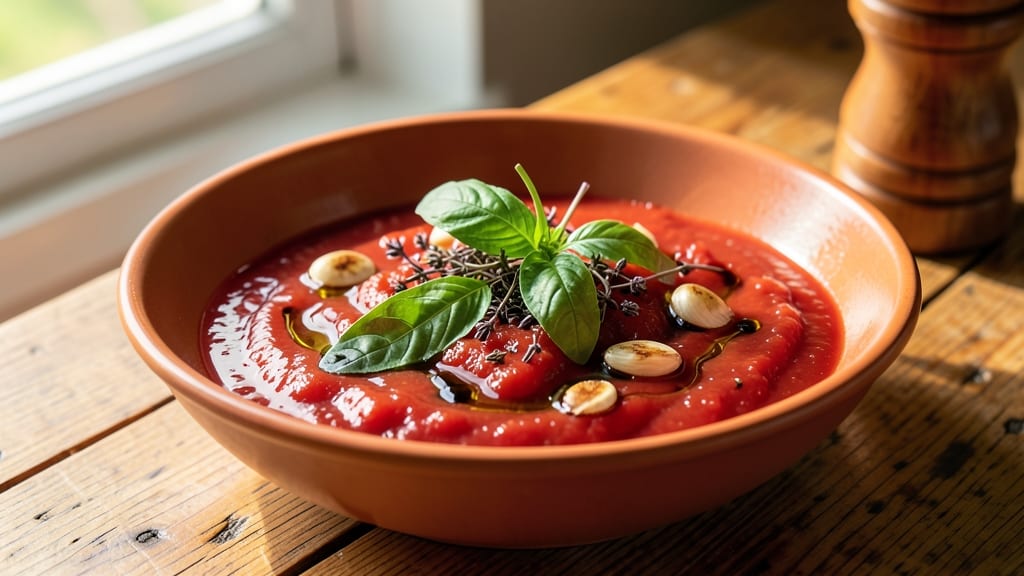
This all-natural marinara sauce recipe transforms simple ingredients into a rich, aromatic sauce that tastes like it simmered for hours—without the long wait. The secret lies in fresh tomatoes, slow-cooked garlic, and a blend of Italian herbs that develop deep, complex flavors.
I've perfected this version to deliver that perfect balance of sweetness, acidity, and umami that makes marinara irresistible.
The process is straightforward yet rewarding: start with fresh tomatoes (or high-quality canned) and build flavor through gentle simmering. A light blend of olive oil, garlic, and basil creates the foundation, while a touch of red wine vinegar brightens the sauce.
The sauce thickens naturally as it reduces, creating that perfect consistency that clings to pasta without being gluey. This method preserves the natural sweetness of the tomatoes while developing rich, caramelized notes.
What you’ll end up with is a vibrant, aromatic marinara that’s perfect for pasta, pizza, or as a dipping sauce. The fresh herbs add brightness, while the slow simmering deepens the flavor profile.
This sauce keeps beautifully in the refrigerator for up to a week, allowing you to make a big batch and enjoy it throughout the week. The best part? It’s completely customizable—add a splash of balsamic for extra depth, or blend in roasted garlic for a richer taste.
Whether you're serving it over spaghetti, drizzling it on homemade pizza, or using it as a base for meatball subs, this marinara delivers restaurant-quality results with minimal effort.
The key is patience—letting the flavors meld and the sauce reduce to perfection. Once you taste the difference between this homemade version and store-bought, you’ll never go back.
Ingredients for all natural marinara sauce
Fresh tomatoes, rich olive oil, and aromatic herbs create this restaurant-quality marinara sauce.
| Ingredient | Amount | Notes |
|---|---|---|
| Fresh Roma Tomatoes 🍅 | 2 lbs | Halved, seeds removed |
| Extra-Virgin Olive Oil 🫒 | ½ cup | High-quality, fruity |
| Garlic Cloves 🧄 | 6 cloves | Peeled, thinly sliced |
| Fresh Basil Leaves 🌿 | 1 cup | Packed, stems removed |
| Red Wine Vinegar 🍷 | 1 tbsp | For brightness |
| Dried Oregano 🍃 | 1 tsp | Italian preferred |
| Salt 🧂 | 1 ½ tsp | Kosher or sea salt |
| Black Pepper 🌶️ | ½ tsp | Freshly cracked |
| Sugar 🍬 | 1 tsp | Balances acidity |
| Balsamic Vinegar 🍷 | 1 tbsp | Optional for depth |
The tomatoes are the heart of this sauce—Roma tomatoes have fewer seeds and more flesh, but any ripe, flavorful tomato works. I always grab the heirloom variety from the farmers market if it's in season, but store-bought San Marzano canned tomatoes are a solid backup. The garlic? Freshly sliced and cooked low and slow develops that sweet, caramelized flavor that makes all the difference. For the olive oil, avoid the cheap stuff—you can taste the difference when it's high-quality. A good bottle of extra-virgin will elevate the entire sauce.
No fresh basil? Dried oregano at half the amount works in a pinch, but nothing beats the fresh stuff. The red wine vinegar is key for that bright, tangy kick—substitute lemon juice if you're out, but it'll taste slightly different. Want extra depth? Add a splash of balsamic vinegar at the end for a richer, slightly sweeter flavor. The sugar balances the acidity, so don't skip it unless you're using particularly sweet tomatoes. For a smoother sauce, blend it after cooking—immersion blender makes this easy—or leave it chunky for texture lovers.
This sauce tastes even better the next day as the flavors meld. Store it in an airtight container in the fridge for up to 1 week, or freeze for 3 months in portions. I always make a big batch—this sauce freezes beautifully—so I can pull it out for quick weeknight dinners. If it thickens too much, just add a splash of water or pasta water to loosen it up. The best part? Every spoonful tastes like it simmered for hours, not minutes.
Why You'll Love This Recipe
- No Chopping Needed: I swear by this—just halve those Roma tomatoes and toss them in whole with the garlic. No dicing, no peeling, and no mess. The vinegar and olive oil break them down beautifully while you sip your coffee.
- Garlic-Basil Magic: That first bite when the fresh basil hits after simmering? It’s like a flavor punch. The vinegar brightens the tomatoes while the olive oil keeps it luscious—no heavy cream, no canned aftertaste. Just pure, bright, honest sauce.
- Weeknight to Party: Same recipe, endless uses. Slap it on pasta for a Tuesday night, or drizzle it over grilled chicken for a Sunday dinner. Even my picky teenager asks for seconds when I serve it with crusty bread—no fancy plating, just good food.
- Leftovers That Last: This sauce actually improves the next day. I make a big batch on Sunday, and by Wednesday, it’s even richer. Freeze half for emergencies, or stash it in the fridge for quick meals. Every drop is worth the effort.
Step-by-step instructions for all natural marinara sauce
Here's how to create a vibrant, naturally sweetened marinara that bursts with fresh herb flavor.
Prepare the Tomatoes for Cooking
Begin by halving the 2 lbs fresh Roma tomatoes and carefully scooping out the seeds using a spoon. This removes excess moisture that would dilute your sauce later. I like to chop the tomatoes into ½-inch chunks—this size ensures they break down beautifully during cooking while maintaining some texture.
Transfer the prepared tomatoes to a large, heavy-bottomed pot. The Roma tomatoes' meaty texture holds up better than other varieties, giving your sauce a rich, chunky consistency. Add the 0.5 cup extra-virgin olive oil and 1 tbsp red wine vinegar right away. The vinegar brightens the tomatoes' natural sweetness while the olive oil adds depth and prevents sticking.
Build Flavor with Aromatics
Set the pot over medium heat and let it warm for 2-3 minutes until the oil begins to shimmer. Add the 6 peeled, thinly sliced garlic cloves and 1 tsp dried oregano, stirring constantly. Cook for 1-2 minutes until the garlic becomes fragrant but doesn't brown—burnt garlic makes the sauce bitter.
Here's the thing—don't rush this step. The garlic needs time to release its sweet, mellow flavor. If you notice the garlic starting to turn golden, immediately reduce the heat to low and continue stirring. The oregano will infuse the oil with its earthy notes, creating the perfect foundation for your sauce.
Simmer Until Thick and Rich
Increase the heat to medium-high and bring the mixture to a gentle boil. Once boiling, reduce the heat to low and let it simmer uncovered for 30-40 minutes. Stir occasionally, especially as the sauce thickens. You're looking for a sauce that coats the back of a spoon but still has some body—this takes patience.
After 20 minutes, add the 1.5 tsp salt, 0.5 tsp black pepper, and 1 tsp sugar. The sugar isn't just for sweetness—it helps balance the acidity from the tomatoes and vinegar. If you're using the 1 tbsp balsamic vinegar, add it now for a deeper, slightly caramelized flavor. Taste and adjust seasoning—you might need a touch more salt or pepper depending on your tomatoes.
Finish with Fresh Herbs
Remove the pot from heat and let it cool slightly for 5 minutes. This resting period allows the flavors to meld. Then, add the 1 cup fresh basil leaves, stems removed. I like to tear the basil by hand rather than chopping it—this keeps the leaves slightly larger, adding beautiful color and a fresh herbal note.
Gently stir the basil into the sauce, then let it steep for 10 minutes before serving. The heat will release the basil's essential oils, infusing the sauce with its signature sweet, peppery flavor. For the best results, serve this sauce immediately over pasta or use it within 3 days for maximum freshness.
Adjust Consistency as Needed
If your sauce is too thick after simmering, thin it with a splash of pasta water or a little water. If it's too thin, simmer uncovered for another 10-15 minutes to reduce it. The key is to achieve a sauce that clings to pasta without being gluey—this balance makes all the difference.
I know it seems like a lot of steps, but each one builds on the last. The fresh herbs at the end elevate this from a basic tomato sauce to something truly special. Trust the process—your taste buds will thank you!
Pro Tips For Making All Natural Marinara Sauce
- SMASH THE TOMATOES: Grab those Roma tomatoes and give them a good whack with a knife handle or rolling pin before chopping—this breaks down the flesh and releases more juice. I used to skip this, and my sauce always ended up thicker than I wanted, no matter how much I stirred.
- LOW AND SLOW: Simmer your sauce on the lowest heat setting you can tolerate—this isn’t a race. After burning two batches from rushing it, I learned patience pays off with deeper flavor and no scorched bits clinging to the bottom.
- GARLIC FIRST: Bloom your garlic in olive oil for 30 seconds before adding anything else—this draws out its sweetness and prevents it from turning bitter. I was skeptical until I tried it, and now I can’t imagine skipping this step.
- SAVE THE BASIL: Tear the basil leaves by hand and add them at the very end, then immediately remove them—this keeps the sauce bright green and prevents the leaves from turning to mush. (Yes, even if you’re impatient like me.)
Essential equipment for all natural marinara sauce
Heavy-Bottomed Pot
A large, heavy-bottomed pot is essential for even heat distribution—this prevents hot spots that can burn your sauce. I use a 5-6 quart Dutch oven (like Le Creuset) because it maintains steady temperatures during simmering.
If you don’t have one, a stainless steel saucepan works too, but avoid thin aluminum—it warms unevenly and risks scorching. 🔥
Immersion Blender
For a smooth marinara, an immersion blender (like Ninja QB1005) is a game-changer—it lets you blend directly in the pot without transferring hot sauce.
If you prefer chunky texture, skip blending entirely. For small batches, a handheld stick blender works, but avoid over-blending to prevent a gluey consistency. 💫
Wooden Spoon
A wooden spoon is your best friend for stirring—it won’t scratch your pot and won’t conduct heat like metal. I recommend a long-handled spoon (like OXO Good Grips) to avoid burns while scraping the bottom. Stirring occasionally prevents sticking and helps thicken the sauce evenly. ⚡
Fine-Mesh Strainer
If you’re using fresh tomatoes with skins, a fine-mesh strainer (like OXO Good Grips) helps remove seeds and excess liquid for a cleaner sauce. Place the strainer over a bowl and press the tomatoes gently—this preserves more flavor than blending.
For canned tomatoes, skip this step unless you want ultra-smooth texture. 🌱
Chef’s Knife
A sharp chef’s knife (like Wüsthof) is crucial for prepping garlic and tomatoes efficiently. Thinly slice garlic cloves for even cooking, and chop tomatoes into ½-inch chunks for balanced texture. A dull knife makes prep messy and slow—keep yours honed for precision. 💡
Measuring Spoons
Precision matters for seasoning—use stainless steel measuring spoons (like OXO Good Grips) for accurate amounts of salt, pepper, and sugar. A pinch of too much salt can ruin the sauce, while too little leaves it flat. I keep my spoons near the stove for quick adjustments during cooking. ✨
Nutrition facts
Frequently asked questions
Can I make this marinara sauce with canned tomatoes instead of fresh?
Use 2 (28 oz) cans of high-quality crushed tomatoes (like San Marzano) and skip the seed-removal step. Simmer for 25-30 minutes instead of 30-40 minutes since canned tomatoes have less water content. Add an extra 1 tbsp balsamic vinegar to enhance depth. This version still delivers rich flavor without fresh prep work.
Why does my homemade marinara taste flat compared to store-bought?
Fresh herbs and slow simmering create depth store-bought can't match. Try these fixes:
- Add 1 tsp fish sauce or soy sauce for umami,
- Simmer uncovered for 45 minutes to concentrate flavors, or
- Finish with 1 tbsp fresh lemon juice for brightness. The recipe's sugar and vinegar balance is key—don't skip them!
How can I make this sauce vegan?
This recipe is already vegan! Just ensure your olive oil is plant-based and verify all ingredients (some dried herbs may contain trace animal products). For extra richness, stir in 1 tbsp nutritional yeast at the end. The fresh basil and garlic provide plenty of savory depth without animal products.
Can I use this sauce for pizza instead of pasta?
Perfect for pizza! Spread ½ cup sauce per 12-inch crust and top with ½ cup shredded mozzarella. The sauce's natural thickness prevents sogginess. For extra flavor, add 1 tsp Italian seasoning to the sauce before baking. Bake at 475°F for 12-15 minutes until cheese is bubbly.
What's the best way to reheat leftover marinara?
Gently reheat on low heat with a splash of water or pasta water to prevent thickening. For microwave method: 1 minute intervals, stirring between each. Never boil—this destroys the delicate herb flavors. If too thick, thin with 1 tbsp water or reserved pasta water. The sauce tastes best within 3 days of making.