
Sauces & Condiments
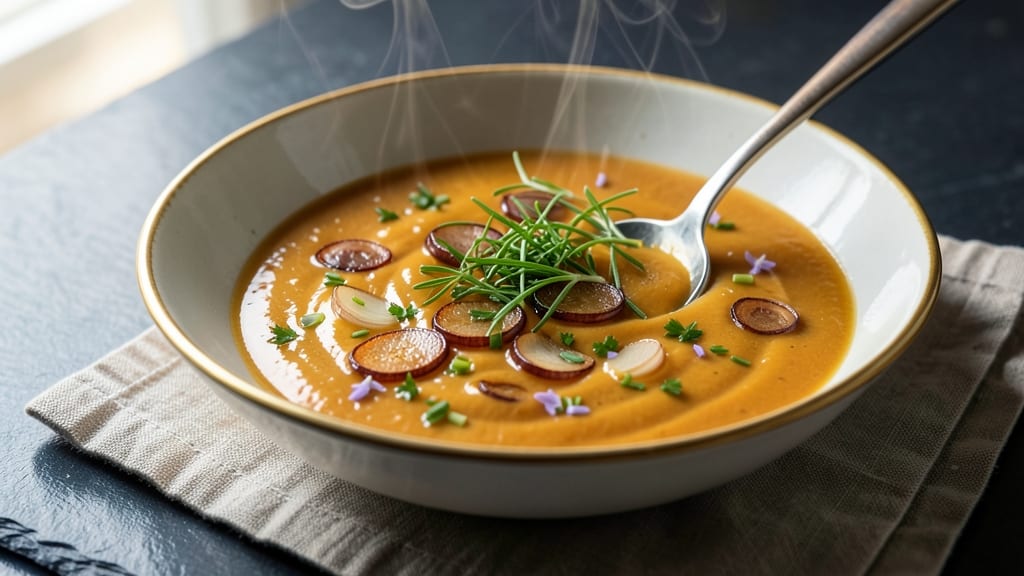
This boiled seafood sauce recipe transforms simple poached shrimp, fish, or shellfish into a luxurious dining experience with just a few carefully chosen ingredients. The secret lies in butter-poaching fresh herbs and aromatics, creating a velvety sauce that clings to every bite like a second skin.
I developed this sauce after realizing how often restaurant-quality seafood dishes rely on a simple yet sophisticated sauce that elevates the natural sweetness of the seafood.
The beauty of this sauce is its butter-poached richness, achieved by gently simmering butter with shallots, garlic, and fresh herbs until fragrant. Unlike heavy creams or acidic reductions, this sauce enhances rather than overpowers the delicate flavors of boiled seafood.
The result is a silky, herbaceous sauce that's light enough to drizzle over poached shrimp or fish but substantial enough to stand on its own when paired with crusty bread or steamed rice.
What makes this sauce truly special is its versatility—it works equally well with shrimp, scallops, or white fish, and the preparation is straightforward enough for weeknight meals.
The key is patience: letting the aromatics develop their flavors before adding the seafood ensures every bite is infused with that buttery, herby richness. Once you taste it, you'll never go back to bland steamed seafood again.
Store any leftovers in the refrigerator for up to 3 days, or freeze for longer shelf life. The sauce reheats beautifully, making it perfect for meal prep or entertaining.
Whether you're serving it over jasmine rice, tossing it with linguine, or simply drizzling it over perfectly poached seafood, this sauce will become your go-to recipe for turning simple boiled seafood into something extraordinary.
Ingredients for boiled seafood sauce
Nine ingredients, butter-poached magic. Everything you need for restaurant-quality seafood sauce.
| Ingredient | Amount | Notes |
|---|---|---|
| Unsalted Butter 🧈 | ¾ cup | Cold, cut into small cubes |
| Shallots 🧅 | ½ cup | Thinly sliced, about 2 medium |
| Garlic Cloves 🧄 | 4 cloves | Minced, not pressed |
| Fresh Tarragon Leaves 🌿 | ¼ cup | Chopped, stems removed |
| Fresh Parsley Leaves 🌿 | ¼ cup | Chopped, flat-leaf preferred |
| Fresh Chives 🌱 | 2 tbsp | Finely chopped, mild flavor |
| Dry White Wine 🍷 | ½ cup | Sauvignon Blanc preferred |
| Seafood Stock 🐟 | ½ cup | Homemade or high-quality |
| Lemon Juice 🍋 | 1 tbsp | Freshly squeezed |
| Diamond Crystal Kosher Salt 🧂 | ½ tsp | For seasoning, not curing |
The butter is non-negotiable here—European-style unsalted like Plugrá or Kerrygold melts into something luxurious. Trader Joe's sells a great bulk option if you're not near a specialty store. Shallots are sweeter than onions and bring that delicate depth—no need to peel, just slice through the papery skin. Tarragon is the secret star; if you can't find it, fennel fronds work in a pinch. I always double-check the parsley is flat-leaf (Italian) not curly—it's more aromatic. The wine should be dry and crisp, nothing oaky. Sauvignon Blanc is my go-to, but any white with acidity will do.
No tarragon? Dried tarragon at one-third the amount works, but honestly, skip it—it's the flavor signature. Short on wine? Seafood stock plus a splash of lemon juice mimics the acidity. The stock? Homemade is ideal, but even the Knorr seafood bouillon cubes work in a bind. Fresh herbs can be swapped: dill or chervil add brightness, but tarragon's anise notes are key. For the butter, ghee works too—it's got that caramelized richness without burning. Always taste as you go; the sauce should be silky but not greasy.
This sauce keeps like a dream. Room temperature for 2 hours, fridge for 3 days, or freeze for 3 months. Reheat gently—low heat only, or you'll break the emulsion. I portion mine into ice cube trays for easy single-use servings. The butter solidifies when chilled, so reheat in short bursts until just melted. Perfect for drizzling over poached shrimp or fish, or spooning over linguine with clams. Leftovers? Toss with pasta or crusty bread—it's that good.
Why You'll Love This Recipe
- No Chopping Nightmare: I swear by this sauce because it only needs three things finely chopped—shallots, garlic, and parsley. The rest? Just melt butter and let the herbs do their magic. My hands stay clean, and my patience stays intact.
- Herb-Packed Punch: That tarragon? It’s the secret weapon. One sniff of the sizzling shallots in butter, and the kitchen smells like a French bistro. The parsley brightens it up just enough to make every bite feel special—no fancy techniques, just pure flavor.
- Leftover Hero: This sauce keeps perfectly for days in the fridge, so I make a big batch and use it on everything—grilled fish, roasted potatoes, even scrambled eggs. Honestly, I’ve had it last a week, and it still tastes like it was made yesterday.
- Budget-Friendly Luxury: Butter and herbs might sound fancy, but they stretch far. A single stick of butter and a small bunch of parsley can dress up a whole seafood boil for four people. It’s the kind of dish that makes simple ingredients feel like a splurge.
Step-by-step instructions for butter-poached seafood sauce
This sauce delivers velvety richness with bright herbaceous notes—perfect for poached seafood.
Sweat the Shallots and Garlic
Melt the 0.75 cup unsalted butter in a medium saucepan over medium-low heat. Add the 0.5 cup thinly sliced shallots and cook gently for 5-6 minutes, stirring occasionally, until they become translucent and just beginning to soften. This slow cooking ensures they caramelize slightly without browning.
Add the 4 cloves minced garlic and continue cooking for another 1-2 minutes until fragrant but not colored. The garlic should infuse the butter with its aromatic depth without burning. Here's the thing—if you see any browning, reduce the heat immediately. Burnt garlic tastes bitter and ruins the delicate balance of flavors we're building.
Deglaze with Wine and Stock
Pour in the 0.5 cup dry white wine and increase the heat to medium. Let it simmer for 2-3 minutes, scraping up any browned bits from the bottom of the pan with a wooden spoon. This deglazing step captures all the flavor compounds that would otherwise stick to your pan.
Next, add the 0.5 cup seafood stock and bring the mixture to a gentle simmer. Reduce the heat to low and let it cook uncovered for 5 minutes, allowing the liquid to reduce by about one-third. You're looking for a sauce that coats the back of a spoon but isn't syrupy—this consistency ensures it clings beautifully to seafood without overwhelming it.
Finish with Herbs and Acid
Remove the saucepan from heat and stir in the 0.25 cup chopped fresh tarragon leaves, 0.25 cup chopped fresh parsley leaves, and 2 tablespoons finely chopped fresh chives. Let the herbs steep for 2 minutes—this allows their bright, fresh flavors to infuse the sauce without becoming bitter.
Add the 1 tablespoon freshly squeezed lemon juice and the 0.5 teaspoon diamond crystal kosher salt, stirring well to combine. Taste and adjust the seasoning if needed—you might want to add a pinch more salt or a splash more lemon juice to balance the flavors. The sauce should be rich but not heavy, with bright herbal notes that cut through the butter's richness.
Strain and Serve
Strain the sauce through a fine-mesh sieve into a clean saucepan, pressing gently on the herbs with a spoon to extract all their flavor. This step ensures a silky, herb-infused sauce without any fibrous bits. Return the sauce to low heat and keep it warm until ready to use.
This sauce pairs beautifully with poached fish, shrimp, or scallops. The butter-poached richness creates a luxurious finish that elevates even the simplest seafood preparation. Serve immediately over your cooked seafood or drizzle generously on top for an elegant presentation.
Pro Tips For Making Boiled Seafood Sauce
- Sweat Shallots Slow: I learned this the hard way—rushing the shallots turns your sauce bitter. Cook them over medium-low heat for 8-10 minutes until they’re golden and translucent, stirring occasionally. No need to brown them like onions; just soften them enough to melt into the butter without color.
- Mince Garlic Fine: Skip the rough chop—this sauce needs garlic to dissolve completely. Use a knife or microplane to make it almost paste-like before adding it to the butter. Lumpy garlic just sits there and ruins the silky texture.
- Reserve Tarragon Late: Tarragon burns faster than you’d think. Add it only at the very end, right after the butter has emulsified with the seafood broth. A handful of torn leaves, stirred in for 30 seconds, is all you need—any longer and you’ll end up with bitter, overcooked herbs.
- Strain the Butter: Does it look weird? Yes. Does it work? Every single time. After melting the butter with shallots, strain it through a fine-mesh sieve into your saucepan. This removes any sediment and gives you a smoother, cleaner base—no one wants gritty butter in their seafood sauce.
Serving suggestions for leftovers
Seafood Pairings
This sauce is a dream with poached shrimp or white fish fillets like cod or halibut. The butter-poached richness clings beautifully to delicate seafood, enhancing their natural sweetness without overpowering.
I like to serve it over steamed jasmine rice or linguine pasta for a complete meal. The sauce's light yet luxurious texture makes it perfect for seafood platters too. 🍤
Bread and Crusty Sides
Don't let this sauce go to waste—it's equally delicious with crusty bread. I love pairing it with baguette slices toasted in butter, or even garlic bread for dipping.
The sauce's herbal brightness cuts through the richness of the bread, creating a perfect balance. For a heartier option, serve it with crusty sourdough or focaccia. 🥖
Vegetable Accompaniments
Bright vegetables like asparagus or green beans add a fresh contrast to the rich sauce. Lightly sauté them in olive oil and serve alongside the seafood. Roasted zucchini ribbons or sautéed spinach also work beautifully. The sauce's acidity and herbs complement the earthy flavors of vegetables perfectly. 🥦
Garnishing for Elegance
Elevate your presentation by finishing with a sprinkle of fresh tarragon leaves or chopped chives. A few lemon zest strips add a pop of color and brightness.
For extra flair, add edible flowers like nasturtiums—their peppery notes complement the sauce beautifully. Trust me, these small touches make all the difference. ✨
Sauce Storage Hacks
Store leftovers in airtight glass containers in the fridge for up to 3 days. For longer storage, freeze in ice cube trays—just thaw and reheat gently.
When reheating, use low heat to preserve the sauce's silky texture. I often portion it into small containers for easy use with meals. ❄️
Meal Prep Strategies
Double the recipe and store half for later—this sauce reheats beautifully for quick weeknight meals. I prep it ahead for seafood dinners or pasta nights. Keep it in the fridge and reheat just before serving to maintain its velvety consistency.
The prep time is minimal, but the flavor payoff is huge. 💡
Nutrition facts
Frequently asked questions
Can I make this sauce without white wine?
Replace the 0.5 cup white wine with an equal amount of seafood stock plus 1 extra tablespoon lemon juice to maintain acidity. The sauce will still develop depth—just skip the deglazing step and reduce the stock directly after adding the herbs. For extra richness, add 1 teaspoon butter at the end.
What if I can't find fresh tarragon?
Use dried tarragon at one-third the amount (about 1 teaspoon), or swap with fennel fronds or dill for a brighter flavor. Tarragon’s anise notes are key, but parsley and chives will still provide freshness. If you omit it entirely, the sauce will be more mild and herb-forward.
How do I prevent the sauce from breaking when reheating?
Reheat over low heat only, stirring constantly, until just melted (never boiling). If it separates, whisk in 1 teaspoon cold butter or a splash of seafood stock to re-emulsify. For extra insurance, store the sauce in airtight glass containers and reheat in short bursts—this keeps the butter-poached texture intact.
Can I use this sauce with other proteins?
While designed for seafood, this sauce works beautifully with poached chicken breast or grilled fish like salmon. For poultry, reduce the lemon juice to 0.5 tablespoon to avoid over-acidifying. The butter-poached herbs shine with delicate proteins, but avoid heavy meats like pork—the sauce’s lightness would get lost.
Why does my sauce taste bitter?
Bitterness usually comes from overcooked garlic or herbs. Ensure garlic stays fragrant but pale (never browned), and steep herbs for only 2 minutes off heat. If the sauce still tastes bitter, add 1 extra tablespoon lemon juice or a pinch of sugar to balance. Fresh herbs should be added last to preserve their bright flavors.