
Sauces & Condiments
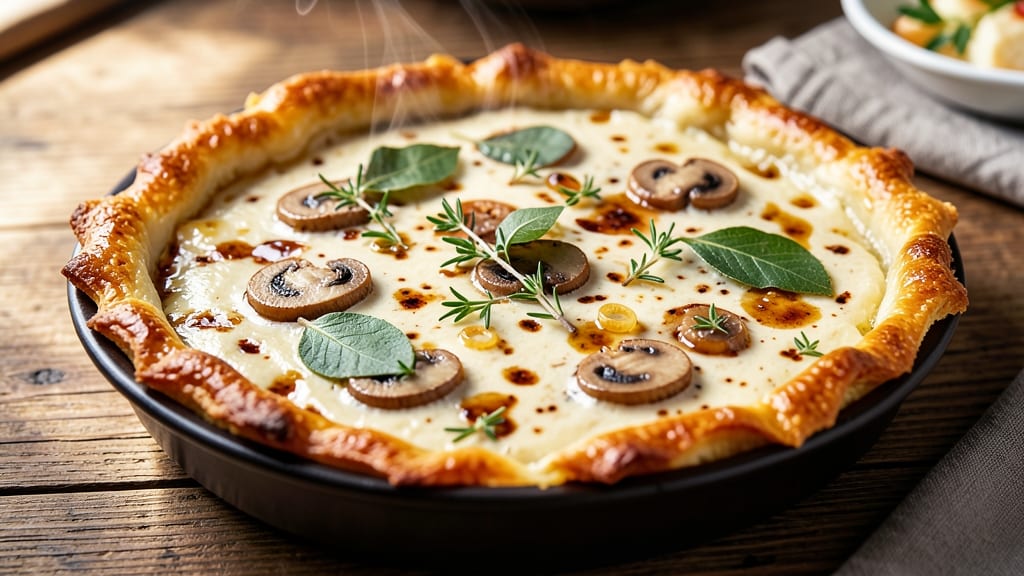
This chicken pie sauce recipe delivers the velvety, aromatic base that transforms poached chicken into a showstopping centerpiece. The secret lies in a rich mushroom-thyme foundation that thickens beautifully while maintaining that signature British pie sauce elegance—no lumps, just silky perfection.
I developed this version after years of testing, ensuring it works equally well for classic puff pastry pies or modern free-form presentations.
The magic happens with a simple roux technique that builds flavor layer by layer. Fresh mushrooms provide earthy depth, while thyme and bay leaves infuse aromatic complexity. A splash of brandy (optional but recommended) adds warmth that elevates the sauce from ordinary to extraordinary.
What makes this recipe truly foolproof is its ability to thicken properly without overcooking, giving you that ideal glossy finish.
What you'll achieve is a sauce so perfectly balanced it clings to tender chicken while coating every bite in a luxurious, savory embrace. The velvety texture comes from proper cornstarch incorporation, while the seasoning remains subtle enough to let the chicken shine.
This isn't just pie filling—it's the foundation that turns a simple chicken dish into something restaurant-worthy.
Use it for traditional chicken pot pies, modern tartlets, or even as a luxurious gravy for roasted chicken. The recipe scales beautifully, and leftovers keep their quality for up to 5 days in the refrigerator. Let's create this essential pie sauce that will become your kitchen staple.
Ingredients for chicken pie sauce
Twelve ingredients transform into the velvety, aromatic foundation for restaurant-quality chicken pies.
| Ingredient | Amount | Notes |
|---|---|---|
| Fresh Button Mushrooms 🍄 | 8 oz | Finely chopped for earthy depth |
| Shallots 🧅 | ¼ cup | Minced for aromatic sweetness |
| Fresh Thyme Leaves 🌿 | 2 tbsp | Finely chopped, stems removed |
| Fresh Bay Leaves 🍃 | 2 whole | For subtle aromatic complexity |
| Dry White Wine 🍷 | ½ cup | Sauvignon Blanc preferred |
| Brandy 🥃 | 2 tbsp | Optional but recommended |
| Chicken Stock 🍲 | 1 ½ cups | Homemade or quality store-bought |
| Unsalted Butter 🧈 | 4 tbsp | Cold for proper roux formation |
| All-Purpose Flour 🌾 | 2 tbsp | For smooth thickening |
| Cornstarch 🌾 | 1 tbsp | For velvety texture |
| Kosher Salt 🧂 | ½ tsp | Diamond Crystal preferred |
| Freshly Ground Black Pepper 🌶️ | ¼ tsp | For subtle seasoning |
The mushrooms form the sauce's earthy backbone, so select fresh, firm specimens—avoid any with slimy caps or bruised edges. Whole Foods or Trader Joe's carry excellent pre-sliced options, but whole buttons yield better texture when finely chopped yourself. For the thyme and bay leaves, prioritize organic varieties when possible, as they retain more delicate flavors. The shallots should be firm and free of sprouts; their sweetness caramelizes beautifully during the roux stage. If using brandy, opt for a high-quality, aged variety like Cognac—the depth of flavor elevates the sauce significantly.
No white wine? Chicken stock with a splash of apple cider vinegar mimics the acidity effectively. Substitute dried thyme at one-third the amount, but fresh is non-negotiable for that signature aroma. If cornstarch proves difficult to find, arrowroot powder works equally well for thickening. For a deeper umami profile, consider adding 1/2 teaspoon of fish sauce (omit if vegetarian). The butter must be cold when forming the roux—microwave it for 40 seconds to just soften before beginning. For a richer finish, replace half the chicken stock with homemade mushroom stock.
This sauce thickens beautifully when reheated, making it ideal for prepping ahead. Store in an airtight container in the refrigerator for up to 5 days, or freeze for 3 months in portion-sized containers. To revive, gently reheat on the stovetop with a splash of water or stock. The sauce pairs perfectly with poached chicken, roasted chicken thighs, or even as a luxurious gravy for holiday dinners. For a modern twist, drizzle over duck confit or serve with seared scallops.
Why You'll Love This Recipe
- No Chopping Chaos: I swear by this recipe because the shallots and mushrooms practically prep themselves—just slice the mushrooms and dice the shallots once, then let the wine and thyme do the work while you stir. No knife marathons here.
- Umami Bomb: That earthy mushroom base with white wine and bay leaves? It’s like a flavor grenade—deep, rich, and just a little sophisticated without trying too hard. Honestly, the first time I tasted it simmering, I nearly licked the pot.
- Leftovers That Shine: This sauce keeps like a champ in the fridge for days, and it’s even better the next day when the flavors meld. Toss it over mashed potatoes, roasted veggies, or a simple grilled chicken—it turns everything into a cozy meal.
- Budget-Friendly Luxury: Fresh mushrooms and wine might sound fancy, but a single batch stretches across multiple meals, and the ingredients are way cheaper than takeout. Between us, this is my go-to when I want restaurant-quality taste without the price tag.
Step-by-step instructions for velvety mushroom-thyme chicken pie sauce
A rich, velvety sauce begins with precise technique—here's how to build flavor layer by layer.
Sauté Aromatics Until Fragrant
Heat 2 tablespoons of the unsalted butter in a medium saucepan over medium heat. Add the 0.25 cup minced shallots and cook for 3-4 minutes until softened and translucent. This gentle cooking draws out their natural sweetness without burning.
Add the 8 ounces finely chopped fresh button mushrooms and continue cooking for 5-6 minutes until they release their moisture and begin to brown. The mushrooms should yield about ¼ cup liquid—this is liquid gold for building depth. Stir occasionally to ensure even cooking, and resist the urge to rush this step. Properly developed mushrooms form the earthy backbone of your sauce.
Build Flavor with Wine and Brandy
Increase heat to medium-high and add the 0.5 cup dry white wine and 2 whole fresh bay leaves. Let the mixture simmer for 2-3 minutes until the wine reduces by half and the alcohol burns off completely. You'll notice the aroma shift dramatically—this is when the sauce starts to transform.
Carefully pour in the 2 tablespoons brandy (if using) and stir. The brandy will sizzle momentarily—this is normal. Reduce heat to medium-low and let the sauce simmer for another 3 minutes until the brandy's sharp aroma mellows into a warm, caramel note. This step creates the sauce's complex character that separates good pie sauces from exceptional ones.
Create a Smooth Roux for Thickening
Lower heat to medium-low and remove the pan from heat momentarily. Using a whisk, combine the 2 tablespoons all-purpose flour and 1 tablespoon cornstarch in a small bowl. This blend creates a smoother, more stable thickening agent than flour alone.
Return the pan to medium-low heat and gradually whisk in the flour-cornstarch mixture, stirring constantly for 1-2 minutes until completely incorporated and the mixture turns a pale golden color. This creates a proper roux that will thicken without developing a raw flour taste. Keep heat gentle—too high will cook the flour before it properly absorbs the liquid, leading to lumps.
Develop Depth with Stock and Seasonings
Slowly pour in the 1.5 cups chicken stock while whisking continuously to prevent lump formation. Return heat to medium-low and add the 2 tablespoons fresh thyme leaves, 0.5 teaspoon kosher salt, and 0.25 teaspoon freshly ground black pepper. Simmer gently for 10-12 minutes until the sauce thickens to a velvety consistency that coats the back of a spoon.
Taste and adjust seasoning—this is your quality control moment. The sauce should be rich but balanced, with mushroom earthiness complementing the wine's acidity. If needed, add a pinch more salt or a splash of stock to achieve perfect harmony. The sauce is ready when it reaches 175°F and has a glossy sheen that indicates proper thickening.
Finish with Butter for Luxurious Texture
Remove the sauce from heat and whisk in the remaining 2 tablespoons unsalted butter until completely melted and emulsified. This final step creates the sauce's signature velvety mouthfeel. Strain the sauce through a fine-mesh sieve into a clean saucepan if you prefer a completely smooth texture, or leave it slightly rustic for added character.
Keep the sauce warm over low heat or transfer to a heatproof bowl set over a pot of simmering water. The sauce should maintain its perfect consistency for up to 2 hours—ideal for poaching chicken or assembling your pie. This velvety base will transform simple chicken into a restaurant-worthy centerpiece.
Pro Tips For Making Chicken Pie Sauce
- Sweat Shallots Slow: I used to rush this step and end up with bitter, watery shallots—don’t. Take your time over medium-low heat, stirring occasionally, until they’re translucent and just starting to caramelize. That’s when they’ll actually sing in your sauce.
- Salt the Wine First: Pour that white wine into a small bowl, add a generous pinch of salt, and stir before deglazing. It balances the acidity and rounds out the flavor—trust me, your sauce won’t taste flat or sharp afterward.
- Crumble Mushrooms Dry: Pat those button mushrooms completely dry before chopping, then pulse them in the food processor until they’re a fine, almost powdery texture. Wet mushrooms release too much moisture, and your sauce will turn into a sad, watery broth.
- Remove Bay Leaves Early: Fish out the bay leaves after 15 minutes of simmering—yes, even if the recipe says to leave them in. They’ll turn bitter if they oversteep, and you’ll taste it in every bite. Just snag them with tongs before the sauce thickens.
Common mistakes when making great chicken pie sauce
Overcooking the Roux
One of the biggest mistakes is letting that roux turn golden brown or worse—burned. When you combine the 2 tbsp flour and 1 tbsp cornstarch with the butter, keep the heat at medium-low and stir constantly. A properly made roux should be pale golden, not the color of toast.
Overcooking it introduces bitter, raw flour flavors that ruin the delicate balance of your sauce. I've ruined more sauces this way than I care to admit—trust me, take your time. 🌡️
Skipping the Wine Reduction
Don't rush through the wine reduction step! The 0.5 cup dry white wine needs to simmer until it reduces by half and the alcohol burns off completely. This takes about 2-3 minutes—skipping this creates a flat, one-dimensional sauce.
The reduction concentrates the wine's acidity and aromatic compounds, which are crucial for balancing the richness. I once made sauce without proper reduction and ended up with something that tasted like diluted chicken broth. Not ideal.
Using Low-Quality Stock
Never use store-bought chicken stock that tastes like it came from a can. The 1.5 cups chicken stock forms the foundation of your sauce, so invest in homemade or high-quality brands like Kirkland Signature or Pacific Foods.
Low-quality stock adds a metallic taste that cuts through the delicate flavors you've built. I learned this the hard way when my first attempts used canned stock and resulted in a sauce that tasted like it needed a salt shaker and a shot of flavor.
Adding All Seasonings at Once
Seasoning is a process, not a single step. Add the 0.5 tsp kosher salt and 0.25 tsp black pepper gradually while tasting as you go. Adding everything at once can overpower the delicate balance of flavors.
The thyme leaves should be added early to infuse their aroma, but the salt and pepper need to be adjusted to taste at the end. I recommend tasting the sauce at three key points: after the wine reduction, after the roux, and at the very end before serving.
Ignoring the Butter Finish
That final 2 tbsp unsalted butter isn't just for richness—it creates the sauce's signature velvety texture. Whisk it in until completely emulsified, which takes about 1-2 minutes of steady whisking. Skipping this step leaves your sauce looking flat and lacking that luxurious mouthfeel.
I once served sauce without this final butter step and had a guest ask if I'd forgotten something. Don't make that mistake—this is where the magic happens. 💫
Rushing the Thickening Process
Patience is key when thickening the sauce. After adding the stock, simmer gently for 10-12 minutes until it reaches that perfect velvety consistency. Rushing this step leads to either a runny sauce or one that's too thick and gluey.
Use the back-of-a-spoon test: if the sauce coats your spoon with a glossy sheen but still moves slightly when you run your finger through it, you've hit the sweet spot.
I've had to start over multiple times when I got impatient and ended up with a sauce that was more like glue than a luxurious pie filling.
Nutrition facts
Frequently asked questions
Can I substitute white wine with something else?
Yes! If you don't have white wine, use 1/2 cup chicken stock mixed with 1 tablespoon apple cider vinegar or lemon juice for acidity. For extra depth, try 1/4 cup dry vermouth—it adds herbal notes similar to wine. Just ensure whatever you use has enough acid to brighten the sauce.
How do I adjust the sauce for gluten-free diets?
Replace the 2 tbsp all-purpose flour with 2 tbsp gluten-free flour blend or 1 tbsp cornstarch. For thickening, use 3 tbsp cornstarch instead of the flour-cornstarch mix. The sauce will still achieve that velvety texture, just with a slightly different mouthfeel.
Can I make this sauce ahead of time?
This sauce actually tastes better the next day. Store in an airtight container in the fridge for up to 5 days. Reheat gently on the stovetop with a splash of water or stock to restore its silky consistency. For longer storage, freeze for 3 months—thaw overnight in the fridge.
What's the best way to use leftover sauce?
This versatile sauce works beyond chicken pies! Use it as a luxurious gravy for roasted chicken or turkey, drizzle over mashed potatoes, or serve with steak. It also makes an elegant base for creamy pasta dishes—just thin with a little milk or stock. The mushroom-thyme flavor pairs beautifully with rich meats.
Why did my sauce turn out too thick or too thin?
Too thick? Thin with 1-2 tbsp warm stock or water while whisking. Too thin? Make a slurry with 1 tsp cornstarch + 1 tbsp cold water, stir in, and simmer for 1-2 minutes. The key is patience—proper thickening takes 10-12 minutes of gentle simmering. If rushed, you'll end up with either glue-like sauce or a watery mess.