
Sauces & Condiments
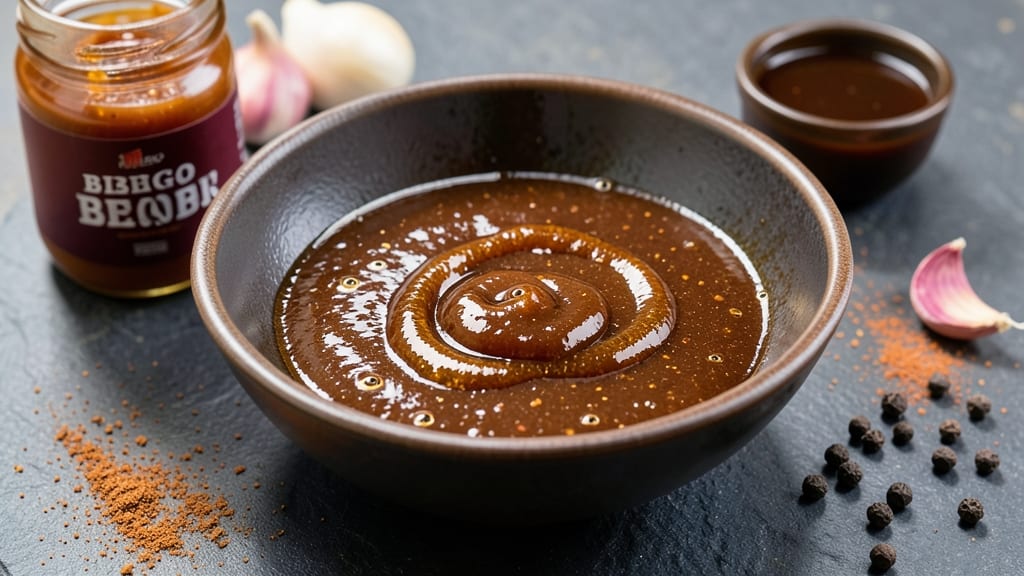
This Bibigo BBQ sauce recipe delivers the perfect balance of smoky, sweet, and tangy flavors that elevate everything from grilled meats to baked wings. The secret lies in a precise blend of vinegar, molasses, and spices that creates a glossy finish with layers of depth. Unlike store-bought versions, this recipe lets you control the sweetness and heat to match your taste.
What sets this sauce apart is the vinegar base, which adds a bright acidity that cuts through the richness of the molasses and brown sugar. Smoked paprika and a touch of garlic powder infuse the sauce with warmth, while a splash of liquid smoke deepens the smoky character.
The sauce thickens as it simmers, creating a glossy, clingy finish that caramelizes beautifully on grills or in the oven.
You'll end up with a versatile sauce that works as a marinade, glaze, or dipping sauce—perfect for ribs, chicken, pulled pork, or even vegetables. The recipe yields about 2 cups, so you can make a batch ahead and store it in the fridge for up to 2 weeks.
Adjust the sweetness or heat by adding more molasses or cayenne to taste.
This sauce transforms ordinary meals into something special with minimal effort. Whether you're grilling for a crowd or slow-cooking a weeknight dinner, it's the perfect way to add restaurant-quality flavor to your cooking. Let's get started!
Ingredients for bibigo bbq sauce
These bold flavors come together to create a sauce that rivals any restaurant version.
| Ingredient | Amount | Notes |
|---|---|---|
| Apple Cider Vinegar 🍏 | ½ cup | Raw, unfiltered preferred |
| Molasses 🍯 | ½ cup | Unsulphured for best flavor |
| Brown Sugar 🍚 | ½ cup | Light or dark works |
| Smoked Paprika 🌶️ | 2 tbsp | High-quality, not dusty |
| Garlic Powder 🧄 | 1 tbsp | Freshly ground preferred |
| Onion Powder 🧅 | 1 tbsp | For depth of flavor |
| Liquid Smoke 🔥 | 1 tbsp | Adjust for smokiness |
| Cayenne Pepper 🌶️ | ½ tsp | Adjust for heat preference |
| Ground Black Pepper 🌶️ | ½ tsp | Freshly cracked |
| Salt 🧂 | 1 ½ tsp | Kosher or sea salt |
| Water 💧 | ½ cup | For thinning if needed |
The vinegar is the soul of this sauce—raw, unfiltered apple cider vinegar has the best depth. Trader Joe's and Whole Foods carry great options, but any raw vinegar works. Molasses should be unsulphured (check the label)—it's sweeter and less bitter. The smoked paprika? Penzeys or McCormick are solid choices, but avoid the dusty stuff. If you can't find unsulphured molasses, substitute regular molasses at half the amount—just add a pinch more cayenne for balance. The liquid smoke is where the magic happens—start with the tablespoon and taste as you go. Too much? Water it down. Not enough? Add more. It's all about that smoky depth!
No liquid smoke? Smoked salt or a dash of smoked paprika plus a pinch of charcoal powder can mimic it, but it won't be identical. Molasses out of stock? Maple syrup or honey in a pinch (but honey isn't vegan). Brown sugar too coarse? Pulse it in a food processor for smoother texture. The garlic and onion powders are non-negotiable for that savory backbone—don't skip them. If you're sensitive to heat, reduce the cayenne to a pinch or swap it for red pepper flakes. The sauce should be glossy and clingy—if it's too thick, add water one tablespoon at a time. If it's too thin, simmer uncovered until it reduces.
This sauce keeps beautifully—2 weeks in the fridge sealed in a jar. The flavors actually deepen over time, so make extra. For a quick fix, freeze in ice cube trays and pop out single servings. The sauce reheats like a dream—just warm it gently on the stove or in the microwave. It's perfect for glazing ribs, basting chicken, or even drizzling over roasted veggies. Double the batch if you're grilling for a crowd—trust me, you'll want seconds.
Why You'll Love This Recipe
- Pantry Magic: I swear by this sauce because it uses stuff I already have—no special trips to the store. That molasses and apple cider vinegar? They’re the secret to that deep, tangy-sweet balance that takes zero effort to assemble.
- Smoky-Sweet Obsession: The smoked paprika and garlic powder give it this perfect charred edge, like a campfire in a jar. Honestly, I’ve made it three times this week—my kids even ask for it on grilled cheese now.
- Weeknight Superhero: Slather it on burgers, drizzle it over baked wings, or toss it with roasted potatoes—it’s my go-to when I’m too tired to think. Between us, it’s saved me from takeout more nights than I’ll admit.
- Budget Booster: A single batch stretches across four meals, and the ingredients cost pennies. That molasses? A little goes a long way, and the vinegar keeps it from feeling heavy. My wallet and my taste buds win.
Step-by-step instructions for Bibigo BBQ sauce
This smoky-sweet sauce comes together in minutes with bold flavors you'll want to slather everywhere.
Combine Wet Ingredients for the Base
In a medium saucepan, whisk together the 0.5 cup apple cider vinegar, 0.5 cup molasses, and 0.5 cup brown sugar over medium heat. Bring to a gentle simmer, stirring constantly to dissolve the sugar completely. You'll see the mixture thicken slightly as it heats—this is where the sauce starts building its rich, caramelized foundation.
Let it cook for 5-7 minutes until the sugar dissolves and the mixture becomes syrupy. Watch carefully—the molasses can burn easily, so keep the heat at a steady simmer rather than a rolling boil. The sauce should smell deeply sweet with a tangy edge from the vinegar. This balance is what makes Bibigo sauce special.
Add Dry Seasonings and Build Depth
Reduce the heat to low and stir in the 2 tbsp smoked paprika, 1 tbsp garlic powder, 1 tbsp onion powder, 1 tbsp liquid smoke, 0.5 tsp cayenne pepper, 0.5 tsp ground black pepper, and 1.5 tsp salt. The spices will infuse immediately, filling your kitchen with that irresistible smoky aroma. Stir vigorously for 2 minutes to ensure everything blends evenly.
Here's the thing—don't rush this step. The spices need time to bloom and meld with the wet ingredients. You'll notice the sauce darken slightly as the spices deepen the color and flavor. If you taste it now, you'll get a preview of the complex balance: sweet, smoky, with a subtle heat from the cayenne.
Simmer Until Thick and Glossy
Return the heat to medium-low and let the sauce simmer uncovered for 15-20 minutes, stirring occasionally. You're looking for the sauce to reduce and thicken to a glossy, syrupy consistency—it should coat the back of a spoon. The longer you simmer, the more concentrated the flavors become, so don't walk away. Stir every few minutes to prevent sticking.
If the sauce thickens too much before reaching your desired consistency, add the 0.5 cup water a tablespoon at a time until it reaches that perfect glossy finish. The sauce should be thick enough to cling to meats or ribs but still pour smoothly. This is where Bibigo sauce gets its signature gloss—patience is key.
Cool and Adjust to Perfection
Remove the sauce from heat and let it cool for 10 minutes. As it cools, the flavors will meld even further, and the sauce will thicken slightly more. Taste and adjust the seasoning if needed—add a pinch more salt or cayenne if you want it bolder, or a splash more water if it's too thick. The sauce should be sweet, smoky, and just slightly spicy with a bright vinegar tang.
For best results, let the sauce sit at room temperature for another 30 minutes before using. This resting period allows all the flavors to fully develop. Store any leftovers in an airtight container in the refrigerator for up to 2 weeks, or freeze for up to 3 months. Trust me, you'll want to make extra—this sauce disappears fast!
Pro Tips For Making Bibigo Bbq Sauce
- Simmer Slow and Steady: I learned this the hard way—rushing the sauce on high heat turns it into a sticky mess instead of a rich, balanced glaze. Keep it at a gentle boil for at least 20 minutes, stirring occasionally, so the molasses and brown sugar dissolve smoothly without scorching.
- Use Real Molasses, Not Syrup: That "molasses" bottle at the back of your pantry is probably just corn syrup in disguise. For bibigo sauce, unsulphured molasses (the dark, thick kind) adds depth and caramel notes that cheap substitutes can’t match—trust me, your sauce will taste flatter otherwise.
- Balance the Vinegar Early: Taste as you go, especially after adding the apple cider vinegar. If it’s too sharp, a pinch of brown sugar or a splash of water later can fix it, but if you wait until the end, you’ll be stuck with a sauce that’s either too tangy or cloyingly sweet.
- Toast the Spices First: Skip the pre-ground smoked paprika and garlic powder—lightly toast whole spices (if using) or stir in the powdered versions after the sauce has simmered for 10 minutes. This lets the vinegar’s acidity mellow out first, so the spices don’t overpower with a bitter edge.
Wine and beer pairings for this recipe
Red Wine Pairings
For this rich, smoky-sweet sauce, I reach for a medium-bodied red like Zinfandel or Cabernet Sauvignon from California's Central Coast. The bold fruit notes in Zinfandel—think blackberry and plum—stand up to the molasses sweetness while the earthy tannins complement the smoky depth.
A 2018 La Crema Zinfandel ($25) is my go-to for its balance of jammy fruit and spice. 🍷
If you prefer something lighter, try a Syrah from Washington State. The pepper and black pepper in Syrah mirror the sauce's cayenne heat, creating a harmonious match. I love Chateau Ste. Michelle ($18) for its approachable price and smooth finish. Avoid heavy, oaked Chardonnays—they'll clash with the sauce's tangy brightness.
Beer Pairings
A smoked porter is the ultimate beer match for Bibigo sauce—it's like drinking the sauce in liquid form. Founders Kentucky Breakfast Stout ($9) has a caramel and coffee profile that enhances the molasses sweetness, while the smoke notes in the beer echo the sauce's liquid smoke.
For a lighter option, try a Belgian-style witbier like Hoegaarden ($6)—the citrusy coriander and peppery notes cut through the richness beautifully. 🍺
For grilled applications, a hazy IPA works surprisingly well. The juicy hop flavors in Three Floyds East IPA ($12) provide a refreshing contrast to the sauce's smokiness.
If you're serving this sauce with ribs, pair it with a bourbon barrel-aged stout like Goose Island Bourbon County ($14)—the vanilla and oak notes bridge the sauce's sweet and smoky elements perfectly.
Non-Alcoholic Options
Don't worry if you're skipping alcohol—smoky ginger beer is a fantastic substitute.
Mix 2 parts ginger beer with 1 part apple cider (the same vinegar we used in the sauce!) for a refreshing sip that mirrors the sauce's tangy-sweet profile. Feather Ginger Beer ($5) is my top pick for its bold ginger flavor without being too sweet. 🍹
For a sparkling option, try sparkling water infused with 1 tsp liquid smoke and a squeeze of lemon juice. The smoky aroma will transport you right to the grill, and the acidity keeps your palate clean between bites.
I like to serve this in a copper mug for extra flair—it makes the experience feel special without the alcohol.
Regional Adaptations
In Texas, where BBQ reigns supreme, locals pair Bibigo sauce with Shiner Bock ($7)—the malty sweetness and light carbonation cleanse the palate between bites of brisket. For Carolina-style BBQ, try a dry Riesling ($12) from Germany.
The crisp acidity cuts through the vinegar tang while the honeyed notes enhance the molasses sweetness. 🗺️
Up North, Michigan's love for cherry BBQ sauce makes a Gewürztraminer ($15) an unexpected but brilliant match. The lychee and rose notes in the wine complement the sauce's depth, while the slight sweetness balances the heat.
If you're in the Midwest, a wheat beer like Blue Moon ($6) works wonders—its banana and clove flavors play nicely with the smoky-sweet profile.
Nutrition facts
Frequently asked questions
What makes this Bibigo BBQ sauce different from store-bought versions?
This recipe uses raw apple cider vinegar for bright tang and unsulphured molasses for deeper sweetness, plus liquid smoke for authentic smokiness. Most store-bought sauces rely on artificial flavors and preservatives. The vinegar base also gives it a glossy finish that clings beautifully to meats.
Can I adjust the sweetness or heat level?
For more sweetness, add 1-2 tablespoons extra molasses or 1 tablespoon brown sugar. For less heat, reduce the cayenne pepper to ¼ teaspoon or swap it for ½ teaspoon red pepper flakes. Always taste as you go—flavor adjustments are easy at the end of simmering.
How long does this sauce keep, and can I freeze it?
Store in an airtight container in the fridge for up to 2 weeks. For longer storage, freeze in ice cube trays or small jars for up to 3 months. Thaw overnight in the fridge before using. The sauce actually tastes better after resting—flavors meld beautifully over time.
What's the best way to use this sauce?
Use it as a glaze for ribs or chicken, marinade for 2-4 hours, or dipping sauce for fries. For best results, brush on meats during the last 10-15 minutes of grilling or baking. The glossy finish caramelizes beautifully under heat. Pro tip: Save some to drizzle over finished dishes for extra flavor!
Can I make this sauce without liquid smoke?
Yes! Replace the 1 tablespoon liquid smoke with 1 teaspoon smoked paprika plus ½ teaspoon charcoal powder (from a charcoal grill). For a milder version, use just 2 extra tablespoons smoked paprika. The flavor won't be identical, but it'll still have smoky depth.