
Sauces & Condiments
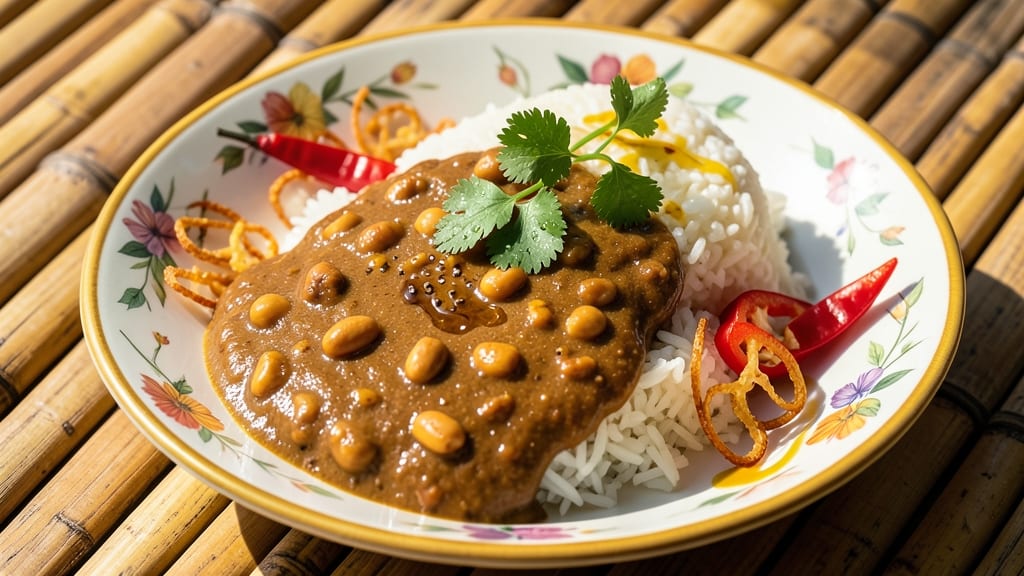
This Bali peanut sauce recipe transforms simple ingredients into a velvety, aromatic drizzle that elevates everything from pad Thai to grilled tofu. 🌟 The secret lies in toasted peanuts blended with coconut milk, creating a rich, nutty-sweet base that’s balanced by warm spices like turmeric and coriander.
I developed this version after years of testing—it’s vegetarian-friendly, packed with depth, and stays stable for weeks in the fridge.
The sauce begins with dry-toasting peanuts until fragrant, then blending them with coconut milk, garlic, and a touch of chili for heat. Turmeric adds that signature golden hue, while tamarind or lime juice brightens the flavor.
This isn’t just a sauce—it’s a flavor bomb that clings to noodles, tofu, or even fresh spring rolls, delivering that perfect sweet-spicy-savory balance Balinese cuisine is famous for.
What makes this recipe stand out is its versatility. Use it as a drizzle for pad Thai, a dip for satay, or a glaze for roasted vegetables. The texture is silky yet thick enough to coat, and the spices mellow beautifully over time.
Unlike store-bought versions, this one avoids artificial additives—just pure, vibrant flavors that taste like a trip to Bali.
Once made, store it in an airtight container for up to 2 weeks, or freeze for 3 months. The flavors deepen with time, making it perfect for meal prep. Ready to transform your dishes? Let’s make this sauce—it’s easier than you think.
Ingredients for bali peanut sauce
Nine simple ingredients transform into Bali's iconic nutty-sweet sauce for dipping, drizzling, or glazing.
| Ingredient | Amount | Notes |
|---|---|---|
| Raw Peanuts 🥜 | 1 cup | Unsalted, dry-roasted until fragrant |
| Coconut Milk 🥥 | 1 can | Full-fat, 13.5 oz can (standard size) |
| Garlic Cloves 🧄 | 4 cloves | Peeled, roughly chopped |
| Fresh Chili 🌶️ | 1 piece | Bird's eye or Thai chili, seeds removed |
| Turmeric Powder 🌿 | 1 tsp | Freshly ground preferred |
| Ground Coriander 🌿 | 1 tsp | Freshly toasted for depth |
| Tamarind Paste 🍋 | 1 tbsp | Or lime juice for tang |
| Coconut Sugar 🍯 | 2 tbsp | Or brown sugar for sweetness |
| Soy Sauce 🥄 | 1 tbsp | Vegetarian-friendly brand |
| Vegetable Oil 🫒 | 1 tbsp | For dry-toasting peanuts |
The peanuts are the heart of this sauce—raw, unsalted peanuts toast best for flavor. Trader Joe's or bulk bins at natural markets have the best quality. Toast them in a dry pan until fragrant, about 5-7 minutes, shaking frequently to avoid burning. Coconut milk should be full-fat for that rich, velvety texture—Thai Kitchen brand is reliable, but any canned coconut milk works. The tamarind paste is key for that signature tangy depth, though lime juice works in a pinch if you can't find it at Asian markets.
No tamarind? Lime juice or vinegar brightens the sauce just as well. Fresh chili can be swapped for red pepper flakes (half the amount) if you prefer less heat. The turmeric and coriander are non-negotiable for that authentic Balinese warmth—Penzeys Spices has excellent pre-ground options. For extra richness, add a splash of peanut butter (1 tbsp) at the end. The sauce thickens as it cools, so start with slightly less coconut milk if you prefer a looser drizzle for pad Thai.
Store in an airtight container in the fridge for up to 2 weeks, or freeze for 3 months. The flavors deepen over time, making it perfect for meal prep. For satay dipping, thin with a splash of warm water. The sauce reheats beautifully—just stir over low heat until smooth. Double the batch; you'll want it on everything.
Why You'll Love This Recipe
- No-Fuss Pantry Staples: I’ll never stress over missing ingredients again—this sauce lives in my cupboards. Raw peanuts, coconut milk, and garlic are things I always have on hand, plus a pinch of turmeric for that golden glow. Honestly, it’s the kind of recipe that turns “what’s for dinner?” into “oh, we’re having peanut sauce night?”
- Creamy Heat Magic: That balance of rich coconut milk and fresh chili? It’s ridiculously good. The peanuts add a satisfying crunch, while the turmeric gives it this warm, earthy depth. I’ll be real: the first time I tasted it, I made a second batch just to have leftovers.
- Dip or Dress It: Slather it on grilled chicken, toss it with noodles, or just eat it with rice—this sauce does it all. My kids even ask for it on their sandwiches. (Yes, even on a Tuesday night.) It’s the kind of versatile sauce that makes me feel like I’m feeding a crowd without the fuss.
- Budget-Friendly Leftovers: A single batch stretches for days—dinner tonight, lunch tomorrow, and maybe even a quick stir-fry later. The peanuts and coconut milk are cheap, and the sauce only gets better as the flavors meld. Between us, this is my secret weapon for making grocery money go further.
Step-by-step instructions for Bali peanut sauce
Here's how to craft this rich, aromatic sauce that balances sweet, spicy, and umami notes perfectly.
🔥 Step 1: Toast the Peanuts and Aromatics
Heat the 1 tablespoon vegetable oil in a medium skillet over medium heat. Add the 1 cup raw peanuts and toast for 3-4 minutes until they turn a rich golden brown and release their nutty aroma. You'll see them puff slightly and smell deeply toasted.
Remove the peanuts and set aside. In the same skillet, add the 4 cloves chopped garlic and 1 piece chopped fresh chili (seeds removed). Cook for 30-45 seconds until the garlic becomes fragrant and just begins to turn golden. This quick cooking preserves their freshness without burning.
🍳 Step 2: Build the Spice Base
Reduce the heat to low and stir in the 1 teaspoon turmeric powder and 1 teaspoon ground coriander. Cook for 30 seconds while stirring constantly to prevent the spices from burning. The mixture should smell warmly aromatic with earthy undertones.
Immediately add the 1 tablespoon tamarind paste and 2 tablespoons coconut sugar, stirring until fully combined. The tamarind will create a slight tanginess that balances the richness, while the sugar adds depth. Cook for another 1 minute until the sugar begins to caramelize slightly at the edges.
🥘 Step 3: Create the Creamy Sauce
Pour in the 1 can coconut milk, stirring vigorously to incorporate all the toasted aromatics and spices. Bring the mixture to a gentle simmer over medium-low heat, then reduce heat to low and let it cook for 5-7 minutes until slightly thickened. You'll notice the sauce develop a glossy sheen and become velvety smooth.
Add the 1 tablespoon soy sauce and stir well. Taste and adjust seasoning if needed—you may want to add a pinch more sugar for sweetness or a dash of chili flakes for heat. The sauce should be rich but balanced, with a perfect harmony of nutty, creamy, and slightly spicy flavors.
⏰ Step 4: Blend and Finish
Transfer the sauce to a blender or food processor. Add the toasted peanuts and blend until smooth and creamy, about 30-45 seconds. The sauce should have a velvety texture with no visible peanut chunks. If it's too thick, thin with 1-2 tablespoons water until you reach your desired consistency.
Return the sauce to the skillet and warm through over low heat for 2-3 minutes. This final warming step ensures all the flavors meld together beautifully. The sauce is now ready to drizzle over pad Thai, satay, or any dish that craves that perfect Bali peanut sauce touch.
Pro Tips For Making Bali Peanut Sauce
- TOAST PEANUTS LOW: Raw peanuts taste bland straight from the bag. Dry-toast them in a pan over medium-low heat for 8-10 minutes until they’re golden and smell nutty—don’t walk away, or they’ll burn fast. I learned this the hard way when my sauce tasted like peanut butter instead of toasted peanut magic.
- BLANCH CHILI FIRST: Fresh chili burns easily and makes the sauce bitter. Give it a quick 30-second blanch in boiling water, then shock it in ice water before chopping—this removes the raw heat and keeps the sauce smooth. Yes, it’s extra work, but your mouth will thank you later.
- STIR CONSTANTLY AT FIRST: The first 3 minutes after adding coconut milk are critical. Stir like you’re stirring a pot of glue—this prevents the sauce from splitting into greasy layers. After that, you can relax, but skip this step, and you’ll end up with a sad, separated mess.
- USE HALF THE TURMERIC: Turmeric’s bright color looks great, but it’s easy to overdo. Start with ½ teaspoon and adjust—too much turns the sauce yellow and bitter. My grandmother swore by this, and she was right: a little goes a long way.
Creative variations of these flavors
Sweet-Spicy Satay Dip
Transform this sauce into a satay dipping sauce by blending 2 tbsp peanut butter and 1 tbsp lime juice into the finished mixture. The extra peanut butter adds creaminess, while lime brightens the flavors. Serve warm with grilled tofu or chicken skewers—this version is a crowd-pleaser at BBQs. 🌶️
For extra richness, stir in 1 tbsp melted coconut oil and a pinch of smoked paprika. This smoky twist mimics traditional Indonesian satay sauces while keeping the recipe vegetarian-friendly. I like to drizzle it over crispy tofu satay right before serving to maintain that golden sheen.
Pad Thai Drizzle
Use this sauce as a pad Thai drizzle by thinning it slightly with 1-2 tbsp warm water or coconut milk. The nutty-sweet balance cuts through the tangy tamarind and fish sauce in traditional pad Thai.
Toss it over rice noodles, fresh herbs, and crushed peanuts for an authentic Balinese-inspired twist. 🍜
For extra authenticity, add 1 tsp palm sugar (or brown sugar) and a splash of vegetarian oyster sauce to mimic the umami depth of classic pad Thai. This version works perfectly with store-bought or homemade noodles—just reserve some sauce to drizzle after cooking.
Tofu Glaze
Reduce the sauce slightly by simmering it uncovered for 5-7 minutes until thicker, then brush it over baked or pan-seared tofu. The caramelized peanuts and coconut milk create a sticky, flavorful crust. Serve with steamed greens or rice for a complete meal. 🥜
For extra crunch, sprinkle chopped peanuts and sesame seeds on top before baking. The sauce also works as a marinade—coat tofu cubes and let them sit for 15 minutes before cooking for maximum flavor absorption.
Spring Roll Dip
Thin the sauce with 2 tbsp warm water or coconut milk to create a dipping sauce for spring rolls or fresh veggies. The silky texture contrasts beautifully with crispy spring roll wrappers. Add a pinch of salt and black pepper to enhance the flavors. 🥢
For a spicier dip, blend in ½ tsp sriracha or chili garlic sauce. This version is perfect for appetizers or as a side for grilled meats. Store leftovers in the fridge for up to 1 week, stirring before use to maintain consistency.
Vegetable Glaze
Use this sauce as a roasted vegetable glaze by tossing it with bell peppers, zucchini, or eggplant before roasting. The peanut-coconut combo caramelizes beautifully, adding a sweet-savory crust. Roast at 400°F for 20-25 minutes until tender. ✨
For extra depth, add 1 tsp soy sauce and ½ tsp ginger to the sauce before glazing. This works especially well with root vegetables like carrots or sweet potatoes. The sauce reheats beautifully, so make extra for future meals.
Nutrition facts
Frequently asked questions
Can I use salted peanuts instead of unsalted?
Yes, but you'll need to reduce or omit the 1 tablespoon soy sauce to avoid over-salting. Toast the salted peanuts first, then rinse them briefly under warm water to remove excess salt before blending. This keeps the sauce balanced—just taste as you go!
Why does my sauce separate or look grainy?
Separation happens when coconut milk isn't fully emulsified. Blend the sauce longer (60 seconds) or stir vigorously while reheating. For graininess, strain through a fine-mesh sieve after blending. The toasted peanuts should be smooth but not over-blended—aim for creamy, not pasty.
How can I make this sauce less sweet?
Reduce the 2 tablespoons coconut sugar to 1 tablespoon or swap it for 1 teaspoon palm sugar. For extra balance, add ½ teaspoon soy sauce or a pinch of salt. Taste after blending—you can always adjust with more tamarind paste for tang.
What’s the best way to reheat leftover sauce?
Gently warm in a saucepan over low heat for 2-3 minutes, stirring constantly. Microwaving can make it oily—avoid it! If the sauce thickens too much, thin with 1 teaspoon water or coconut milk while reheating. Stir well to restore that silky texture.
Can I make this sauce without a blender?
Yes! Mash the toasted peanuts with a fork or potato masher until finely chopped. Then stir them into the warm sauce and let it sit for 5 minutes to thicken naturally. The texture will be slightly chunkier but still delicious—perfect for dipping or drizzling!