
Sauces & Condiments
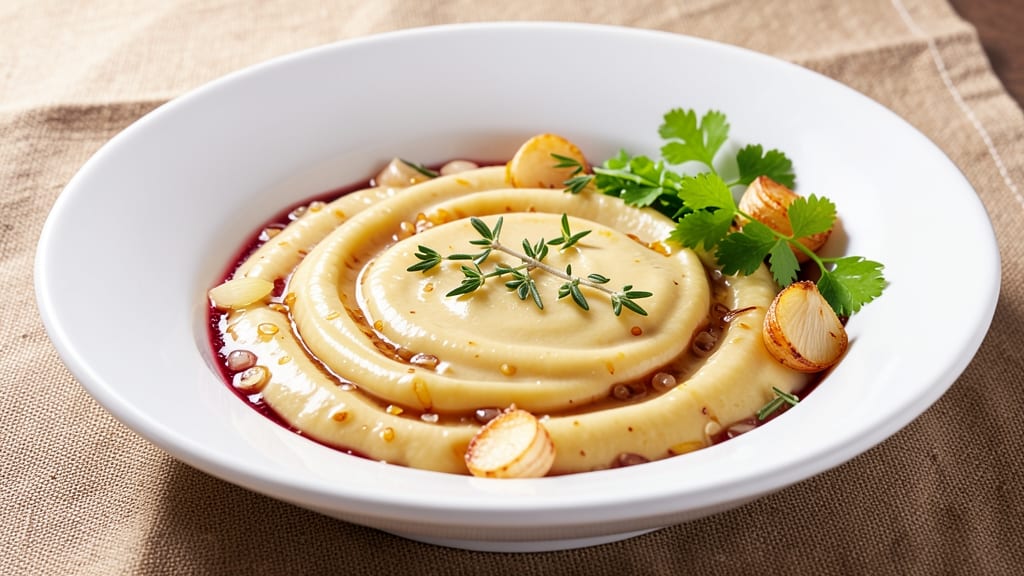
Mastering beurre sauce transforms ordinary dishes into restaurant-quality meals with that signature velvety butter finish. This classic French emulsion—rich, luxurious, and effortlessly elegant—combines butter, wine, and aromatics to create a sauce that clings perfectly to pasta, steak, or fish.
The key lies in precise technique: whisking hot butter into cold wine while maintaining the right temperature to prevent separation.
What sets this beurre sauce apart is its versatility and foolproof method. Unlike many sauces that require constant attention, this one relies on a simple yet precise balance of ingredients and timing.
A splash of white wine adds brightness, while shallots contribute depth, and fresh herbs elevate the flavor without overpowering. The result is a sauce that’s both rich and refined, with a silky texture that enhances rather than overwhelms any dish.
Perfect for elevating weeknight dinners, this sauce delivers restaurant-quality results in just 15 minutes—no advanced skills required. The emulsion technique ensures a smooth, velvety finish every time, and the flavor profile adapts seamlessly to different proteins and vegetables.
Whether drizzled over al dente pasta, seared steak, or roasted asparagus, it adds a touch of sophistication that feels effortless.
Ready to master this timeless technique? The instructions break down the process step-by-step, including troubleshooting tips for a perfect emulsion. Once you try it, you’ll never go back to store-bought sauces again.
Ingredients for beurre sauce
Eight ingredients, one luxurious sauce—this beurre sauce is your secret weapon for restaurant-worthy dishes.
| Ingredient | Amount | Notes |
|---|---|---|
| Unsalted Butter 🧈 | 1 cup | Cold, cubed for emulsion |
| Dry White Wine 🍷 | 1 cup | Chilled, good quality |
| Shallots 🧅 | 2 whole | Finely minced, vibrant color |
| Fresh Thyme Leaves 🌿 | ¼ cup | Stems removed, packed |
| Fresh Parsley Leaves 🌿 | ⅛ cup | Chopped, bright green |
| Garlic Cloves 🧄 | 2 cloves | Peeled, finely minced |
| Diamond Crystal Kosher Salt 🧂 | ¼ tsp | Fine grain preferred |
| Freshly Ground Black Pepper 🌶️ | ⅛ tsp | Freshly cracked preferred |
| Lemon Juice 🍋 | 1 tbsp | Freshly squeezed |
The butter is non-negotiable—European-style unsalted (like Plugrá or Miyoko's) has the perfect fat content for a silky emulsion. Cold cubes are key: melt them gradually over low heat to avoid scorching. For the wine, Sauvignon Blanc or Pinot Grigio adds brightness, but any dry white works. Trader Joe's or Total Wine often carry affordable bottles perfect for this. Shallots should be vibrant purple-red, not dried out—Whole Foods or specialty markets have the freshest. Fresh herbs? Grow your own or hit the farmers market—the flavor difference is night and day. If you're using dried, reduce to one-third the amount.
No white wine? Substitute with dry vermouth or chicken stock, but add a splash of lemon juice to brighten. Short on shallots? Extra-fine onion powder at half the amount works, but the flavor won't be as nuanced. Butter too expensive? Brown it first—the nutty depth adds complexity. Fresh herbs wilting? Freeze them in ice cube trays with olive oil for later use. The lemon juice is optional but worth it for that final pop of acidity. For a richer sauce, add 1 tsp of Dijon mustard to the wine before reducing.
This sauce is best made fresh—it's 15 minutes of work for a sauce that elevates everything. If you must store it, keep it in a sealed jar in the fridge for up to 3 days, but reheat gently over low heat, whisking constantly. For longer storage, freeze in 2-tbsp portions—thaw in the fridge overnight. Pro tip: Add a splash of warm water when reheating to restore that velvety texture. Once you master this, you'll never buy jarred sauce again—trust me.
Why You'll Love This Recipe
- No Chopping Needed: I swear by this—just slice those shallots thin and let them melt into golden bits. No dicing, no mincing, just a quick knife swipe while you wait for the butter to foam.
- Wine’s Secret Boost: That splash of dry white wine? It’s not just for show—it cuts through the richness and leaves you with a sauce that’s bright, tangy, and ridiculously balanced. (Pro tip: save the leftover wine for a backup glass.)
- Dinner Party Ready: Slather it over steak, drizzle it on roasted veggies, or toss it with pasta—it turns even the simplest meal into something that looks (and tastes) like you spent hours in the kitchen. My go-to for last-minute gatherings.
- Leftovers That Shine: This sauce keeps like a dream—just reheat with a splash of water or stock, and it’s smoother than ever. Honestly, I make double batches just to have it on hand for lazy nights or unexpected company.
Step-by-step instructions for beurre sauce recipe
Here's the method for crafting an impossibly smooth, velvety butter emulsion that elevates any dish.
Create the Butter-Wine Base
Place the 1 cup unsalted butter (cubed and cold) in a heavy-bottomed saucepan over medium-low heat. Let it melt slowly while whisking constantly with a wire whisk—this prevents burning. Once fully melted, remove from heat and immediately add the 1 cup chilled dry white wine. The wine should sizzle slightly as it hits the hot butter.
Return the pan to low heat and simmer gently for 3-4 minutes until the wine reduces by about half, leaving behind a rich, aromatic liquid. You'll notice the butter begins to emulsify slightly, creating a satin-smooth texture. This reduction step is crucial—it concentrates the wine's flavors while building the sauce's structure. If the mixture looks too thin at this stage, don't worry; the butter will thicken it as we proceed.
Sweat the Aromatics
In a separate small skillet, combine the 2 finely minced shallots and 2 finely minced garlic cloves over low heat. Cook them gently for 4-5 minutes, stirring frequently, until they become translucent but never brown. This process, called sweating, draws out their sweetness without bitterness—essential for a balanced sauce.
Add the 0.25 cup fresh thyme leaves and 0.125 cup fresh parsley leaves to the skillet. Stir for 30 seconds to infuse their flavors, then immediately transfer the aromatic mixture to the butter-wine base in the saucepan. Stir vigorously to combine, letting the herbs steep in the warm emulsion for 1 minute before removing them with a slotted spoon. This brief infusion ensures maximum flavor without making the sauce herb-heavy.
Season and Emulsify
Return the sauce to low heat and whisk in the 0.25 tsp diamond crystal kosher salt and 0.125 tsp freshly ground black pepper. Add the 1 tbsp freshly squeezed lemon juice and stir continuously for 1 minute—this brightens the sauce and balances the richness of the butter. The sauce should now have a glossy sheen and coat the back of a spoon.
Here's where the magic happens: while maintaining low heat, whisk in the 1 cup melted butter (from the saucepan) drop by drop, allowing each addition to fully incorporate before adding more. This gradual incorporation creates the perfect emulsion—smooth, velvety, and completely stable. If the sauce breaks (separates), immediately add 1-2 tablespoons of hot water from the pasta water (if making pasta) or a splash of wine to re-emulsify. This technique ensures your sauce remains luscious and cohesive.
Finish and Serve
Once all the butter is incorporated and the sauce reaches a silky, mayonnaise-like consistency, remove it from heat immediately. Taste and adjust seasoning—you may need a touch more salt or lemon juice to perfect the balance. The sauce should be rich but not overpowering, with bright herbal notes and a subtle acidity from the lemon.
For the ultimate presentation, strain the sauce through a fine-mesh sieve to remove any herb stems or impurities, then drizzle generously over fresh pasta or seared seafood. The sauce should cling beautifully, creating a luxurious coating with every bite. Serve immediately while warm—this velvety emulsion is at its peak when freshly made and paired with hot dishes.
Pro Tips For Making Beurre Sauce
- Sweat Shallots Slow: DESCRIPTION: I learned this the hard way—rushing the shallots turns them bitter. Drop them in a cold pan, turn heat to medium-low, and let them cook for 8-10 minutes until translucent and just starting to soften. No browning, no rushing—this is where the flavor hides.
- Deglaze with Wine: DESCRIPTION: Pour that white wine in all at once, then immediately scrape up those browned bits with a wooden spoon. Let it bubble for 30 seconds before reducing—this pulls every last drop of flavor from the pan. Skimp here, and your sauce will taste flat.
- Butter in Stages: DESCRIPTION: Add the butter gradually—first a pat to coat the wine, then the rest in small chunks while stirring constantly. If you dump it all at once, you’ll end up with a greasy mess instead of a silky sauce. Patience here makes the difference.
- Strain for Smoothness: DESCRIPTION: No one likes chunks of thyme or parsley in their sauce. After simmering, strain through a fine-mesh sieve into a clean bowl—yes, even if it means extra work. The texture will be velvety, and your guests will notice.
Creative variations of this beurre sauce
Wine Variations
Swap the white wine for red wine to create a deeper, more robust sauce—perfect for beef or lamb dishes. Use 1 cup dry red wine like Cabernet Sauvignon or Pinot Noir, reducing it by half first to concentrate the flavors.
The sauce will have a richer, slightly earthier profile that pairs beautifully with grilled meats. For a sparkling twist, replace the white wine with ½ cup dry sparkling wine and ½ cup still white wine—the bubbles add a luxurious lightness that works wonders over seafood. 🍷
Vegetable-Based Emulsions
For a dairy-free version, replace butter with avocado oil or olive oil and use vegetable stock instead of wine. Add 1 tbsp lemon juice and 1 tsp Dijon mustard to help emulsify the oil. This lighter sauce works perfectly over roasted vegetables or grilled tofu.
I’ve also made a cashew beurre sauce by blending ½ cup soaked cashews with ½ cup warm water until smooth, then whisking in the reduced wine and aromatics. The result is creamy, nutty, and surprisingly rich. 🌿
Herb and Citrus Infusions
Experiment with different herbs—try tarragon for a classic French touch or basil for a brighter Italian-inspired version. For a citrusy kick, add 1 tbsp grated lemon zest or orange zest to the wine before reducing.
A smoky variation works beautifully with 1 tsp smoked paprika or a dash of liquid smoke—perfect for pairing with barbecued ribs or grilled corn. I love adding 1 tsp grated ginger for a subtle warmth that cuts through the richness. 🍋
Rich Demiglace Twist
Transform your beurre sauce into a demiglace-inspired version by replacing the wine with ½ cup reduced red wine and ½ cup beef stock. Add 1 tbsp tomato paste and 1 tsp Worcestershire sauce for depth, then finish with a 1 tbsp cold butter for shine.
This sauce is decadent enough for special occasions but still quick to make. It’s a game-changer for steak or mushroom dishes, adding a savory, umami-rich layer. 🍲
Sweet and Savory Fusion
Balance sweet and savory by adding 1 tbsp honey or maple syrup to the reduced wine. This works surprisingly well with caramelized onions or grilled pineapple—think of it as a beurre glaze. For a spiced version, stir in ½ tsp ground cinnamon or cardamom during the reduction.
This fusion sauce is perfect for drizzling over roasted squash or seared duck. The contrast of sweet and rich butter creates a memorable flavor experience. 🍯
Global Adaptations
Give your beurre sauce a Japanese twist by adding 1 tsp soy sauce and ½ tsp mirin to the wine reduction. This works beautifully with teriyaki-glazed salmon or sushi rolls.
For a Mexican-inspired version, swap the wine for ½ cup chicken broth and add ½ tsp cumin and a pinch of chili powder. This sauce is fantastic over grilled shrimp or black beans.
The key is to balance the new flavors with the classic butter emulsion technique. 🌎
Nutrition facts
Frequently asked questions
Can I make beurre sauce without wine?
Replace the wine with ½ cup chicken or vegetable stock plus 1 tbsp lemon juice for brightness. For extra richness, add 1 tsp Dijon mustard to help emulsify the butter. This version works beautifully over roasted vegetables or grilled fish.
Why did my beurre sauce separate?
Sauce separation usually happens from temperature fluctuations. Keep everything warm but not boiling—low heat is key. To fix it, whisk in 1-2 tablespoons of hot water or a splash of wine while whisking vigorously. The emulsion should reform instantly.
What's the best way to store leftover beurre sauce?
Store in an airtight container in the fridge for up to 3 days. Reheat gently over low heat, whisking constantly. For longer storage, freeze in 2-tablespoon portions—thaw overnight in the fridge. Add a splash of warm water when reheating to restore that velvety texture.
How can I make this sauce dairy-free?
Swap butter for avocado oil or olive oil and use vegetable stock instead of wine. Add 1 tbsp lemon juice and 1 tsp Dijon mustard to help emulsify. For creaminess, blend ½ cup soaked cashews with ½ cup warm water first, then whisk in the reduced aromatics. The result is luscious and dairy-free!
What are the best proteins to pair with beurre sauce?
This sauce shines with seared scallops, pan-seared chicken, or grilled salmon. For vegetarian options, try drizzling over roasted mushrooms, creamy polenta, or grilled eggplant. The rich, velvety texture complements anything with a slight char or crispy exterior.