
Sauces & Condiments
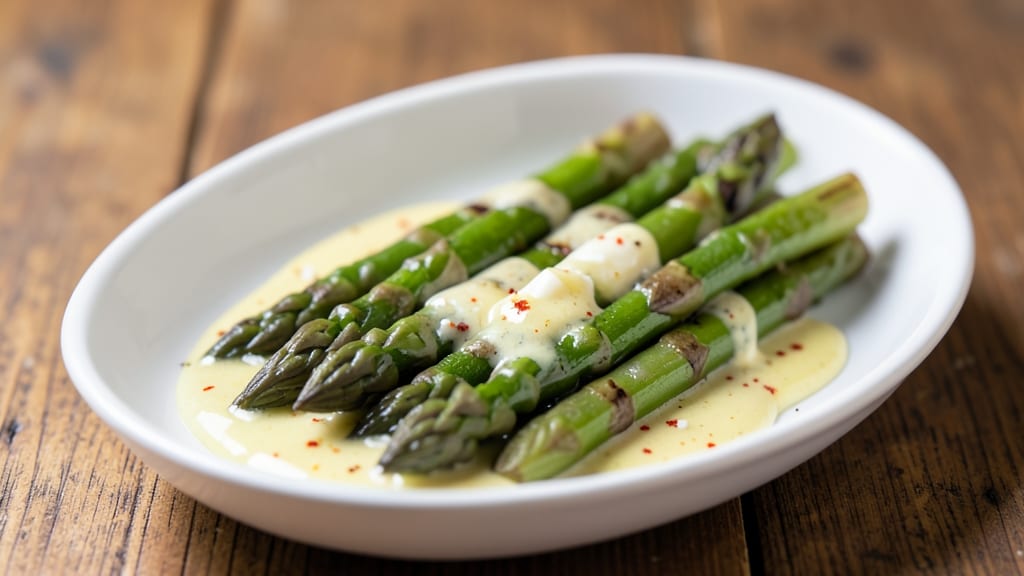
Creating a hollandaise sauce recipe with velvety texture and perfect clarity is an art that elevates dishes like eggs Benedict or grilled asparagus to restaurant-quality standards. The secret lies in precise temperature control and gentle emulsification—where butter, egg yolks, and lemon juice unite to form a rich, golden sauce.
I’ve perfected this method over years, ensuring a foolproof technique that works every time, whether you’re using a double boiler or a microwave shortcut.
The foundation of a great hollandaise starts with warm egg yolks and melted butter, combined slowly to prevent separation. A splash of lemon juice adds brightness, while constant whisking creates that signature silky emulsion.
What sets this recipe apart is its balance of simplicity and precision—no guesswork, just reliable results that transform ordinary meals into something extraordinary. The key is patience; rushing leads to broken sauce, but with the right technique, you’ll achieve a smooth, glossy finish every time.
By the end, you’ll have a sauce that’s velvety yet light, with a delicate tang that complements rich proteins or delicate vegetables. The clarity and shine of a perfect hollandaise are unmistakable—a testament to careful technique.
Whether drizzled over poached eggs, grilled fish, or roasted vegetables, this sauce delivers a luxurious touch that feels like a chef’s secret.
For those short on time, I’ll share a microwave method that still delivers professional results, though the traditional double boiler remains the gold standard. The choice is yours—both techniques are included to ensure success, no matter your kitchen setup. Let’s get started on mastering this classic sauce.
Ingredients for hollendaise sauce
Eight ingredients, one golden masterpiece—where precision meets luxury in every velvety spoonful.
| Ingredient | Amount | Notes |
|---|---|---|
| Large Egg Yolks 🥚 | 3 whole | Fresh, room temperature preferred |
| Unsalted Butter 🧈 | ½ cup | Cold, cut into 1-inch cubes |
| Fresh Lemon Juice 🍋 | 1 tbsp | From organic lemons, strained |
| Distilled White Vinegar 🍶 | 1 tsp | For acidity balance |
| Diamond Crystal Kosher Salt 🧂 | ½ tsp | Fine grain for delicate seasoning |
| Freshly Ground White Pepper 🌶️ | ¼ tsp | For subtle peppery depth |
| Cayenne Pepper 🔥 | ⅛ tsp | Adjust for subtle heat |
| Cold Water 💧 | 2 tbsp | For emulsification rescue |
The butter and egg yolks are your power duo—European-style unsalted butter (like Plugrá) gives the richest flavor, while room-temperature yolks emulsify like magic. Whole Foods or Trader Joe's carry the good stuff, but any high-quality brand works. The key? Cold butter cubes melt gradually, creating that signature gloss. For the yolks, free-range organic adds depth, though regular eggs still deliver. Pro tip: Separate yolks just before cooking to avoid oxidation—stale yolks break emulsions.
No fresh lemon juice? Bottled works in a pinch, but fresh is non-negotiable for that bright tang. Vinegar substitute? White wine vinegar at half the amount keeps the balance. The pepper trio—white, black, and cayenne—adds complexity without overpowering. Pre-ground pepper loses potency, so grind fresh if possible. For a milder sauce, skip the cayenne entirely. The cold water is your secret weapon: if the sauce breaks, add 1 tsp at a time while whisking—it’s the only way to save it.
This sauce is best made fresh but reheats beautifully. Double boiler only—microwaving ruins the emulsion. Store any leftovers in an airtight container with a thin layer of plastic wrap pressed against the surface to prevent a skin. Good for 2 days in the fridge, though it’s so good you’ll use it all. For serving, keep the sauce warm in a thermos or insulated container—it stays stable for hours, perfect for brunch crowds.
Why You'll Love This Recipe
- No Fuss, Big Payoff: I’ll be real—this sauce takes five ingredients and zero fancy gadgets. Just yolks, butter, lemon, vinegar, and a whisk (or immersion blender if you’re impatient). The vinegar’s there to stabilize it, but honestly? It’s the butter melting into those yolks that does all the heavy lifting.
- Rich Without Trying: That first spoonful of silky, buttery richness with a bright lemon tang? It’s like a hug for your taste buds. The salt cuts through the richness just enough, and the vinegar keeps it from curdling—so you get that perfect, velvety texture every time.
- Eggs Benedict Any Day: Between us, this isn’t just for fancy brunches. Drizzle it over grilled asparagus, roasted potatoes, or even a simple omelet. I’ve even used it to jazz up a bowl of ramen when I’m craving something indulgent but still quick.
- Leftovers? No Problem: The sauce thickens as it cools, so I often make a double batch and refrigerate it. To reheat, just whisk in a splash of warm water—it comes back together like it was fresh. And because it’s mostly butter and eggs, it’s way cheaper than store-bought versions.
Step-by-step instructions for velvety hollandaise sauce
This method guarantees a silky, perfectly balanced hollandaise every time—no curdling, no guesswork.
Whisk Egg Yolks and Seasonings to Room Temperature
Place the 3 whole Large Egg Yolks in a heatproof bowl that fits snugly over your saucepan. Add the 0.5 teaspoon Diamond Crystal Kosher Salt, 0.25 teaspoon Freshly Ground White Pepper, and 0.125 teaspoon Cayenne Pepper. Whisk vigorously for 1 minute until the mixture lightens slightly and becomes slightly thickened. This step is critical—room temperature yolks emulsify better and prevent scrambling.
Here's the thing—if your yolks are cold, they won't incorporate as smoothly. I like to let them sit at room temperature for 10 minutes before starting, especially if they came straight from the fridge. The goal is a pale, slightly viscous mixture that coats the back of your spoon. This ensures your sauce will have that signature glossy, velvety texture.
Create a Gentle Double Boiler and Temper the Yolks
Fill a saucepan with 2 inches of water and bring to a gentle simmer—you want small bubbles breaking the surface, not a rolling boil. Place the bowl with yolks and seasonings over the pan, ensuring the bottom doesn't touch the water. This indirect heat is what transforms raw yolks into silky sauce without scrambling them.
Now, add the 0.5 cup Unsalted Butter, cut into 1-inch cubes, to the bowl. Whisk continuously as the butter begins to melt. The butter should melt gradually—about 3-4 minutes—while you whisk constantly. You'll see the mixture transform from a thick paste to a pale, creamy emulsion. If the sauce starts to look too thick or separates slightly, this is normal and will correct itself as you continue whisking.
Incorporate Acid and Finish with Precision
Once the butter is fully incorporated and the sauce has thickened to a pudding-like consistency, remove the bowl from heat. Add the 1 tablespoon Fresh Lemon Juice and 1 teaspoon Distilled White Vinegar simultaneously while whisking vigorously. The acidity is what gives hollandaise its signature tang and helps stabilize the emulsion. You'll notice the sauce may temporarily thin out—this is expected and will correct itself as it cools slightly.
Return the bowl to the double boiler for 1-2 minutes if needed, whisking constantly, until the sauce reaches your desired thickness. It should coat the back of a spoon but still flow smoothly. Taste and adjust seasoning—you might need a pinch more salt or a dash of cayenne to achieve that perfect balance of richness and brightness. The sauce should be luxurious, with a velvety mouthfeel and a clean, buttery finish.
Rescue and Serve with Confidence
If at any point your sauce breaks or becomes too thick, don't panic. Simply add 1 tablespoon Cold Water at a time while whisking vigorously. The water will help break up any lumps and restore the emulsion. Hollandaise is forgiving—just keep whisking and it will come back together beautifully.
Serve the hollandaise immediately over poached eggs, asparagus, or steak. The sauce should be warm but not hot, with a glossy sheen that indicates perfect emulsification. Each spoonful should deliver that unmistakable buttery richness with a bright, acidic finish. This is the moment you've been working toward—smooth, velvety perfection that elevates any dish.
Pro Tips For Making Hollendaise Sauce
- Temper Butter Slowly: If you dump cold butter into warm yolks, you’ll scramble them faster than a panicked chef. Melt the butter first, then let it cool just until it’s liquid but not steaming—about 10 seconds off the heat. Pour it in a thin, steady stream while whisking like your life depends on it.
- Use Vinegar First: I used to add lemon juice early, and the sauce would curdle before it even thickened. Start with 1 teaspoon of vinegar in the yolk mixture—it stabilizes the emulsion better than anything. The lemon comes in later, right before serving, so it stays bright and tangy.
- Strain It Now: Hollandaise is supposed to be silky, not lumpy. After the sauce comes together, strain it through a fine-mesh sieve into a pre-warmed bowl. Yes, it’s an extra step, but the difference between "good" and "restaurant-quality" is in those last few stray bits of cooked yolk.
- Salt the Yolks: Most recipes say to salt at the end, but I’ve ruined more sauces than I’d like to admit by waiting. Mix ½ teaspoon of kosher salt directly into the yolks before you even start heating them—it prevents curdling and balances the acidity from the vinegar and lemon. Trust me, it’s not overdoing it.
Troubleshooting this dish
Broken Emulsion Fix
If your hollandaise separates into butter and curdled yolks, don’t toss it—this is the moment to save it. The key is cold water, which helps re-emulsify the broken sauce. Add 1 tablespoon cold water while whisking vigorously.
If needed, repeat with ½ tablespoon increments until smooth. I’ve rescued even the most stubborn broken sauces this way—just keep whisking! The water breaks up the lumps and restores that velvety texture. 💧
Temperature Control
Hollandaise is extremely temperature-sensitive, so maintaining a gentle simmer (not a boil) is critical. If the water in your double boiler gets too hot, the yolks will scramble instead of emulsify. I recommend using a thermometer to keep water between 160-170°F—this ensures the yolks heat slowly and evenly.
If the sauce starts to look too thick, it’s likely overheating. Remove from heat immediately and whisk in 1 teaspoon cold water to restore balance.
Butter Melting Issues
If your butter isn’t melting smoothly, it’s likely because the cold cubes are too large or the heat isn’t consistent. Cut butter into ¼-inch cubes for faster, even melting. Also, ensure your double boiler setup is snug—the bowl should sit just above the water, not touching.
If the butter separates, whisk in 1 teaspoon lemon juice to help re-emulsify. Pro tip: Use European-style butter like Plugrá—it has a higher fat content, which makes emulsification easier. 🧈
Sauce Too Thin?
A runny hollandaise usually means overheating or insufficient butter. If the sauce is too thin, return it to the double boiler for 1-2 minutes, whisking constantly, until it thickens slightly. If it still doesn’t set, whisk in 1 teaspoon additional butter (melted) to restore richness.
Over time, hollandaise naturally thickens as it cools, so don’t panic—just adjust gradually. The goal is a pudding-like consistency that coats the back of a spoon but still flows smoothly.
Lemon Juice Balance
Too much lemon juice can make your hollandaise tart and unstable, while too little leaves it flat. Start with 1 tablespoon fresh lemon juice and adjust to taste—½ teaspoon at a time—after the sauce is fully emulsified.
If it’s too acidic, whisk in ½ teaspoon melted butter to mellow the flavor. For a brighter tang, I sometimes add ¼ teaspoon white wine vinegar alongside the lemon juice. Always use freshly squeezed juice—bottled lemon juice lacks the brightness needed for a balanced sauce. 🍋
Microwave Shortcut Pitfalls
The microwave method is faster but riskier—overheating is the biggest mistake. Pulse the microwave in 10-second bursts at 50% power, stirring between each pulse. If the sauce curdles, immediately transfer it to a double boiler and whisk in 1 tablespoon cold water to rescue it.
For best results, use a microwave-safe bowl and avoid high power settings. I prefer the double boiler method for reliability, but the microwave works in a pinch when you’re short on time. ⏱️
Nutrition facts
Frequently asked questions
Why does my hollandaise sauce sometimes break or separate?
The most common causes are overheating, too much acid (lemon juice), or insufficient whisking. Hollandaise is delicate—maintain a gentle simmer (never boiling) and add acid gradually. If it breaks, whisk in 1 tablespoon cold water to re-emulsify. The key is patience and constant motion!
Can I make hollandaise without a double boiler?
Yes! Use a heatproof bowl over a saucepan with 2 inches of simmering water—just ensure the bowl doesn't touch the water. For a quick fix, try a microwave-safe bowl at 50% power in 10-second bursts, stirring between each pulse. The double boiler is still the gold standard for consistency.
What’s the best way to store leftover hollandaise?
Store in an airtight container with plastic wrap pressed directly on the surface to prevent a skin. It keeps for 2 days in the fridge, but reheat only in a double boiler—microwaving destroys the emulsion. For best results, make fresh when possible.
How do I adjust the flavor if my hollandaise tastes too bland?
Add a pinch more salt, a dash of cayenne, or a splash of fresh lemon juice (½ tsp at a time). For depth, whisk in ½ teaspoon Dijon mustard or a tiny bit of white wine vinegar. Always taste as you go—hollandaise should balance richness with brightness.
What are the best dishes to pair with hollandaise?
Classic pairings include eggs Benedict, grilled asparagus, or steak. It also elevates poached fish, crepes, or even roasted potatoes. The key is matching it with rich or delicate flavors—avoid overly sweet dishes.