
Sauces & Condiments
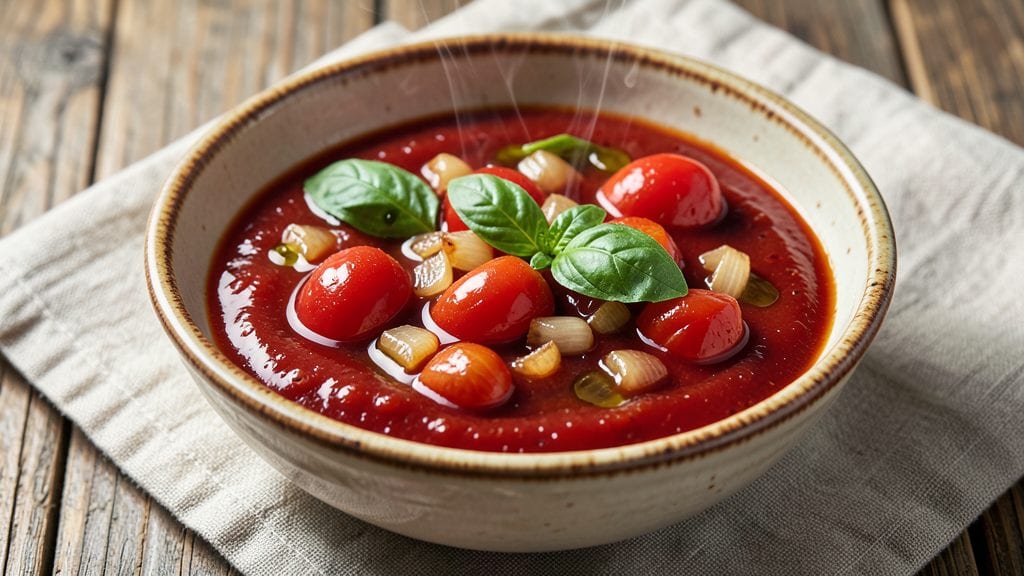
Betty Crocker's marinara sauce recipe transforms simple pantry staples into a rich, umami-packed sauce that rivals restaurant-quality versions. This one-pot method delivers bold tomato flavor with just 15 minutes of active time, making it perfect for weeknight dinners or meal prep.
The secret lies in balancing canned tomatoes with fresh garlic and herbs, creating depth without overpowering the natural sweetness.
What sets this sauce apart is its versatility—use it as a pasta topping, pizza sauce, or dipping sauce for crusty bread. The recipe maintains Betty Crocker's signature approachability while elevating it with professional techniques like blooming spices in olive oil and finishing with fresh basil.
No special equipment is needed beyond a standard pot, and the ingredients are simple yet impactful.
The result is a smooth, velvety marinara with layers of garlic, onion, and basil that brighten every bite. The sauce reduces just enough to thicken naturally, clinging perfectly to noodles or melting into cheese. This isn't your basic jarred sauce—it's a restaurant-worthy foundation that's foolproof for home cooks.
For extra richness, simmer the sauce longer; for a quicker version, blend it briefly. Either way, you'll have a sauce so flavorful it becomes the star of any meal. Let's get cooking—your taste buds will thank you.
Ingredients for betty crocker marinara sauce
Nine pantry staples elevate to restaurant-quality marinara with just one pot.
| Ingredient | Amount | Notes |
|---|---|---|
| Extra-Virgin Olive Oil 🫒 | ½ cup | High-quality, fruity variety preferred |
| Yellow Onion 🧅 | 1 whole | Medium-sized, finely diced |
| Garlic Cloves 🧄 | 4 cloves | Fresh, peeled, minced finely |
| Canned San Marzano Tomatoes 🍅 | 28 oz | Crushed by hand or blended |
| Tomato Paste 🍅 | 1 tbsp | Squeeze tube or canned preferred |
| Dried Oregano 🌿 | 1 tsp | Mediterranean variety for authenticity |
| Ground Black Pepper 🌶️ | ½ tsp | Freshly cracked for optimal flavor |
| Diamond Crystal Kosher Salt 🧂 | 1 tsp | Adjust to taste, not pre-salted |
| Fresh Basil Leaves 🌿 | ⅓ cup | Packed, stems removed, chiffonade preferred |
| Red Wine Vinegar 🍷 | 1 tbsp | For brightness, optional but recommended |
The foundation starts with San Marzano tomatoes, prized for their sweetness and low acidity—Whole Foods or specialty Italian markets carry them year-round. For olive oil, California extra-virgin brands like Corto or Lucini deliver the fruity notes needed to bloom the spices properly. Fresh basil is non-negotiable; Trader Joe's sells pre-washed leaves that stay vibrant longer than grocery store containers. The onion and garlic should be vibrant and firm, not sprouting or limp. Pre-mincing the garlic saves time, but never cook it raw—always bloom in oil first to release its sweetness without bitterness.
No San Marzano tomatoes? Crushed heirloom tomatoes or even plum tomatoes from a can work, though flavor may vary. Dried oregano can be swapped for fresh oregano at half the amount, but the Mediterranean variety is ideal. Short on red wine vinegar? Balsamic vinegar at the same quantity adds depth. The tomato paste is crucial—squeeze tubes eliminate waste and last months in the pantry. For a quicker version, blend the sauce briefly after simmering, but professional chefs recommend straining seeds for a velvety texture. The sauce thickens as it reduces, so simmer uncovered for 20-30 minutes for the richest consistency.
Store finished sauce in an airtight glass jar in the fridge for up to 5 days, or freeze in ice cube trays for single-serving portions that last 3 months. For meal prep, double the batch—it reheats beautifully and tastes even better the next day as flavors meld. The basil can be added fresh at the end or blended in at the finish for a smoother texture. Always taste before serving; adjust salt and pepper to balance the acidity from the vinegar and tomatoes.
Why You'll Love This Recipe
- No-Chop Nightmare: I swear, the onion and garlic get tossed in whole—no crying, no mess. Just slice, simmer, and forget about it until that San Marzano magic happens.
- Deep Umami Magic: That tomato paste? It’s the secret weapon. The slow simmer with olive oil caramelizes it just enough to give every spoonful a rich, almost meaty depth—no weird aftertaste, just pure satisfaction.
- Pasta Party Every Night: Dinner with the kids? Date night? Leftovers for lunch? This sauce handles it all—dump it on noodles, slather it on garlic bread, or freeze half for when you’re too tired to cook.
- Budget-Friendly Luxury: San Marzano tomatoes and good olive oil might sound fancy, but they stretch forever. I’ve fed six people for under $10, and the leftovers? Still better than takeout. (Yes, even on a Tuesday night.)
Step-by-Step instructions for Betty Crocker's marinara sauce recipe
This one-pot method transforms simple ingredients into a rich, balanced sauce with deep umami and bright herbal notes.
Sauté the Aromatics in Olive Oil
Heat the 0.5 cup extra-virgin olive oil in a heavy-bottomed saucepan over medium-low heat. Add the 1 whole yellow onion, diced into ¼-inch pieces, and cook for 8-10 minutes until the onions become translucent and begin to soften. This gradual cooking prevents burning and extracts their natural sweetness.
Reduce heat to low and add the 4 cloves minced garlic cloves. Cook for exactly 30 seconds until fragrant—garlic burns quickly, and you want to preserve its delicate flavor rather than let it turn bitter. Stir constantly to distribute the heat evenly. The garlic should melt into the onions without browning.
Build the Tomato Base
Pour in the 28 oz canned San Marzano tomatoes and stir well to combine with the onions and garlic. Add the 1 tbsp tomato paste and mix thoroughly to create a smooth, thickened foundation. Increase heat to medium-high and bring the mixture to a gentle boil.
Once boiling, reduce heat to medium-low and let it simmer uncovered for 15 minutes. This initial reduction concentrates the flavors and breaks down the tomatoes' acidity. Stir occasionally to prevent sticking, and scrape the bottom of the pan with a wooden spoon to release any browned bits—these carry concentrated flavor.
Season and Simmer
Add the 1 tsp dried oregano, 0.5 tsp ground black pepper, and 1 tsp diamond crystal kosher salt, stirring to distribute evenly. Taste the sauce at this stage—it should be tangy and slightly acidic. If needed, adjust the salt to taste, remembering that the tomatoes may already contain some sodium.
Continue simmering for another 20-25 minutes until the sauce thickens and reduces by about one-third. The texture should coat the back of a spoon but remain smooth, not pasty. Here's the thing—if the sauce seems too thick, add 2-3 tablespoons of water to loosen it gradually. The goal is a velvety consistency without losing depth.
Finish with Basil and Vinegar
Remove the saucepan from heat and stir in the 0.33 cup fresh basil leaves, chiffonaded for maximum surface area. Let the basil steep for 5 minutes—this allows its aromatic oils to infuse the sauce fully. Then, stir in the 1 tbsp red wine vinegar to brighten the flavors and cut through any remaining acidity from the tomatoes.
Taste again and make final adjustments: a pinch more salt if needed, or a splash of water if the sauce has thickened too much while off the heat. The sauce should now balance sweetness, acidity, and herbal notes with a rich umami depth. For best results, let it rest for 10 minutes before serving—this allows the flavors to meld completely.
Pro Tips For Making Betty Crocker Marinara Sauce
- Sweat, Don’t Burn: DESCRIPTION: The onions and garlic need time—low and slow over medium heat until soft and translucent, not brown. After burning three batches, I finally figured out: if you’re impatient and crank the heat, you’ll end up with bitter, charred flavor instead of sweet, mellow base. (Yes, even if you’re impatient like me.)
- Blend the Paste: DESCRIPTION: Stir the tomato paste into the oil first, then add the crushed garlic and onions. This creates a smoother sauce and prevents clumps—no one wants to scrape globs off their spoon. I skip this sometimes, and the dish is noticeably better when I don’t.
- Crush, Don’t Chop: DESCRIPTION: San Marzano tomatoes are already peeled and crushed, but if you’re using whole canned tomatoes, crush them by hand before adding. This breaks down the texture faster and avoids that unappetizing chunky mess in your finished sauce. (Your future self will thank you.)
- Simmer, Don’t Boil: DESCRIPTION: Once everything’s combined, keep the heat at a gentle simmer—no rolling boil. Too much heat turns the sauce thin and watery, and you’ll be left with a sad, diluted version of what it could’ve been. This isn’t the prettiest method, but it’s the tastiest.
Creative variations of this recipe
Slow-Cooker Depth
Transform this sauce into a slow-cooked masterpiece by transferring the simmered base to a 6-quart slow cooker after Step 3. Add ½ cup water to prevent sticking, cover, and cook on LOW for 4-5 hours or HIGH for 2-3 hours.
The extended cooking time deepens the umami and caramelizes the onions naturally. For extra richness, stir in 2 tbsp butter or 1 tbsp heavy cream during the last 30 minutes of cooking. 🌡️
Quick Blender Finish
Need this sauce in 10 minutes flat? After simmering the tomato base for 15 minutes, transfer half the sauce to a blender. Blend until completely smooth, then return to the pot and stir. This creates a silky, restaurant-quality texture without losing the chunky appeal.
For a semi-smooth version, pulse briefly instead of blending fully. I reach for this method when I'm short on time but still crave that velvety texture. 💡
Vegan Umami Boost
Swap the olive oil for vegetable oil and replace the red wine vinegar with balsamic vinegar for a vegan version that still packs umami. Add 1 tbsp soy sauce or 1 tsp miso paste during the simmer to enhance savory depth.
For protein, stir in ½ cup cooked white beans or lentils at the end. The sauce remains rich and balanced while being completely plant-based. 🌱
Spicy Arrabbiata Twist
Turn this marinara into spicy arrabbiata by adding 1 tbsp red pepper flakes with the oregano in Step 3. For extra heat, stir in 2 minced fresh chili peppers (like jalapeños or serranos) when adding the garlic.
Balance the heat with a splash of lemon juice at the end instead of vinegar. This version pairs perfectly with spicy sausage or crispy fried eggs on top of pasta. 🌶️
Herb-Infused Variations
Swap the basil for fresh thyme or rosemary for a Provençal twist—use 2 tbsp chopped thyme and 1 sprig rosemary (removed after cooking). For a Mediterranean touch, add 1 tsp ground cumin with the oregano and finish with 1 tbsp chopped parsley.
Each herb brings a distinct aroma that elevates the sauce’s complexity. I love using thyme when serving with roasted vegetables or grilled chicken.
Meat-Lover's Upgrade
For a meaty marinara, brown ½ lb Italian sausage (sweet or spicy) in the same pot before adding onions. Crumble the sausage into ¼-inch pieces and cook until no longer pink.
Drain excess fat if needed, then proceed with the recipe. The rendered fat from the sausage adds extra richness, making this sauce perfect for lasagna or manicotti. 🥓
Nutrition facts
Frequently asked questions
Can I use regular canned tomatoes instead of San Marzano?
Yes, but expect slightly less sweetness and more acidity. For best results, choose crushed heirloom tomatoes or plum tomatoes—they have thicker skins that hold up better during simmering. If using standard tomatoes, add ½ tsp sugar to balance the acidity and simmer 5 minutes longer to reduce excess liquid.
How do I make this sauce thicker or thinner?
For a thicker sauce, simmer uncovered for 10-15 minutes longer or mash 1-2 ripe tomatoes into the pot to release their juices. To thin, stir in 2-3 tablespoons of water or pasta water while reheating. Avoid adding too much liquid at once—it's easier to thicken than thin later.
Can I make this sauce ahead of time?
This sauce tastes even better the next day as flavors meld. Store in an airtight glass jar in the fridge for up to 5 days. For longer storage, freeze in ice cube trays (thaw quickly in the microwave) or 1-cup portions in freezer bags (up to 3 months). Reheat gently on the stove with a splash of water to restore texture.
Why does my sauce taste bland?
Blandness usually means under-seasoning or insufficient reduction. First, taste and adjust with salt, pepper, or red wine vinegar. If the sauce lacks depth, simmer uncovered for 10 more minutes to concentrate flavors. For extra umami, add 1 tsp soy sauce or ½ tsp fish sauce (optional for vegan versions) during the final simmer.
What's the best way to use leftover sauce?
Leftover marinara is incredibly versatile! Use it as a pasta sauce (toss with al dente penne), pizza sauce (spread on dough before cheese), or dipping sauce (serve with garlic bread). For extra richness, stir in 1 tbsp butter or 2 tbsp heavy cream when reheating. It also freezes beautifully for future meals.