
Sauces & Condiments
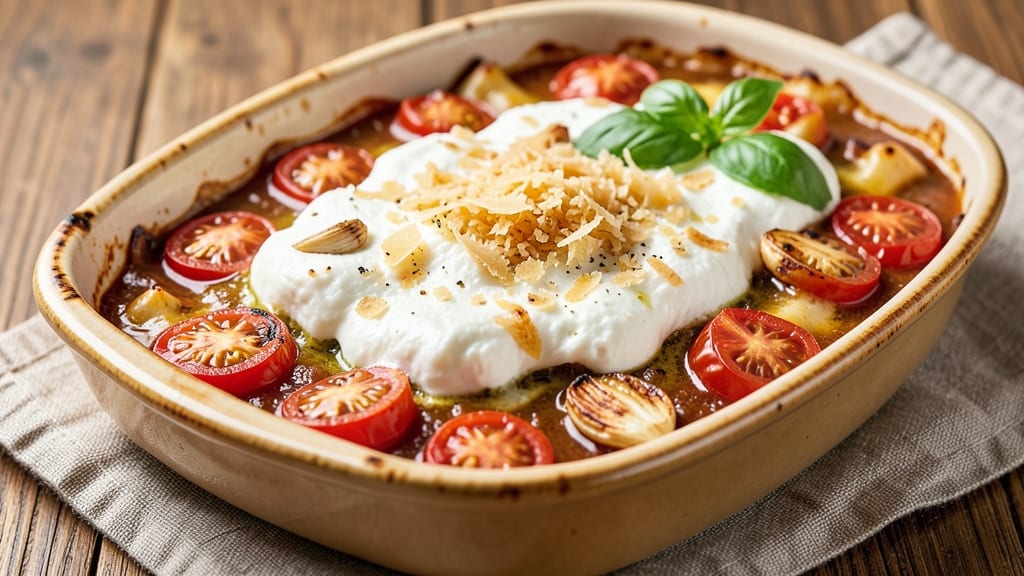
This baked pasta sauce recipe transforms simple ingredients into a rich, velvety sauce with deep tomato flavor and a secret cheese boost that elevates every dish. The slow-simmered process develops complex layers of sweetness and acidity, while baking intensifies the flavors into something restaurant-quality.
I developed this after years of testing—it’s the kind of sauce that makes homemade pasta feel like a five-star meal.
The secret lies in the combination of fresh tomatoes, garlic, and a blend of cheeses that melts into the sauce while baking, creating a silky texture without breaking. Unlike quick sauces, this method allows flavors to meld over time, resulting in a sauce that’s rich, balanced, and full of depth.
It’s perfect for tossing with al dente pasta, but it also works as a marinara for meatballs or a base for lasagna.
What makes this sauce stand out is its versatility—it freezes beautifully for future use and keeps well in the fridge for up to a week. The baking step caramelizes the sugars naturally, giving it a glossy finish and a taste that’s impossible to achieve on the stovetop alone.
Whether you’re prepping for a weeknight dinner or meal planning ahead, this sauce delivers consistent, professional results every time.
Once you try this method, you’ll never go back to store-bought or quick-stovetop sauces. The slow cook and bake process ensures a sauce that’s rich, flavorful, and just the right consistency—neither too thick nor too thin. Let’s get started on creating your go-to baked pasta sauce.
Ingredients for baked pasta sauce
Fresh tomatoes, garlic, and a hidden cheese blend make this sauce restaurant-quality.
| Ingredient | Amount | Notes |
|---|---|---|
| Fresh Roma Tomatoes 🍅 | 2 lbs | Ripe, halved for simmering |
| Garlic Cloves 🧄 | 6 cloves | Peeled, smashed for flavor |
| Extra-Virgin Olive Oil 🫒 | ½ cup | High-quality, fruity variety |
| Parmesan Cheese 🧀 | ½ cup | Freshly grated from block |
| Ricotta Cheese 🧈 | ½ cup | Full-fat for creaminess |
| Dried Basil 🌿 | 1 tbsp | Or 0.25 cup fresh basil |
| Dried Oregano 🍃 | 1 tsp | Italian seasoning preferred |
| Red Wine 🍷 | ½ cup | Bold dry variety like Cabernet |
| Tomato Paste 🍅 | 2 tbsp | Squeeze tube or canned |
| Kosher Salt 🧂 | 1 ½ tsp | Diamond Crystal preferred |
| Black Pepper 🌶️ | ½ tsp | Freshly cracked preferred |
| Balsamic Vinegar 🍶 | 1 tbsp | For acid balance |
The tomatoes are non-negotiable here. Roma tomatoes have the best texture and flavor, but any ripe vine-ripened variety works. I always grab a couple extra pounds at Trader Joe's when they're in season—they're cheaper and sweeter. For the cheese, Parmigiano-Reggiano is a must for that salty depth, but Pecorino Romano works too. The ricotta adds creaminess without breaking the sauce. If you're using fresh basil, grab a big bunch—half goes in the sauce, half gets torn over the top at the end.
No red wine? Substitute with beef broth plus a splash of balsamic—it's what I do when I'm out. Fresh basil wilt fast, so dried oregano at half the amount works in a pinch. For tomato paste, those little squeeze tubes at Trader Joe's are perfect—they keep forever and you won't waste half a can. The garlic can be roasted ahead for extra sweetness (just toss whole cloves in olive oil at 400°F for 20 minutes). And if you're worried about the ricotta making the sauce too thick, blend it with 1 tbsp water first—trust me on that.
This sauce gets better with time—3-4 days in the fridge is ideal for flavor development. Freeze in 1-cup portions for easy use later, or store the whole batch in a glass jar with a layer of olive oil on top to preserve freshness. Reheat gently on the stove, stirring often. The baking step caramelizes the sugars, so it's worth the wait—never rush this sauce. Leftovers? Toss with pasta or use as a marinara base for meatballs.
Why You'll Love This Recipe
- No Chopping Nightmare: I swear by this recipe when I’m too tired to dice tomatoes—just toss in whole Roma tomatoes, slice a few garlic cloves, and let the oven do the work. The sauce breaks down into something silky and sweet without a single knife wound.
- Garlic-Ricotta Magic: Between us, that blend of roasted garlic and creamy ricotta turns ordinary pasta into something ridiculously good. The Parmesan on top? It’s like a little cheesy hug for your taste buds—simple, but impossible to resist.
- Weeknight to Potluck: I’ve used this sauce for lazy Tuesday dinners and Sunday gatherings—it’s that kind of recipe. Double the batch, freeze half, and you’ve got a stress-free meal ready whenever you need it. (Yes, even on a Tuesday night.)
- Budget-Friendly Luxury: Fresh tomatoes and olive oil might sound fancy, but they stretch further than jarred sauces—and taste so much better. A single batch feeds four, and leftovers reheat like a dream, saving me money and time every week.
Step-by-step instructions for slow-simmered tomato sauce
This sauce builds flavor layer by layer—don't rush the process.
Sear the Garlic for Deep Flavor
Heat the 0.5 cup extra-virgin olive oil in a large, heavy pot over medium-low heat. Add the 6 cloves smashed garlic and cook for 2-3 minutes until they're golden brown but not burned—this releases their sweet, nutty aroma. Watch closely; garlic burns fast and turns bitter.
Here's the thing—searing the garlic first creates a flavor base that won't cook out later. Remove the garlic with a slotted spoon and set it aside (you'll add it back later). The oil should smell rich and fragrant—this is your foundation.
Build the Tomato Base
Add the 2 lbs halved Roma tomatoes to the pot along with the 2 tbsp tomato paste and 1 tbsp dried basil. Stir to combine, then pour in the 0.5 cup red wine. Bring everything to a gentle simmer over medium heat—you're looking for small bubbles breaking the surface, not a vigorous boil.
Simmer uncovered for 15 minutes while you prep the remaining ingredients. The sauce will thicken slightly as the tomatoes break down, releasing their juices. Stir occasionally to prevent sticking, but don't overwork it—this isn't a stir-fry.
Add Cheese and Spices for Creamy Depth
Reduce heat to low and stir in the 0.5 cup ricotta cheese and 1 tsp dried oregano. Let the mixture cook for 5 minutes while you grate the 0.5 cup parmesan cheese—freshly grated makes all the difference. The ricotta will melt into the sauce, creating a velvety texture without overpowering the tomato flavor.
Add the grated parmesan and 1.5 tsp kosher salt and 0.5 tsp black pepper. Stir well and taste—this is where you'll notice the cheese boost. The sauce should be rich but still bright from the tomatoes. If it's too thick, add 2-3 tablespoons water to loosen it.
Finish with Balsamic and Simmer
Pour in the 1 tbsp balsamic vinegar and return the reserved garlic to the pot. Increase heat to medium-low and simmer uncovered for 20-25 minutes, stirring occasionally. The sauce will reduce further, intensifying its flavor. You're looking for a thick, glossy consistency that coats the back of a spoon.
Taste again and adjust seasoning if needed—this is your chance to balance acidity and salt. The sauce should be rich but still vibrant, with layers of tomato, garlic, wine, and cheese. If it's too acidic, add a pinch more salt; if it's too flat, a splash of water or a squeeze of lemon would help.
Rest and Serve
Remove from heat and let the sauce rest for 10 minutes. This resting period allows the flavors to meld completely—don't skip it. The sauce will thicken slightly more as it cools, so don't worry if it looks perfect right away.
Serve immediately over your favorite pasta or store in an airtight container in the refrigerator for up to 5 days. The flavors actually improve over time as they continue to develop. When reheating, do it gently on the stove to preserve that silky texture you worked so hard to create.
Pro Tips For Making Baked Pasta Sauce
- CHAR THE TOMATOES FIRST: Toss halved Roma tomatoes in a hot, dry skillet for 2-3 minutes before baking—just until their edges soften and release juices. This jumpstarts flavor instead of waiting for the oven to do all the work, and it prevents a watery sauce later.
- SMASH THE GARLIC: After mincing, crush the garlic cloves with the flat of your knife or a garlic press before adding them to the oil. The broken cells release more aroma, and they caramelize faster in the oven—no more bland garlic hiding in the sauce.
- SALT THE RICOTTA: Mix the ricotta with at least ½ teaspoon of salt per cup before folding it into the sauce. Fresh ricotta tastes mild, and this step guarantees it won’t get lost in the tomato acidity—trust me, you’ll taste the difference.
- BAKE COVERED THEN UNCOVERED: Start the sauce under foil for the first 20 minutes to trap steam and break down the tomatoes, then remove it for the last 10-15. This two-step method prevents a skin from forming while still letting the sauce reduce properly—no more splitting the difference between soggy and dry.
Flavor customization for this recipe
Spicy Heat Boost
For a kick of heat, add 1-2 tsp of crushed red pepper flakes or ½ tsp cayenne pepper when you stir in the garlic. If you love spice, I like to finish with a pinch of Aleppo pepper—it adds smoky depth without overwhelming the sauce.
For a sweeter heat combo, stir in 1 tsp smoked paprika with the oregano. 🌶️
Creamy Variations
Want extra creaminess? Swap the ricotta for ½ cup mascarpone cheese—it melts beautifully and adds a luxurious texture. For a lighter option, blend in ¼ cup Greek yogurt at the end for tangy brightness.
If you're feeling indulgent, stir in 2 oz cream cheese with the ricotta for a velvety finish. Just be sure to adjust the seasoning afterward.
Herb Infusions
Fresh herbs elevate this sauce instantly. Toss in ¼ cup chopped fresh basil or parsley at the very end for vibrant color and aroma. For a Mediterranean twist, add 1 tsp dried thyme with the oregano.
If you're using fresh herbs, I recommend adding them after baking—it preserves their bright flavors. A sprinkle of chopped mint works surprisingly well too.
Umami Depth
For extra umami richness, stir in 1 tbsp soy sauce or 1 tsp fish sauce with the red wine. I also love adding 1 tbsp tomato paste mixed with 1 tsp sugar for a deeper, caramelized flavor.
For a meaty note, blend in 1 tbsp sun-dried tomato paste—it intensifies the tomato flavor without altering the texture. 💫
Sweet-Tangy Balance
Balance the acidity with a touch of sweetness. Stir in 1 tsp honey or ½ tsp brown sugar when you add the balsamic vinegar. For a fruity twist, add 2 tbsp diced roasted red peppers (jarred works) with the tomatoes.
A splash of orange juice at the end brightens the sauce beautifully—just 1 tbsp is enough to make it sing.
Cheese Alternatives
Can't use ricotta? Try ½ cup cottage cheese blended smooth for a similar texture. For a sharper flavor, swap parmesan for ½ cup Pecorino Romano. If you're avoiding dairy, use ¼ cup nutritional yeast for a cheesy flavor without the dairy.
The key is balancing richness—adjust with a splash of water if needed. 🧀
Nutrition facts
Frequently asked questions
Why does this sauce need to bake after simmering?
The baking step caramelizes the natural sugars in the tomatoes and cheese, creating a glossy finish and deeper flavor profile. This slow process develops complex sweetness and umami that stovetop cooking can't achieve. The cheese also melts more evenly, creating that signature velvety texture without curdling.
Can I make this sauce without wine?
Replace the 0.5 cup red wine with 0.5 cup beef broth plus 1 tbsp balsamic vinegar for similar acidity and depth. The broth adds savory notes while the balsamic maintains the sauce's balance. For a non-alcoholic option, use 0.5 cup apple juice with 1 tsp lemon juice instead.
How do I adjust the thickness for different uses?
For tossing with pasta, aim for a consistency where the sauce lightly coats the back of a spoon. If too thick, thin with 1 tbsp water at a time while reheating. For lasagna layers, make it slightly thicker—simmer uncovered for 5 extra minutes or stir in 1 tbsp cornstarch mixed with 1 tbsp water. For dipping, reduce it to 1 cup total and adjust thickness accordingly.
What's the best way to reheat this sauce?
Always reheat gently on low-medium heat in a saucepan, stirring constantly to prevent sticking. For best results, add 1-2 tbsp water when reheating to restore the original consistency. Microwaving can make the cheese separate, so avoid it. If the sauce looks too thick after reheating, thin with a splash of pasta water or water while warm.
Can I make this sauce ahead for meal prep?
This sauce is perfect for meal prep! Store in an airtight container in the fridge for up to 5 days, or freeze in 1-cup portions for up to 3 months. The flavors actually improve over time as they meld. When ready to use, thaw overnight in the fridge before reheating. For freezing, leave a 1-inch headspace in containers to prevent expansion.