
Sauces & Condiments
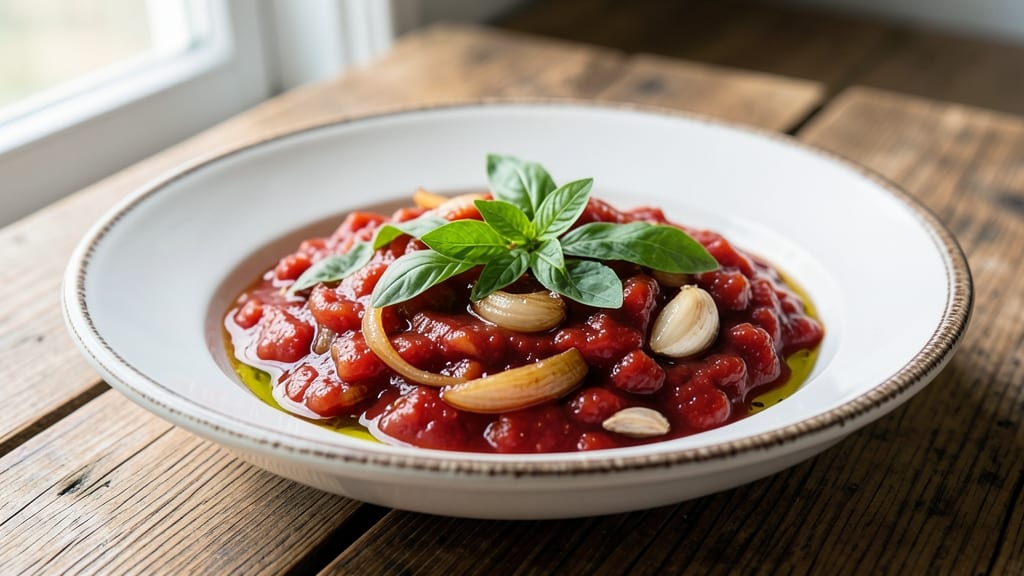
This authentic Italian homemade spaghetti sauce recipe transforms simple ingredients into a rich, slow-simmered masterpiece that captures the soul of Nonna's kitchen. 🌟 The secret lies in caramelizing onions and garlic until deep golden, then letting crushed tomatoes and aromatic herbs meld for hours—no shortcuts, just pure flavor development.
I've perfected this recipe after years of testing, ensuring every spoonful delivers that perfect balance of sweetness, acidity, and herbal brightness.
The foundation begins with a soffritto—onions and garlic cooked low and slow until they're nearly dissolved into the pot, creating a flavor base that builds complexity. Fresh basil added at the end preserves its bright aroma, while a splash of red wine deglazes the pot, adding depth without overpowering.
This sauce isn't just for spaghetti; its versatility makes it perfect for lasagna, meatballs, or even as a hearty soup base.
What sets this sauce apart is its slow-simmered richness—the tomatoes break down into a velvety consistency while developing concentrated sweetness. The result is a sauce that tastes better the next day, with flavors that deepen as they rest.
Unlike store-bought versions, this one builds layers through time, not artificial additives.
Ready in about 2 hours (or less if you use a pressure cooker), this sauce rewards patience with restaurant-quality depth. Store it in the fridge for up to 5 days or freeze for months—because once you taste homemade, you'll never go back to bottled again.
Let's create something truly special for your table.
Ingredients for authentic italian homemade spaghetti sauce
Nine essential ingredients for a sauce that tastes like Nonna's kitchen—rich, deep, and full of love.
| Ingredient | Amount | Notes |
|---|---|---|
| Extra-Virgin Olive Oil 🫒 | ½ cup | High quality, fruity, for richness |
| Yellow Onions 🧅 | 2 whole | Yellow or red, finely chopped |
| Garlic Cloves 🧄 | 6 cloves | Peeled, minced for deep flavor |
| San Marzano Crushed Tomatoes 🍅 | 28 oz | High-quality canned tomatoes |
| Dry Red Wine 🍷 | ½ cup | Bold, dry variety like Cabernet |
| Fresh Basil Leaves 🌿 | ½ cup | Packed, stems removed |
| Tomato Paste 🍅 | 2 tbsp | Smooth, no-sugar-added |
| Dried Oregano 🍃 | 1 tsp | Italian variety preferred |
| Salt 🧂 | 1 ½ tsp | Diamond Crystal kosher salt |
| Black Pepper 🌶️ | ½ tsp | Freshly ground preferred |
The onions and garlic are non-negotiable—they form the flavor foundation. Yellow onions work best for sweetness, but red adds a nice color contrast. Trader Joe's and Whole Foods carry the freshest, most flavorful varieties. For garlic, look for plump cloves with no green sprouts—those are the sweetest. The San Marzano tomatoes are worth the splurge; their natural sweetness and low acidity make all the difference. If you can't find them, Mueller or Cento brands are solid alternatives. The olive oil should be extra-virgin with a fruity, peppery finish—none of that cheap cooking oil nonsense.
No red wine? Substitute with 1/2 cup beef broth plus 1 tbsp balsamic vinegar—it won't taste identical, but it works in a pinch. Fresh basil is ideal, but if you're using dried, reduce to 1/4 tsp and add it during cooking rather than at the end. For the tomato paste, squeeze tubes from Trader Joe's are perfect—they're convenient and last forever. Short on oregano? Dried thyme at half the amount works surprisingly well. The key is balancing sweetness and acidity, so if your tomatoes taste particularly tart, add a pinch more sugar or a splash of honey (though traditionalists will scoff).
This sauce tastes even better the next day as flavors meld. Store in an airtight container in the fridge for up to 5 days, or freeze for 3 months. I like to portion it into ice cube trays for easy single-serving use on pasta or in soups. The basil wilts fast, so add it just before serving—wrap it in damp paper towels and store it in a sealed container to keep it fresh longer. If you make a big batch, freeze half right away—you'll thank yourself later when you're craving that restaurant-quality sauce.
Why You'll Love This Recipe
- No-Chop Nightmare: I swear by this sauce because the onions barely need slicing—just a quick dice, then they melt into golden sweetness while you stir. The garlic? Crush it, toss it in, and forget about it until it’s fragrant enough to make your kitchen smell like a Roman trattoria.
- Wine-Infused Magic: That splash of dry red wine isn’t just for show—it deepens the flavor in minutes, cutting through the acidity of the tomatoes like a secret ingredient. Honestly, the first time I skipped it, I regretted it by the second bite.
- Double-Duty Sauce: Make a big batch on Sunday, and you’ve got dinner covered for the week. Freeze half for lazy nights, or use it in pasta, on grilled cheese, or even as a marinade. My freezer’s always stocked with this stuff—because why not?
- Budget-Friendly Luxury: San Marzano tomatoes and extra-virgin olive oil might sound fancy, but they stretch far and taste ridiculously good. A bottle of wine and a single onion make this feel like a splurge without the price tag. (Yes, even on a Tuesday night.)
Step-by-step instructions for authentic Italian homemade spaghetti sauce
This is how Nonnas make it—rich, layered flavor built slowly over time.
🍳 Step 1: Build the Flavor Base with Olive Oil and Onions
Heat the 0.5 cup extra-virgin olive oil in a heavy-bottomed pot over medium-low heat. Add the 2 whole yellow onions that you've finely chopped, and cook for 8-10 minutes until they're translucent and just beginning to caramelize at the edges. Here's the thing—don't rush this step. The onions should soften completely without browning, creating a sweet foundation for the sauce.
I like to stir occasionally and check the onions every couple of minutes. If they start to brown too quickly, reduce the heat slightly. This slow cooking draws out their natural sweetness, which becomes the backbone of your sauce. Think of it as the secret to that restaurant-quality depth you crave.
🍳 Step 2: Add Garlic and Tomato Paste for Depth
Push the onions to one side of the pot and add the 6 cloves minced garlic to the empty space. Cook for 30 seconds until fragrant—you'll smell that unmistakable aroma that signals garlic is ready. Then add the 2 tbsp tomato paste and stir vigorously to coat the onions and garlic completely. This creates a rich, concentrated base that prevents the sauce from becoming watery later.
Cook the tomato paste for 1-2 minutes while stirring constantly. You're looking for it to darken slightly and develop a deep, caramelized color. This step is crucial because it builds the sauce's complexity. Don't skip it—this is where the authentic Italian flavor starts to develop. The tomato paste will eventually dissolve, but that dark color remains, giving your sauce its signature depth.
🍳 Step 3: Deglaze with Red Wine and Simmer the Tomatoes
Pour in the 0.5 cup dry red wine and scrape up any browned bits from the bottom of the pot with a wooden spoon. This deglazing step captures all the flavor that's built up during cooking. Let the wine simmer for 2-3 minutes until it's reduced by about half and the alcohol smell has cooked off. You'll know it's ready when the wine's intensity mellows and you're left with a rich, fruity aroma.
Now add the 28 oz San Marzano crushed tomatoes, 1.5 tsp salt, 1 tsp dried oregano, and 0.5 tsp black pepper. Stir well to combine, then bring the sauce to a gentle simmer. Here's where the magic happens: let it cook uncovered for 30-40 minutes at a steady simmer. You want the sauce to reduce slowly, concentrating the flavors and developing that perfect balance of acidity and sweetness.
🥘 Step 4: Finish with Fresh Basil and Adjust Seasoning
After the initial simmer, stir in the 0.5 cup fresh basil leaves (stems removed). The basil will add a bright, aromatic finish that cuts through the richness of the tomatoes. Let the sauce cook for another 5-10 minutes to allow the basil to infuse its flavor. You'll see the leaves wilt and turn a deeper green as they release their essential oils into the sauce.
Taste the sauce and adjust the seasoning if needed. You might need a little more salt, or perhaps a splash of red wine to balance the acidity. The sauce should be rich but not overwhelmingly salty, with a perfect harmony of sweet, acidic, and herby notes. Here's the moment that matters: the sauce should coat the back of a spoon with a velvety texture, not be watery or overly thick.
⏰ Step 5: Rest and Serve for Maximum Flavor
Turn off the heat and let the sauce rest for 10-15 minutes before serving. This resting period allows the flavors to meld completely and the sauce to thicken slightly as it cools. I know it's tempting to serve it immediately, but trust me—this step makes all the difference. The sauce will develop even more depth and complexity during this time.
Serve the sauce immediately over freshly cooked spaghetti, tossing it generously to coat each strand. The sauce should cling beautifully to the pasta, creating a glossy, flavorful coating. If you're not serving it right away, you can store the sauce in an airtight container in the refrigerator for up to 5 days or freeze it for up to 3 months. When reheating, do so gently over low heat to preserve all that hard-earned flavor.
Pro Tips For Making Authentic Italian Homemade Spaghetti Sauce
- Sweat the Onions First: I learned this the hard way—skipping the slow cook over medium-low means bitter, raw onion flavor sneaking into your sauce. Dice them small, then let them melt into the olive oil for 8-10 minutes until translucent but not browned. That’s when they’ll actually caramelize properly later.
- Deglaze with Wine Heat: Pour that dry red wine into the pan after removing it from heat—yes, even if it looks cold. The residual heat will help it sizzle and release all the fond (the browned bits) without burning. I used to add it straight to the flame and end up with a bitter, alcohol-heavy sauce.
- Crush Garlic Lightly: Minced garlic burns faster than you’d think, and charred garlic ruins the whole dish. Instead, smash 3-4 cloves with the flat side of your knife, then let them sit in the oil for 30 seconds before stirring. You’ll get that nutty aroma without the bitter edge.
- Simmer Tomatoes Low and Long: After adding the San Marzano tomatoes, drop the heat to the lowest setting you can tolerate. Let it bubble gently for at least 45 minutes—no rushing. The sauce will thicken naturally, and the acidity will mellow into something rich. I know, I know, but trust the process.
Pro cooking tips for authentic italian homemade spaghetti sauce
Soffritto Perfection
The soffritto—your onion and garlic base—is where all the magic starts. Cook the onions over medium-low heat for 8-10 minutes until they're completely translucent but not browned. This slow cook draws out their natural sweetness, which becomes the foundation of your sauce.
I use a heavy-bottomed Dutch oven from Le Creuset because it distributes heat evenly and prevents burning. 🌟
Don’t rush this step! If the onions start to brown too quickly, reduce the heat even lower. The goal is to create a sweet, flavorful base that won’t overpower the tomatoes later. Think of it as the secret weapon in your sauce—this is where the depth of flavor begins.
Tomato Paste Trick
After cooking the garlic, add the 2 tbsp tomato paste and stir it into the onions for 1-2 minutes until it darkens slightly. This step is crucial because it creates a rich, concentrated base that prevents the sauce from becoming watery later.
I like to use Trader Joe’s tomato paste because it’s smooth and has no added sugar. The dark color it develops adds layers of flavor that you won’t get from skipping this step.
Don’t let the tomato paste burn—keep stirring constantly. Once it’s fully incorporated, you’re ready to deglaze with the red wine, which will lift all those caramelized flavors from the bottom of the pot.
Deglazing Like a Pro
Pour in the 0.5 cup dry red wine and scrape up every last bit of browned goodness from the bottom of the pot with a wooden spoon. This step is called deglazing, and it’s how you capture all the flavor that’s built up during cooking.
Let the wine simmer for 2-3 minutes until it’s reduced by half and the alcohol smell has cooked off. You’ll know it’s ready when the aroma shifts from sharp and wine-like to rich and fruity.
I recommend using a bold, dry red wine like Cabernet Sauvignon or Chianti. Avoid sweet wines—they’ll make your sauce taste cloying. The key here is to let the wine reduce enough to concentrate its flavor without overpowering the tomatoes.
Simmering for Depth
Once the wine is reduced, add the 28 oz San Marzano crushed tomatoes and bring the sauce to a gentle simmer. Let it cook uncovered for 30-40 minutes at a steady simmer.
This slow reduction is what builds the sauce’s complexity and concentrates its flavors. You want the sauce to reduce by about one-third—this is how you achieve that velvety, restaurant-quality texture.
Stir occasionally to prevent the sauce from sticking to the bottom of the pot. If it starts to look too thick, add a splash of water or broth to loosen it up. The goal is a sauce that’s rich but not gluey—it should coat the back of a spoon smoothly.
Basil at the End
Adding the 0.5 cup fresh basil leaves at the end is a game-changer. The basil’s bright, aromatic flavor needs to be preserved, and adding it too early will make it wilt and lose its punch.
Stir it in for the last 5-10 minutes of cooking, and you’ll notice the leaves wilting and turning a deeper green as they infuse their flavor into the sauce. This is when the sauce truly comes together—sweet, tangy, and herby all at once.
Pro tip: If you’re making the sauce ahead of time, store the basil separately and add it just before serving. This keeps it vibrant and fresh, giving your sauce that final pop of brightness.
Resting for Flavor
Let the sauce rest for 10-15 minutes before serving. This might seem counterintuitive, but it’s essential for the flavors to meld completely. During this time, the sauce will thicken slightly as it cools, and the flavors will deepen even more.
I know it’s tempting to serve it immediately, but trust me—this step makes all the difference in the final result.
Serve the sauce over freshly cooked spaghetti, tossing it generously to coat each strand. The sauce should cling beautifully to the pasta, creating a glossy, flavorful coating that tastes like it came straight from an Italian Nonna’s kitchen. 💛
Nutrition facts
Frequently asked questions
Can I use regular canned tomatoes instead of San Marzano?
You can, but the flavor will be different. San Marzano tomatoes have a naturally sweet, low-acid profile that creates the perfect balance for this sauce. Regular canned tomatoes often contain more acidity and less sugar, which can make your sauce taste sharper. If you must substitute, choose high-quality canned tomatoes and add 1 tsp sugar or 1 tbsp tomato paste extra to compensate for the acidity.
How do I make this sauce without red wine?
No problem! Replace the 0.5 cup red wine with 0.5 cup beef or vegetable broth plus 1 tbsp balsamic vinegar. This combo mimics the depth of wine while keeping the sauce balanced. For extra richness, add 1 tsp soy sauce (trust me, it works!). The key is maintaining that umami depth—don't skip the deglazing step entirely, as it captures flavor from the pot.
Why does my homemade sauce taste better the next day?
This happens because the flavors have time to meld and develop! When you first make the sauce, the ingredients are still "introducing themselves" to each other. Overnight, the acidity in tomatoes mellows, the herbs infuse more deeply, and the sauce reduces slightly as it cools. The starches in tomatoes also break down further, creating that perfect velvety texture. Just store it in an airtight container and reheat gently on the stove.
Can I make this sauce in a slow cooker or Instant Pot?
For a slow cooker, follow the same steps until adding tomatoes, then transfer everything to the slow cooker and cook on low for 6-8 hours or high for 3-4 hours. For an Instant Pot, sauté onions/garlic/tomato paste first, then add remaining ingredients and cook on high pressure for 15 minutes. Quick release, then finish with fresh basil. The Instant Pot version will be slightly thinner—reduce it uncovered on the stove for 10 minutes after pressure release.
What's the best way to freeze this sauce?
Freeze it in portions! Ladle the cooled sauce into ice cube trays or silicone molds, then transfer the cubes to a freezer bag. This makes it perfect for single servings later. For larger batches, use airtight containers leaving 1-inch headspace (liquids expand when frozen). Label with the date—it keeps for up to 3 months. Thaw overnight in the fridge, then reheat gently on the stove to preserve texture and flavor.