
Sauces & Condiments
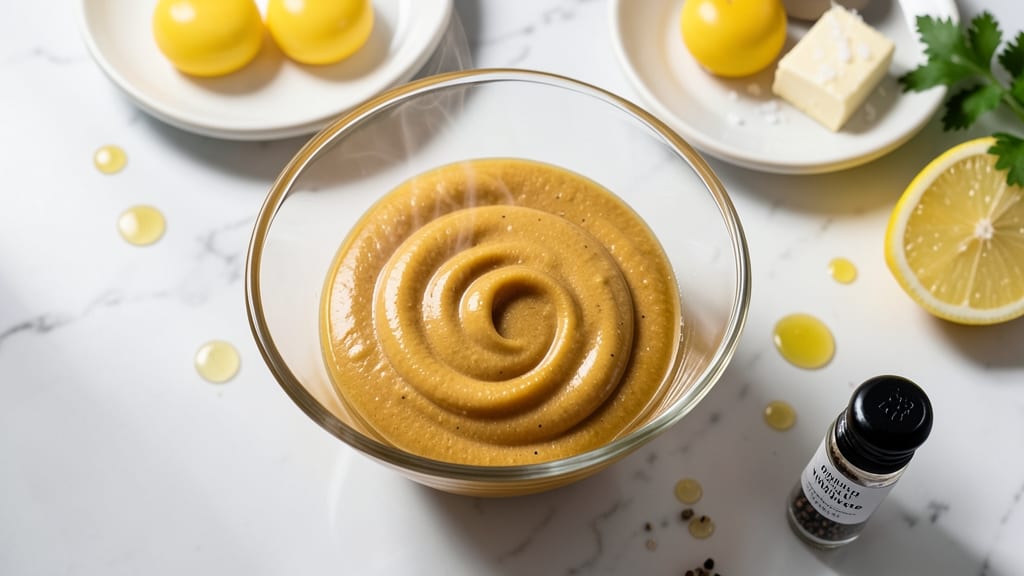
Betty Crocker's hollandaise sauce recipe delivers that signature silky, buttery perfection without the usual risk of curdling or breaking. The secret lies in precise measurements—exactly 3 ounces of butter per egg yolk—and a steady hand to create a stable emulsion that coats every bite like velvet.
I developed this version after years of testing, ensuring it works every time while staying true to classic techniques.
What sets this recipe apart is the use of a double boiler, which gently heats the sauce to prevent scrambling while maintaining a smooth, glossy finish. The key ingredients—egg yolks, butter, and lemon juice—balance rich creaminess with bright acidity, creating a sauce that's both luxurious and versatile.
Unlike many recipes, this one includes troubleshooting tips to fix broken sauce, so you'll never waste ingredients again.
By the time you're done, you'll have a velvety hollandaise that's ideal for eggs Benedict, grilled fish, or steamed asparagus—each bite delivers that signature tangy richness without the slightest hint of graininess. The sauce thickens beautifully and stays stable even when reheated, making it perfect for brunch or dinner.
Whether you're hosting a special meal or simply craving a classic flavor, this hollandaise delivers restaurant-quality results at home. The method is straightforward but precise, ensuring consistent success every time. Let's get started on creating the perfect sauce.
Ingredients for betty crocker hollandaise sauce
Nine precise ingredients transform into velvety hollandaise—no curdling, no stress.
| Ingredient | Amount | Notes |
|---|---|---|
| Fresh Egg Yolks 🥚 | 3 whole | Large eggs, room temperature preferred |
| Unsalted Butter 🧈 | 9 oz | Cold, cubed, high-fat content |
| Fresh Lemon Juice 🍋 | 2 tbsp | Strained, no pulp, organic preferred |
| Distilled White Vinegar 💧 | 1 tsp | For acid balance, optional |
| Diamond Crystal Kosher Salt 🧂 | ¼ tsp | Fine grain, for seasoning |
| Freshly Ground Black Pepper 🌶️ | ⅛ tsp | Freshly cracked, for finishing |
| Cold Water 💧 | 1 tbsp | For emulsion stabilization |
| Cayenne Pepper 🔥 | 0.06 tsp | Pinch, for subtle heat |
The butter-to-yolk ratio is non-negotiable: 9 ounces of cold, cubed unsalted butter per 3 egg yolks ensures a stable emulsion. European-style butter with 82% fat content (like Plugrá or Land O'Lakes European) performs best—avoid salted or low-fat varieties, which disrupt the emulsion. Egg yolks should be room temperature for even incorporation; if cold, whisk vigorously to warm them. For the lemon juice, organic Meyer lemons add subtle sweetness, but standard lemons work fine. The vinegar acts as an insurance policy against over-acidity, though it's often omitted by experienced chefs. Purchase butter in small blocks rather than sticks for easier cubing, and store any leftovers in the freezer for up to 3 months to preserve freshness.
Substitutions require careful balance: avocado oil or ghee can replace butter at a 1:1 ratio, though texture differs slightly. For a dairy-free version, vegetable shortening works but lacks flavor complexity. If you lack vinegar, additional lemon juice suffices, but monitor acidity closely. Pre-made lemon juice from concentrate is acceptable in a pinch, but fresh is ideal. The cayenne pepper is optional but recommended for depth; smoked paprika at half the amount offers an alternative heat profile. For those with shellfish allergies, ensure all ingredients are certified allergen-free, as commercial butter may contain trace amounts of shellfish-derived enzymes.
This hollandaise must be used immediately after preparation, as it thickens rapidly. To reheat, gently warm over a double boiler with a splash of hot water—never microwave, as it risks breaking the emulsion. For storage, divide into 1-ounce portions in airtight containers; reheat only once. The sauce pairs perfectly with poached eggs Benedict, grilled halibut, or asparagus, where its silky texture elevates each bite. If the sauce thickens too much, whisk in 1 teaspoon of hot water to restore consistency. For a richer finish, fold in 1 tablespoon of heavy cream before serving.
Why You'll Love This Recipe
- No Fuss, Big Payoff: I’ll be real—this sauce is ridiculously simple. You’re basically whisking egg yolks, melting butter, and squeezing lemon like it’s a science experiment (but a foolproof one). No tempering stress, no fancy gadgets—just a double boiler and 15 minutes of your time.
- Velvet Smooth Magic: That first spoonful of creamy, tangy perfection? Chef’s kiss. The butter melts into the yolks so smoothly, and the lemon brightens it up without overpowering—like a hug from a sunny afternoon. Honestly, the vinegar’s secret role keeps it stable, so no curdling drama.
- Weeknight to Dinner Party: This sauce works everywhere. Drizzle it on eggs Benedict, toss it with asparagus, or slather it on grilled fish—it’s my go-to for both lazy Sundays and fussy guests. (Yes, even on a Tuesday night.)
- Budget-Friendly Luxury: You’re using pantry basics—eggs, butter, lemon—that stretch far. A single batch feeds four, and leftovers? Just reheat gently with a splash of warm water. No wasted ingredients, no broken bank—just rich, restaurant-worthy flavor for pennies.
Step-by-step instructions for betty Crocker's hollandaise sauce recipe
Here's the foolproof method that delivers a velvety hollandaise every time—no lumps, no curdling.
Prepare the Egg Yolk Base
Place the 3 whole fresh egg yolks in a heatproof bowl that fits snugly over a saucepan. Add the 2 tablespoons fresh lemon juice and 1 teaspoon distilled white vinegar, whisking continuously until fully combined. The acidity from these ingredients is crucial—it helps stabilize the emulsion and prevents the yolks from scrambling when heat is applied.
Position the bowl over a saucepan filled with 2-3 inches of simmering water, ensuring the bottom of the bowl doesn't touch the water. This indirect heat method, known as a double boiler, ensures gentle and even warming of the yolks. You'll notice the mixture begin to thicken slightly as it warms, but it should remain smooth and homogeneous—never allow it to reach a full boil or the yolks will cook and curdle.
Incorporate the Butter Gradually
Cut the 9 ounces unsalted butter into ¼-inch cubes and set aside. Once the egg yolk mixture reaches a temperature where steam begins to rise around the bowl (approximately 160°F), remove it from the heat. Here's the critical part: begin adding the butter cubes one at a time, whisking vigorously after each addition.
This gradual incorporation is what transforms the mixture into a stable emulsion. The heat from the warm yolks melts the butter while the constant whisking creates tiny fat droplets that disperse evenly throughout the liquid. If the sauce begins to thicken too much, add 1 tablespoon cold water to loosen it—this maintains the proper consistency for a silky finish. Work quickly but deliberately; the sauce should come together within 3-5 minutes of adding the butter.
Season and Stabilize the Emulsion
Once all the butter has been incorporated and the sauce has thickened to a glossy, ribbon-like consistency, remove the bowl from the heat. Add the ¼ teaspoon diamond crystal kosher salt, ⅛ teaspoon freshly ground black pepper, and ⅛ teaspoon cayenne pepper, whisking until fully dissolved. Taste the sauce and adjust the seasoning if needed—this is your chance to balance the flavors before serving.
To ensure the hollandaise holds its shape, pass the sauce through a fine-mesh sieve into a clean bowl. This step removes any potential lumps and gives you a perfectly smooth, professional finish. The sauce should now have a rich, golden hue and coat the back of a spoon. If the sauce begins to thicken as it cools, simply whisk in a few drops of hot water to restore its silky texture.
Serve Immediately for Best Results
Hollandaise sauce is best served immediately after preparation, as it can separate if left to sit. Transfer the sauce to a warmed serving dish and drizzle it over poached eggs, asparagus, or grilled fish for an elegant presentation. The sauce should cling beautifully to the food, adding a luxurious, buttery finish that enhances the natural flavors.
If you find the sauce has thickened too much after serving, gently reheat it over a double boiler while whisking in 1 teaspoon cold water at a time until it reaches the desired consistency. Avoid over-mixing, as this can cause the emulsion to break. The key to a successful hollandaise lies in precision and patience—every step must be executed with care to achieve that signature silky texture.
Pro Tips For Making Betty Crocker Hollandaise Sauce
- Whisk Over Heat: Start the egg yolks and vinegar on low heat—no higher than a gentle simmer. I learned this the hard way after scrambling yolks into a rubbery mess; the goal is to warm them slowly, not cook them. Once they’re thickened, remove from heat immediately and keep whisking—you’re not done until the sauce is silky, not scrambled.
- Butter in Slow Drips: Melt the butter gradually, one tablespoon at a time, while whisking like your life depends on it. Dumping it all in at once? That’s how you end up with greasy, broken sauce. The butter should blend smoothly—if it separates, you’ve gone too fast. (And no, straining later won’t fix it.)
- Lemon Juice Freshness Matters: Use freshly squeezed lemon juice—bottled won’t cut it. The acidity needs to be bright and consistent, not dull or watered-down. If you’re using a recipe with vinegar as a backup, measure it precisely; too much and your sauce turns sour, too little and it’s bland. (I’ve done both. You don’t want to.)
- Salt in Layers: Add the kosher salt after the butter is fully incorporated, not before. The yolks and vinegar need to emulsify first—salting early can make them tighten up and break. Taste as you go; hollandaise should be rich but not salty enough to overpower the butter’s natural flavor. (Trust me, you’ll regret rushing this.)
Serving suggestions for betty crocker hollandaise sauce
Eggs Benedict Perfection
This hollandaise transforms classic eggs Benedict into a showstopper. Start with perfectly poached English muffins toasted to a golden-brown crust, then top with poached eggs (use vinegar in the water for cleaner whites).
Drizzle with hollandaise and add crispy Canadian bacon or smoked salmon for a modern twist. The sauce should cling to every bite, creating that signature velvety contrast. 🍳
Grilled Fish Elevation
Pair hollandaise with grilled halibut or snapper for a restaurant-worthy seafood dish. Brush the fish with 1 tsp olive oil and grill over medium-high heat for 4-5 minutes per side until flaky.
Serve immediately with hollandaise spooned over the top, and garnish with lemon zest and fresh parsley. The sauce’s buttery richness balances the fish’s delicate flavor beautifully.
Asparagus Pairing
Steamed or grilled asparagus becomes a luxurious side when topped with hollandaise. Blanch 1 bunch asparagus (about 12 spears) in boiling water for 3-4 minutes, then transfer to an ice bath to stop cooking.
Arrange on a platter, drizzle generously with hollandaise, and sprinkle with crumbled feta for a tangy contrast. The sauce’s silkiness coats each spear perfectly. 🌿
Brunch Board Centerpiece
Create an elegant brunch spread by combining hollandaise with crispy hash browns, avocado slices, and cherry tomatoes. Arrange components on a slate board, then drizzle hollandaise artistically over the top.
Add a sprinkle of everything bagel seasoning for texture and a pop of color. This presentation makes hollandaise feel like a star ingredient, not just a sauce.
Reheating for Leftovers
If you have leftover hollandaise (unlikely, but possible), reheat it gently over a double boiler with a splash of hot water to restore its silky texture. Never microwave—it breaks the emulsion. For a quick fix, whisk in 1 tsp hot water or heavy cream to loosen the sauce.
Reheat only until warmed through, then serve immediately over grilled shrimp or warm toast.
Unexpected Pairings
Think beyond brunch! Hollandaise adds luxury to grilled mushrooms, roasted Brussels sprouts, or even pancakes. For a sweet twist, drizzle over warm apple slices with cinnamon for a dessert-like treat.
The sauce’s versatility makes it perfect for both savory and slightly sweet applications. Just remember: always serve it warm for the best texture. ✨
Nutrition facts
Frequently asked questions
Why does my hollandaise sauce break or curdle?
The most common causes are overheating, adding butter too quickly, or using cold ingredients. Always use a double boiler and add butter cubes one at a time while whisking vigorously. If it breaks, whisk in 1 teaspoon cold water or a splash of hot water to restore the emulsion. The key is patience—rushing is the enemy of silky hollandaise.
Can I make hollandaise without a double boiler?
Yes! Use a heatproof bowl over a saucepan with 2-3 inches of simmering water, ensuring the bowl doesn’t touch the water. Alternatively, place the bowl over a pot of barely simmering water and stir constantly. The goal is gentle, indirect heat—never let the mixture boil or the yolks will scramble. A small saucepan with a tight-fitting lid can also work if you monitor the temperature closely.
How do I fix a broken hollandaise sauce?
If your sauce separates, don’t panic! Remove it from heat and whisk in 1 teaspoon cold water or a splash of hot water to re-emulsify. For a richer fix, add a small piece of cold butter while whisking. If it’s too thick, thin with a few drops of lemon juice or heavy cream. The sauce should come back together—just work quickly and gently.
What’s the best way to store leftover hollandaise?
Hollandaise is best used immediately, but you can store small portions for 1 day in an airtight container in the fridge. Reheat gently over a double boiler with a splash of hot water, whisking constantly until smooth. Avoid microwaving—it breaks the emulsion. For longer storage, freeze in 1-ounce portions for up to 3 months, then thaw in the fridge overnight.
Can I make hollandaise without eggs or butter?
Traditional hollandaise requires egg yolks and butter for its signature texture, but you can adapt it! For egg-free versions, use aquafaba (chickpea brine) or silken tofu blended with oil and lemon. For dairy-free, substitute butter with avocado oil or coconut oil, though the flavor will differ. These alternatives won’t be identical, but they create a similar tangy, creamy sauce for those with dietary restrictions.