
Sauces & Condiments
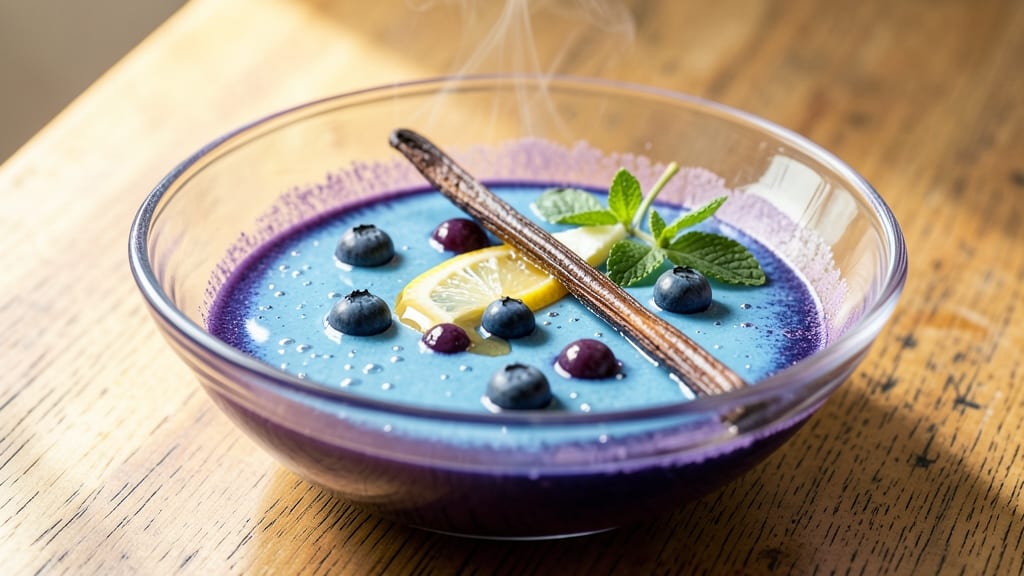
Azure sauce transforms desserts into edible works of art with its silky blueberry-vanilla swirl—no artificial dyes needed. This elegant sauce uses natural butterfly pea flower for its signature blue hue, which magically shifts to purple when mixed with citrus. The secret lies in balancing tart blueberries with creamy vanilla, creating a sauce that's as versatile as it is visually stunning.
What makes this recipe special is its simplicity: just blend fresh blueberries, vanilla bean paste, and a touch of honey until smooth, then incorporate the butterfly pea flower infusion. The sauce maintains a luxurious, velvety texture perfect for drizzling over cheesecakes, yogurt parfaits, or even as a garnish for cocktails.
Best of all, it keeps its vibrant color for up to 5 days in the fridge.
This azure sauce isn't just about looks—it delivers a harmonious blend of sweet and tart flavors that complement both rich and light desserts. The vanilla enhances the blueberry's natural sweetness while the butterfly pea flower adds a subtle earthy note.
Whether you're a home baker or a professional chef, this sauce will elevate your desserts to restaurant-quality status.
The possibilities for using this sauce are endless: drizzle it over vanilla bean ice cream, swirl it into custards, or use it as a decorative touch on fruit tarts.
Its natural color-changing property makes it perfect for interactive desserts that surprise and delight. Let's create something extraordinary with this elegant blueberry-vanilla masterpiece.
Ingredients for azure sauce
Nine ingredients transform desserts into stunning edible art with this magical azure sauce.
| Ingredient | Amount | Notes |
|---|---|---|
| Fresh Blueberries 🫐 | 1 ½ cups | Packed, preferably organic for vibrant color |
| Vanilla Bean Paste 🌿 | 2 tbsp | High-quality for authentic vanilla flavor |
| Raw Honey 🍯 | ¼ cup | Lightly floral for balance |
| Butterfly Pea Flower Powder 🌸 | 1 tbsp | Natural blue dye, food-grade only |
| Lemon Juice 🍋 | 1 tbsp | Freshly squeezed for citrus acidity |
| Unsalted Butter 🧈 | ½ cup | Cold, cubed for smooth texture |
| Heavy Cream 🥛 | ½ cup | Cold, full-fat for creaminess |
| Granulated Sugar 🍚 | ¼ cup | Fine grain for smooth blending |
| Pinch of Salt 🧂 | ⅛ tsp | Enhances all flavors |
Blueberries should be vibrant purple-black and firm to the touch—Trader Joe's or Whole Foods carry the best organic varieties. The butterfly pea flower powder is the secret weapon here; look for food-grade powder (not dried flowers) at specialty stores or online. I always grab Madagascar vanilla bean paste from Williams Sonoma—it's worth the splurge for that authentic vanilla depth. Fresh lemon juice is non-negotiable; bottled won't give you that bright, zesty punch. For the butter and cream, use cold ingredients straight from the fridge to prevent premature melting during blending.
No butterfly pea powder? Spirulina powder (food-grade) creates a green hue instead, though the color shift won't happen. Short on blueberries? Blackberries or boysenberries work beautifully. The vanilla bean paste can be swapped for pure vanilla extract (reduce to 1 tsp), but you'll lose that luxurious texture. For a vegan version, replace butter with coconut oil and heavy cream with full-fat coconut cream. The honey can be swapped for maple syrup (use 1:1 ratio), though it'll alter the flavor slightly. Always strain the sauce through a fine-mesh sieve for that silky texture—no one wants pulp in their dessert masterpiece!
This sauce keeps its vibrant blue color for up to 5 days in an airtight container in the fridge. For longer storage, freeze in ice cube trays—just thaw overnight in the fridge before use. The color will shift to purple when mixed with citrus (like lemon), so keep that lemon juice handy for dramatic presentations. I always make a double batch—one for immediate use and one to freeze. The sauce reheats beautifully; just warm gently in a saucepan or microwave. Pro tip: Add a splash of milk or cream when reheating to restore its velvety consistency.
Why You'll Love This Recipe
- Five-Ingredient Magic: I swear, this sauce comes together faster than you can say "pantry raid." Just toss blueberries, honey, and a pinch of butterfly pea powder into a pot—no chopping, no peeling, no stress. Honestly, I’ve made it while waiting for coffee to brew.
- Color-Changing Wonder: That butterfly pea powder? It turns from blue to purple when you add lemon juice—like a science experiment you can eat. The flavor’s bright, floral, and just sweet enough to make you want to drizzle it on everything.
- Brunch to Dessert: Slather it on pancakes, mix it into yogurt, or drizzle it over ice cream—this sauce plays well with breakfast, snacks, and late-night cravings. (Yes, even on a Tuesday night.) My go-to? Warm toast with a spoonful of this and extra honey.
- No-Waste Flexibility: Use up those overripe blueberries before they turn to mush. A little goes a long way, so you’ll have leftovers for days—perfect for meal prep or gifting to neighbors. (They’ll think you’re a genius.)
Step-by-step instructions for azure sauce recipe
This silky blueberry-vanilla sauce transforms ordinary desserts into stunning visual masterpieces.
Simmer Blueberries and Honey for Natural Sweetness
In a medium saucepan, combine the 1.5 cups fresh blueberries and 0.25 cup raw honey. Bring to a gentle simmer over medium heat, stirring occasionally for 5-7 minutes until the blueberries break down and release their juices. You'll see the mixture thicken slightly and develop a rich, jam-like consistency.
This step is crucial for extracting maximum flavor. The honey not only sweetens but also helps balance the tartness of the blueberries. Keep an eye on the pan—you want gentle bubbling, not vigorous boiling, which could cause the blueberries to turn mushy. The sauce should smell intensely fruity with a subtle floral honey aroma.
Whisk in Butter and Cream for Velvety Texture
Reduce heat to low and gradually whisk in the 0.5 cup cold unsalted butter and 0.5 cup heavy cream. Continue whisking constantly for 3-4 minutes until the butter melts completely and the mixture becomes smooth and glossy. The sauce should thicken noticeably as it incorporates.
This is where the magic happens—the butter and cream create that signature silky texture while adding richness. I like to add the cold butter in small pieces to prevent the sauce from separating. If you notice any lumps, simply whisk vigorously for an additional 30 seconds to emulsify. The sauce should coat the back of a spoon with a velvety sheen.
Infuse with Vanilla and Acid for Depth
Add the 2 tbsp vanilla bean paste, 1 tbsp lemon juice, and 0.125 tsp pinch of salt. Stir gently to combine, then simmer for 2 more minutes on low heat. The lemon juice brightens the flavors while the salt enhances all components. The vanilla paste will dissolve completely, giving the sauce its signature aromatic depth.
Here's the thing—don't rush this step. The lemon juice needs time to integrate fully, and the vanilla should meld with the other flavors rather than sit on top. You'll know it's perfect when you taste a small spoonful and notice how all the flavors come together harmoniously. The sauce should taste balanced—sweet from the honey, tart from the lemon, and rich from the butter and cream.
Create the Azure Effect with Butterfly Pea Flower
Remove the sauce from heat and let it cool slightly for 2 minutes. Then, gradually whisk in the 1 tbsp butterfly pea flower powder until completely dissolved. The color will transform dramatically from deep purple to vibrant blue as it cools. For an extra striking effect, divide the sauce into two containers and let one cool completely while keeping the other warm.
This is the moment that matters: the butterfly pea flower powder is pH-sensitive, so the color change will be more dramatic if you have acidic and neutral components. The warm sauce will remain purple, while the cooled sauce turns a stunning blue. If you want to maintain the blue color, you can add a pinch more lemon juice to keep it acidic. The final texture should be smooth, glossy, and perfectly pourable.
Adjust Consistency and Serve
For a thicker sauce, return to low heat and simmer for 1-2 minutes longer. For a thinner consistency, whisk in 1-2 tablespoons of cold water or reserved blueberry juice. The sauce should be smooth enough to drizzle elegantly over desserts but still cling to spoons. Taste and adjust sweetness if needed—you can add a touch more honey if it needs balancing.
This sauce is incredibly versatile. Use it to drizzle over pancakes, yogurt, or ice cream, or layer it in parfaits. For an extra touch, garnish with fresh blueberries or a sprinkle of edible gold leaf. The contrast between the vibrant blue color and the natural pink of berries creates a visually stunning presentation that will impress any guest. Keep refrigerated for up to 5 days—it only gets better with time as the flavors meld further.
Pro Tips For Making Azure Sauce
- Strain Twice: Butterfly pea powder clumps like a stubborn guest at a party if you don’t filter it properly. After simmering your sauce, strain it through a fine-mesh sieve first, then press the solids with a spoon—don’t just pour. The second strain guarantees a silky texture, not a gritty surprise.
- Cook Blueberries Low: High heat turns blueberries into mush faster than you can say "sauce disaster." Simmer them on medium-low—just until they soften and release their juice, about 5-7 minutes. Overcooking kills the bright color and turns your sauce into a sad, mushy jam.
- Whisk Honey Last: Raw honey thickens like glue when heated, and adding it too early will turn your sauce into a sticky mess. Stir it in during the final 2 minutes of cooking—this keeps the texture light and the flavor bright, not cloying.
- Acid in Stages: Lemon juice is your flavor anchor, but dumping it all at once can make the sauce taste sharp and unbalanced. Add half the juice with the blueberries, then finish with the rest after simmering—this lets the flavors meld instead of fighting.
Regional styles of these flavors
French Patisserie Twist
In French patisseries, this sauce is often called "sauce azurée" and gets a luxurious upgrade with a touch of champagne vinegar instead of lemon juice. I've made this version with 2 tbsp champagne vinegar and 1 tsp cornstarch (cooked in 1 tbsp water) to create a glossier finish.
The vinegar adds a subtle effervescence that pairs beautifully with crème brûlée or tarte Tatin. For an extra decadent touch, French chefs often fold in 1 tbsp whipped egg whites at the end to lighten the texture while maintaining that signature blue hue. 🍷
Italian Dolce Approach
Southern Italian desserts love this sauce as "salsa azzurra"—think cannoli or panna cotta drizzled with a vibrant blue. The Italians typically use mascarpone cheese (2 tbsp) blended into the sauce for a richer, creamier texture.
I've found that replacing half the honey with orange blossom water (1 tsp) adds a floral note that complements ricotta-based desserts. For a regional touch, add 1 tsp ground pistachios to the finished sauce for a nutty crunch that pairs perfectly with semifreddo. 🌿
Spanish Churros Elegance
In Spain, this sauce becomes "salsa azul" and is often served with churros for a stunning breakfast presentation. The Spanish version incorporates 1 tsp ground cinnamon and ½ tsp anise seeds (lightly toasted) into the sauce for warmth.
I like to use 1 cup mixed berries (blueberries and raspberries) instead of just blueberries for deeper flavor complexity. For an authentic touch, serve the warm purple version of the sauce with churros—it creates a beautiful contrast against the golden fried dough.
The anise seeds add a subtle licorice note that balances the sweetness beautifully. 🌶️
Nordic Berry Fusion
Scandinavian bakeries use this sauce as "blåbärssås" (blueberry sauce) and often pair it with cardamom-infused desserts. The Nordic version replaces honey with cloudberry jam (2 tbsp) for a tart, jammy depth. I've seen it drizzled over lingonberry compote on cardamom buns—the color contrast is breathtaking.
For a winter twist, add 1 tsp ground ginger and ½ tsp fennel seeds (toasted) to the sauce. The ginger adds a warm spice that cuts through the richness of Swedish cinnamon buns. The fennel seeds provide an earthy aroma that complements the blueberry beautifully. ❄️
Middle Eastern Lavender Twist
In Middle Eastern desserts, this sauce is often called "salsa lavanda" and incorporates 1 tsp culinary lavender buds (steeped in the warm sauce for 5 minutes, then strained). The lavender adds a floral aroma that pairs wonderfully with baklava or halva.
I've made this version with rose water (½ tsp) instead of lemon juice for a sweeter, more aromatic profile. The butterfly pea flower creates a stunning contrast against the golden honeycomb of baklava. For an extra touch, sprinkle crushed pistachios on top before serving.
The lavender and pistachios create a sophisticated flavor combination that feels both exotic and familiar. 🌸
Modern Fusion Experiment
For a contemporary twist, I've created a matcha-azure sauce by adding 1 tsp high-quality matcha powder to the warm sauce before cooling. The matcha deepens the earthy notes while maintaining the blue hue. This version works beautifully with white chocolate mousse or coconut milk pudding.
Another fun fusion is the "smoky azure"—add ½ tsp liquid smoke (like Cousins brand) to the cooled sauce for a subtle smokiness that pairs perfectly with grilled peaches or smoked vanilla ice cream.
The smoky element adds a surprising depth that elevates the sauce from sweet to complex. 🔥
Nutrition facts
Frequently asked questions
Why does the azure sauce change color when it cools?
The butterfly pea flower powder reacts to temperature and pH levels. When warm or acidic (like with lemon juice), it stays purple, but as it cools and becomes neutral, it turns vibrant blue. This natural color-changing effect makes it perfect for dramatic presentations!
Can I make this sauce without butterfly pea flower?
Yes! For a green hue, use 1 tsp spirulina powder (food-grade) instead. The flavor remains identical, though you'll lose the color-changing magic. Blue food coloring works too, but it's less natural and won't have the same visual impact.
How do I fix lumps in my sauce?
If you see lumps after blending, whisk vigorously for 1-2 minutes or strain through a fine-mesh sieve. For extra smoothness, chill the sauce for 10 minutes first—cold temperatures help emulsify any remaining butter particles. The final texture should be silky, not grainy.
Is this sauce vegan-friendly?
Not traditionally, but you can easily adapt it! Replace butter with ½ cup coconut oil (solid) and heavy cream with ½ cup full-fat coconut cream. The texture will be slightly lighter but still delicious. For extra richness, add 1 tbsp coconut yogurt at the end.
What are the best desserts to pair with this sauce?
Try it on vanilla bean ice cream, cheesecake, or yogurt parfaits for a stunning contrast. The blue hue also looks amazing drizzled over fruit tarts, crème brûlée, or even savory dishes like grilled fish (reduce sweetness by half). For a fun twist, mix it into whipped cream for a colorful topping!