
Sauces & Condiments
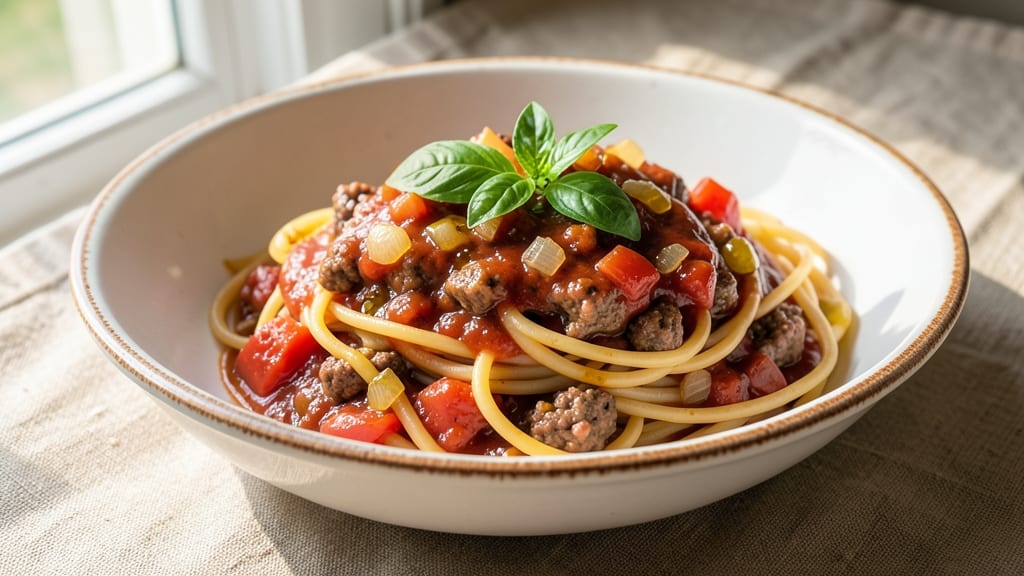
This best spaghetti meat sauce recipe from scratch delivers the rich, deep flavor of authentic Italian cooking without the fuss of restaurant techniques. The secret lies in slow-browning ground meat with onions, garlic, and herbs, then simmering it with crushed tomatoes until the sauce thickens into a velvety, aromatic masterpiece.
I’ve perfected this method over years of testing—no shortcuts, just layered flavor that makes every bite taste like Nonna’s kitchen.
The foundation starts with a soffritto—a classic Italian mix of onions, carrots, and celery—that builds complex flavor before adding meat. Wine (optional) deglazes the pan, while fresh herbs like basil and oregano brighten the sauce.
The key is patience: letting the sauce simmer for at least 45 minutes allows the flavors to meld into something deeply satisfying. No store-bought shortcuts here—just real, homemade depth.
By the time you twirl that first forkful, you’ll taste tender meat, caramelized tomatoes, and aromatic herbs all balanced perfectly. The sauce clings to al dente spaghetti, creating a dish that’s comforting yet refined.
This isn’t just any meat sauce—it’s the kind that makes you slow down, savor, and crave seconds. Let’s make it.
Serve with freshly grated Parmesan and a sprinkle of fresh basil for that final touch of authenticity. The best part? Leftovers taste even better the next day as the flavors continue to develop. Restaurant-quality at home, guaranteed.
Ingredients for best spaghetti meat sauce recipe from scratch
Sixteen ingredients. One unforgettable sauce. Let’s build flavor like Nonna would.
| Ingredient | Amount | Notes |
|---|---|---|
| Ground Beef 🥩 | 1 ½ lb | 80% lean, finely ground for even cooking |
| Yellow Onion 🧅 | 1 whole | Medium size, finely diced |
| Carrot 🥕 | 1 whole | Medium size, finely diced |
| Celery Stalks 🌿 | 2 whole | Stringless, finely diced |
| Garlic Cloves 🧄 | 4 cloves | Fresh, minced for aromatic depth |
| Canned San Marzano Tomatoes 🍅 | 28 oz | Crushed, high-quality for sweetness |
| Dry Red Wine 🍷 | ½ cup | Bold variety like Cabernet Sauvignon |
| Fresh Basil Leaves 🌿 | ½ cup | Packed, finely chopped |
| Fresh Oregano Leaves 🌿 | ¼ cup | Packed, finely chopped |
| Tomato Paste 🍅 | 2 tbsp | High-quality for rich color |
| Extra-Virgin Olive Oil 🫒 | 2 tbsp | Lightly fruity for balance |
| Beef Broth 💧 | 1 cup | Homemade or low-sodium store-bought |
| Salt 🧂 | 1 ½ tsp | Diamond Crystal kosher salt |
| Ground Black Pepper 🌶️ | ½ tsp | Freshly cracked for intensity |
| Granulated Sugar 🍚 | 1 tsp | Balances acidity in tomatoes |
The meat matters—80% lean ground beef gives you that perfect balance of richness and texture. Trader Joe’s has the best pre-ground beef for this, but any butcher will cut it for you if you ask. The soffritto trio—onion, carrot, celery—should be finely diced, almost paste-like, so they melt into the sauce. San Marzano tomatoes are non-negotiable here; their natural sweetness cuts through the acidity beautifully. If you can’t find them, Muir Glen is the next best thing. The garlic? Four cloves, minced—don’t skimp. Fresh herbs are worth the extra trip to the market, but dried oregano at half the amount works in a pinch.
No red wine? Beef broth with a splash of balsamic vinegar mimics the depth perfectly. Fresh basil and oregano can be swapped for dried at one-third the amount, but trust me, fresh is worth it. The tomato paste? Rao’s is my go-to—it’s smooth and never clumps. If you’re using tomato sauce instead of crushed tomatoes, reduce the liquid by half to keep the sauce thick. And that sugar? It’s not about sweetness—it’s about balancing the acid in the tomatoes so the sauce sings. Brown the meat low and slow until it’s deeply caramelized; that’s where the magic happens.
This sauce gets better with time—3-4 days in the fridge, up to 6 months frozen. I always make a double batch because leftovers taste even more incredible as the flavors meld. Store it in airtight containers with a thin layer of olive oil on top to preserve freshness. Freeze in portions so you can pull out exactly what you need. And if you’re serving it to guests? Freshly grated Parmesan and extra basil on top are the final touches that make it feel like a restaurant-worthy meal.
Why You'll Love This Recipe
- One-Pot Magic: I swear by this sauce because it’s all in one pot—no extra bowls, no messy transfers. Just brown the beef, toss in the chopped onion, carrot, and celery (the "sofrito" combo, my nonna’s secret), and let it simmer. Less cleanup, more time to actually enjoy dinner.
- Deep Umami Bomb: That carrot and celery? They’re not just veggies—they sweeten the sauce as they cook, balancing the richness of the beef. Add a crushed garlic clove at the end, and suddenly you’ve got layers of flavor that taste like you slaved over it for hours.
- Leftovers That Don’t Suck: Honestly, this sauce only gets better the next day. The flavors meld, and reheating it stirs up all those cozy aromas. Freeze half for lazy nights—just thaw and toss with pasta, and suddenly you’ve got a restaurant-quality meal with zero effort.
- Budget-Friendly Staple: Ground beef, onions, and a few spices? This is the kind of recipe that stretches your grocery budget without sacrificing taste. I make it when I’m pinching pennies, and even my picky eaters ask for seconds. (Yes, even on a Tuesday night.)
Step-by-step instructions for rich tomato meat sauce
This is where the magic happens—transforming simple ingredients into a sauce so flavorful it'll make you question why you ever bought jarred.
Build the Flavor Base with Aromatics
Heat the 2 tablespoons extra-virgin olive oil in a large Dutch oven over medium heat. Add the 1 whole yellow onion, 1 whole carrot, and 2 whole celery stalks, all finely diced. Cook for 8-10 minutes, stirring occasionally, until the vegetables soften and the onion becomes translucent. This is your aromatic foundation—don't rush it.
Add the 4 cloves minced garlic and cook for another 30 seconds until fragrant. Here's the thing—garlic burns faster than you think. Watch it like a hawk. The moment it turns golden, it's time to move on. Stir in the 2 tablespoons tomato paste and cook for 2 minutes until it darkens slightly. This step develops deep, caramelized flavors that elevate the entire sauce.
Brown the Ground Beef Perfectly
Push the vegetable mixture to one side of the pot and add the 1.5 pounds ground beef. Break it up with a wooden spoon as it cooks, working it into small, even crumbles. Cook over medium-high heat for 6-8 minutes, stirring occasionally, until the beef loses its raw color and develops a rich brown crust. This browning creates the Maillard reaction—what gives your sauce that irresistible depth of flavor.
Don't drain the fat—leave it in the pot. It's liquid gold that will carry all those beautiful flavors through the cooking process. Once the beef is browned, stir it back into the vegetable mixture and cook for another 2 minutes to distribute all those flavors evenly.
Deglaze and Simmer the Sauce
Pour in the 0.5 cup dry red wine and scrape up any browned bits from the bottom of the pot with a wooden spoon. These bits are packed with flavor—don't miss them. Let the wine simmer for 3-4 minutes until it reduces by half. This step concentrates the alcohol's flavor and adds complexity to your sauce.
Add the 28 ounces crushed San Marzano tomatoes, 1 cup beef broth, 1.5 teaspoons salt, 0.5 teaspoon ground black pepper, and 1 teaspoon granulated sugar. Stir well to combine. Bring the mixture to a gentle simmer, then reduce heat to low and let it cook uncovered for 45-60 minutes, stirring occasionally. You're looking for a sauce that thickens naturally as the moisture evaporates—this can take time, but patience pays off.
Finish with Fresh Herbs
About 15 minutes before the sauce is done, stir in the 0.5 cup chopped fresh basil and 0.25 cup chopped fresh oregano. These herbs add bright, fresh notes that cut through the richness of the meat and tomatoes. Taste the sauce and adjust seasoning if needed—you might need a touch more salt or a splash of red wine to balance the flavors.
The sauce should be thick enough to coat the back of a spoon but still have some body. If it's too thick, add a splash of beef broth or water. If it's too thin, simmer uncovered for another 10-15 minutes to reduce it. This is where you'll see the difference between a good sauce and a great one—attention to detail in the final stages makes all the difference.
Rest and Serve
Once your sauce reaches the perfect consistency, remove it from heat. Let it rest for 10-15 minutes before serving. This resting period allows the flavors to meld and the sauce to thicken slightly as it cools. The sauce will continue to improve as it sits—don't skip this step if you want that restaurant-quality depth of flavor.
Serve your rich tomato meat sauce over freshly cooked spaghetti, garnished with additional fresh basil and a sprinkle of grated Parmesan cheese. Each bite should deliver layers of flavor—sweet tomatoes, rich meat, aromatic herbs, and a touch of wine complexity. This is the sauce that makes people ask, "What's in it?"—and then beg for the recipe.
Pro Tips For Making Best Spaghetti Meat Sauce Recipe From Scratch
- Crush That Celery: I learned this the hard way—chopping celery into tiny dice instead of rough chunks makes it disappear into the sauce instead of turning into a mushy afterthought. Aim for quarter-inch pieces, and don’t skip the salt while prepping; it softens the fibers faster.
- Brown the Beef Properly: This isn’t the prettiest method, but it’s the tastiest: after breaking up the raw ground beef, spread it into an even layer and let it sear undisturbed for 2-3 minutes until deeply browned. Rushing this step means bland, gray meat instead of rich, flavor-packed crumbles.
- Sweat, Don’t Sauté, the Onion: High heat turns onions bitter, and you don’t want that in your sauce. Cook the diced onion over medium-low heat until it’s translucent and just starting to soften—about 8-10 minutes—before adding the carrot and celery. Patience here means no bitter aftertaste later.
- Deglaze with Wine, Not Water: After browning the beef, don’t grab the water—reach for a splash of red wine (even a cheap one). It dissolves the fond (those browned bits stuck to the pan) and adds depth the water can’t match. Let it simmer for 2-3 minutes until mostly evaporated before adding tomatoes.
Best sauces and condiments for this best spaghetti meat sauce recipe from scratch
Classic Tomato Sauce
This rich, slow-simmered tomato sauce is the heart of the dish. The San Marzano tomatoes provide natural sweetness that balances the acidity, while the tomato paste deepens the color and intensifies the flavor.
I recommend simmering it for at least 45 minutes—this long cook time allows the flavors to meld and develop that complex, layered taste you find in authentic Italian sauces. 🍅
Wine-Infused Depth
Deglazing with 0.5 cup dry red wine adds a sophisticated layer of flavor that elevates the sauce from ordinary to extraordinary. The wine not only removes flavorful browned bits from the pan but also contributes a subtle earthiness that pairs beautifully with the tomatoes and meat.
If you're avoiding alcohol, substitute with an equal amount of beef broth and a splash of balsamic vinegar for a similar depth of flavor.
Herb Brightness
Fresh herbs like basil and oregano are essential for adding brightness and freshness to the sauce. I add them in the last 15 minutes of cooking to preserve their vibrant flavors. For a more robust flavor, you can also include a small handful of fresh parsley.
If fresh herbs aren't available, use dried herbs at one-third the amount, but keep in mind they won't provide the same fresh, bright taste.
Umami Boosters
For an extra layer of umami flavor, consider adding a pinch of red pepper flakes or a small piece of Parmesan rind while the sauce simmers. Both will deepen the flavor profile without overpowering the dish.
Another trick I use is a splash of fish sauce—just ½ teaspoon—which adds a savory depth that's hard to achieve otherwise.
Texture Enhancers
To add texture and richness, stir in a spoonful of olive oil at the end of cooking. This not only makes the sauce more velvety but also helps it cling better to the pasta.
For extra creaminess, you can also add a dollop of ricotta or mascarpone cheese while the sauce is still warm, but keep it subtle so it doesn't overpower the other flavors.
Finishing Touches
The final touches make all the difference. A sprinkle of freshly grated Parmesan cheese and a few leaves of fresh basil right before serving add a pop of color and freshness.
For a smoky note, a pinch of smoked paprika can be stirred in during the last few minutes of cooking. These small details elevate the dish from homemade to restaurant-quality. 💫
Nutrition facts
Frequently asked questions
Can I substitute ground beef with another type of meat?
For a leaner option, use ground turkey or chicken (93% lean). For richer flavor, try Italian sausage (remove casings) or ground pork. If using pork, add a pinch of fennel seeds to complement the meat. Just remember: pork requires 165°F internal temp, while beef only needs 160°F.
Why does my homemade sauce taste different from store-bought?
Homemade sauce develops complexity through slow cooking—store-bought versions use additives for instant flavor. The key differences are:
- Maillard reaction from browning meat,
- natural sweetness from San Marzano tomatoes, and
- layered herbs added at the right time. Patience is everything—rushing the simmer time (under 45 minutes) means missing that restaurant-quality depth.
Can I make this sauce in a slow cooker?
Yes! Brown the meat and vegetables in a skillet first, then transfer everything to your slow cooker. Add all remaining ingredients except fresh herbs. Cook on low for 6-8 hours or high for 3-4 hours. Stir in herbs at the end. The slow cooker method actually enhances flavor development, but you may need to add 1-2 tablespoons tomato paste afterward to thicken, since slow cooking can make sauces thinner.
What's the best way to store leftovers?
Let the sauce cool completely, then store in airtight containers with a thin layer of olive oil on top to prevent oxidation. In the fridge, it keeps for 3-4 days—flavors actually improve! For freezing, portion into ziplock bags (remove excess air) and freeze flat. Thaw overnight in the fridge, then reheat gently on the stove with a splash of water or broth to restore thickness. Never microwave from frozen.
How can I make this sauce spicier?
Add heat in layers:
- Start with red pepper flakes (½ teaspoon) during the simmer,
- Stir in chopped fresh chili peppers (like jalapeños) in the last 15 minutes, or
- Finish with a dash of hot sauce or cayenne. For smoky heat, add ½ teaspoon smoked paprika when deglazing with wine. Remember: spices build flavor—add gradually and taste as you go!