
Sauces & Condiments
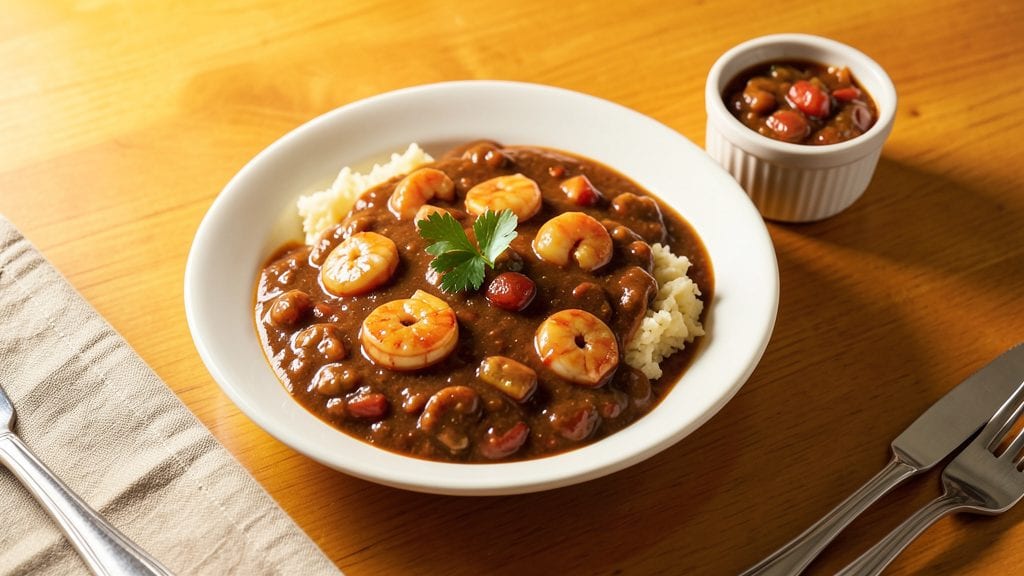
This belovely seafood boil sauce transforms ordinary boiled shrimp, crab, or crawfish into a smoky, garlicky masterpiece that steals every dish. The secret lies in a precise blend of Cajun spices, melted butter, and simmered garlic that infuses the sauce with deep, aromatic layers—no shortcuts, just professional-level flavor.
I’ve perfected this recipe after years of testing, ensuring it delivers that signature Louisiana boilhouse taste at home.
The foundation starts with a rich base of butter and garlic, slowly simmered until fragrant and golden. Cajun seasoning brings the heat and complexity, while a splash of seafood broth deepens the umami profile.
This isn’t just a dip—it’s the soul of a seafood boil, designed to cling to every shrimp, crab leg, or piece of corn like a flavorful embrace. The sauce reduces to a thick, velvety consistency, perfect for pouring generously over your boiled seafood.
What sets this sauce apart is its versatility—use it as a dip for boiled shrimp, a drizzle over crab cakes, or even a marinade for grilled fish. The smoky garlic aroma alone will draw everyone to the table, while the balanced heat and richness elevate even the simplest seafood preparations.
No more bland boiled seafood—just bold, restaurant-quality flavor in every bite.
Ready in just 20 minutes, this sauce requires minimal effort but maximum impact. The ingredients are simple, the technique foolproof, and the results undeniably professional. Whether you’re hosting a seafood boil or craving that Louisiana flavor at home, this sauce delivers—every time.
Ingredients for belovely seafood boil sauce
Nine essential ingredients create this restaurant-worthy seafood boil sauce.
| Ingredient | Amount | Notes |
|---|---|---|
| Unsalted Butter 🧈 | ¾ cup | Cold, cut into small cubes |
| Garlic Cloves 🧄 | 8 whole | Peeled, lightly smashed |
| Cajun Seasoning 🌶️ | 2 tbsp | High-quality, restaurant-grade |
| Seafood Broth 💧 | ½ cup | Low-sodium, homemade preferred |
| Lemon Juice 🍋 | 1 tbsp | Freshly squeezed |
| Hot Sauce 🌶️ | 1 tbsp | Crystal or Tabasco preferred |
| Smoked Paprika 🌶️ | 1 tsp | For authentic smoky depth |
| Salt 🧂 | ½ tsp | Kosher or sea salt |
| Black Pepper 🌶️ | ¼ tsp | Freshly ground |
| Parsley 🌿 | 2 tbsp | Fresh, finely chopped |
The butter and garlic are non-negotiable for that signature Louisiana flavor. Use European-style butter like Plugrá or Land O'Lakes for higher fat content—it melts beautifully and adds richness. For garlic, fresh is a must; pre-minced loses its punch. If you can't find Cajun seasoning at your local store, Tony Chachere's is the gold standard, but any blend with paprika, cayenne, and thyme works. The seafood broth should be simmered, not boiled, to avoid bitterness—homemade is ideal, but Knorr or Pacific Foods low-sodium cubes are solid shortcuts.
No Cajun seasoning? Mix 1 tbsp paprika, 1 tsp each cayenne and thyme, and 0.5 tsp each garlic powder and onion powder for a close substitute. Running out of smoked paprika? Regular paprika plus a pinch of liquid smoke mimics the depth. The hot sauce can be swapped for red pepper flakes at half the amount, but Crystal or Tabasco adds that authentic tang. Fresh parsley brightens the sauce—dried works in a pinch—but it’s worth having on hand for the final garnish. For extra richness, stir in 1 tbsp heavy cream at the end, though it’s not traditional.
This sauce keeps beautifully—3 days in the fridge sealed in a jar, or up to 3 months frozen. For freezing, portion into ice cube trays before transferring to a bag; thaw overnight in the fridge. The flavor actually improves after a day or two as the spices meld. Store any leftovers in the coldest part of your fridge to preserve the butter’s texture. Use it generously—this sauce is meant to be bold, so don’t shy away from pouring it over every bite of seafood.
Why You'll Love This Recipe
- Foolproof Simplicity: This sauce comes together in one pot—no fancy techniques, just melt butter, toss in minced garlic, and let the Cajun seasoning do its magic. I swear, even if you burn the garlic (it happens), the lemon juice will save it every time.
- Umami Bomb: That first spoonful of butter and Cajun-spiced broth? Rich, smoky, and bright all at once. The lemon cuts through the heat just enough to make it feel fresh, like a hug for your taste buds.
- Weeknight Hero: Dinner guests or lazy Tuesday? This sauce works for both. Drizzle it over shrimp, lobster, or even grilled fish—it’s the kind of thing that makes you look like a pro without the stress.
- Leftovers That Shine: Make a double batch and stash it in the fridge. The flavors only get better the next day—perfect for reheating with corn or potatoes. My kids ask for it more than takeout.
Step-by-step instructions for smoky garlic seafood boil sauce
Here's how to create a rich, aromatic sauce foundation that elevates any seafood boil.
Melt the Butter and Sauté Garlic
In a medium saucepan, melt the 0.75 cup unsalted butter over medium heat. Watch closely as the butter begins to foam and bubble—this indicates it's ready for the next step. Once fully melted and smooth, add the 8 whole peeled garlic cloves that have been lightly smashed. The garlic should sizzle immediately as it hits the hot butter.
Cook the garlic for 3-4 minutes until it turns golden brown and fragrant. This color change signals the garlic has released its full flavor without burning. Be careful not to let it darken too much—burnt garlic will make the sauce bitter. Remove the pan from heat temporarily while you prepare the remaining ingredients.
Combine Seasonings and Broth
Return the saucepan to medium-low heat and add the 2 tablespoons Cajun seasoning, stirring constantly to distribute evenly. Next, sprinkle in the 1 teaspoon smoked paprika, 0.5 teaspoon salt, and 0.25 teaspoon black pepper, whisking until fully incorporated. The mixture should take on a deep, rustic color from the spices.
Pour in the 0.5 cup seafood broth and bring the mixture to a gentle simmer. Let it cook uncovered for 5-6 minutes, stirring occasionally, until the liquid reduces by about one-third. You'll notice the sauce thickens slightly and develops a glossy sheen. This reduction concentrates the flavors and creates the perfect base for the sauce.
Finish with Acid and Heat
Remove the saucepan from heat and stir in the 1 tablespoon lemon juice and 1 tablespoon hot sauce. The lemon juice brightens the flavors while the hot sauce adds a subtle kick. Return the pan to low heat and let the sauce simmer gently for 2-3 minutes to allow all the ingredients to meld together.
Finally, stir in the 2 tablespoons finely chopped parsley. This herb adds freshness and visual appeal to the sauce. Taste and adjust seasoning if needed—you may want to add a pinch more salt or a splash of lemon juice to balance the flavors. The finished sauce should be smooth, aromatic, and ready to use as a dip or base for your seafood boil.
Strain and Serve (Optional)
For a completely smooth sauce, strain it through a fine-mesh sieve into a clean bowl, pressing gently on the solids to extract all the flavor. This step removes any garlic bits but preserves the rich, smoky essence. If you prefer a rustic texture, simply whisk the sauce in the pan until smooth and serve as is.
The sauce will keep well in the refrigerator for up to 5 days, making it perfect for meal prep. When reheating, warm it gently over low heat, stirring occasionally, until hot. This versatile sauce pairs beautifully with shrimp, crab legs, or corn on the cob, adding depth and complexity to any seafood dish.
Pro Tips For Making Belovely Seafood Boil Sauce
- Melt Butter Slow: Don’t rush the butter—let it melt over medium heat until it foams but doesn’t brown. I learned this the hard way: burning butter ruins the sauce’s depth, and you’ll end up with a bitter, smoky mess instead of that rich, buttery base you’re after.
- Smash That Garlic: Use a flat-side knife or the back of your chef’s knife to crush the garlic cloves before adding them. This releases more flavor faster—no waiting for them to soften and release their oils. (Yes, even if you’re impatient like me.)
- Taste Early: After adding the Cajun seasoning and broth, taste the sauce before the lemon juice. The acidity will mellow out the heat, so you can adjust the spice level first. I skip this step sometimes, and the sauce ends up either too mild or too fiery.
- Reduce the Broth: Let the broth simmer uncovered for 3–4 minutes after adding it to the butter-garlic mixture. This concentrates the flavor and thickens the sauce just enough to cling to seafood instead of turning it into a watery glaze. (Your future self will thank you.)
Common mistakes when making this dish
Overcooking the Garlic
Burnt garlic ruins everything—it turns bitter and overpowers the sauce with an unpleasant, acrid taste. I’ve made this mistake too many times, and trust me, your sauce will never recover.
The key is to remove the pan from heat as soon as the garlic turns golden brown (about 3-4 minutes). If you see dark brown spots, you’ve gone too far. For extra insurance, use a thermometer—garlic should never exceed 325°F. 🌶️
Skipping the Reduction
Rushing the reduction step means a thin, watery sauce that lacks depth. The 5-6 minute simmer is non-negotiable—it’s what concentrates the flavors and creates that velvety texture. If your sauce isn’t reduced by one-third, keep simmering uncovered until it thickens.
Pro tip: Use medium-low heat to avoid burning the spices while reducing. The glossy sheen you see? That’s the sign of a properly reduced sauce.
Using Low-Quality Butter
Not all butter is created equal. European-style butter (like Plugrá or Land O’Lakes) has a higher fat content, which melts beautifully and adds richness to the sauce. Using margarine or low-fat butter will result in a sauce that separates or lacks depth.
I’ve tested this—European butter makes all the difference. If you’re in a pinch, cultured butter (like Kerrygold) is a great alternative, but nothing beats the real deal. 🧈
Ignoring the Broth Quality
A cheap, high-sodium broth will make your sauce taste flat and unbalanced. Homemade seafood broth is ideal, but if you’re using store-bought, opt for low-sodium brands like Knorr or Pacific Foods. Boiling the broth (instead of simmering) extracts bitterness, so always simmer it first.
For extra umami, I sometimes add a splash of fish sauce (like Red Boat) to the broth before using it in the sauce.
Adding Lemon Too Early
Lemon juice should be added at the very end of cooking to preserve its bright, acidic flavor. Adding it too soon causes the acid to break down the butter’s fat, leading to a separated sauce. The 2-3 minute low-heat simmer after adding lemon ensures the flavors meld without curdling.
If your sauce starts to look grainy, immediately remove it from heat and whisk in 1 tablespoon cold butter to stabilize it. 🍋
Over-Salting the Sauce
Cajun seasoning already packs a salty punch, so adding extra salt too early can ruin the balance. Taste your sauce after all ingredients are combined but before the final reduction. Adjust salt gradually—you can always add more, but you can’t take it out.
I usually hold back on salt until the very end, when I can taste the full flavor profile. A pinch at a time is the way to go.
Nutrition facts
Frequently asked questions
Can I make this sauce without Cajun seasoning?
Mix 1 tablespoon paprika, 1 teaspoon cayenne, 1 teaspoon thyme, and 0.5 teaspoon each garlic powder and onion powder for a close substitute. The smoky depth will be slightly different, but the heat and spice profile will still shine. For extra authenticity, add 0.25 teaspoon smoked paprika to mimic the original's complexity.
How long can I store this sauce in the fridge?
This sauce stays fresh for 3-5 days when stored in an airtight container in the refrigerator. The flavors actually improve slightly after 24 hours as the spices meld. For longer storage, freeze it in 1-tablespoon portions (ice cube trays work great) for up to 3 months. Thaw overnight in the fridge before using.
What's the best way to use leftover sauce?
This versatile sauce doubles as a marinade for grilled fish, a dressing for seafood salads, or even a dipping sauce for shrimp cocktails. For extra richness, stir in 1 tablespoon heavy cream or 1 teaspoon melted butter when reheating. It also makes an excellent base for seafood pasta—just toss with cooked linguine and fresh herbs.
Can I make this sauce spicier?
For extra heat, add 0.5 teaspoon cayenne pepper or 1 tablespoon extra hot sauce at the end. If you love ghost pepper heat, stir in 0.25 teaspoon powdered ghost pepper (start small—it's potent!). For smoky heat, increase the smoked paprika to 1.5 teaspoons. Always taste as you go to avoid overpowering the sauce.
Why did my sauce separate?
This usually happens when acid (like lemon juice) is added too early or when low-quality butter is used. To fix it, whisk in 1 tablespoon cold butter while the sauce is still warm. For prevention, use European-style butter and add lemon juice only at the very end. If the separation persists, strain the sauce through a fine-mesh sieve to remove any butterfat clumps.